LATEST POSTS.

Get featured
on Skene!

What Does a Sound Designer Do?

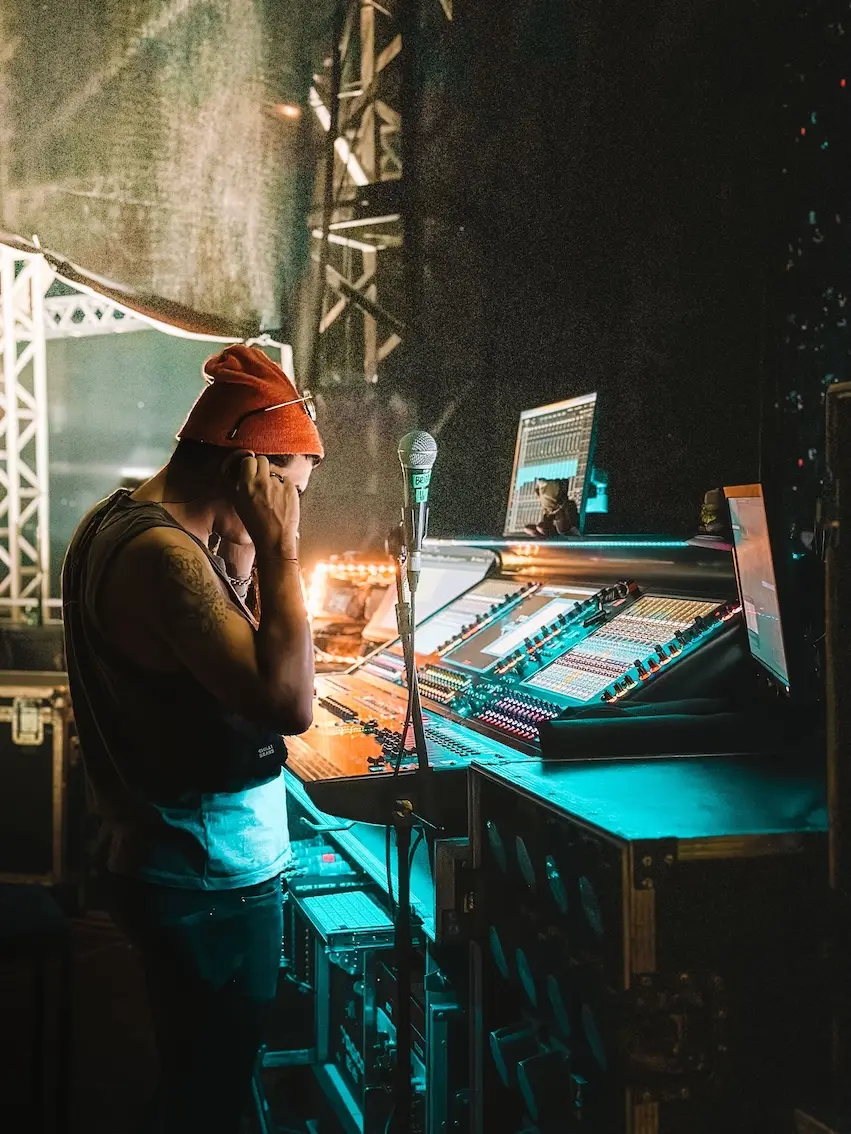
A sound designer wearing headphones mixes a show live.
source: Jonathan Oliveira/ Pexels.

A sound designer creates the auditory world of a production, using music, sound effects, reinforcement, and audio systems to support storytelling while collaborating with the director, performers, and production team from early planning through performance.

The most common misunderstanding about the job is worth clearing up immediately. A sound designer decides what the audience hears and how they hear it, then communicates that design clearly enough for programmers, audio engineers, and sound operators to reproduce it consistently. They do not simply press play or mix microphones during performances.

Abingdon Theatre Company - Season 34
advertising
skene algorithm
advertising

What a Sound Designer Is Responsible For

Sound design shapes everything the audience hears beyond the performers’ natural voices. It creates atmosphere, establishes place, controls pacing, supports emotion, and helps tell the story through carefully planned audio choices.

A sound designer typically develops:

  • A sonic concept that supports the production
  • Sound effects and environmental ambience
  • Music, whether original, licensed, or selected
  • Microphone and reinforcement strategies when needed
  • Speaker placement and system planning
  • Cue sequences that synchronize with the performance
  • Documentation allowing the production team to reproduce the design

Like scenery, costumes, and lighting, sound is a design discipline. In professional theatre throughout the United States, sound designers are represented alongside scenic, costume, lighting, and projection designers by United Scenic Artists, Local USA 829, reflecting the collaborative nature of theatrical design.

How a Sound Design Gets Made

Every sound design begins by understanding the production. The designer studies the script, score, choreography, or devised performance before meeting with the director and the rest of the design team to establish a shared artistic vision.

Research follows. A realistic drama may require historically accurate environmental sounds, while an abstract production might rely on electronic textures or manipulated recordings to shape the audience’s emotional experience. Every sound serves the story rather than existing for its own sake.

As the design develops, the process typically includes:

  • Research and listening references
  • Developing the overall sonic concept
  • Recording, editing, or sourcing audio material
  • Designing the playback and speaker system
  • Programming and refining cues during technical rehearsals

Like lighting, sound cannot be judged in isolation. The timing of a cue, the acoustics of the theatre, the performers’ voices, and the rhythm of a scene all influence whether a sound accomplishes its intended purpose.

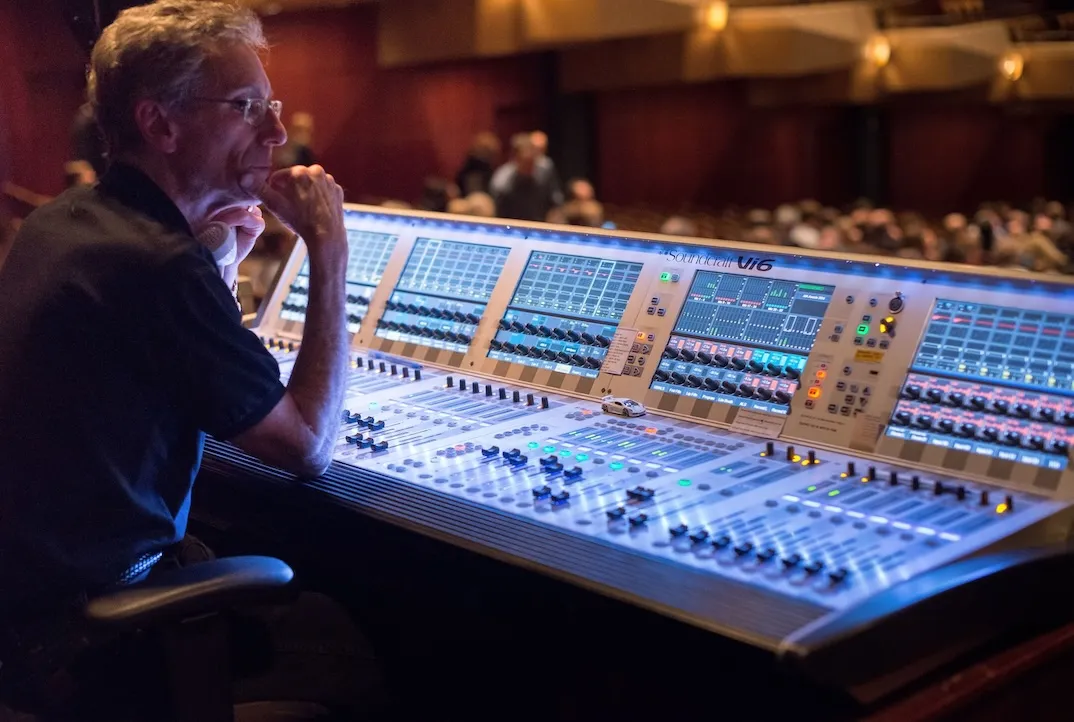
a sound designer looks at the stage in front of a large sound console.
source: Pexels.

What a Sound Designer Delivers

Once the design is approved, it has to become repeatable.

The designer prepares the digital assets and technical documentation that allow the production team to install the system, program playback, and reproduce every cue consistently throughout the run.

A typical package may include:

  • Sound cue lists
  • Playback files and sessions
  • Speaker layouts
  • Equipment specifications
  • Microphone plans when required
  • Playback documentation
  • Programming notes

These materials transform artistic decisions into practical instructions for the production team.

A useful distinction for newcomers: selecting the right sound is only part of the job. A successful sound designer also documents the system well enough that another team can install, operate, and maintain the design exactly as intended.

Who a Sound Designer Works With

The sound designer collaborates with nearly every department throughout the production process.

The relationship with the director begins early and continues through technical rehearsals, shaping how sound contributes to storytelling, rhythm, and emotional pacing.

Sound designers also work closely with scenic and lighting designers. The architecture of a set affects how sound travels through the space, while visual and sonic transitions often reinforce one another. Readers interested in those collaborative relationships can also explore What Does a Scenic Designer Do? and What Does a Lighting Designer Do?

Costume designers may influence microphone placement or concealment. Projection designers coordinate moments when sound and media work together. Composers and music directors may create or supervise original music when a production requires it.

On the production side, the sound designer collaborates with audio engineers, programmers, stage management, and the sound crew. During performances, stage management typically calls the sound cues while the sound operator executes them, allowing the design to remain consistent throughout the run.

Skills and Training

Sound design combines artistic storytelling with technical problem solving.

Successful designers typically develop skills in:

  • Critical listening and musical awareness
  • Storytelling through sound
  • Audio recording and editing
  • Digital playback and sound software
  • Sound system design
  • Collaboration and communication
  • Creative problem solving under production deadlines

Many professional sound designers study theatre, music, audio production, or sound design at the university level, although there is no single required educational path. Others begin by working in recording studios, live audio, or theatre production before moving into design.

One of the most important lessons newcomers can learn is that successful sound design often feels invisible. Audiences rarely leave a theatre talking about a perfectly timed ambient transition or a carefully balanced soundscape, yet those decisions quietly shape tension, emotion, and rhythm throughout the performance.

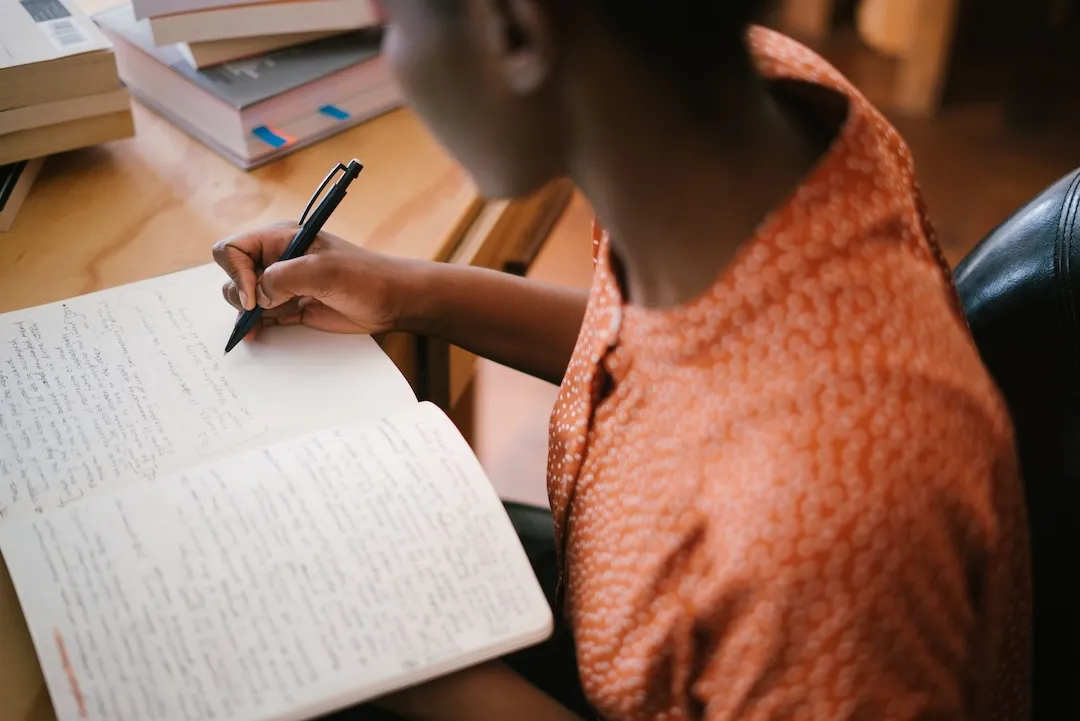
source: Yankrukov/ Pexels.

Conclusion

A sound designer creates the sonic world that surrounds every performance, then documents that world carefully enough for an entire production team to reproduce it consistently from one audience to the next.

When sound supports the story so naturally that audiences respond emotionally without consciously noticing why, the design has fulfilled its purpose.

FAQs

What is the difference between a sound designer and an audio engineer?

A sound designer creates the artistic concept for how a production sounds. Audio engineers, programmers, and operators install, mix, maintain, and operate the equipment needed to realize that design. In smaller productions, one person may perform several of these roles.

Does a sound designer compose the music?

Sometimes. Some productions use original music written by the sound designer or a composer, while others license existing recordings or collaborate with a music director. The approach depends on the artistic goals of the production.

Do sound designers need a music degree?

Not necessarily. Many designers study music, theatre, or audio production, while others develop their skills through production experience, assisting professional designers, recording work, and building a strong portfolio.

CITE THIS ARTICLE

Skene Staff. “What Does a Sound Designer Do?” Skene, 29 Aug. 2026, https://skene.pub/what-does-a-sound-designer-do/.

Share this post

partner content
FREE FOR ARTISTS

Get the 2026 Performing Arts Survival Guide.

Practical career guidance for performing arts artists and makers. Take it with you.