LATEST POSTS.

Get featured
on Skene!

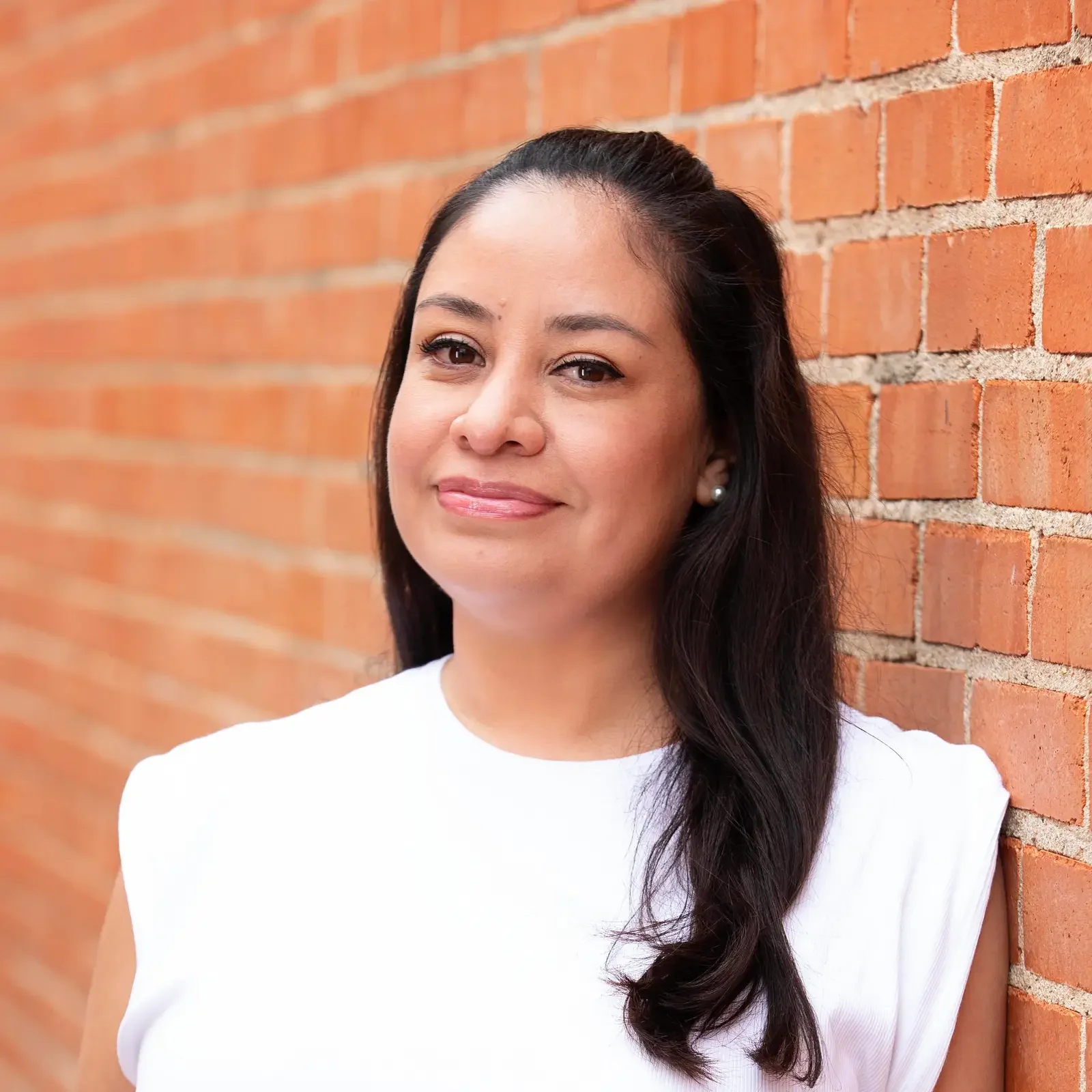
Elba Emicente Sánchez: Through Light and Heritage.

Elba Emicente Sánchez didn’t begin her creative path behind a console or with drafting software, but with movement—through contemporary and classical dance. That physical awareness of space, rhythm, and emotion led her to fall in love with stage lighting and its transformative power. Now based primarily in the United States and holding an MFA in Lighting Design, she brings a cross-cultural sensibility to each project, rooted in her Mexican heritage and shaped by her journey abroad.

In this candid interview, Emicente reflects on the challenges of navigating a creative life in a different country and language, the collaborative joy she found working on Blu by Virginia Grise, and the responsibility she feels in choosing stories that honor her identity. Her work is both visual poetry and cultural dialogue—amplifying voices, honoring histories, and lighting up new perspectives.

Her growing passion for education and community-building points to a future where lighting design becomes not only a craft, but a tool for empowerment. We’re proud to introduce her as part of our NEW TALENTS series—a rising voice ready to shape stages and minds.

partner content

Elba Emicente Sánchez

she/her
Lighting Designer
Mexico
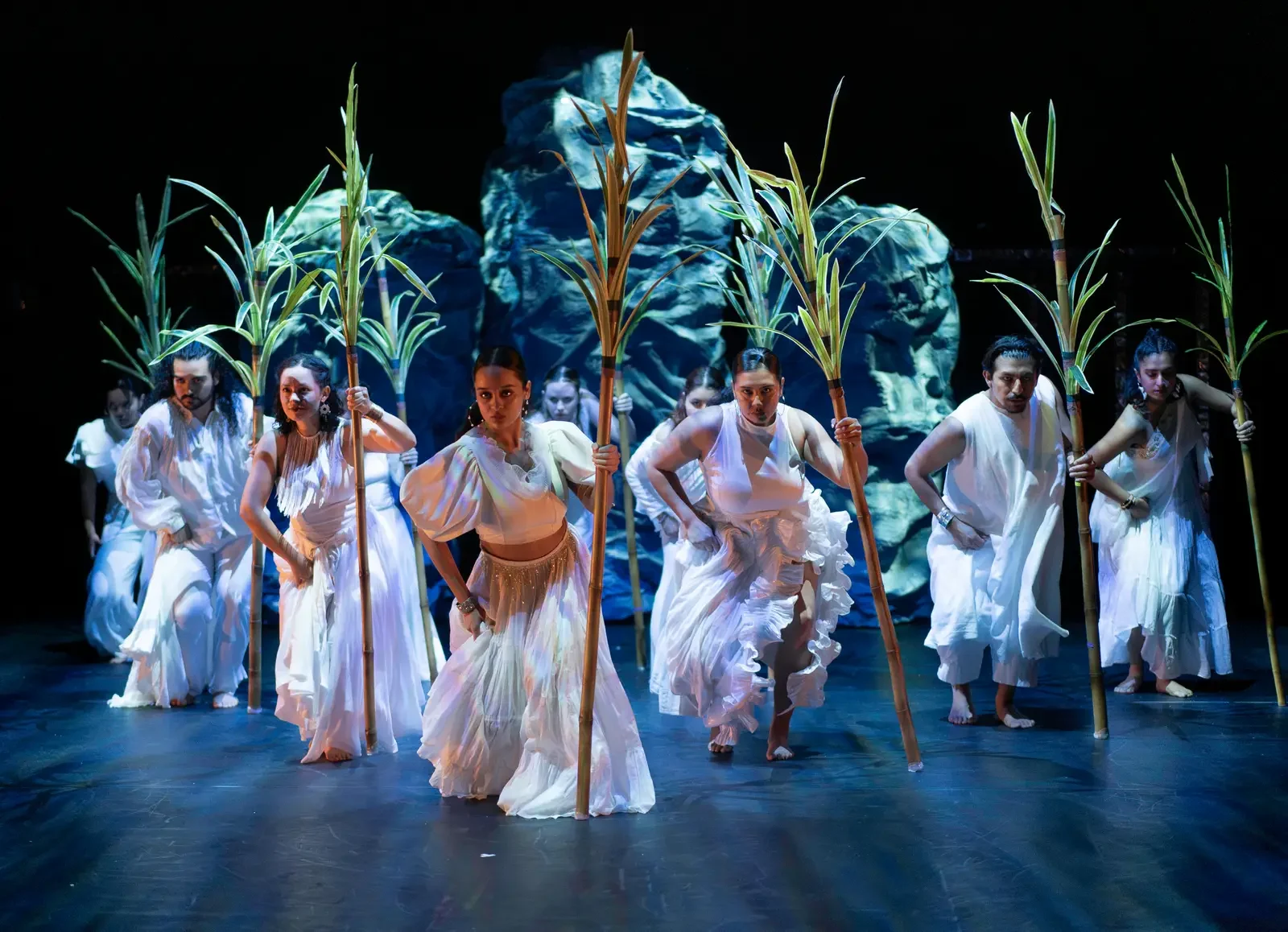
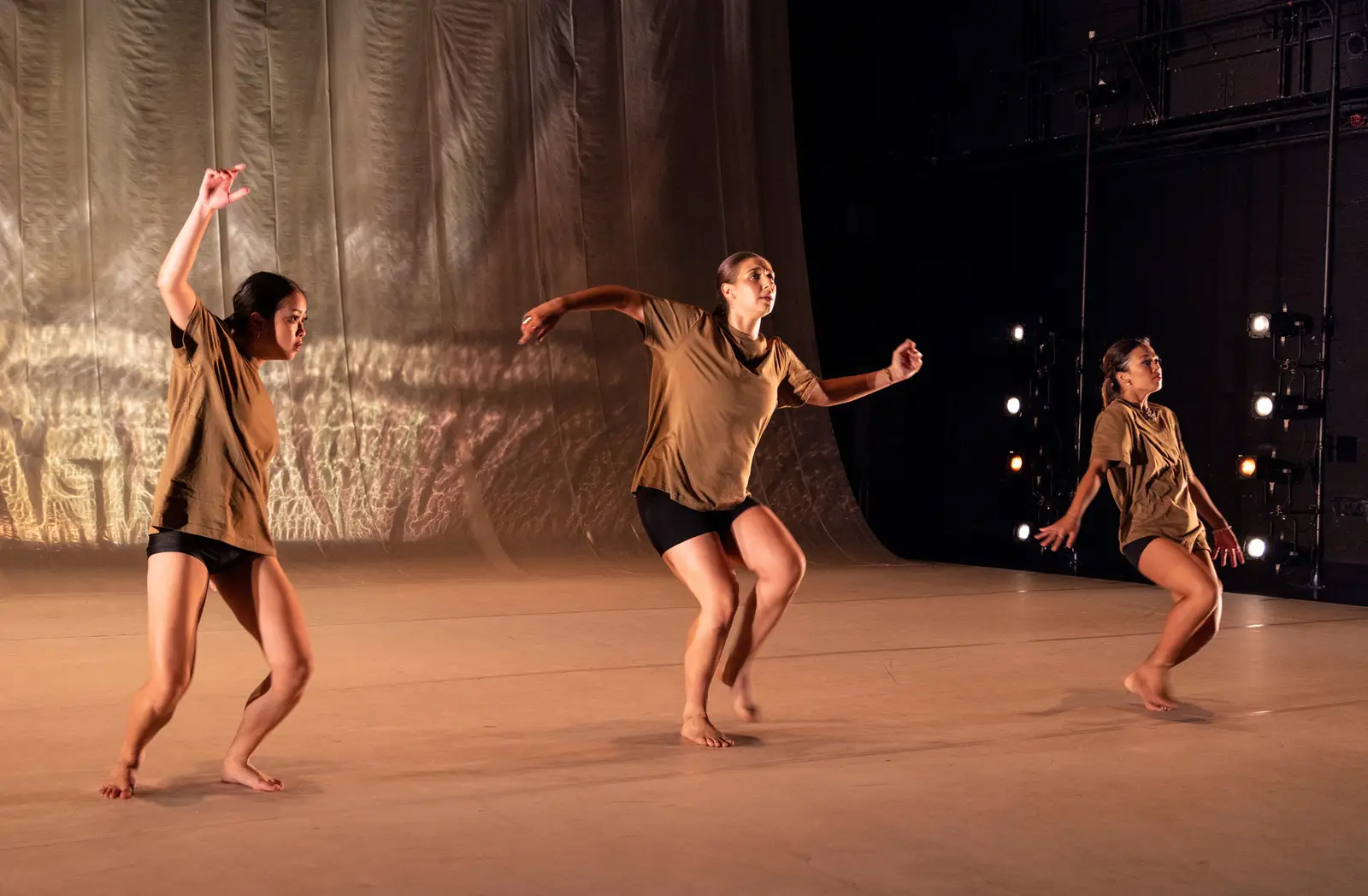
¡Azúcar! (excerpt), source: Erik Jepsen

1. ¿Qué despertó tu interés como artista y cómo ha evolucionado esa chispa con el tiempo?

La Danza, el Teatro y el Diseño de Iluminación son mis más grandes pasiones en la vida.

No muchas personas saben que en mis inicios estudié danza contemporánea y clásica, y aunque ya no ejerzo como intérprete, puedo asegurar que fue el mejor camino que pude haber tomado para encontrar lo que hoy me apasiona. A través de la danza descubrí el sentido e importancia de la iluminación escénica y me abrió el panorama al mundo tras bambalinas.

A lo largo de mi carrera, he pasado por varios oficios en el teatro que hoy forman parte de mi aprendizaje sobre esta disciplina. A la fecha, la chispa de mi pasión por la iluminación sigue más viva que nunca, soy graduada de un M.F.A. en Diseño de Iluminación y soy diseñadora independiente en Estados Unidos principalmente. Sin duda, mi interés por esta profesión ha crecido a lo largo de los años y no deja de sorprenderme lo mucho que aún me queda por aprender y compartir.

1. What sparked your interest as an artist and how has that spark evolved over time?

Dance, Theatre, and Lighting Design are my greatest passions in life.

Not many people know that I began my journey studying contemporary and classical dance. And although I no longer perform, I can confidently say it was the best path I could have taken to discover what truly inspires me today. Through dance, I discovered the meaning and importance of stage lighting, which opened my eyes to the world behind the scenes.

Throughout my career, I’ve held various roles in theatre that have all contributed to my understanding of this discipline. Today, the spark of my passion for lighting is more alive than ever. I hold an M.F.A. in Lighting Design and currently work as an independent designer, mainly in the United States. Without a doubt, my interest in this profession has grown over the years, and I continue to be amazed by how much there is still to learn and share.

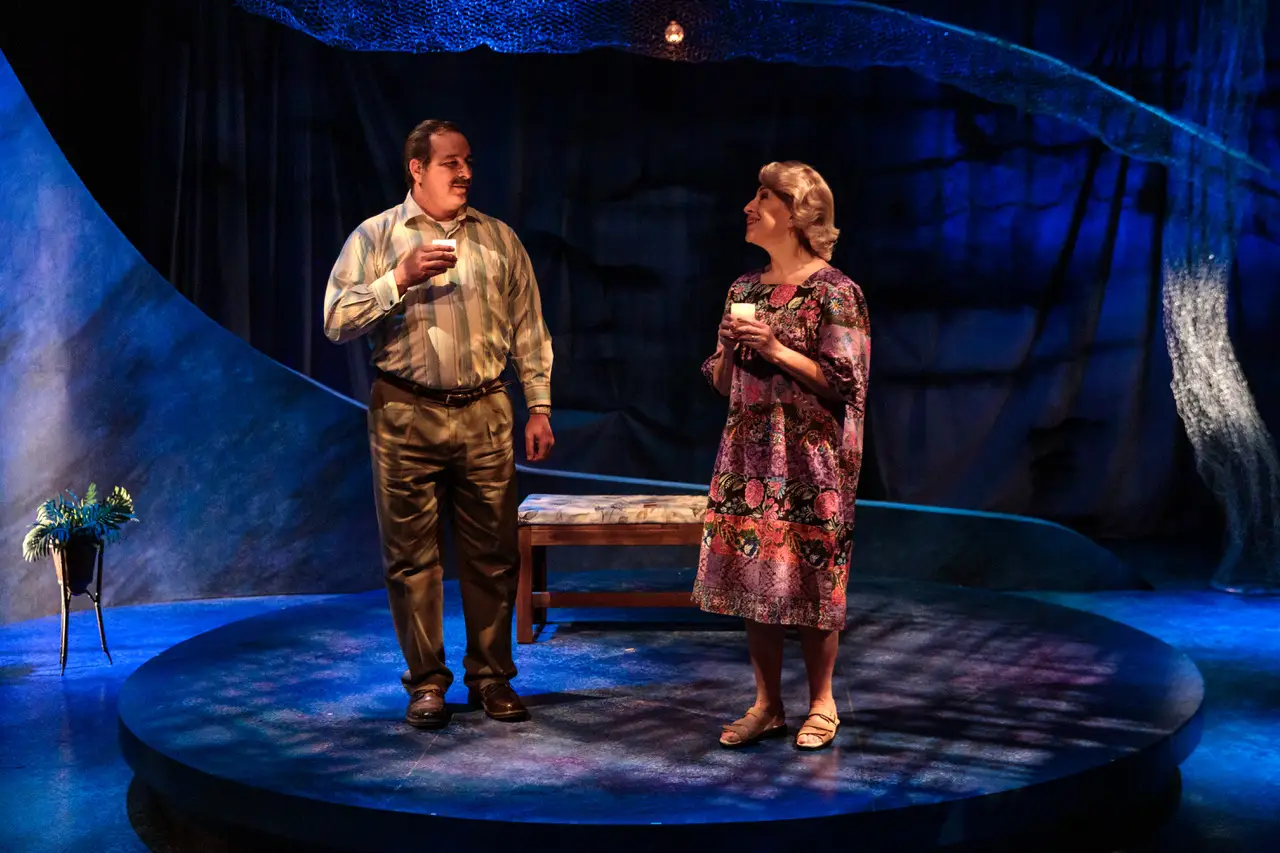
El Huracán, source: Karli Cadel 

2. ¿Puedes compartir la historia detrás de una de tus obras favoritas y lo que significa para ti?

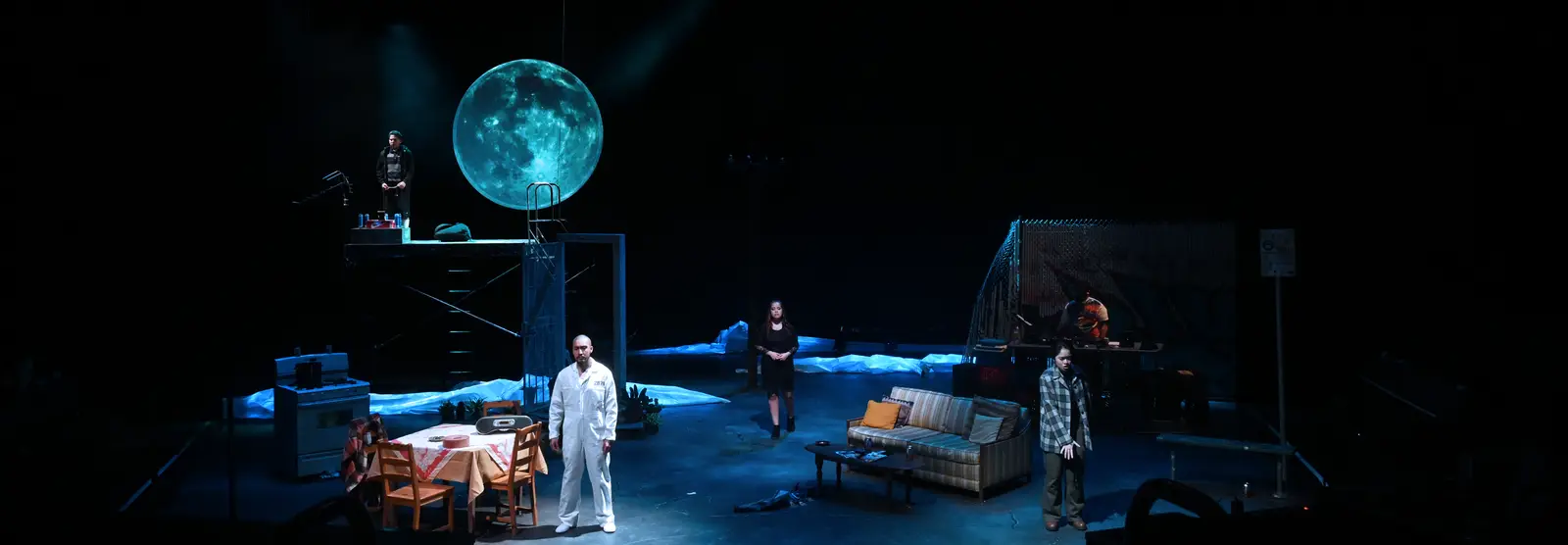
Me siento orgullosa de varias producciones en las que he trabajado, sin embargo, no puedo dejar de mencionar un proyecto en específico que realicé en San Diego,CA., en el 2023 con la obra de Blu, escrita por Virginia Grise y dirigida por Cambria Herrera. La obra en sí es un poema al poder de la transformación, la sanación, la liberación y la reencarnación; Además, la historia se desarrolla en barrios que representan la cultura chicana en Estados Unidos, el machismo y la violencia intrafamiliar.

Esta colaboración se distingue de otras por el ambiente colaborativo que se creó entre Cambria (directora), Michael Wogulis (diseñador de escenografía) y yo (diseñadora de iluminación). La historia también jugó un papel muy significativo para mí, hacer honor a mis raices prehispánicas como mexicana en otro país es algo que no había experimentado en ningún otro momento de mi vida. Y a su vez, aprendí sobre la cultura chicana que desconocía por completo.

Adapté mis experiencias como latina, me adentré en la historia desde mi herencia cultural y encontré mi propia voz a través del diseño de iluminación. A partir de esta colaboración descubrí la importancia de conectar con las historias en las que trabajo y es por ello que ahora busco colaborar en obras de teatro que resuenen en mi, por lo que en su mayoría intento que sean de origen latino or hispano-americanas.

2. Can you share the story behind one of your favorite works and what it means to you?

I feel proud of several productions I’ve worked on; however, I can’t help but highlight one project in particular that I did in San Diego, CA, in 2023: Blu, written by Virginia Grise and directed by Cambria Herrera. The play itself is a poem about the power of transformation, healing, liberation, and reincarnation. It also takes place in neighborhoods that reflect Chicano culture in the United States, as well as themes of machismo and domestic violence.

What made this collaboration stand out was the deeply collaborative environment that emerged between Cambria (the director), Michael Wogulis (the scenic designer), and myself (the lighting designer). The story also held deep personal significance for me—honoring my pre-Hispanic roots as a Mexican in another country was something I had never experienced before. At the same time, I learned about Chicano culture, which I had previously known very little about.

I adapted my experiences as a Latina, immersed myself in the story through my cultural heritage, and found my own voice through lighting design. From this collaboration, I discovered the importance of connecting with the stories I help bring to life. That’s why I now seek out theatre projects that resonate with me—most often those of Latin or Hispanic-American origin.

Blu, source: Michael Wogulis

3. Cómo influyen tus experiencias personales y tu contexto cultural en las historias que quieres contar en el escenario?

La experiencia personal y la influencia cultural lo son todo para encontrar tu voz en el diseño. Esto es algo que estudiando la maestría descubrí y normalicé. Me di cuenta que mi perspectiva acerca de varios temas era diferente a la de mis compañeros, y no sólo eso, sino que se hacía notar. En ese entonces no me di cuenta lo interesante que esto podía resultar y que a fin de cuentas era lo que marcaba mi identidad como persona y artista.

Hoy en día, me encuentro más consiente de la importancia de expresar estas “diferencias de pensamiento” que usualmente enriquecen el trabajo en una producción, donde cada opinión cuenta, y guardar un pensamiento o idea, puede truncar la posibilidad de explorar un mundo en escena.

3. How do your personal experiences and cultural background influence the stories you want to tell on stage?

Personal experience and cultural influence are everything when it comes to finding your voice in design. This is something I discovered and came to normalize while studying for my master’s degree. I realized that my perspective on many topics was different from that of my peers—and not only that, but it stood out. At the time, I didn’t fully grasp how interesting that could be, or that it was, in fact, what defined my identity as both a person and an artist.

Today, I’m much more aware of the importance of expressing these “differences in thought,” which often enrich the work within a production. Every opinion matters, and holding back a thought or idea can ultimately block the opportunity to explore an entire world on stage.

X, source Rich Soublet

4. ¿Cuál ha sido el mayor desafío que has enfrentado como artista y qué te motiva a seguir adelante?

Vivir, estudiar y trabajar en otro país y en un idioma que no es el nativo, han sido de las experiencias más difíciles a lo largo de mi vida y mi carrera, pero a la vez, son experiencias que me han hecho crecer como persona, diseñadora y artista.

Experimentar la adaptación a otra cultura es algo me ha llevado tiempo, he resistido consciente e inconscientemente la asimilación y he defendido a capa y espada las cualidades que me hacen única. También, he tenido la fortuna de toparme con diseñadores que han pasado por situaciones similares durante su carrera y he aprendido a través de sus experiencias y visiones.

Soy orgullosamente una diseñadora de iluminación mexicana y eso es lo que más me motiva a seguir en este arte.

4. What's the biggest challenge you have faced as an artist, and what keeps you motivated to push forward?

Living, studying, and working in another country—and in a language that isn’t my native one—has been one of the most challenging experiences of my life and career. Yet at the same time, these are the experiences that have helped me grow as a person, designer, and artist.

Adapting to another culture has taken time. I’ve resisted assimilation—both consciously and unconsciously—and I’ve fiercely defended the qualities that make me unique. I’ve also been fortunate to cross paths with other designers who have gone through similar situations in their careers, and I’ve learned from their experiences and perspectives.

I am proudly a Mexican lighting designer, and that is what drives me most to keep pursuing this art.

Guiding Light, source: Manuel Rotenberg

5. ¿Cómo esperas que tu trabajo conecte con las personas o deje un impacto?

Como diseñadora de iluminación y artista, mi más profundo deseo es compartir experiencias no solo con la audiencia, sino también preservar estas a través de la enseñanza. Me encantaría en un futuro no muy lejano poder dedicarme de lleno a la docencia, seguir nutriendo mi experiencia de otras experiencias e impulsar a nuevas generaciones de diseñadores de iluminación.

En las experiencias que he tenido como docente o facilitadora de talleres, reconozco a más artistas de los que a veces percibo en el mundo y pienso firmemente que nuestro mundo sería un mejor lugar si nuestro artista interior estuviera más presente en nuestras vidas. El impacto que busco en la industria del entretenimiento requiere trabajo en comunidad, creación de redes de apoyo para diseñadores emergentes e interés en crear un beneficio colectivo.

5. How do you hope your work will connect with people or leave an impact?

As a lighting designer and artist, my deepest desire is to share experiences not only with the audience but also to preserve them through teaching. In the not-so-distant future, I would love to fully dedicate myself to education—to continue enriching my own experience through others’, and to help guide new generations of lighting designers.

In the experiences I’ve had as a teacher or workshop facilitator, I’ve recognized more artists than I sometimes perceive in the world. I firmly believe that our world would be a better place if we allowed our inner artist to be more present in our lives. The impact I seek in the entertainment industry requires community work, the creation of support networks for emerging designers, and a commitment to building collective benefit.

Gavebirth, source: Alex Matthews

Support artists—share this

More like this, twice a month.

Off-Book is the Skene newsletter for artists and makers. Profiles, opportunities, and editorials, free. New subscribers also receive the 2026 Performing Arts Survival Guide.

About the Author

Leave a Reply

Your email address will not be published. Required fields are marked *

Abingdon Theatre Company - Season 34

RELATED POSTS.

FREE FOR ARTISTS

Get the 2026 Performing Arts Survival Guide.

Practical career guidance for performing arts artists and makers. Take it with you.