Shuyang Zhou: I Moved a Mountain.
Chinese scenic designer and USITT YDMT award recipient whose work builds worlds


Chinese scenic designer and USITT YDMT award recipient whose work builds worlds
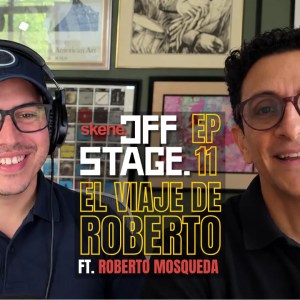
Roberto Mosqueda cuenta cómo escribió La Leyenda del Ermitaño a los 40,

A props master’s field-tested rules for collaboration in the theatre, from doing
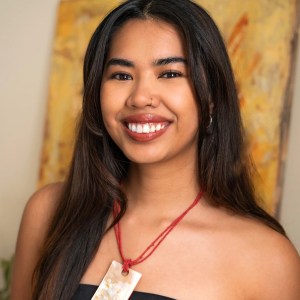
Emerging lighting designer whose work on Broadway and beyond is guided by

Six contemporary plays for student drama clubs and theatre groups. Minimal sets,
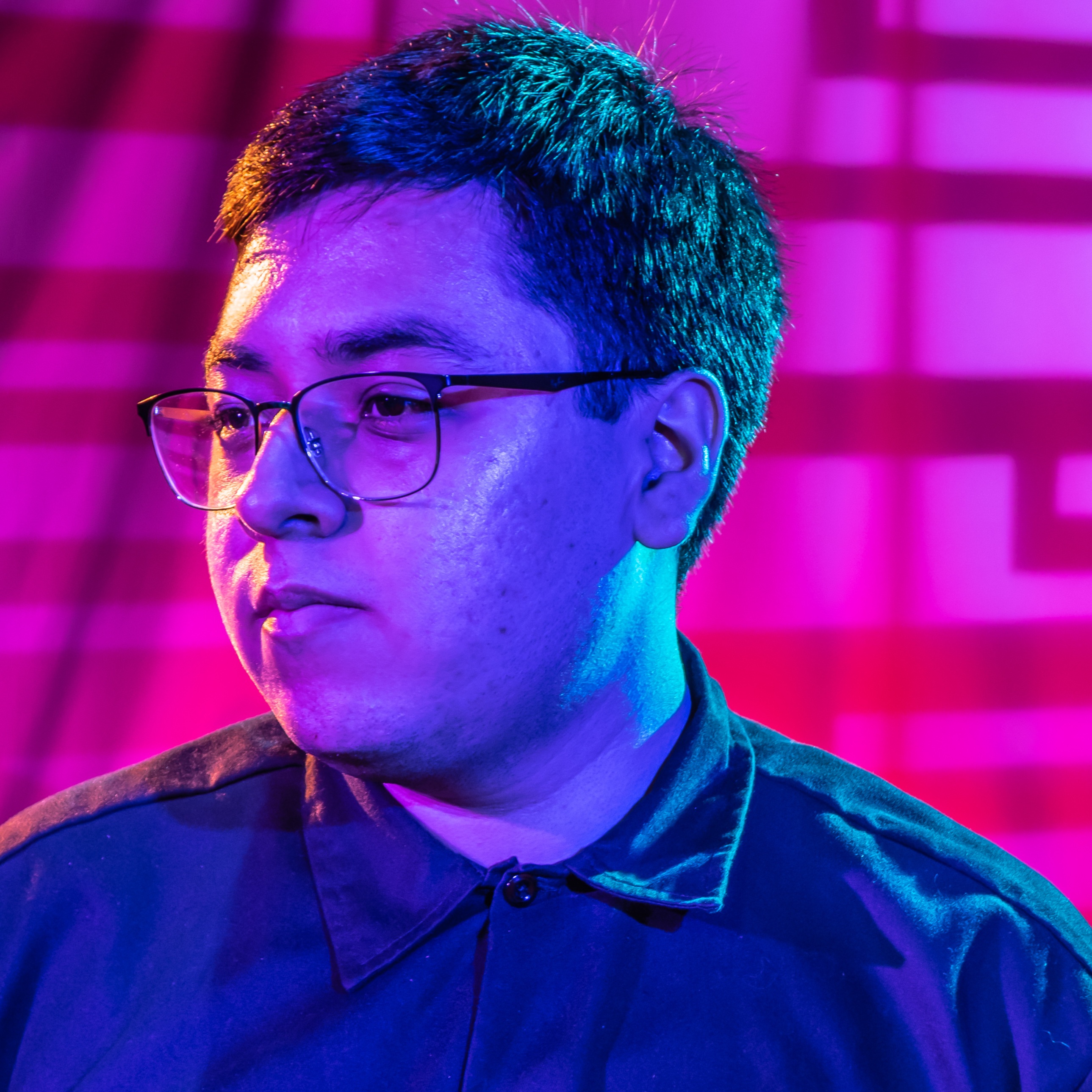
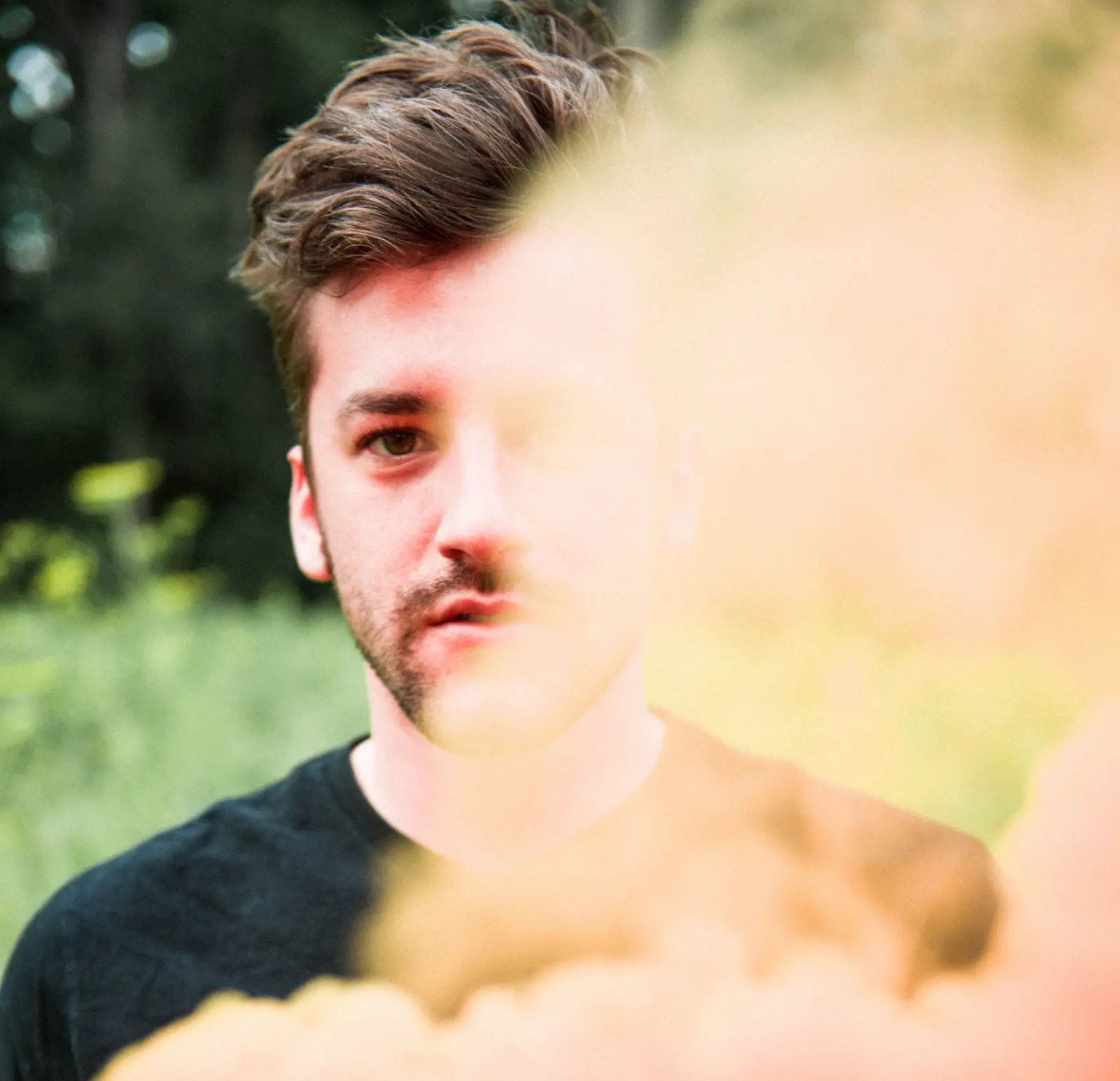
Every artist has a spark—that first flicker of curiosity that sets everything in motion. For Alex J. Alegria, it began in the wings of a middle school auditorium, tuning instruments and learning cues. From there, it was a steady climb: high school stage crew, board operator, ensemble member, and now an emerging lighting designer with a growing voice and a clear sense of purpose. Alex’s story is rooted in collaboration, community, and a deep desire to bring underrepresented narratives to light—literally and figuratively. His work is guided by curiosity, cultural pride, and a hunger to create something new. As he begins his career, he’s already asking the big questions—and answering them with design choices that speak volumes.
In this edition of NEW TALENTS, we shine a light on Alex’s journey, his creative spark, and the path he’s forging in the world of performance.
Peer collaboration and community. I started out playing violin and the saxophone in middle school, later doing stage crew in high school, and then I moved up to working with a local theatre troupe as a Lighting tech and mostly ran the board (on occasion Stage Managing or designing Sound or Sets). Back then I fell in love with being part of a team and getting to work with my friends. Once I moved up to being the go-to Lighting Designer for the company and joining their artist ensemble, I was given a vote in the plays and projects we put on. I discovered that the kind of art and plays I wanted to help produce dealt with untold stories, contemporary issues, surrealism, and giving a voice to the underrepresented. My spark changes, grows, matures, and I am constantly finding new things to fall in love with in art—whether that be different mediums, different environments, different styles of work, etcetera.
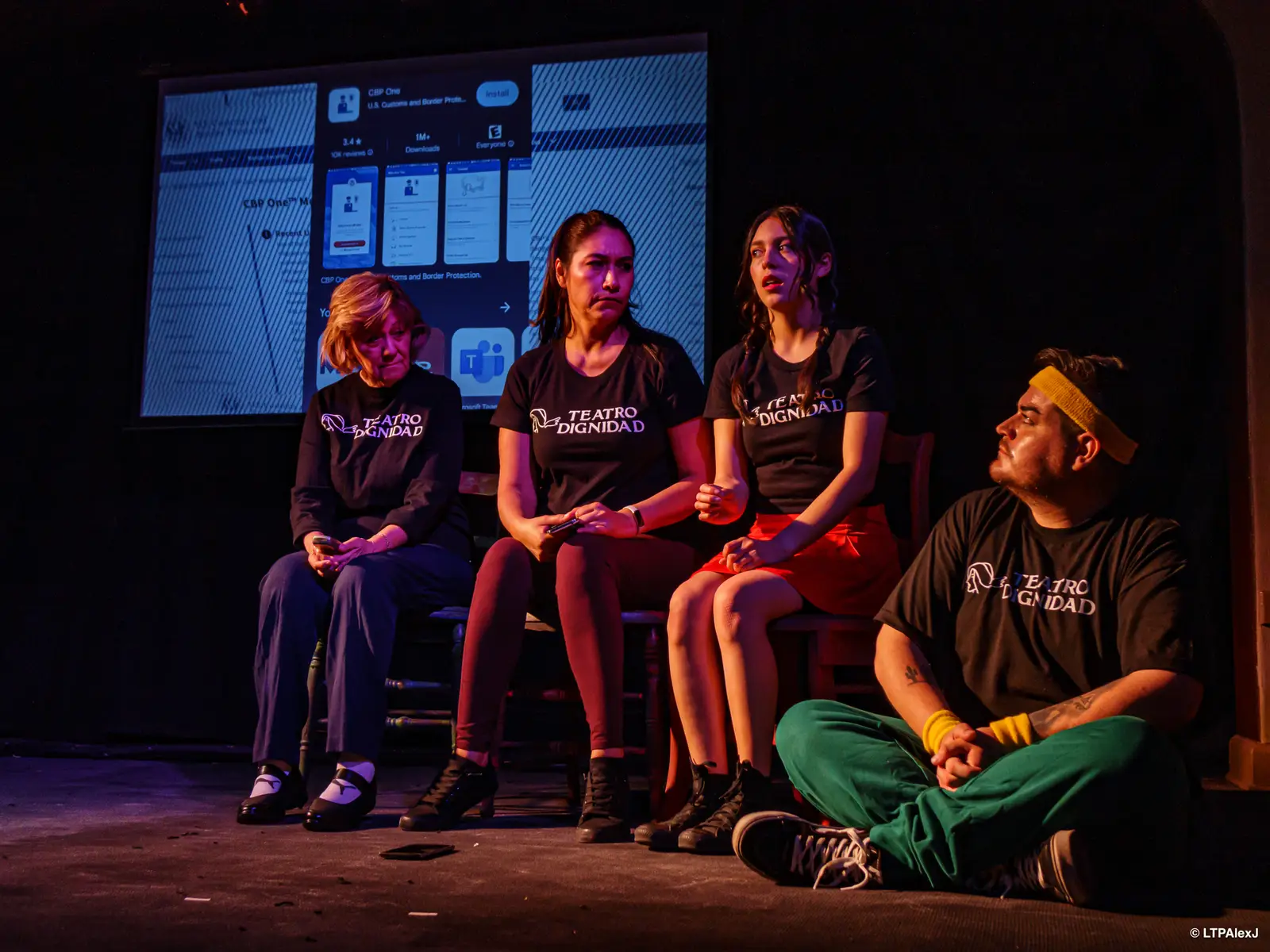
One of my most memorable favorite lighting designs was back in May 2024, a world premiere production of a play called Two Nogales by playwright Hugo Salcedo. It holds a special place in my heart because I worked with the director as a Stage Manager back in 2018 when I was 17 years old and in high school, and at the time of this production I was 23 and fresh out of college. It became a reminder to myself to reflect on my growth, journey, and all that I have learned. The other part that is special to me is that a major part of the play explores immigration to the US, the challenges immigrants face in their journey, path to citizenship, and creating a home somewhere new. It was eye opening, and a testament to theatre’s ability to inform and present a story in a way that makes it accessible to understand and empathize with. I remember sitting in tech and thinking “this is the kind of art I want to be helping make.”
I was born and grew up in Tucson, Arizona, a region that is predominantly Hispanic, and I remember one of the realizations I had when I got into college was that I did not think that this aspect of theatre (the technical end) was an option for us. This was also around the time I had become an ensemble member for that local theatre troupe I mentioned earlier, and I figured that my realization and experience was felt across other cultures and underrepresented communities. In that vein, I realized I wanted to collaborate with and be part of the teams that tell stories that may be “risky” to some theaters and not only give a voice to BIPOC, multicultural, and queer communities, but also work on new plays. As much as I love a good revival, the experience of getting to work on something new or a project that has not been produced a lot is deeply fulfilling and an incredible learning experience.
The two biggest challenges I have encountered are where a majority of my experience is, and being early in my career. The first mostly applies to pursuing new opportunities in new places. Most of my experience is in Arizona. While it is not tiny, it may not be as large of a theatre hub as say Chicago, New York, or L.A.. My peers have expressed the same challenge of having a hard time finding work because their credits are all college and some local. I stay motivated by continuing to apply and networking. I love networking and connecting with other artists. In talking about age, a challenge I have faced is the way I am sometimes treated by others who are older than I am. Granted, it is notably rarer than when I started out, it is still present. I have been talked down to by designers, management, etcetera, because they “had more experience in this industry” than I did. My motivation to push forward is being in rooms where I am accepted for my skills, professionalism, and passion.
In the art I am helping to create, I am hoping that audiences will leave with a new perspective—a new insight into themself, their community, the world around them, how we all exist and coexist. I want audiences of any age, culture, identity, etcetera, to see the art of performance and production and feel comfortable to become part of that collaboration. I want curiosity. Curiosity of what the play is talking about and why we told it; curiosity of how we achieved that one intricately designed moment.
Support artists—share this
Off-Book is the Skene newsletter for artists and makers. Profiles, opportunities, and editorials, free. New subscribers also receive the 2026 Performing Arts Survival Guide.
We use cookies to optimize our website and our service functionalities.
Practical career guidance for performing arts artists and makers. Take it with you.