LATEST POSTS.

Get featured
on Skene!

Alex Rockey: Weaving Queer Identity and Joy.

source: Alex Rockey

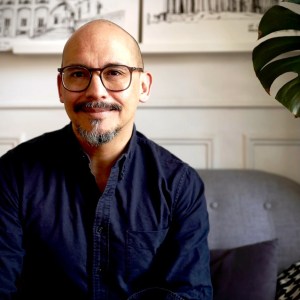
Alex Rockey is a multi-talented scenic and costume designer whose work bridges the worlds of design, emotion, and personal identity. Alex’s journey as an artist was ignited by the transformative power of two shows: Mary Poppins and Kinky Boots. These productions opened his eyes to the boundless possibilities of integrating scenic design with costume storytelling, shaping his path in both disciplines.

In this NEW TALENTS feature, Alex reflects on his evolution from a young designer to a confident creator who thrives on pushing boundaries. From his groundbreaking work on Romeo y Juliet, where he wove queer history and culture into the fabric of the design, to his belief in the power of theatre as an emotional escape, Alex’s story is a testament to the healing and unifying nature of performance.

Explore Alex’s world, where creativity, culture, and joy collide to create experiences that resonate far beyond the stage.

partner content

Alex Rockey

he/him
Scenic & Costume Designer
United States
Proving Up, source: Tzu Chin Hsu

1. What sparked your interest as an artist and how has that spark evolved over time?

It was specifically two shows: Mary Poppins and Kinky Boots. One was a retelling of a musical movie I grew up watching that was spectacularly reimagined for the stage through a feat of scenography. The other was a new queer story about a small shoe factory of brick and conveyer belts that transformed into a nightclub housing a fabulous drag show, and again into a Milan runway that celebrated queer and drag excellence. The first show showed me how possible it was to integrate two tangible mediums of design into one story, and the other (even though I realized it several years after its closing) shaped me into an out and proud gay theatre designer who is not afraid to take things to the next level.

I have since learned both concentrations and try to have them both in conversation whether I’m doing both, one, assisting, or any other means of execution. This has taught me to keep pushing myself no matter the circumstance or project, allowing skills to translate over. I’ve utilized scenic drafting to keep an eye for 3D modeling accessories for costumes and props, and I’ve used fabric choices to inform what color and fibers to upholster furniture with. The constant collaboration between the two never ceases in my mind and makes for a never-ending joyful and ambitious search for knowledge.

Eternal Bonds, source: Sarah Navarrete

2. Can you share the story behind one of your favorite works and what it means to you?

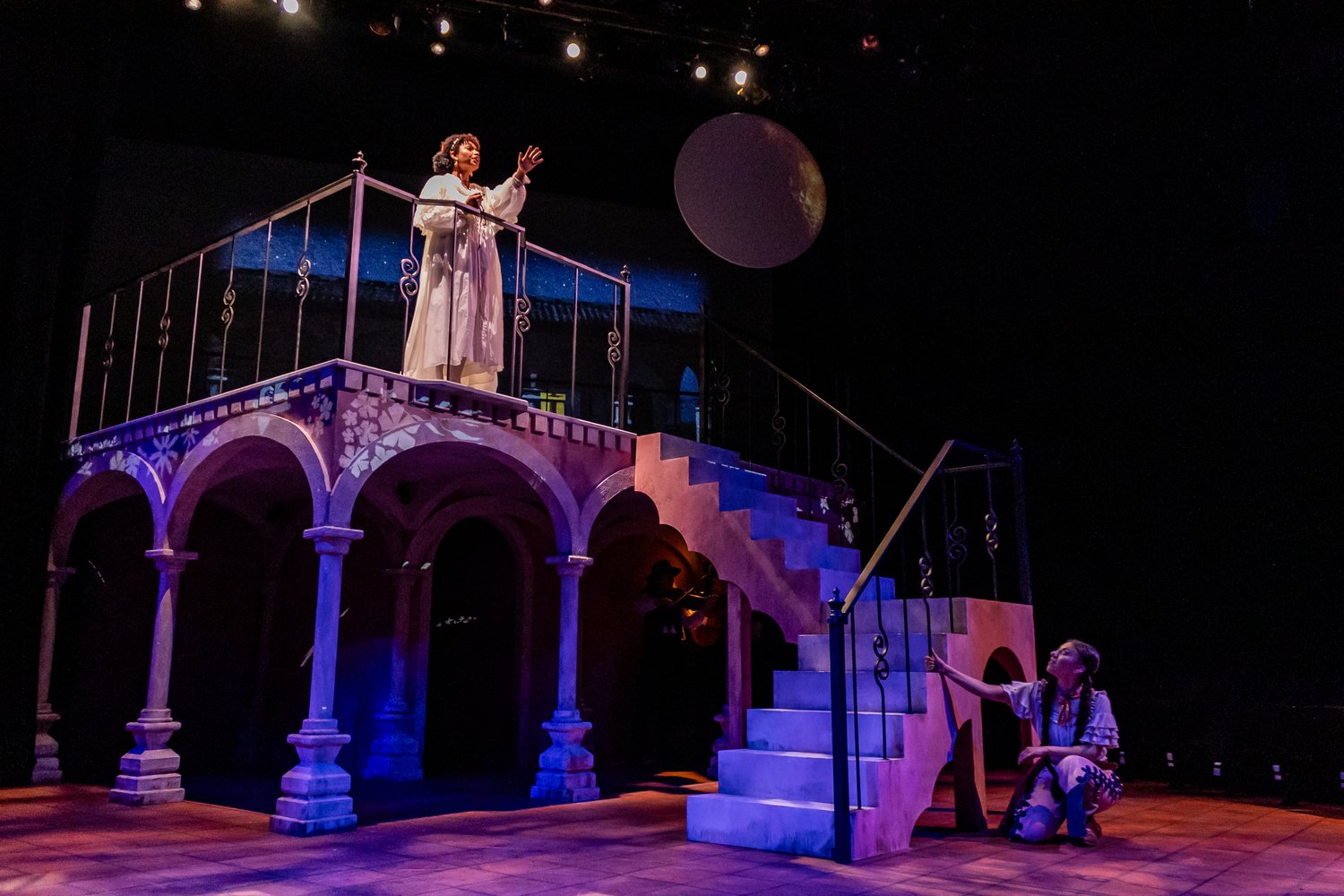
While working toward my MFA, I designed the scenery for our historical and queer retelling of Romeo and Juliet entitled “Romeo y Juliet”. I had two incredible assistants that created a sense of community and support that I had not felt before, and truly made the story come to life. My collaborators on the creative time and I were in constant conversation of how to support one another and what we needed, from fabric choices of a screen, to automated projection surfaces, to practical lighting throughout the audience, to blood packs hidden in gorgeous gowns. This project was my first time getting to research the US Invasion in depth and allowed me to explore another culture in its entirety while keeping my own queer eye on the storytelling. The director and I always knew what each other were thinking, and it made for a dear friend for life. She has also become involved with my costume side of things as well, and we still talk about how incredible of a time we had.

Romeo y Juliet, source: Logan Smith

3. How do your personal experiences and cultural background influence the stories you want to tell on stage?

Sometimes they do, and sometimes they don’t, and I think it’s important to be able to tell the story both ways. When I tell a story about queer people, I try and give individuality to those onstage through their environment or their garments from their faux wardrobe. Feeling othered, feeling alone, or feeling empowered and proud. When I’m conveying a plot that is not of my own personal experience, I love being able to listen and relish in a moment or feeling I do not have familiarity with. Find the root of that emotion, and convey it concretely.

Usually without words or narration, but finding a way to translate my language of design into someone’s language of reception. All to say it’s finding the human experience of it all and pretending we’re the bystander or creator for a split second, and making a new community of my own for a minute in my head.

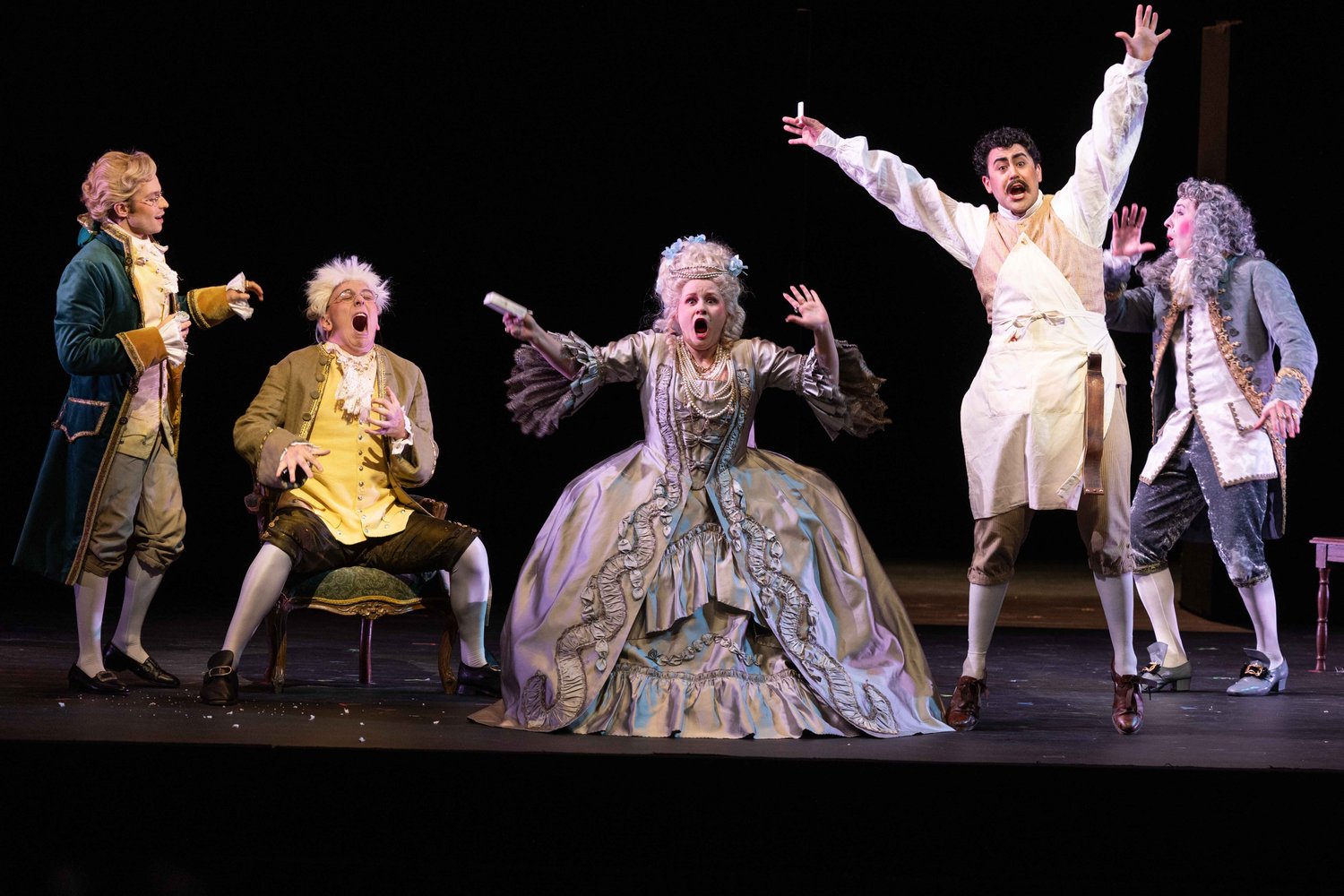
Il Barbiere di Siviglia, source: C. Stanley Photography

4. What's the biggest challenge you have faced as an artist, and what keeps you motivated to push forward?

Lately with the political climate, it’s hard not to feel hopeless. I feel it a lot. I look at the news and the countless headlines of discrimination, hatred, and demoralization. Two things have kept me going, my support system of family and friends, and theatre. I have been someone who has utilized musicals and comedies to push myself forward, as it’s a way to escape the outside world. Theatre has allowed me to heal, grow, and flourish in my truest self and be celebrated for it. Sometimes, I go to a drama to see that what I’m feeling is real and shared with those I don’t know. For those I do know, I call on the phone. I’ll do it while drawing, walking, scrolling, all of it. It helps me feel not alone when the world outside is crumbling, that I have shared experiences and being able to discuss these things gives a sense of being in control. I check in on friends who are more directly affected than me, and make sure they’re ok, and crack a joke or two or give a dramatic retelling of my day to cheer us both up. Just these simple connections help such a dehumanizing time feel even a little more whole.

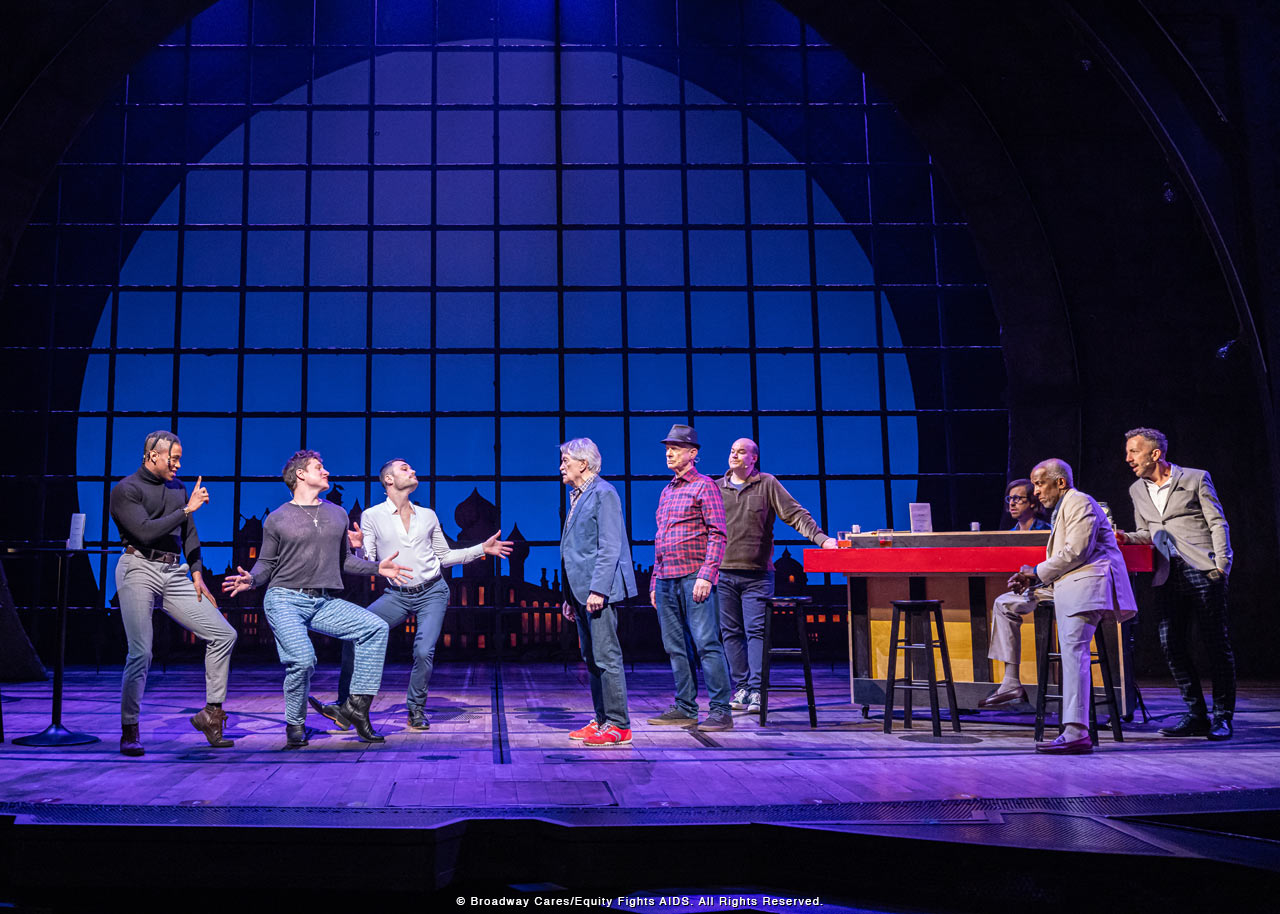
Memory, source: Marc J. Franklin and Michael Hull 

5. How do you hope your work will connect with people or leave an impact?

I want to be a producer of joy. Someone who can help those looking for a new experience, can feel joy in something I did. Whether it be a full living room to feel warmth, the comedic relief character to make you laugh, or even a gold button you see for a second that looks shiny enough to catch your eye. We won’t always succeed or feel that joy, and not every emotion you encounter will be filled with happiness, nor is it meant to. The least we can do is march on and search for the light at the end of the tunnel, and I’ll design the tunnel along the way.

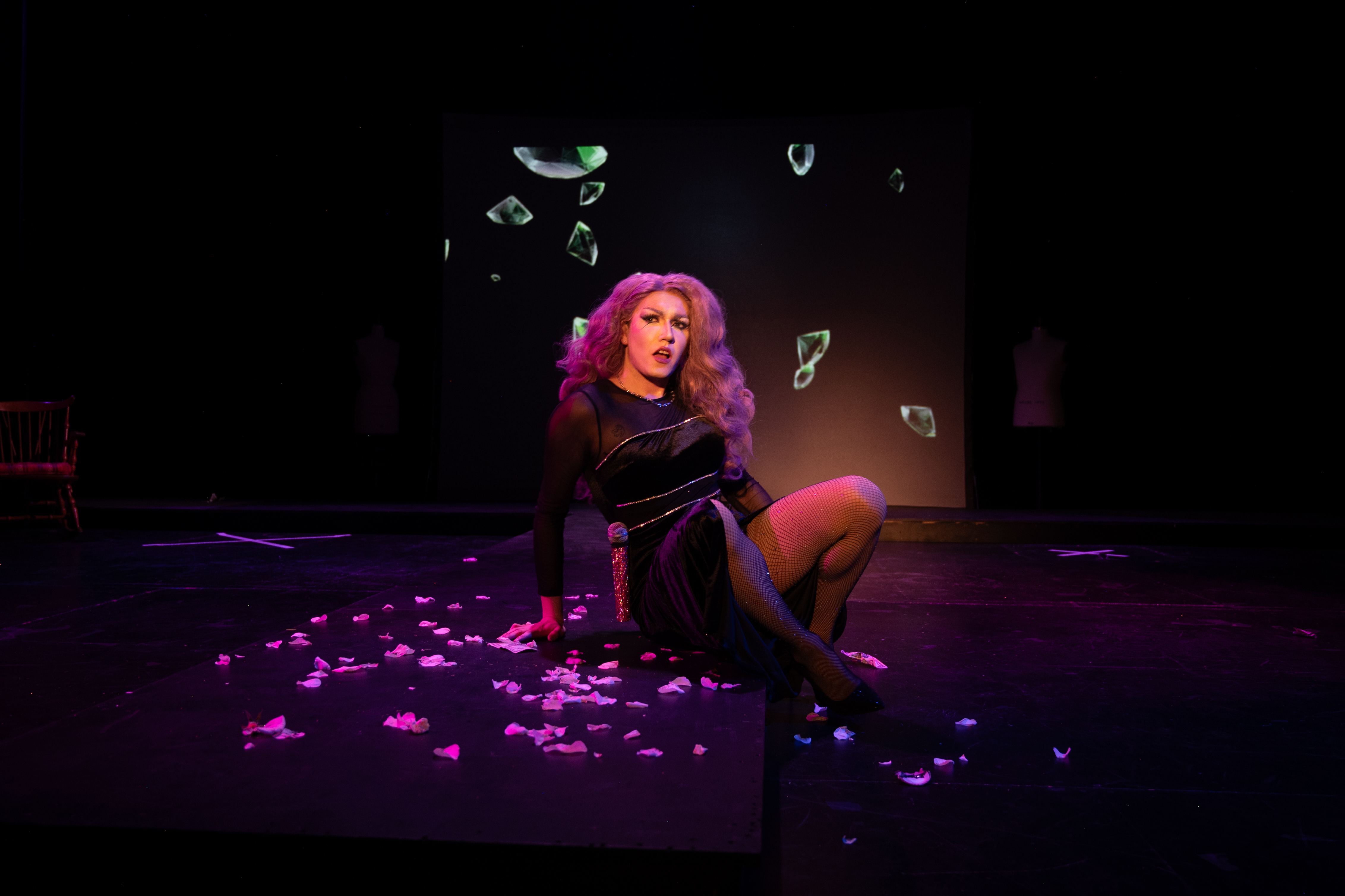
You Can't Drag Us Down, source: Gavin Stawnato

Support artists—share this

More like this, twice a month.

Off-Book is the Skene newsletter for artists and makers. Profiles, opportunities, and editorials, free. New subscribers also receive the 2026 Performing Arts Survival Guide.

About the Author

Leave a Reply

Your email address will not be published. Required fields are marked *

Abingdon Theatre Company - Season 34

RELATED POSTS.

FREE FOR ARTISTS

Get the 2026 Performing Arts Survival Guide.

Practical career guidance for performing arts artists and makers. Take it with you.