
Emilio Bastré: Fragile Enough for a Strong Connection.
Emilio Bastré is a Mexican actor and member of the Compañía Nacional de Teatro whose work lives at the intersection of freedom and craft.
Emilio Bastré is a Mexican actor and member of the Compañía Nacional de Teatro whose work lives at the intersection of freedom and craft.

Six essential plays by Black British playwrights that American theatres should be producing — from Natasha Gordon to debbie tucker green.
Meet Mexican lighting designer Victor Zapatero, whose work blends observation, emotion, and creative intention. Discover his artistic philosophy.

Actor and playwright whose work moves between personal honesty and theatrical confrontation, building stories that leave no edges sanded down.

Scenic designer and Skene founder on community, mentorship, and building a creative career, in conversation with Mitzi Avila of Creative Blueprints.


“Once I focus on my own habits, I make the sincere aspiration to do everything possible to not add more polarization to the world […] It is a work in progress.”
-Pema Chödrön
I studied for fifteen years—from preschool to high school—at a coeducational school run by a religious order in my hometown of León, Guanajuato, Mexico. From that time, I carry both happy and painful memories. Among the former, I cherish the moments shared with friends who remain an important part of my life. Among the latter, I can’t forget the bullying I endured in almost every grade I attended there.
I was a diligent, responsible, and studious student. I was on a scholarship for academic excellence all the way through university. I never liked competing or fighting to test my strength against others. I’ve been skinny, I’ve been overweight, but I’ve never been muscular or athletic (despite my efforts). During recess, I preferred reading and drawing over playing soccer. How I hated that the school forced us to participate in soccer matches on Saturdays! Supposedly, it was an “internal integration activity” that counted toward our grades.
I was a different kind of kid. Then again, all human beings are. We all have distinct genetic makeups—even identical twins have differences. It’s a beautiful paradox, isn’t it? We are all the same in being different.
Even so, I can say that my interests and personality were, statistically, less common than those of most of my male classmates. As a result, I was never one of the “popular” kids. On the contrary, they were usually the ones calling me “weakling,” “fag,” or other slurs to mock and insult me. Throughout my childhood and adolescence, I often heard the dreaded phrase, “I’ll see you after school,” only to be met with shoves or punches. The anxiety this caused was unbearable. Many times, I showered in cold water and went to bed with wet hair, hoping to get sick so I wouldn’t have to go to class—something I later depicted in one of my first solo plays in 2010.
“Una vez que pongo el foco sobre mis propios hábitos, hago la aspiración sincera de hacer todo lo posible para no añadir más polarización al mundo (…) Es un trabajo en progreso”
-Pema Chödrön
Estudié quince años -desde preescolar hasta preparatoria- en un colegio mixto dirigido por una orden de religiosas en mi natal León, Guanajuato, México. De ello, conservo recuerdos tanto felices como dolorosos. De los primeros, destaco los momentos vividos con amistades que siguen siendo parte importante de mi vida. De los segundos, no olvido el acoso escolar que viví prácticamente cada grado que cursé allí.
Fui un alumno aplicado, cumplido y estudioso. Estuve becado por excelencia académica hasta la universidad. Nunca me gustó participar en competencias, ni pelear para medir mi fuerza con otros. He sido flaco y he sido gordo, pero jamás musculoso ni atlético (vaya que lo he intentado). En los recreos, prefería leer y dibujar que jugar al fútbol. ¡Cómo detestaba que, en la escuela, intentaran forzarnos a participar en partidos de soccer los sábados! Supuestamente, era una actividad “de integración interna” que contaba para nuestras calificaciones.
Yo era un niño diferente. Bueno, todos los seres humanos lo somos. Tenemos patrimonios genéticos distintos. Hasta los gemelos idénticos presentan contrastes. Es una hermosa paradoja, ¿no?: todas las personas somos iguales en el hecho de ser diferentes.
Aun así, puedo afirmar que mis gustos y mi forma de ser eran, estadísticamente, menos comunes que los del resto de mis compañeros varones. Por tanto, nunca fui de los “populares”. Al contrario, generalmente eran ellos quienes me decían “debilucho”, “joto”, “maricón” o “puto” para burlarse e insultarme. A lo largo de mi infancia y adolescencia, muchas veces escuché el conocido “te espero a la salida”, para recibir empujones o un puñetazo. La angustia que esto produce es terrible. Varias veces me bañé con agua fría y me dormí con el cabello mojado, esperando enfermarme para no ir a clases -esto, por cierto, lo plasmé en una de mis primeras obras unipersonales, en 2010.

The dark truth is that I, too, was part of the bullying—at least by omission. I remember a classmate who was attacked, both physically and verbally, in the cruelest ways. I never spoke up, and at times, I even joined in on the mockery. I repeated those taunts just to save my own skin in that social food chain. Out of survival, out of fear. And even out of malice. Nothing justifies it. Nothing. That’s why I believe that, in the process of social dialectics, those of us who belong to any form of dissent must be careful not to become what we once swore to overthrow.
There was one person who made a difference by fiercely defending me from the boys who harassed me: my first friend, Anna Valeria. This is significant to me because, in a society so rigidly defined by traditional gender roles, it was unusual for a boy and a girl to be best friends. Boys only hung out with boys, and girls with girls—unless one had a crush on the other. In that case, he would tease her a bit to get her attention and play at being a couple. But Anna and I ignored all of that, and we’ve been like siblings since we were three years old.
When I started college, things fortunately changed. I found myself in a large, diverse, and mature student community (though some people still acted like teenagers). However, due to my past experiences, by then my personality had already been shaped by certain values, beliefs, and prejudices. It’s this last aspect that I want to reflect on.
I’m somewhat introverted and shy. Starting a conversation with a stranger is usually difficult for me. Theater has helped me a lot in overcoming this, but socializing still requires great effort, especially if I’m interacting with someone who loves soccer or whom I would typically consider “the popular kid.”
And flirting at a bar, club, or party? Forget about it—I’ve never been able to do it. Everything gets more complicated when physical beauty—or what is considered beauty in our social order—comes into play (I wrote about this in my previous column).
Lo oscuro es que yo también formé parte del acoso, al menos por omisión. Recuerdo a un compañero al que agredían -física y verbalmente- de la manera más cruel. Nunca dije nada al respecto e, incluso, me uní a una que otra burla. Llegué a repetirlas para salvar mi pellejo en esa cadena alimenticia. Por supervivencia, por miedo. Y hasta por malicia. Nada lo justifica. Nada. Por eso creo que, en el proceso de dialéctica social, quienes conformamos alguna disidencia debemos cuidarnos de convertirnos en aquello que juramos derrocar.
Hubo una persona que sí hizo la diferencia, al defenderme a capa y espada de los chicos que me molestaban: mi primera amiga, Anna Valeria. Ello me es relevante ya que, en esa sociedad marcadísima por los roles tradicionales de género, no era habitual que una niña y un niño, como nosotros, fueran mejores amigos. Los chicos sólo se juntaban con los chicos, y las chicas con las chicas. Salvo que a uno de ellos le gustara una de ellas. Entonces, la molestaba un poco para llamar su atención y jugar a ser novios. Pero Anna y yo siempre ignoramos esas ideas, y somos como hermanos desde los tres años.
Cuando inicié la carrera, la situación afortunadamente cambió. Me encontré en una comunidad estudiantil grande, diversa y adulta (aunque hubiera algunas personas que aún actuaban como adolescentes). Sin embargo -como resultado de mis experiencias previas- para ese entonces mi forma de ser ya estaba desarrollada con valores, creencias y prejuicios. Sobre este último tema quiero reflexionar.
Soy algo introvertido y tímido. Por lo general, me cuesta iniciar una conversación con desconocidos. El teatro me ha ayudado mucho a rehabilitar este aspecto; pues socializar me implica un gran esfuerzo, sobre todo si interactúo con una persona aficionada al soccer o a la cual típicamente consideraría “el popular de la escuela”.
Y ni hablar de coquetear en un bar, antro o fiesta… nunca lo he logrado. Todo se me complica cuando se integra el ingrediente de la belleza física -o lo que se considera como tal en nuestro orden social- (hablé de esto en mi columna anterior).

I believe that the rejection and mockery I faced for not being “manly enough” in my early years left a lasting trauma. When those insults become internalized, it’s difficult to see oneself as strong or attractive. That probably led to my years-long feeling of inferiority to attractive and popular people. Even though I’ve worked on it, it still happens. The scars from my childhood remain.
—But don’t panic. We all have traumas. I’m not trying to play the victim—I already played that role for many years with no positive results. I’m simply analyzing my own case.—
As a defense mechanism, I built my self-worth around intellect and crafted a social persona rooted in that identity, dismissing many things—such as personal appearance, physical attractiveness, and soccer—as superficial and idiotic. Voilà! The result is a prejudice born from a wound. And if we’re truly honest with ourselves, who doesn’t have them?
Understanding where these biases come from doesn’t mean justifying them, but it does help me dismantle them. I can’t have a critical view of the world or question the aesthetic, racist, and consumerist system we live in if I don’t start by questioning myself (of course, saying it is easier than doing it).
Prejudices can stem from our emotional wounds. But they also have other important roots—history, culture, socioeconomic status, and, of course, privilege. While they often emerge as a self-preservation strategy fueled by fear, they also contribute to the extreme polarization that plagues our society today.
Organizations like the World Economic Forum and the Barcelona Centre for International Affairs warn that political and ideological polarization is among the greatest risks to humanity in 2025. The violence it generates is undeniable. That’s why dismantling prejudice, day by day, is crucial. It’s a lifelong effort, and to do it, we must first recognize that we have them. Naming the monster is the first step in taming it.
Creo que el rechazo y las burlas por no haber sido suficientemente “hombrecito” en mis primeros años me generó un trauma. Cuando se interiorizan esos insultos es difícil asumirse como fuerte o atractivo. De eso probablemente se derivó el sentirme inferior a la gente guapa y popular durante años. Aunque lo he trabajado, aún me sucede. Mis cicatrices de la infancia siguen presentes.
– Pero tranquilos, que no cunda el pánico. Todos tenemos traumas. No busco jugar a la víctima. Ese papel ya lo interpreté por muchos años sin resultados positivos. Sólo analizo mi caso–
Como mecanismo de defensa, he construido mi propia validación a partir de la intelectualidad y de crear mi propio personaje social en esa lógica, catalogando muchas cosas -entre ellas la atención a la imagen personal, a la apariencia física y al fútbol- como superfluas e idiotas. ¡Voilá! El resultado es un prejuicio nacido de una herida. Y si hacemos un análisis íntimo y honesto, ¿quién no los tiene?
Entender de dónde vienen no es para justificarlos, pero sí me ayuda a erradicarlos. No puedo tener una mirada crítica del mundo y cuestionar el sistema aspectista, racista y consumista en el que vivimos, si no empiezo cuestionándome a mí mismo (claro, es más fácil decirlo que hacerlo).
Los prejuicios pueden nacer de nuestras lesiones emocionales. Aunque también hay otras raíces importantes como la historia, la cultura, la situación socioeconómica y, por supuesto, el privilegio. Si bien surgen como estrategia de preservación sustentada por nuestros miedos, también alimentan la terrible polarización actual de nuestra sociedad.
Organizaciones como el Fórum Económico Mundial y el Centro de Asuntos Internacionales de Barcelona advierten que la polarización político-ideológica destaca entre los principales factores de riesgo para la Humanidad en 2025. La violencia que esto genera es innegable. De ahí la importancia de derribar prejuicios, día tras día. Es una labor que abarca toda la vida, y para ello, es necesario reconocer que los tenemos. Nombrar al monstruo es empezar a domarlo.

As I write, I realize that there are also things I have managed to work through. Among them, I now understand that the classmates who bullied me were perhaps acting from their own conditioning and wounds. Over time, I learned that several of them, unfortunately, grew up in fractured families with a double standard (something very common in my city).
Understanding this helps me appreciate my family, value my friendships, let go of anger, and dissolve resentment. It’s incredibly freeing. Recently, I’ve run into some of them, and while we are not friends, we greet each other genuinely and warmly.
Similarly, I have great friends who love soccer. While I may never share their passion, I have learned to accompany them and to observe soccer analytically as a cultural phenomenon.
I have also met with people with whom I strongly disagree. Not long ago, I had an intense conversation with a friend whose vision of what a family is—both personally and politically—is radically opposed to mine. At first, sparks flew in the discussion. But little by little, we let down our defenses and exposed our wounds.
When that happened, a deep and calming sense of listening and understanding emerged. This didn’t mean that either of us renounced who we are—far from it. What it did mean was that we explored new ground that, in the end, strengthened us and allowed us to coexist without imposing on each other.
The idea for this text partly comes from my experience at Mon Laferte’s Autopoiética Tour, which has been a turning point in my life in many ways. Especially because it allowed me to connect with people I never imagined working with or forming close bonds with.
Mientras escribo, me doy cuenta de que también hay cosas que he logrado trabajar. Entre éstas, ahora comprendo que los compañeros que me molestaban quizá actuaban desde sus propios condicionamientos y lastimaduras. Con el tiempo supe que varios de ellos, desafortunadamente, crecieron en ecosistemas familiares fracturados y de doble moral (muy común en mi ciudad).
Asimilarlo me ayuda a agradecer por mi familia, a valorar mis amistades, a que la rabia amaine y a disolver el rencor. Es muy liberador. Recientemente me he encontrado con algunos y, aunque no seamos amigos, nos saludamos genuina y afectuosamente.
De igual modo, tengo grandes amistades que disfrutan del fútbol. Si bien quizás nunca comparta ese gusto, he aprendido a acompañarles y a observar analíticamente el soccer como fenómeno cultural.
Asimismo, me he reunido con personas con las que discrepo de manera pronunciada. Hace poco tuve una intensa plática con una amiga cuya visión de lo que es una familia se opone radicalmente -en lo personal y en lo político- a la mía. Al principio salieron chispas en la discusión. Luego, poco a poco, nos fuimos quitando las corazas y exponiendo las heridas.
Cuando sucedió, se abrieron una escucha y un entendimiento de una profundidad tranquilizadora. Ello no significó que ni ella ni yo renunciáramos a quiénes somos, en absoluto. Lo que sí implicó es que exploráramos otros terrenos que, al final, nos fortalecen y nos permiten coexistir sin imponernos.
La idea de este texto surge, en parte, de mi experiencia en el Autopoiética Tour de Mon Laferte, el cual ha sido un parteaguas en mi vida de muchas maneras. Especialmente por permitirme convivir con personas con las que jamás hubiera imaginado trabajar o entablar lazos cercanos.
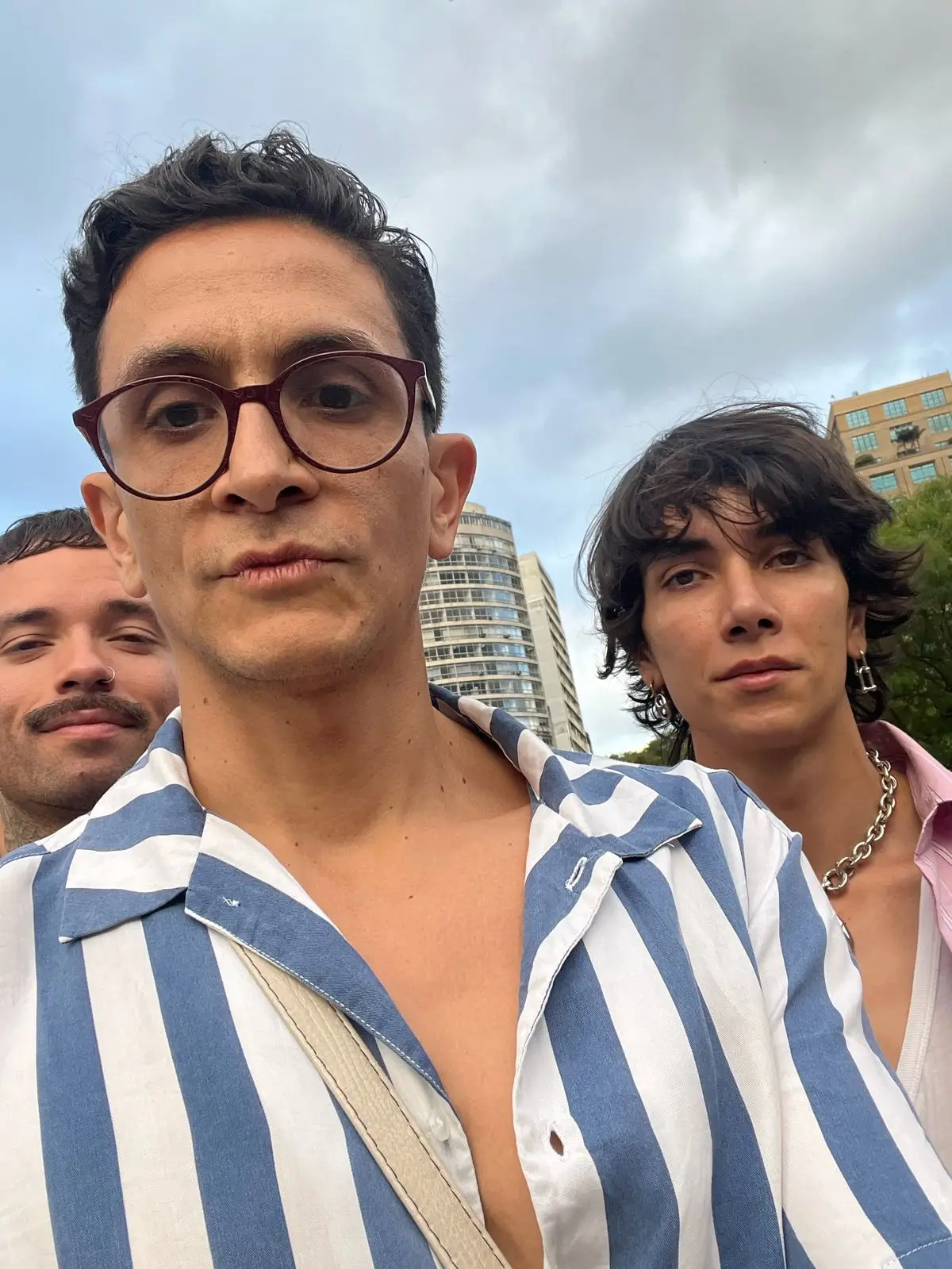
That’s how it happened with Sebastián and Daniel. Sebas is a dancer like me, and Dani is the stylist in charge of the image and wardrobe. While we agree on many aspects, we are diametrically opposed in many others. For example, they are considerably more extroverted than I am. And, moreover, they are handsome men. Due to my prejudices, I never thought I could connect with people like them at any point in my life.
To my surprise, they—and the tour itself—have moved me to reconcile with my image in many ways. Sebastián has practically become my brother, confidant, and a safe haven; he is a teacher who has helped me untangle my own labyrinths. And Daniel has confronted me to break down personal walls and has given me valuable lessons in solidarity and loyalty. It has been unexpectedly beautiful to get to know each other in both the light and the dark, and to slowly see who we really are.
Prejudices always get between us and prevent us from knowing the truth. To disperse their fog, it is essential to understand our emotional wounds. In this way, we can neutralize polarizing discourses and ignore outdated preconceptions that prevent us from knowing human beings who could be transformative in our lives. Like when I met Anna, Sebas, or Dani.
I won’t lie. Sometimes I feel that none of what I describe will change the self-destructive destiny that humanity seems to be heading toward. Then I remember that it is the small actions that can become the pivot of great revolutions; “give me a place to stand and I will move the world,” said Archimedes.
So, let’s give ourselves the opportunity to step out of our familiar zones; outside of them, where life may hide great, unexpected treasures.
Así me pasó con Sebastián y Daniel. Sebas es bailarín junto conmigo, y Dani es el stylist encargado de la imagen y el vestuario. Si bien coincidimos en varios aspectos, somos diametralmente opuestos en muchos otros. Por ejemplo, ellos son considerablemente más extrovertidos que yo. Y, además, son hombres hermosos. Debido a mis prejuicios nunca pensé que podría relacionarme con personas así en algún punto de mi vida.
Para mi sorpresa, ellos -y la gira misma- me han movido a reconciliarme con mi imagen, de muchas maneras. Sebastián se ha convertido prácticamente en mi hermano, confidente y en un refugio seguro; es un maestro que me ha ayudado a desenredar mis propios laberintos. Y Daniel me ha confrontado para derribar muros personales y me ha dado grandes lecciones de solidaridad y lealtad. Ha sido inesperadamente bello el poder conocernos en lo luminoso y lo sombrío; y poder ver, poco a poco, quiénes somos realmente.
Los prejuicios siempre se interponen entre nosotros y nos impiden conocer la verdad. Para dispersar su bruma es primordial entender nuestras lesiones emocionales. Así, podemos neutralizar los discursos polarizantes e ignorar preconcepciones rancias que nos impiden conocer seres humanos que podrían ser trascendentes en nuestras vidas. Como cuando conocí a Anna, a Sebas o a Dani.
No mentiré. A veces siento que nada de esto que describo cambiará el destino autodestructivo hacia el que la Humanidad parece encaminarse. Luego recuerdo que son las pequeñas acciones las que se pueden volver el pivote de las grandes revoluciones; “dame un punto de apoyo y moveré el mundo”, dijo Arquímides.
Entonces, démonos la oportunidad de salir de nuestras zonas conocidas; fuera de éstas, la vida nos puede esconder grandes tesoros inesperados.
Support artists—share this
Off-Book is the Skene newsletter for artists and makers. Profiles, opportunities, and editorials, free. New subscribers also receive the 2026 Performing Arts Survival Guide.


We use cookies to optimize our website and our service functionalities.
Practical career guidance for performing arts artists and makers. Take it with you.