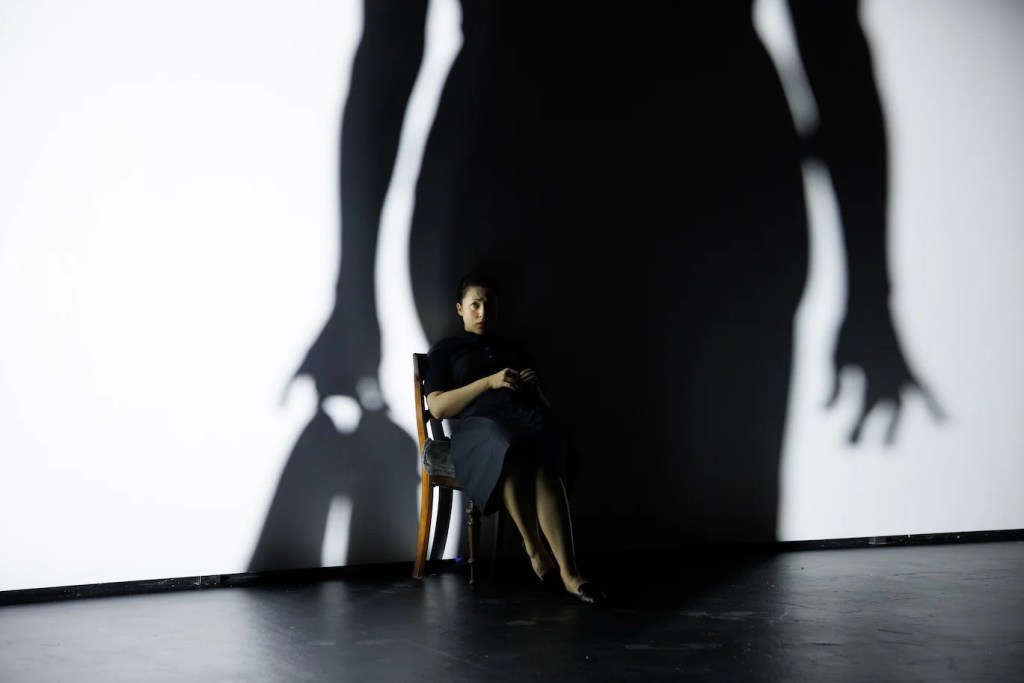




The dawn breaks on an era of existence.
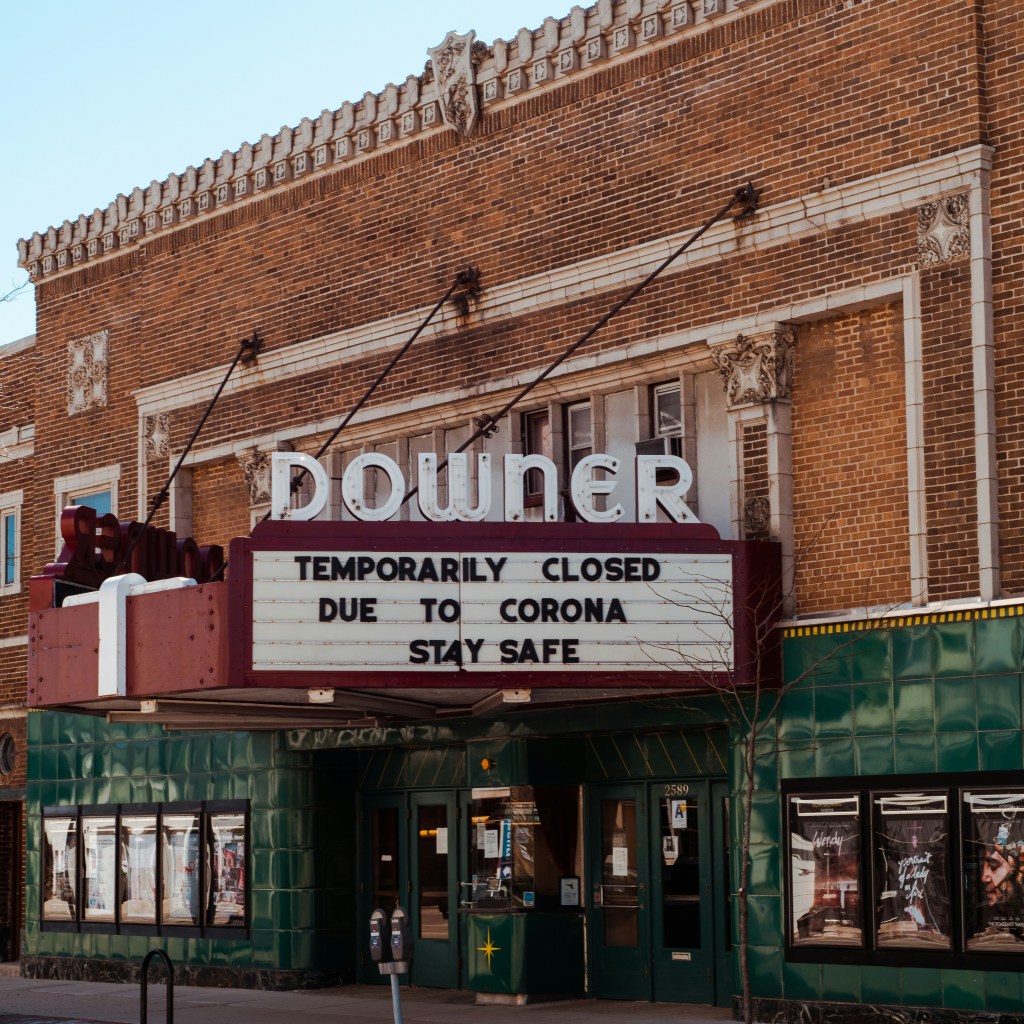
In 2020 when the global pandemic forced theatres to close their doors and stop all performances abruptly due, to health concerns and safety measures imposed by governments around the world; it led to a situation for the theatre industry as a whole with performers such as actors and actresses; designers responsible for creating sets and costumes; technicians in charge of lighting and sound systems; as well as theatre creators finding themselves without their usual sources of income or opportunities to showcase their talents to live audiences in a shared space filled with communal energy and emotional connection.
While some theatre organizations tried to adapt by shifting their performances through platforms or streaming services; the lack of face to face interactions and direct contact, between performers and audience members created a void that affected both parties deeply on an emotional level.
Now as theatres strive to bounce from these times and regain stability in the wake of ongoing uncertainties; they are confronted with new obstacles that continue to put their strength and ability to endure under pressure.
Dealing with challenges. Adapting to changes, in audience demographics.
The pandemic has had an effect, on the performing arts sectors finances as per a study from the National Endowment for the Arts indicating that theatre earnings plummeted by close to 80%.
Although government assistance and emergency aid offered some relief for struggling companies in need of help during closures resulted in small scale companies being shuttered permanently.The return of audiences hasn’t guaranteed ticket sales; many theatres note attendance rates ranging from 20 to 30 percent, below pre pandemic levels.
The change, in audience behavior is one factor behind this shift in the entertainment industry landscape. With the rise of streaming services making entertainment more accessible than before some customers are taking longer to return to venues. Additionally others express worries, about health. Face limitations. In response theaters need to come up with strategies to attract viewers back while navigating the changing climate.
Useful Stats

The Employment Dilemma. Exhausted. The Wave of Resignations
The pandemic exacerbated a labor issue, within the theater sector as numerous arts professionals sought stable job prospects amidst financial uncertainty Many workers have opted out of returning to the industry according to a survey conducted by the Theatre Communications Group Nearly a third of those in the theater profession are no longer part of the workforce Those who continue in their roles often grapple with heavier workloads caused by staffing shortages resulting in stress and discontentment, within the industry
Theater unions and organizations advocating for pay rates and benefits are striving for working conditions; however progress has been sluggish thus far.
The lingering inquiry is whether the sector can adequately cater to its employees to ensure a career path, within the theater realm again.
As theaters strive to attract audiences they are exploring various new presentation styles and locations. Performances tailored to sites interactive encounters and open air shows are becoming more popular providing ways to connect with the community. Certain organizations have embraced approaches by incorporating online streaming choices to connect with viewers worldwide.
Local and community theaters have also taken initiative to fill the voids left by the shutting down of establishments.These venues are nurturing talents within their communities.
Crafting shows that mirror the narratives and issues to their own neighborhoods.This shift, towards localized theater scenes could potentially result in an more inclusive theatrical environment.
The pandemic highlighted issues, within the theater industry such as vulnerabilities and disparities in funding and accessibility.With efforts to rebuild underway it presents a chance to enact transformations.Some influential figures in the sector are promoting increased government backing akin, to the arts funding systems seen in Europe that prioritize investment in endeavors.
Moreover numerous theaters are reassessing their selection of shows to encompass a variety of perspectives and narratives in response, to societal shifts, towards inclusivity and diversity that emerged during the pandemic. These changes are influencing decisions related to casting, recruitment, and narrative approaches.
Useful Stats
The Path Forward. A Tale Yet to Be Completed
The theater industry has endured through times of plagues, wars and economic downturn in the past. Will overcome this crisis too; however its sustainability, in the future hinges upon its ability to evolve and adjust to a transformed world paradigm.
Key measures such as rebuilding trust with the audience ensuring funding sources and nurturing artists are essential, for fostering an lasting theatrical environment.
If you’re a fan of theater and want to show your support is the time—attend shows regularly and speak up for funding, for the arts while acknowledging the significant impact live performances have on our cultural scene! The performance must continue with everyone chipping in to make sure it does.