Latest posts.

Victor Zapatero: Light Holds Memory.

Meet Mexican lighting designer Victor Zapatero, whose work blends observation, emotion, and creative intention. Discover his artistic philosophy.

Get Featured or Publish with Skene!

Teresa Alvarado: A Vision Behind the Magic.

source: Teresa Alvarado

For art director and scenographer Teresa Alvarado, storytelling isn’t just a tool—it’s the purpose. From early inspiration watching Les Misérables at age 12 to leading large-scale digital productions for Disney, Alvarado has dedicated her career to creating spaces that move audiences. Her work spans theatre, television, and immersive installations, always grounded in a deep commitment to visual narrative and emotional impact.

Her breakthrough came when she was asked to design the Disney Vault for a global immersive experience. Starting as a concept artist, her scenographic knowledge quickly propelled her into the role of digital art director—an experience that unified her skills across mediums and forever shifted her understanding of design. Whether designing layered haunted houses or crafting atmospheres for virtual worlds, Alvarado approaches each project with a rigorous, story-first process.

Now an educator and mentor as well, she draws inspiration from her students and from anyone working toward transformation against the odds. Through her evolving practice, she continues to explore the rich possibilities of mixed media, theatricality, and technology. Read all about it in this new edition of PROFILES.

advertising
partner content

Teresa Alvarado

she/her
Art Director & Scenographer
Mexico
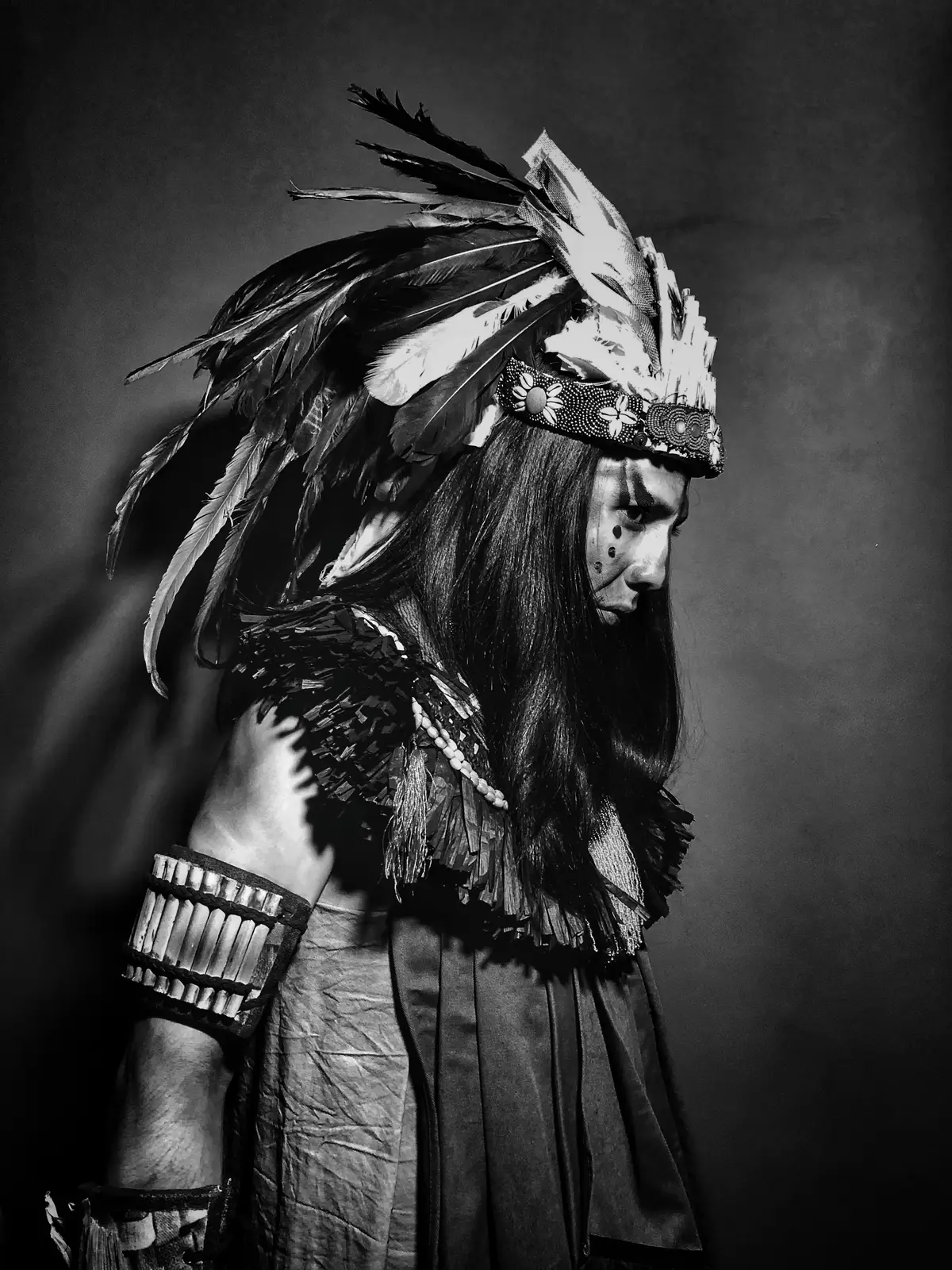
Opera Cinema El Ocaso, source: Teresa Alvarado

1. What sparked your interest as an artist and how has that spark evolved over time?

What sparked me is the need of Storytelling and to share new experiences with visual narrative to the audience, that is my motor, to help to tell the story in a better way , it doesn’t matter if is traditional, digital or mixed media art. To make someone else feel the same thing I felt with theatre when I saw Les Miserables when I was 12 is my goal , I was in shock by that time when I saw how theatre was a universal language , so I want audience to feel the same with new spaces and atmospheres . That is what I teach , and that has been what keeps me studying more everyday.

Asian Environment for Video Game, source: Teresa Alvarado

2. Can you share the story behind one of your favorite works and what it means to you?

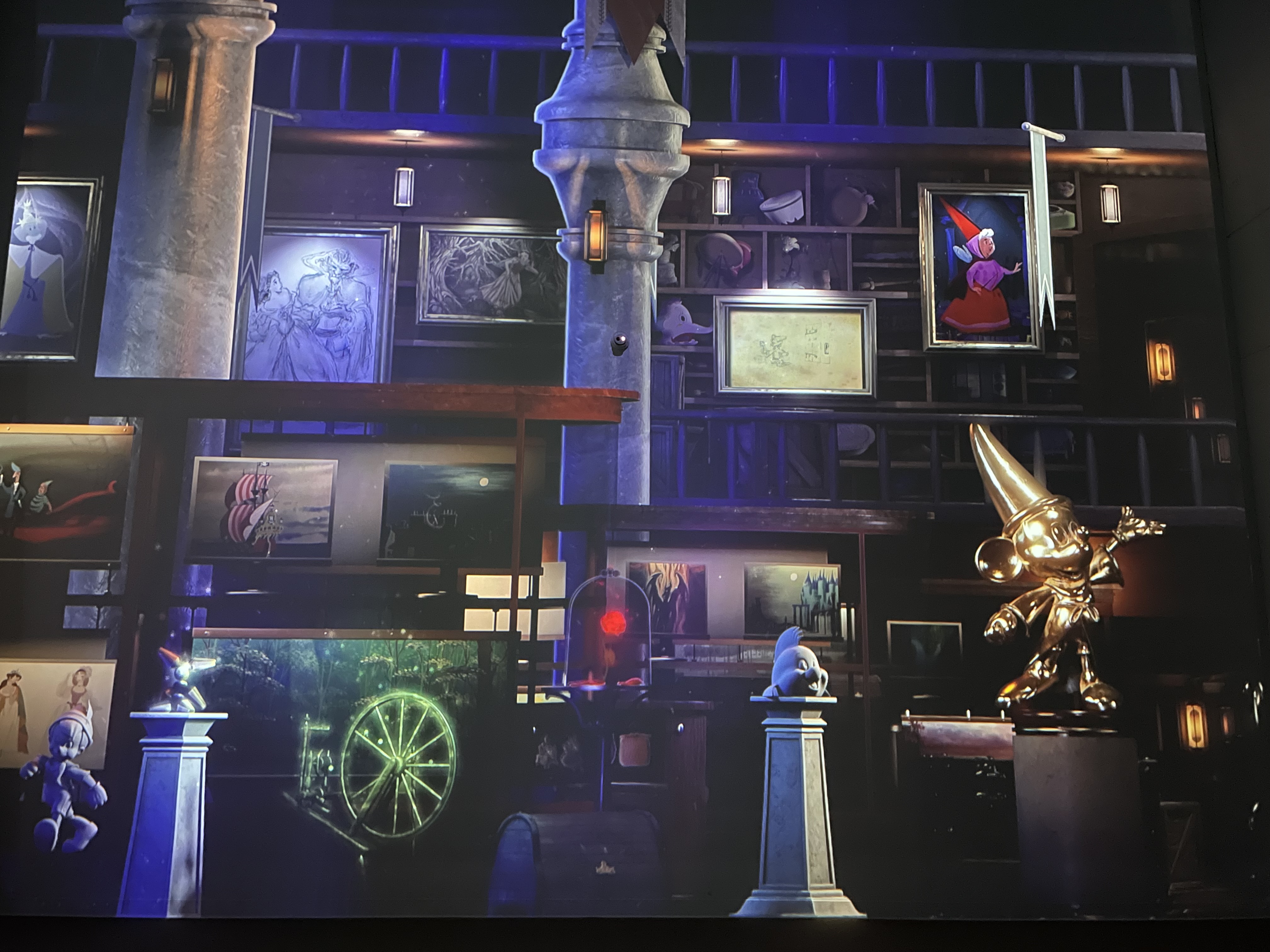
It’s iconic for me the moment I was confronted to my first art direction for a digital project, designing the Disney vault, a virtual new environment for Disney immersive experience worldwide. Before I had done some art direction for tv and theatre but it was different. I was hired for this project by Cocolab, a Mexican company specialized in immersive experiences. I started the project as a concept artist, and then because of my scenography knowledge, it was assigned to me the design of the magical vault, and as soon as I started I became the digital art director of the scene and later of the hole project. I had to design the vault for a physical space I didn’t know, so I had to imagine everything because we had a virtual model but it wasn’t enough. The concept was to create a magical space that reveals all the fantastic props that are important for every Disney movie in an infinite space. I had to be precise in technical elements as the scale, composition and tricked the perspective to achieve more depth of field but also focused in the lighting in theatrical way applied to digital, materials and general sensation.

This is the moment I accomplished a dream but also the moment in which all the different disciplines I had learned separately became one, one unique way to understand scenography and set design. It was the moment in which I understood that it does not matter if it’s digital or traditional, it all comes from the same basics. It was a game changer for me as a designer

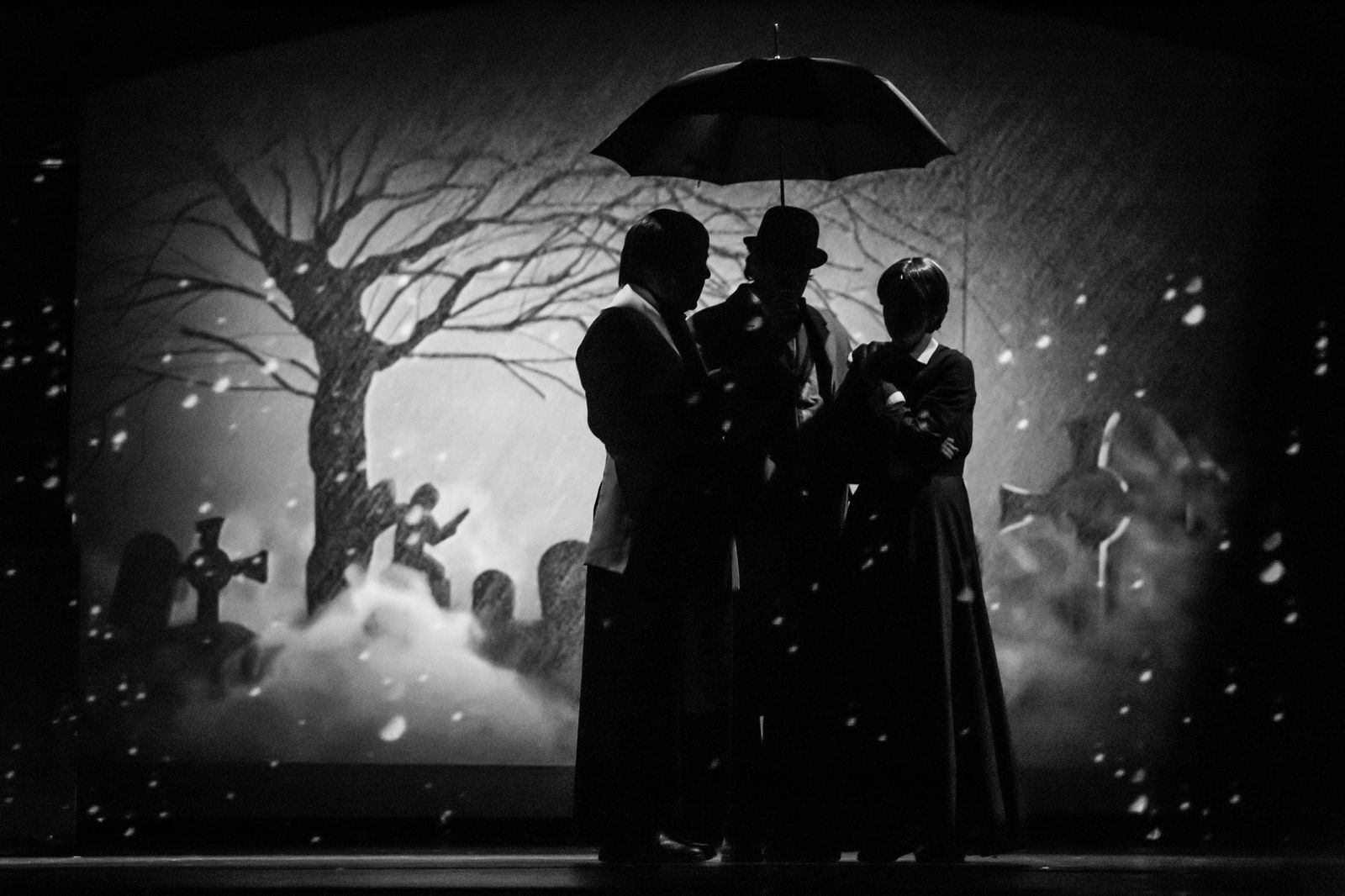
Ghost in the Mirror, source Teresa Alvarado

3. What is your creative process—do you follow a routine or does inspiration come spontaneously?

I do have a methodology but it can change depending of the project, the field I’m working and the director. First I focus on the story and the text analysis, and then space and atmosphere sensation and how it complements the story for the audience dramatic journey. Also do a spatial analysis of how it interacts with characters and narrative, simultaneously I do a lot of research, and finally guided by this I can establish an atmosphere concept, that is what I want to express and felt for the audience. This is shaped by the discursive concept (what I want to say) that will guide the aesthetic concept (look and feel). A lot of mood boards and volumetric sketches are done in a traditional theatre model (not digital for this stage process), I never stay with the first idea because I think that is the obvious answer and I always want to go deeper. For me Design is to have a search process and I work it by layers, first form language, then composition , then space life, transitions and movement language (how it starts, and transforms to its final stage) and finally color, textures and set dressing. This is the basis of a Design process that with a little variations I apply for, concept art, environment design, digital art and art direction. For costume design the analysis focuses in creating a society and the dramatic conflict within characters and how it affects individuals, groups, society behavior, human relations, and character development.

WW2 Environment for Video Game, source: Teresa Alvarado

4. What has been your biggest challenge as an artist and how did it influence your growth?

I think my biggest challenge is when a project takes me out of my comfort zone , because Its a hard challenge to work in a project in which I don’t know much of the topic or the technics or the methodology that will be used. But this are the ones in which I begin as one person and at the end I’m transformed into a new one and it’s worth it. For example a big challenge for me was to make the scenography of a play called “The ghost in the mirror”, this was a horror project and producers wanted to make it spectacular, but we didn’t have the best theatre conditions, so we had a big technical issue. The play had about 30 different spaces to solve in a Victorian England context. The play had a lot of spectral apparitions and the pitch was to make the hole theatre as a haunted mansion experience. So I designed theatre mechanics for theatre drapery movements, and scenography changes solving the reduced space behind the curtains as a Tetris game, so I also designed the behind the scene choreography for all the elements: props, furniture, etc. This project was the beginning of my digital journey because I used every type of projections that I knew so far but learned new technics and about new equipment, complementing the scenography and projection as one language. Because of the technical complexity I had to design a self-sufficient mechanical system for touring so the scenography would never depend on theatre conditions and the stage set up would be always finished in 6 hours.

Disney Immersive Experience, source: Teresa Alvarado

5. Who or what inspires you the most, and how is that reflected in your work?

I’m a very dreamy and idealistic person, so I’m inspired by all the people that have had a second chance in life , Another great inspiration are my students that are full of dreams or all hardworking persons as Olympic athletes that have goals and want to reach them even tough the journey is not easy. Because I’m the same way, I always have new goals and the path has not been easy always

6. What do you think is the most exciting thing happening in your field right now?

Mixed technics and technology as a whole new artistic language

Las 99 Monedas, source: Millan Foto

7. What advice would you give to artists or creatives who are just starting out?

I would say two things
1- In everything you do as art, think higher, feel deeper and talk clearly
2- Never give up , dreams do come true with hard work, just believe in yourself

8. How do you hope your work will connect with people or leave an impact?

I never thought about that, but I just want to create different universes or societies with the text and help the audience to feel deeper the experience and reach a bigger catharsis.

COCO, Un Concierto para Recordar, source: Teresa Alvarado

Support artists—share this

More like this, twice a month.

Off-Book is the Skene newsletter for artists and makers. Profiles, opportunities, and editorials, free. New subscribers also receive the 2026 Performing Arts Survival Guide.

About the Author

Leave a Reply

Your email address will not be published. Required fields are marked *

Abingdon Theatre Company - Season 34

Related Posts

Gary McCann: Sculpting the Air Itself.

FREE FOR ARTISTS

The 2026 Performing Arts Survival Guide.

Practical career guidance for performing arts artists and makers. Take it with you.