Emilio Bastré: Fragile Enough for a Strong Connection.
Emilio Bastré is a Mexican actor and member of the Compañía Nacional de Teatro whose work lives at the intersection of freedom and craft.

Emilio Bastré is a Mexican actor and member of the Compañía Nacional de Teatro whose work lives at the intersection of freedom and craft.

Six essential plays by Black British playwrights that American theatres should be producing — from Natasha Gordon to debbie tucker green.

Meet Mexican lighting designer Victor Zapatero, whose work blends observation, emotion, and creative intention. Discover his artistic philosophy.

Actor and playwright whose work moves between personal honesty and theatrical confrontation, building stories that leave no edges sanded down.

Scenic designer and Skene founder on community, mentorship, and building a creative career, in conversation with Mitzi Avila of Creative Blueprints.
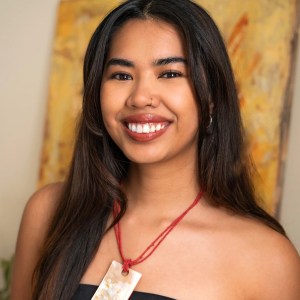
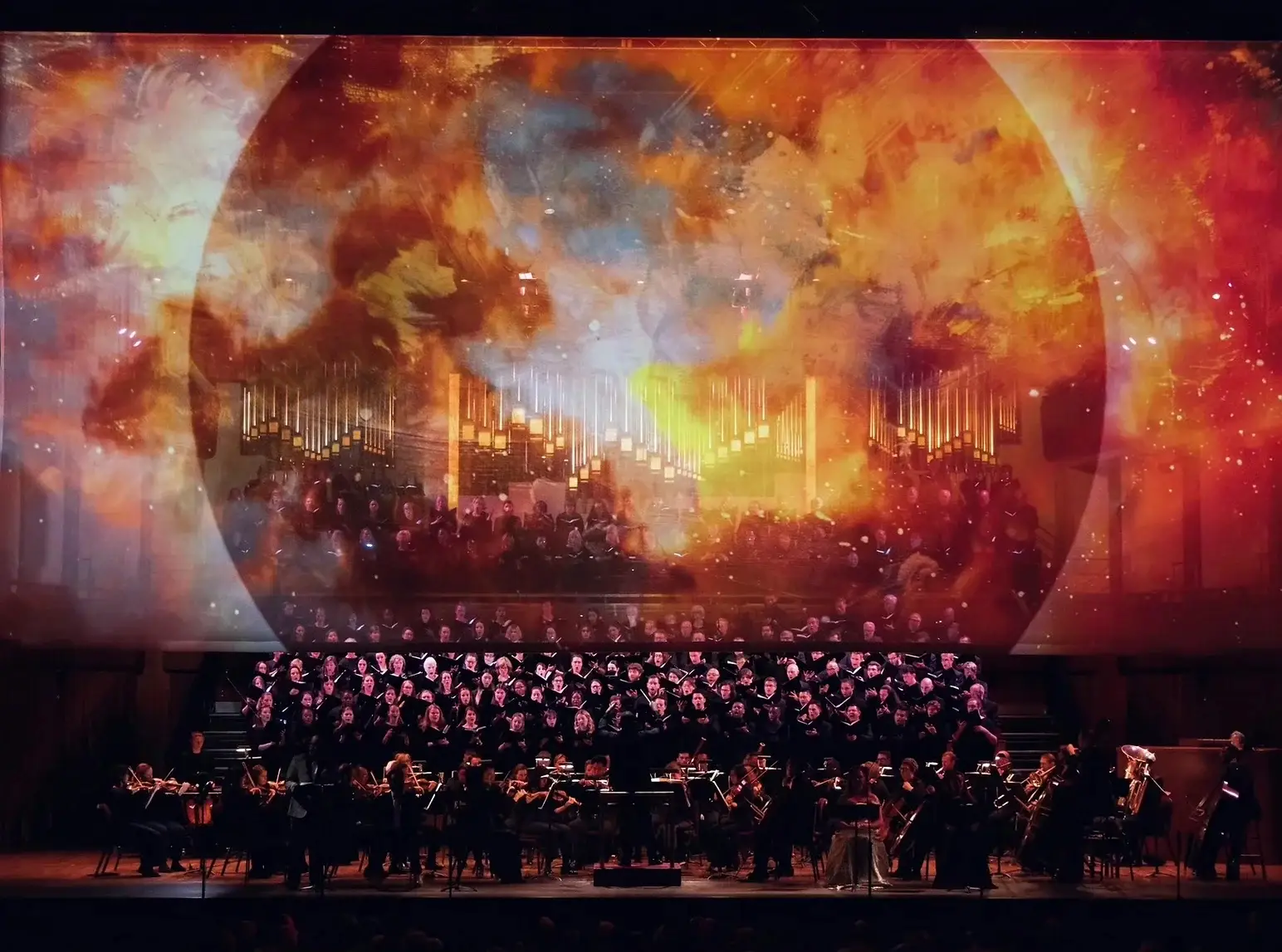
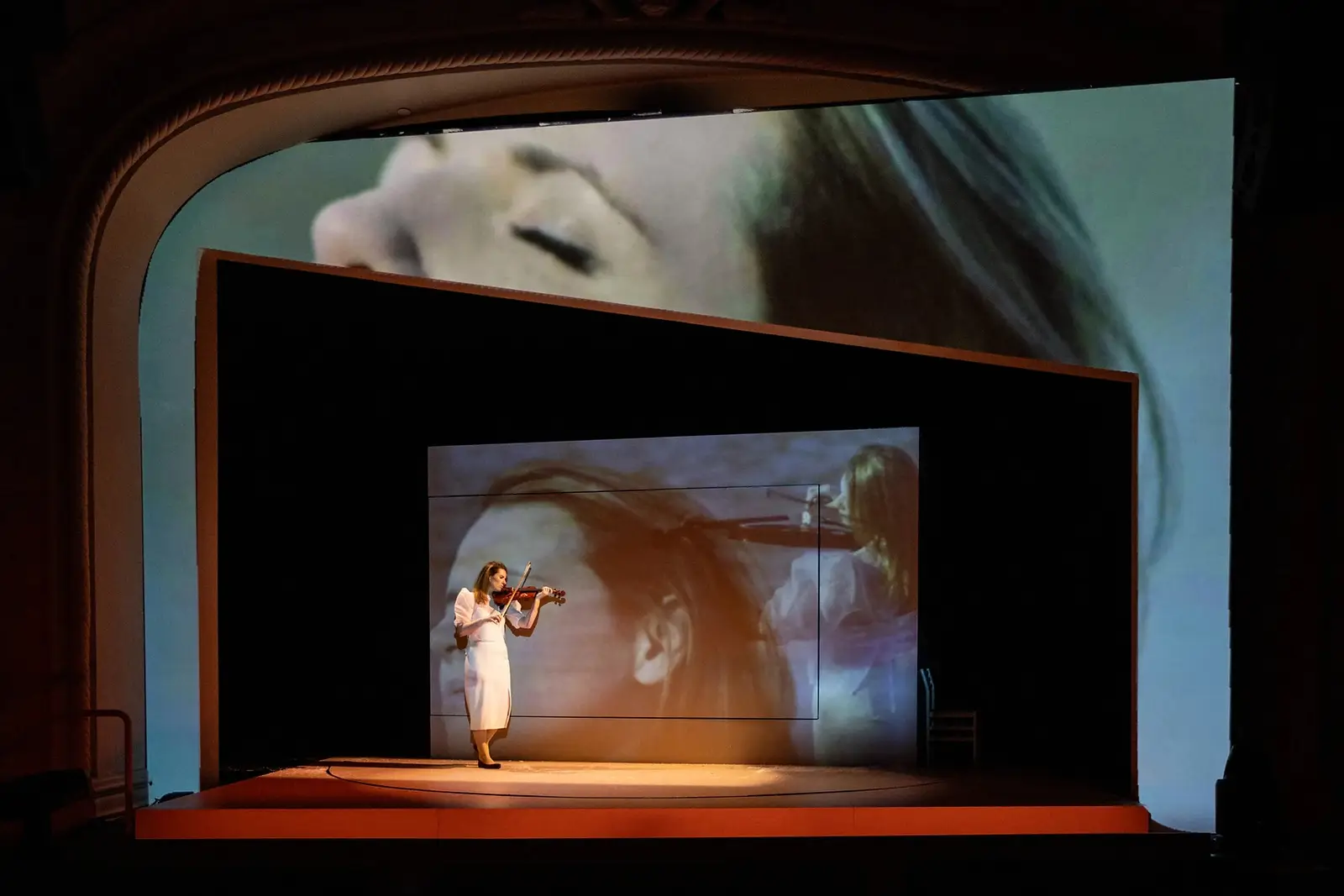
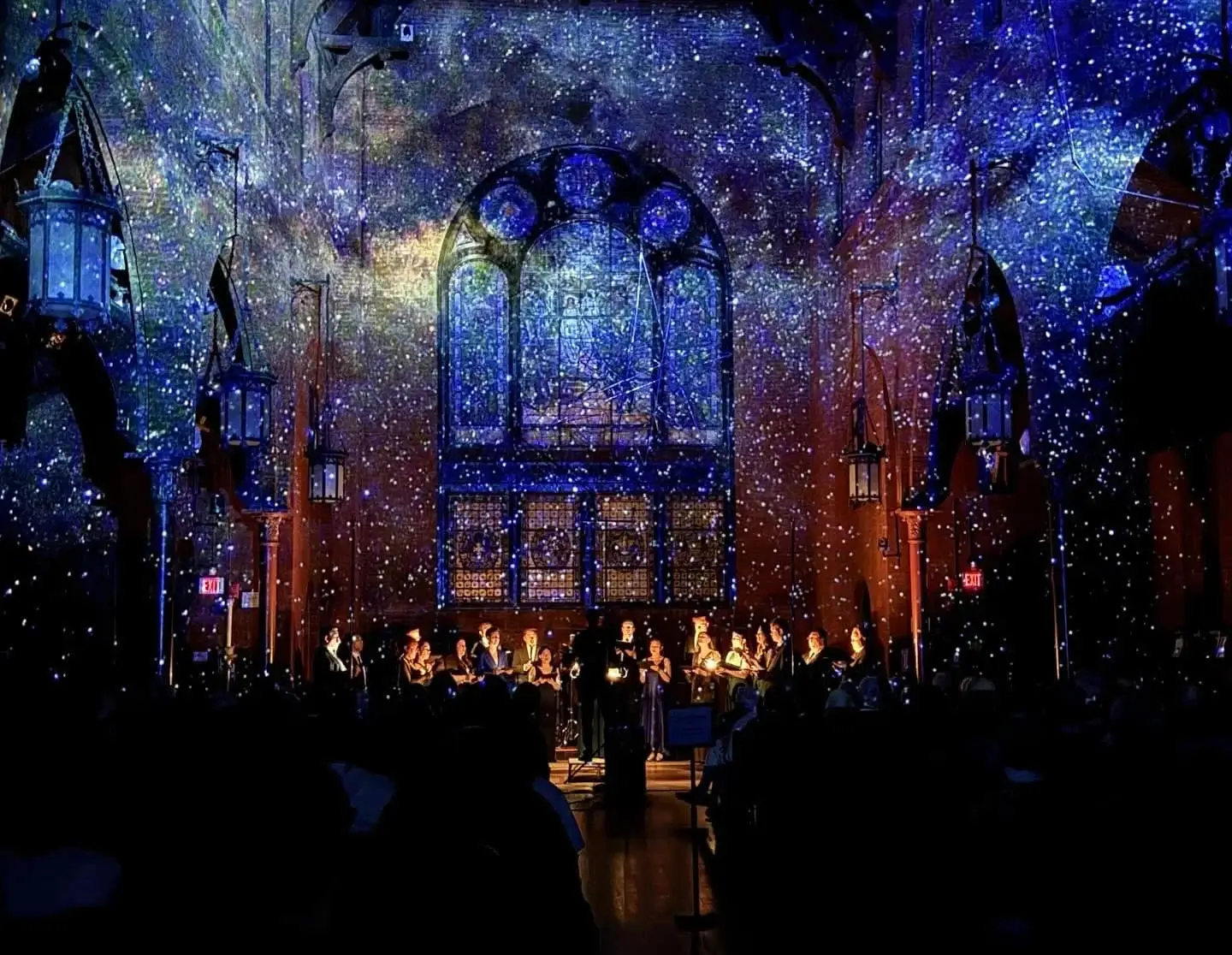
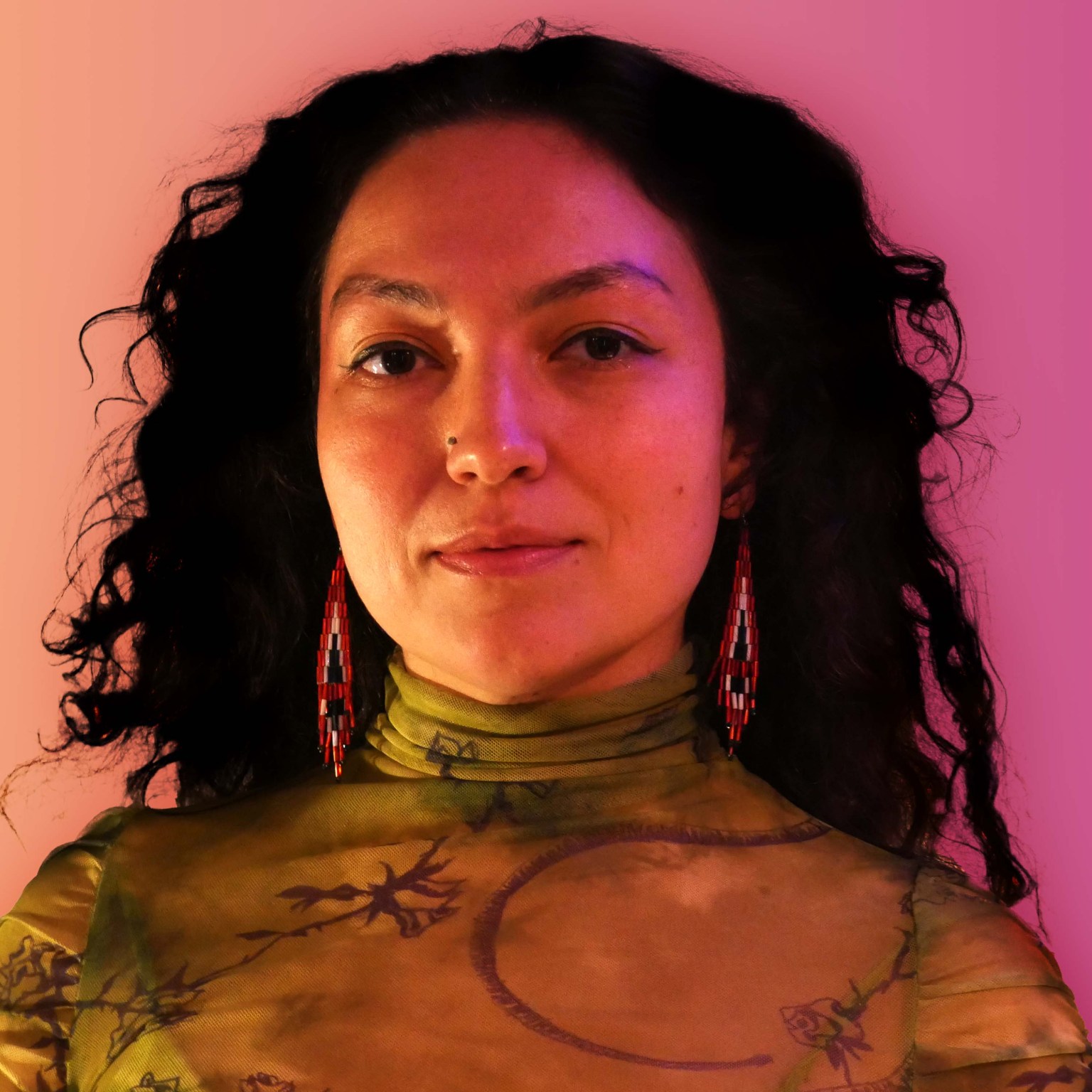
Camilla Tassi doesn’t just light up a stage—she transforms it. Born in Florence and now based in New York, Camilla’s work as a projection designer blurs the lines between image, architecture, music, and story. Her approach is intuitive yet deeply crafted, rooted in collaboration and guided by a belief that design should speak across disciplines and lived experience.
Camilla is an artist who thrives in the in-between: between disciplines, languages, and media. With a background in opera, computer science, and piano, Camilla brings a rare blend of structure and spontaneity to her work. Whether she’s surrounding an actor with immersive visuals or experimenting alongside a team of designers, she’s always asking—how can we connect more deeply?
Camilla’s work reminds us that projection design isn’t just about technology—it’s about storytelling, empathy, and presence. In this edition of PROFILES she invites us not just to watch—but to feel, question, and remember.
I was born in Italy, in Florence, always surrounded by art! Before arriving at projection design, I studied opera singing, computer engineering/computer science, piano, and languages… It was in university that I started staging projects with design, and that led me to pursue a Master’s in theatre projection design at Yale, in the U.S. I’ve been a freelancer for years now and live in New York, but I travel and create.
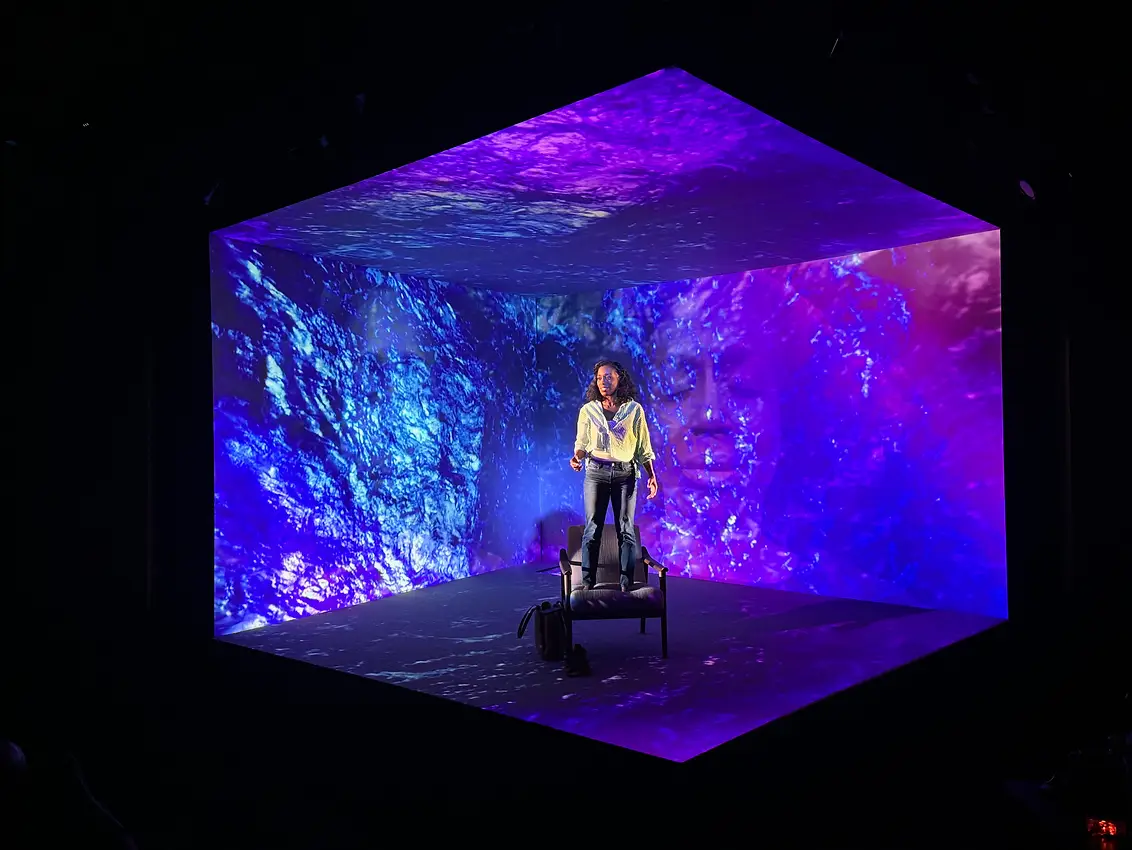
One of my favorite projects was the staging of the play SANDRA in Hartford, a project I completed last year. The ‘floor,’ ceiling, and two walls were all surfaces used for projections—and I was able to surround the actress with images, video… The goal was not to distract from the story, but rather to support it (it’s a play by David Cale). It was a true collaboration with the other artists on the project—lighting, director, sound, costumes… We worked in tandem. We tested effects and saw what worked and what didn’t… The final result was very beautiful and cohesive
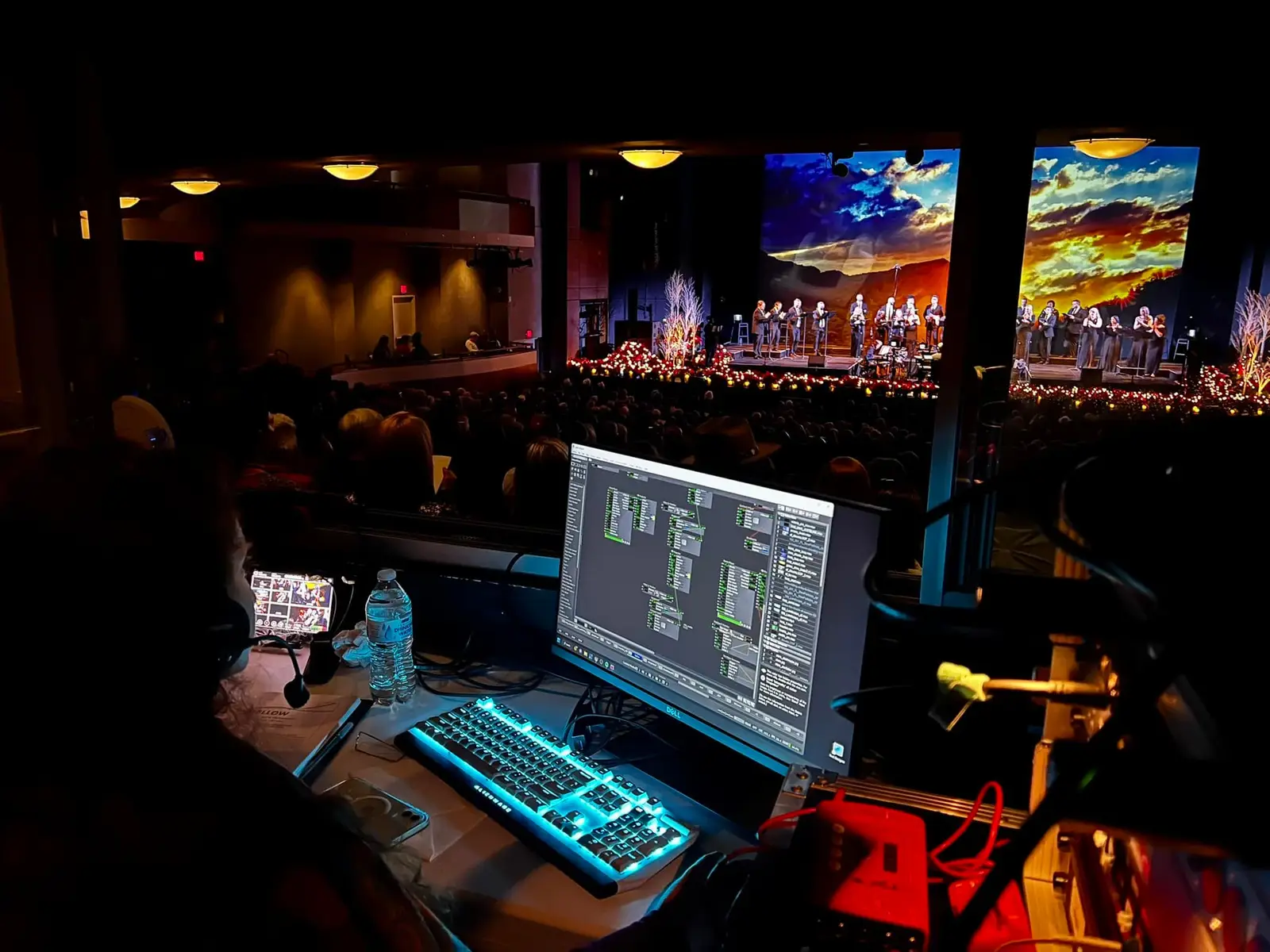
Both things… you need to have discipline and set internal deadlines for yourself, both in organizing and in creating. No one prepares you for how much time you’ll spend writing and replying to emails (in the life of an artist who collaborates on live performance). Sometimes you have to try to ‘force’ inspiration…
As a designer for theatre, opera, and dance… in the end, you yourself are your own ‘business.’ I had to learn how to keep track of even 30 contracts in a single year across 13 different cities. I had to learn how to do taxes as a freelancer—these are things that should be taught in universities and arts programs, because unfortunately, knowing how to make art isn’t enough.
Two people. The first was conductor Carmen Téllez, who created projects that combined different types of art (music, image, etc.), and the second is Wendall Harrington—one of the first women to do projection design here in the U.S., and one of my teachers during my Master’s. The truth is, there are many people who inspire me for different reasons!
Technology is advancing a lot… it’s very accessible to everyone… But in the same way, that also makes it dangerous! We always have to be very intentional with what we create.
Talk to other artists in your same field, especially those who’ve been doing it for a long time. In addition, create your own independent projects with friends. And learn to be organized and patient with others.
The work I do, as a projection designer, is beautiful because I can’t do it alone… I work alongside performers, other designers, architecture, words, music… For me, the goal is to connect with an audience—even if we speak different languages or have had different life experiences.
Support artists—share this
Off-Book is the Skene newsletter for artists and makers. Profiles, opportunities, and editorials, free. New subscribers also receive the 2026 Performing Arts Survival Guide.
We use cookies to optimize our website and our service functionalities.