
Latest posts.

Victor Zapatero: Light Holds Memory.

Meet Mexican lighting designer Victor Zapatero, whose work blends observation, emotion, and creative intention. Discover his artistic philosophy.

Get Featured or Publish with Skene!

Félix Arroyo: The Presence of Memory.

source: Félix Arroyo

Félix Arroyo designs for the moment—and for the memory it leaves behind. A scenographer based in Mexico, Félix views scenic design as a way to build universes that only exist through the presence of others. His work begins in quiet observation and long contemplation, often taking shape through a deeply personal and focused ritual of creation that leaves nothing to chance and everything to imagination.

In this edition of PROFILES, Félix shares the experience of designing and producing Príncipe y Príncipe, a project that tested his creative and entrepreneurial strength and ultimately became a turning point in his career. From lighting televised award shows to crafting visually immersive stage worlds, his work blends aesthetic sensitivity with technical precision. A lover of painting and a fierce advocate for hands-on tools over artificial shortcuts, Félix believes in design that carries the soul of the maker.

With a creative process fueled by stillness, inspiration, and meticulous intention, Félix creates spaces that breathe meaning into stories. Whether through light, structure, or scenographic detail, his goal remains constant: to give audiences not just a performance, but an aesthetic experience they’ll carry with them long after the lights go down.

advertising
partner content

Félix Arroyo

he/him
Scenographer
Mexico
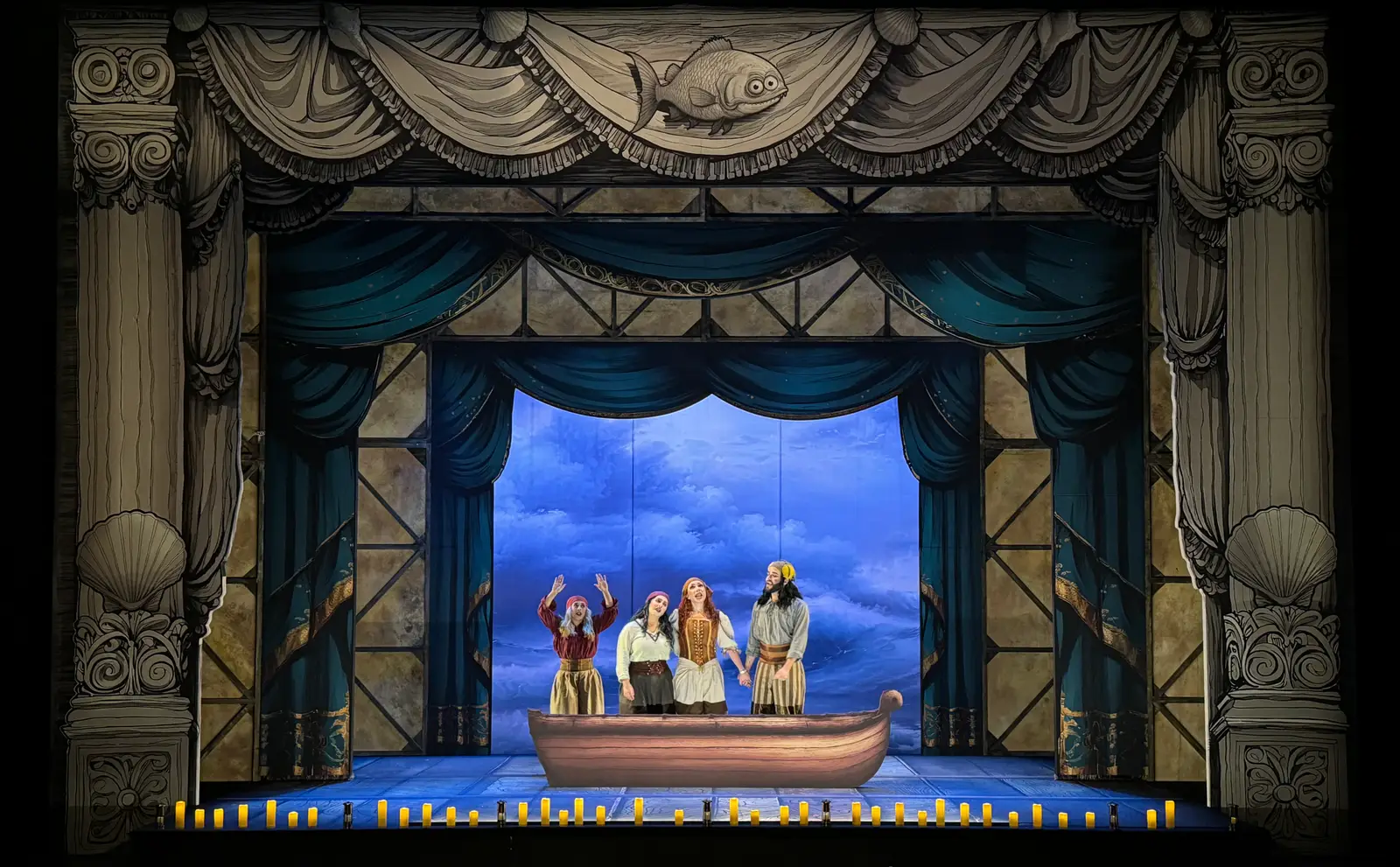
La Mecánica de los Sueños, source: Félix Arroyo

1. What sparked your interest as an artist and how has that spark evolved over time?

Since I was young, I’ve been interested in designing and creating things for others to use. I believe that each branch of design serves a specific purpose within society; however, designing for the stage allows me to create universes that only exist in the moment of performance—and only fulfill their function when witnessed by someone else. It brings me great satisfaction when people have a visual experience with my designs, when actors and stage creators use them, and when each person has a personal encounter with my work.

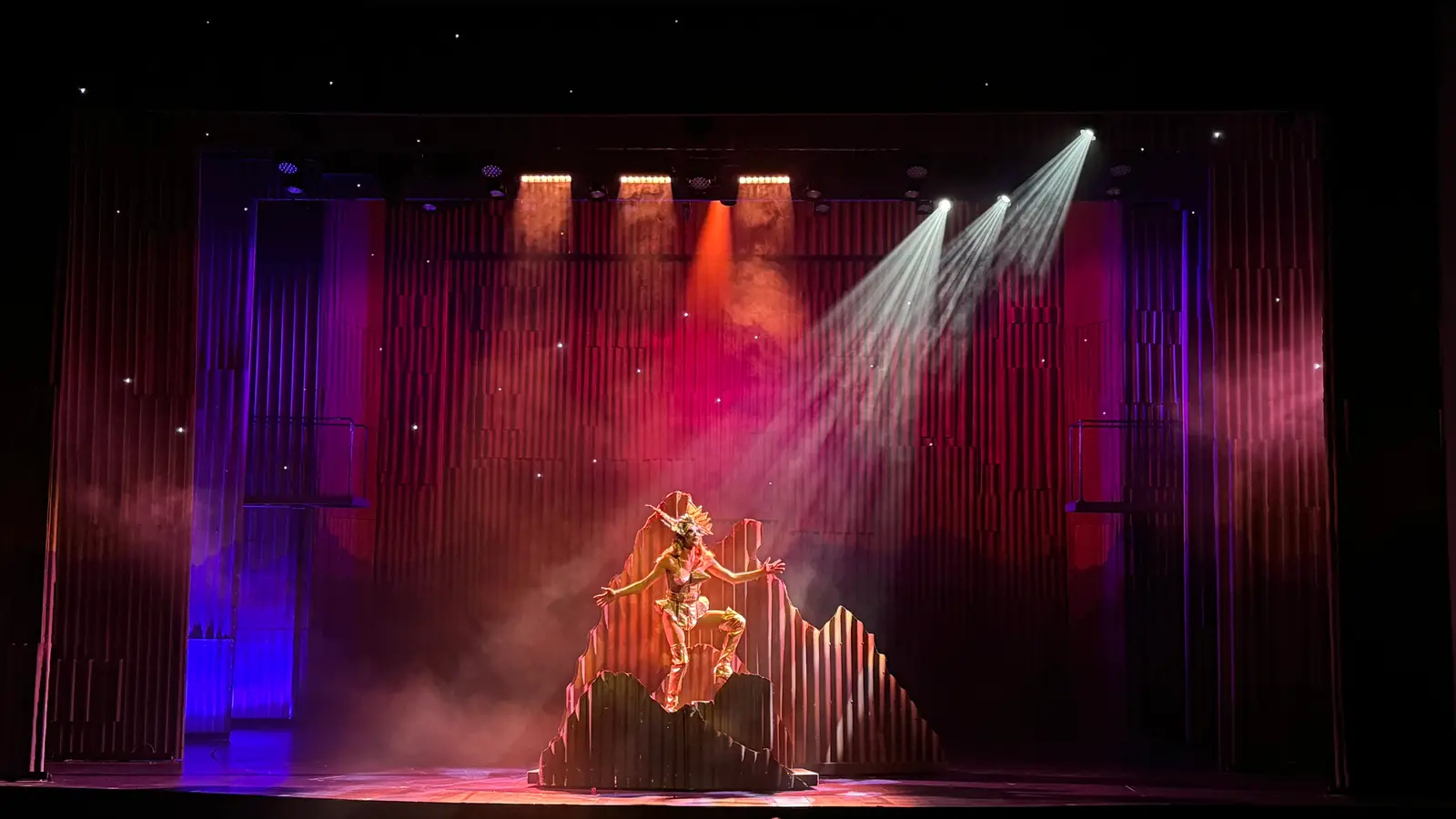
Priscilla, Reina del Desierto, source: Félix Arroyo

2. Can you share the story behind one of your favorite works and what it means to you?

I have a deep love for a production that I not only designed but also produced: Príncipe y Príncipe. For me, it represented the challenge of building a project from the ground up—from a vision in which scenic design had to be fundamental to telling the story, to inviting the cast, the director, and other collaborators, and even investing my own savings into it. After so much dedication, the show premiered to great success. Critics described it as an innovative production and a visual delight worth experiencing. For me, this piece was pivotal—not only because it gave me the experience of producing my own sources of work, but also because it opened the door for others to take interest in my designs and invite me to collaborate with them.

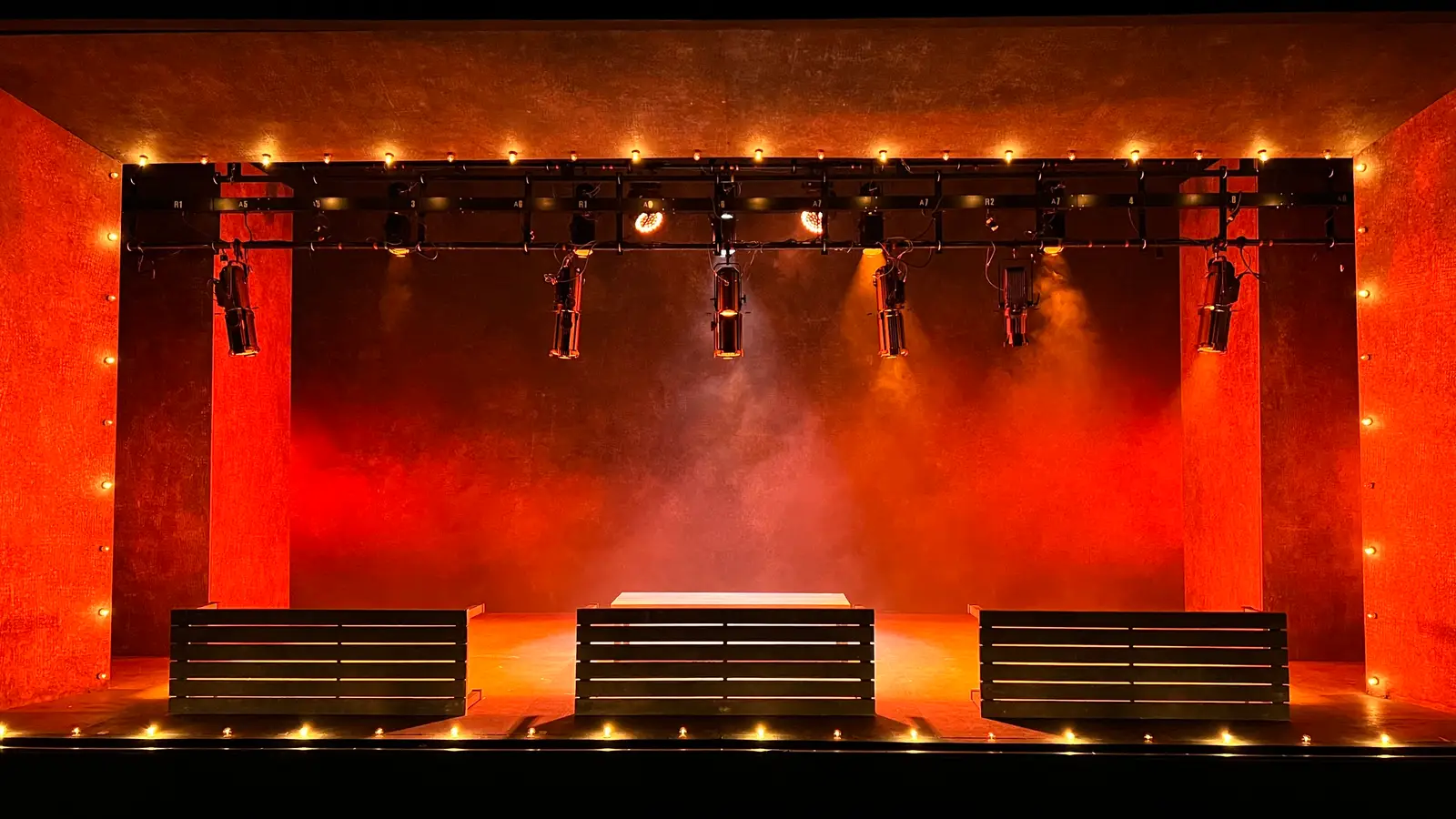
Algodón de Azúcar, source: Félix Arroyo

3. What is your creative process—do you follow a routine or does inspiration come spontaneously?

Once I’m told about a project or read a script, I spend a lot of time just thinking about the piece—not with the intention of drawing or building a scale model or anything like that. I simply think about it. I allow myself to imagine it freely, and only when I’m convinced that an idea might be worth pursuing do I begin to sketch, trying to convince myself why it’s a good idea. I never draw something I don’t already have a technical solution for—this parallel thought process is essential for me.

When my ideas become clearer, I perform a sort of ritual to prepare for a focused work session: I clean my house so I won’t get distracted later, water the plants, take care of my cats, pay the bills—tie up any loose ends. No distractions. Then I sit down at the kitchen table and don’t stop designing until I’m done. I spend days like that, only getting up for essentials—eating, using the bathroom, sleeping—but I don’t leave my workspace until I’ve finished and have material I can share with my collaborators on the project.

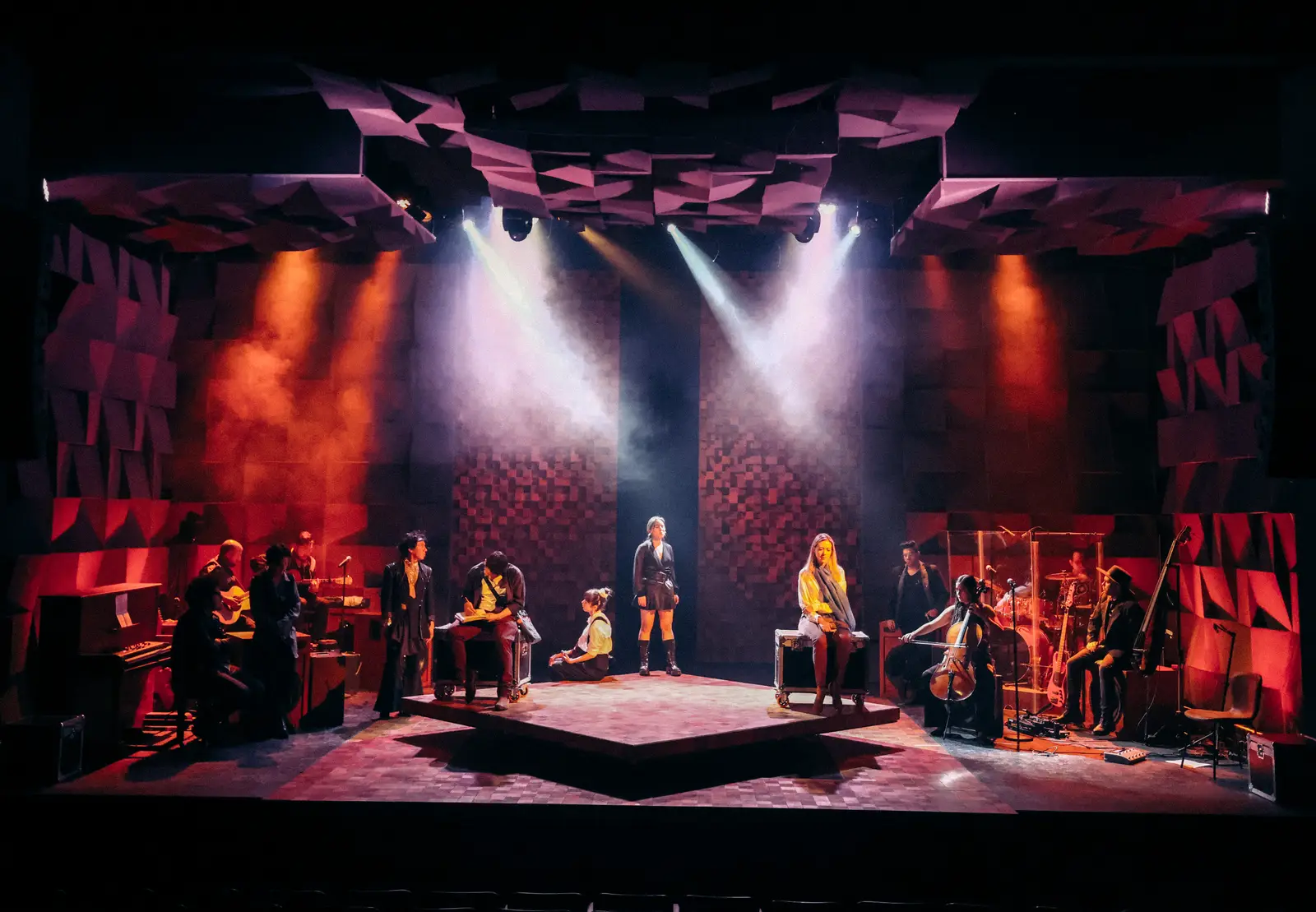
Siete Veces Adiós, source: Félix Arroyo

4. What has been your biggest challenge as an artist and how did it influence your growth?

One of the most important experiences I’ve had was lighting televised award ceremonies. It was essential for gaining new knowledge about how light behaves in relation to cameras, as well as learning how to execute large-scale projects within very short setup times. It helped me understand the technical aspects of lighting, but also taught me how to plan and organize resources efficiently to make everything happen within just a few hours of work on set.

5. Who or what inspires you the most, and how is that reflected in your work?

I enjoy drawing inspiration from painting. I believe painters are remarkable observers of light and drama. They’re able to capture a story and a significant moment in a single image, leaving behind the essence of both space and character. I find inspiration in their work and strive for my own designs to also capture a bit of the deep essence of a production’s universe.

Pedo Melas, source: Félix Arroyo

6. What do you think is the most exciting thing happening in your field right now?

The use of technology in design allows you to visualize your ideas in a much more realistic way. I love being amazed by software that lets you render and apply textures that closely resemble reality, and even take virtual walkthroughs of your designs before spending a single peso on materials. These are incredible tools. In contrast, I believe artificial intelligence strips away the essence of design.

7. What advice would you give to artists or creatives who are just starting out?

Use whatever tools you have at hand to create—none of them are wasted. They’re all valid as long as they help communicate the ideas and concepts you want to express. But be careful with the use of artificial intelligence—never give it the chance to design for you, to replace you. For me, a great artificial intelligence would be one that cleans the house, organizes the bills, and leaves me with the opportunity to create.

Nación Primordial, source: Félix Arroyo

8. How do you hope your work will connect with people or leave an impact?

I would like the audience to remember my work as part of a memorable experience—one that offers an aesthetic experience, in the simplest sense of the concept.

Support artists—share this

More like this, twice a month.

Off-Book is the Skene newsletter for artists and makers. Profiles, opportunities, and editorials, free. New subscribers also receive the 2026 Performing Arts Survival Guide.

About the Author

Leave a Reply

Your email address will not be published. Required fields are marked *

Abingdon Theatre Company - Season 34

Related Posts

Rodolfo Robles Cruz: Art Fights Back.

FREE FOR ARTISTS

Get the 2026 Performing Arts Survival Guide.

Practical career guidance for performing arts artists and makers. Take it with you.