Latest posts.

Victor Zapatero: Light Holds Memory.

Meet Mexican lighting designer Victor Zapatero, whose work blends observation, emotion, and creative intention. Discover his artistic philosophy.

Get Featured or Publish with Skene!

Paulina Treviño: Theatre Will Always Be Home.

source: Germán Nájera/ Iván Flores

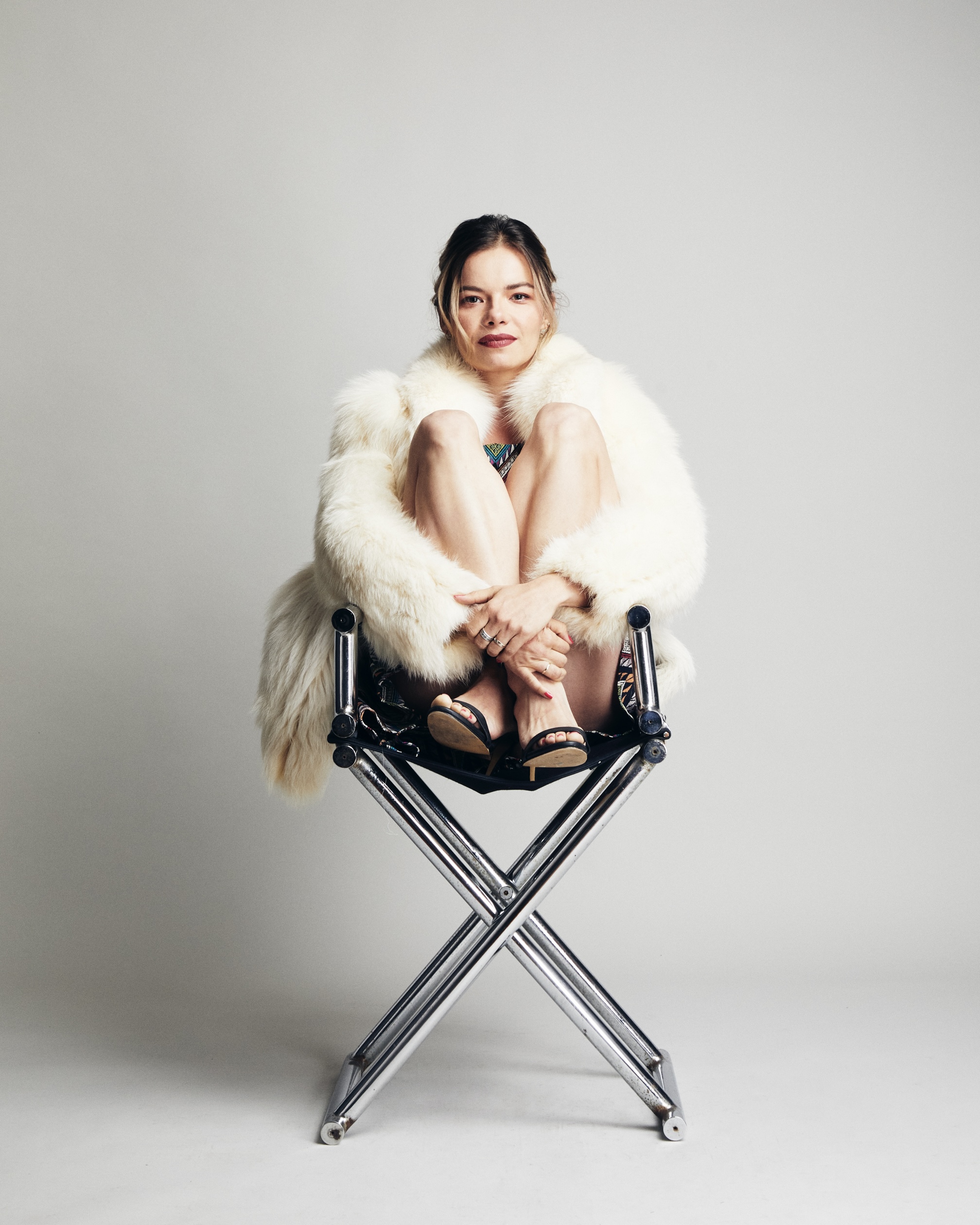
There are artists who choose their path with clarity from the start—and then there’s Paulina Treviño, who built hers by rejecting every path that didn’t feel like her own. A chance encounter in the courtyard of her all-girls high school with filmmaker Manuel Teil set her on an unexpected journey into acting, one that would carry her through film, television, theatre, commercials, performance, dance, and dubbing. Over time, the labels shifted—first “the TV actress who did theatre,” then “the theatre actress who worked in TV,” and now, as one director friend aptly put it, “the all-terrain actress.”

For Treviño, theatre has always been home. Eight formative, demanding, and transformative years with Mexico’s Compañía Nacional de Teatro deepened her artistry and shaped her as a person. Today, she approaches each project with discipline and adaptability, guided by the belief that mastering technique is the gateway to creative freedom.

In a world where technology accelerates and AI threatens to overshadow human craft, she sees theatre as the actor’s irreplaceable refuge—a place where presence, vulnerability, and connection will always matter. In this edition of PROFILES, Paulina Treviño reflects on survival, self-definition, and why her ultimate goal is simple: to grow old as an actress.

advertising
partner content

Paulina Treviño

she/her
Actress
Mexico
source: Germán Nájera/ Iván Flores.

1. ¿Qué despertó tu interés como artista y cómo ha evolucionado esa chispa con el tiempo?

Sentirme diferente al resto de las personas me llevó por el camino artístico. No porque supiera lo que quería. Más bien, por rechazar el camino que me presentaban enfrente como el único posible. Ese camino convencional era, para mi, la muerte. Y creo que por eso la vida me puso a Manuel Teil en el patio de mi preparatoria de monjas un día que, junto a otros cineastas, buscaban locaciones para rodar una película gringa. Ese encuentro me llevó a mi primer experiencia con la actuación, y posteriormente a encontrar una escuela donde estudiar.

Así, equivocándome y sobreviviendo, fui descubriendo muchos caminos y lenguajes dentro del arte de la actuación: sin saber qué quería, sino, más bien, rechazando lo que no quería. Así hice cine, tv, teatro, comerciales, performance, danza y doblaje, en géneros y estilos variados. Comencé haciendo cine, pero entre rápidamente a una escuela de television, en donde tomé clases con vacas sagradas del teatro mexicano. Me gradué con una obra de teatro y así fue como, trabajando para la pantalla, fui haciendo cada vez más teatro y menos televisión. En el teatro era la actriz de la tv, y con el tiempo me fui haciendo la actriz de teatro cuando hoy trabajo en la tv. Ahora, soy la actriz todo terreno; así me dijo recientemente un amigo director, y me gustó.

Aunque hoy ya se que el teatro siempre, siempre, será mi casa.

1. What sparked your interest as an artist and how has that spark evolved over time?

Feeling different from everyone else led me down the artistic path. Not because I knew what I wanted—rather, because I rejected the path that was presented to me as the only possible one. That conventional path, for me, was death. And I believe that’s why life placed Manuel Teil in the courtyard of my all-girls high school one day, when he and other filmmakers were scouting locations to shoot an American movie. That encounter led me to my first experience with acting, and later to finding a school where I could study.

And so, through making mistakes and surviving, I began discovering many paths and languages within the art of acting—not by knowing what I wanted, but by rejecting what I didn’t want. I did film, TV, theatre, commercials, performance, dance, and dubbing, in various genres and styles. I started in film but quickly joined a television school, where I took classes with sacred cows of Mexican theatre. I graduated with a play, and while working for the screen, I began doing more theatre and less television. In theatre, I was the TV actress; over time, I became the theatre actress who now works in TV. Today, I’m the all-terrain actress—a phrase a director friend recently used to describe me, and I liked it.

Although now I know that theatre will always, always, be my home.

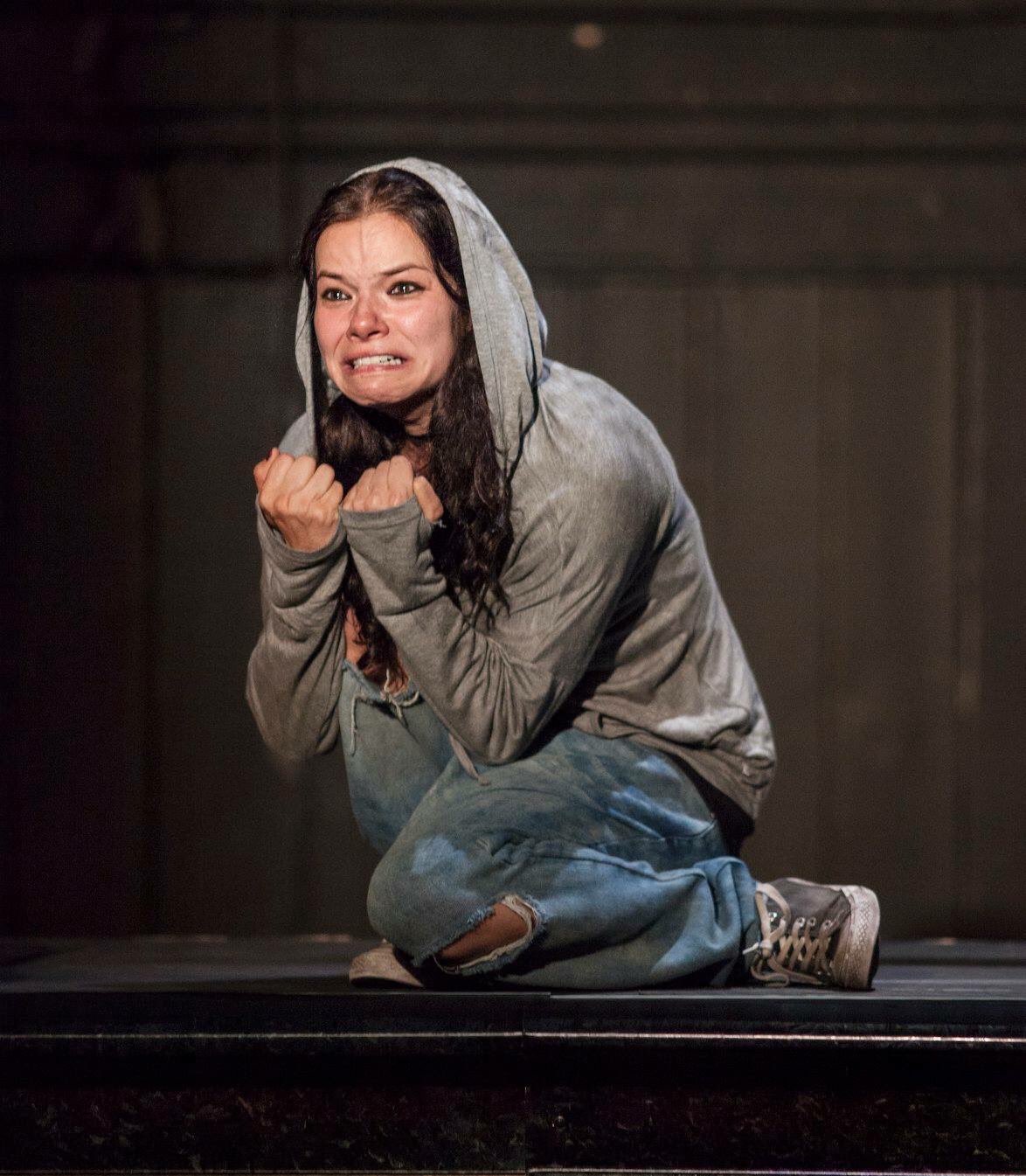
Bajo el signo de Tespis, source: Paulina Chávez. 

2. ¿Puedes compartir la historia detrás de una de tus obras favoritas y lo que significa para ti?

Trabajar en la Compañía Nacional de Teatro ha sido de las cosas más bellas que me han pasado. Pero no todo fue miel sobre hojuelas. Estar ahí me acabó de formar como actriz (y como persona) y también dolió. Me enseñó tantas cosas, de la vida, más que nada. Fueron ocho años por los que me siento profundamente agradecida, por todas las personas que conocí y el privilegio que implicó poderme concentrar en vivir y pensar el teatro, intensamente.

2. Can you share the story behind one of your favorite works and what it means to you?

Working at the National Theatre Company has been one of the most beautiful things that has ever happened to me. But it wasn’t all smooth sailing. Being there completed my formation as an actress (and as a person), and it also hurt. It taught me so many things—about life, most of all. They were eight years for which I feel profoundly grateful, for all the people I met and for the privilege of being able to focus on living and thinking about theatre, intensely.

3. ¿Cómo es tu proceso creativo—sigues una rutina o la inspiración surge espontáneamente?

Llevo una rutina, absolutamente. Más bien, le llamaría técnica. La que cada artista va construyendo a partir de nuestra mirada personal, lecturas, curiosidades y experiencias. Aunque es una técnica que adapto según el proyecto que tengo enfrente. Según el lenguaje, el tono, el medio, y mi lugar dentro de ese proyecto, decido la manera en que voy a enfrentarlo. Pero siempre implicará metodología y orden. El dominio de la técnica es la libertad del creador, dice Luis de Tavira.

3. What is your creative process—do you follow a routine or does inspiration come spontaneously?

I follow a routine, absolutely. Or rather, I would call it a technique—the one each artist builds from our personal perspective, readings, curiosities, and experiences. It’s a technique I adapt depending on the project in front of me. According to the language, the tone, the medium, and my place within that project, I decide how I’m going to approach it. But it will always involve methodology and order. The mastery of technique is the creator’s freedom, says Luis de Tavira.

source: Germán Nájera/ Iván Flores.

4. ¿Cuál ha sido tu mayor desafío como artista y cómo influyó en tu crecimiento?

Yo misma. Dominarme. Relajarme. Soltarme. Fluir. Aceptarme. Trabajar en mi. Para que en el escenario o pantalla, no se trate de mi. Para poder ser un vehículo, para que el signo pueda expresarse a través de mi y yo no lo frene, haciendo que se trate de mi.

4. What has been your biggest challenge as an artist and how did it influence your growth?

Myself. To master myself. To relax. To let go. To flow. To accept myself. To work on myself. So that, on stage or on screen, it’s not about me. So that I can be a vehicle, allowing the sign to express itself through me, and I don’t block it by making it about me.

source: Germán Nájera/ Iván Flores.

5. ¿Quién o qué te inspira más y cómo se refleja esa inspiración en tu trabajo?

Me inspiran muchas cosas y personas, desde Peeping Tom, hasta Rosalía, pasando por Meryl Streep, hasta Carmen Mastache y Gabriela Núñez.

5. Who or what inspires you the most, and how is that reflected in your work?

I’m inspired by many things and people—from Peeping Tom to Rosalía, passing through Meryl Streep, and all the way to Carmen Mastache and Gabriela Núñez.

6. ¿Qué crees que es lo más emocionante que está ocurriendo en tu campo en este momento?

Cómo la amenaza de la IA puede hacernos revalorar el teatro, haciéndolo parte indispensable de nuestro futuro. No sólo ha sobrevivido, sino que se perfila para ser el refugio del actor.

6. What do you think is the most exciting thing happening in your field right now?

How the threat of AI can lead us to revalue theatre, making it an indispensable part of our future. It has not only survived, but is now positioned to become the actor’s refuge.

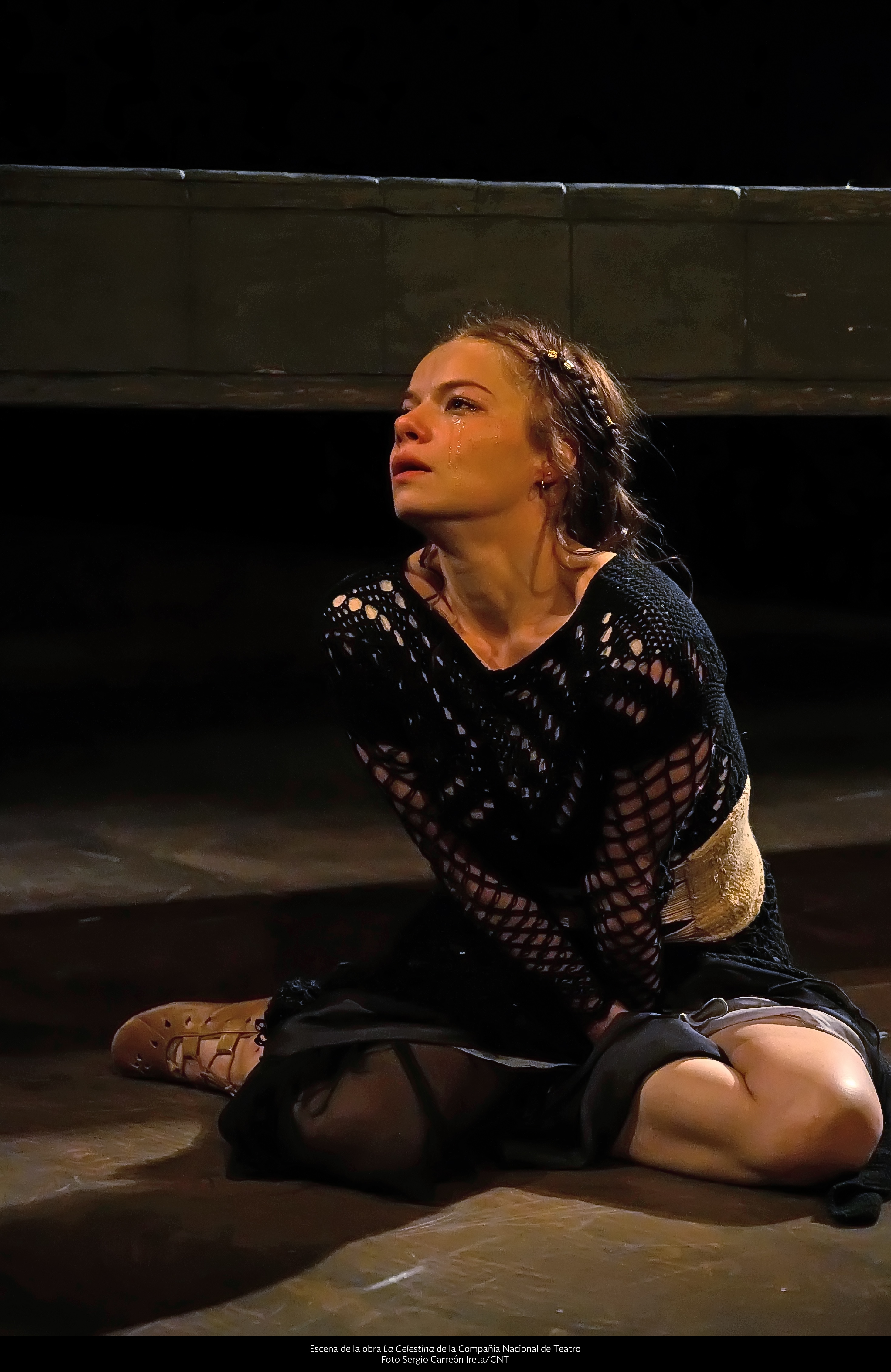
La Celestina, source: Sergio Carreón.

7. ¿Qué consejo le darías a artistas o creativos que están empezando?

Confíen en si mismos y no se dejen definir por los demás.

7. What advice would you give to artists or creatives who are just starting out?

Trust yourselves and don’t let others define you.

8. ¿Cómo esperas que tu trabajo conecte con las personas o deje un impacto?

Creo que ya no espero eso. No busco impactar ni dejar huella. Espero llegar a vieja siendo actriz. Y claro, que los proyectos en los que esté sean fruto de reflexiones y conversaciones profundas.

8. How do you hope your work will connect with people or leave an impact?

I think I no longer expect that. I’m not looking to make an impact or leave a mark. I hope to grow old as an actress. And, of course, for the projects I’m part of to be the result of deep reflections and conversations.

source: Germán Nájera/ Iván Flores.

Support artists—share this

More like this, twice a month.

Off-Book is the Skene newsletter for artists and makers. Profiles, opportunities, and editorials, free. New subscribers also receive the 2026 Performing Arts Survival Guide.

About the Author

Leave a Reply

Your email address will not be published. Required fields are marked *

Abingdon Theatre Company - Season 34

Related Posts

Martín Acuña: Joy is a North Star.

Sara Pugh: Never Seen, Always Felt.

FREE FOR ARTISTS

The 2026 Performing Arts Survival Guide.

Practical career guidance for performing arts artists and makers. Take it with you.