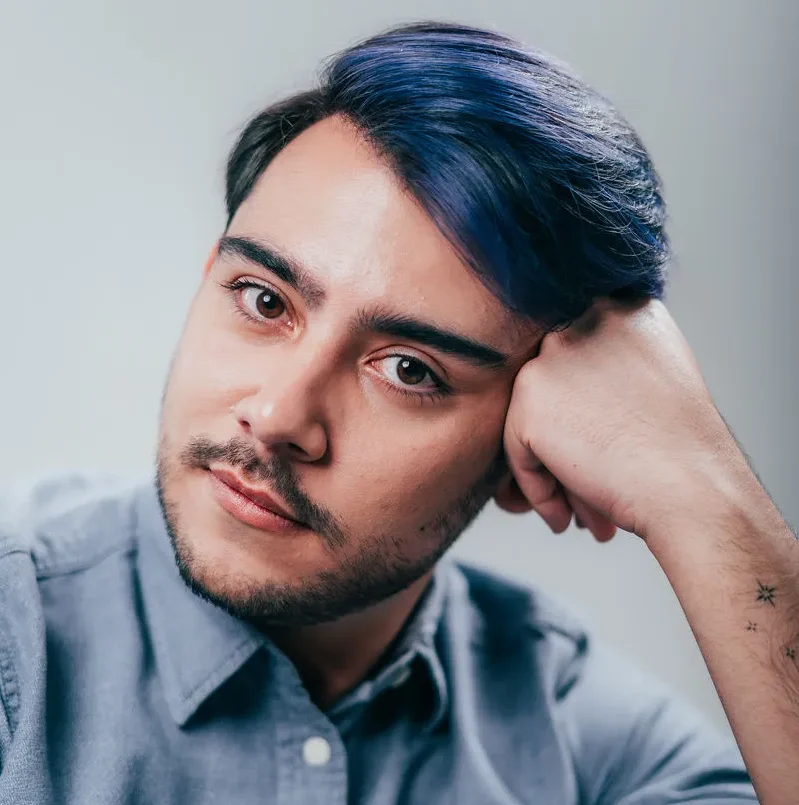
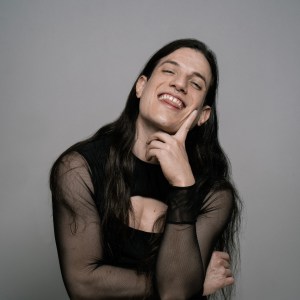
Emilio Bastré: Fragile Enough for a Strong Connection.
Emilio Bastré is a Mexican actor and member of the Compañía Nacional de Teatro whose work lives at the intersection of freedom and craft.

Emilio Bastré is a Mexican actor and member of the Compañía Nacional de Teatro whose work lives at the intersection of freedom and craft.

Six essential plays by Black British playwrights that American theatres should be producing — from Natasha Gordon to debbie tucker green.
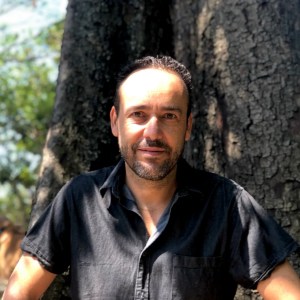
Meet Mexican lighting designer Victor Zapatero, whose work blends observation, emotion, and creative intention. Discover his artistic philosophy.
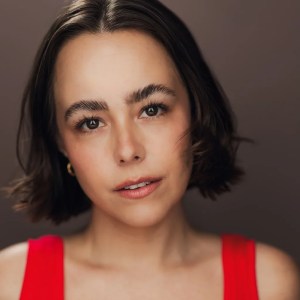
Actor and playwright whose work moves between personal honesty and theatrical confrontation, building stories that leave no edges sanded down.
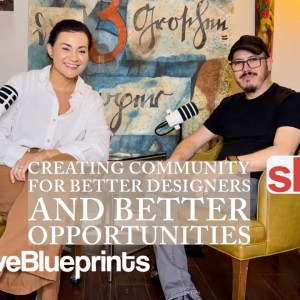
Scenic designer and Skene founder on community, mentorship, and building a creative career, in conversation with Mitzi Avila of Creative Blueprints.
Raised in Jackson, Mississippi—a place steeped in both history and contradiction—Jaclyn Bethany carries with her the poetic legacy of the American South and a fierce dedication to telling women’s stories. A director, writer, performer, and co-founder of the experimental company The Fire Weeds, Bethany weaves narratives of intimacy, longing, and transformation, often spotlighting the nuanced relationships between women. Her creative journey spans continents, with formative years spent in New York, New Orleans, Los Angeles, and London—each city leaving its mark on her evolving artistic voice.
Bethany’s work is deeply inspired by Tennessee Williams, especially the inner worlds of his female characters. As a teenager, she saw herself in Laura Wingfield and Blanche DuBois, and today she continues to mine that Southern psychological terrain, reviving lesser-known early works and reshaping them for contemporary stages. Her practice blends impulsive inspiration with structured rehearsal, always grounded in a commitment to uncovering raw, emotional truth. Whether she’s directing underground theatre or indie film, her focus remains steady: giving space to complex women, to Southern identity, and to the often-overlooked poetry of personal struggle.
In this edition of PROFILES, Jaclyn Bethany invites us behind the curtain.
I was born and raised in Jackson, Mississippi. Many of America’s greatest artists are from Mississippi – including Tennessee Williams, William Faulkner, Eudora Welty, Robert Johnson, B.B. King, Elvis Presley, Leontyne Price… people that have really changed the cultural and artistic impact of America. It’s a complicated place, but I think that sort of poetic backbone is built into the diaspora of the state. So I grew up surrounded by this influence, yet neither of my parents are artists. But I always knew I wanted to do this, and have distinct memories of seeing cinema, or a ballet or theatre – from a young age. And I suppose that passion just stuck and when I was older I realized working in the arts could be a career. I have been lucky enough to live in some of the greatest creative cities in the world, New York, New Orleans, Los Angeles, and London. Every chapter and place has influenced me as an artist.
When I was in high school I read The Glass Menagerie and then, A Streetcar Named Desire. I saw the Broadway productions around the same time starring Jessica Lange and Sarah Paulson in Menagerie, and then Natasha Richardson and Amy Ryan in Streetcar. I really related to the way he wrote his women, and these were some of the first Broadway plays I saw, I grew up only seeing musicals. I thought I wanted to do musical theatre. But the production that really changed my life was Liv Ullman’s production of A Streetcar Named Desire starring Cate Blanchett. I felt that production really centered the story back on Blanche and how it was written. I think I also always saw myself in Laura Wingfield – her otherness, her deep love for her family, her misunderstood intelligence… all of those qualities also are part of Blanche. I think it is incredibly hard to be a female artist, but it is incredibly complicated and difficult to be a woman from the South, even now, there are still expectations. I am really interested in the history of Southern women and eugenics in midcentury America. The female psyche is still so rarely explored and he captured that so beautifully, yet tragically. So I think, working on and performing two early versions of these plays for the past several years, I knew even as a teenager that the work of Williams and his women, would change my life.
I think it’s a mix of both. I definitely am impulsive and suddenly inspired, when I commit to or come on board a project whether it is my own or not, I see it through. I think routine and structure can be important and that is why I love being on a film set, or the rehearsal process because although what may happen in those spaces can be unpredictable – you know you have to be present.
I think there are challenges every day. I think funding is often the most difficult, and sustainability. I have had an incredible support system but I also cannot help but feel scared for the future of the arts. I think as I have grown, I have learned to seek funding and support in non traditional methods, especially in my theatre work, there have been amazing grants that have built my work.
Women. Intimacy between women. Sisterhood. Stories of female artists, longing to be understood. I think that is an absolute thruline in my work.
I think there is alot of interesting, intimate, underground theatre being produced that challenges boundaries and how we think about live performance. I think there are more female led films being made, though we still have a.long way to go.
Just go create your story. Believe in yourself. Don’t wait for someone to say yes. There will always be people there to support you. This journey is difficult and lifelong, so taking that first step is important.
I hope I show them something that they have not seen before. I hope they are moved. I try to open up their mind to possibilities and questions, to me that is what makes great art.
Support artists—share this
Off-Book is the Skene newsletter for artists and makers. Profiles, opportunities, and editorials, free. New subscribers also receive the 2026 Performing Arts Survival Guide.
We use cookies to optimize our website and our service functionalities.