Emilio Bastré: Fragile Enough for a Strong Connection.
Emilio Bastré is a Mexican actor and member of the Compañía Nacional de Teatro whose work lives at the intersection of freedom and craft.

Emilio Bastré is a Mexican actor and member of the Compañía Nacional de Teatro whose work lives at the intersection of freedom and craft.

Six essential plays by Black British playwrights that American theatres should be producing — from Natasha Gordon to debbie tucker green.

Meet Mexican lighting designer Victor Zapatero, whose work blends observation, emotion, and creative intention. Discover his artistic philosophy.

Actor and playwright whose work moves between personal honesty and theatrical confrontation, building stories that leave no edges sanded down.

Scenic designer and Skene founder on community, mentorship, and building a creative career, in conversation with Mitzi Avila of Creative Blueprints.
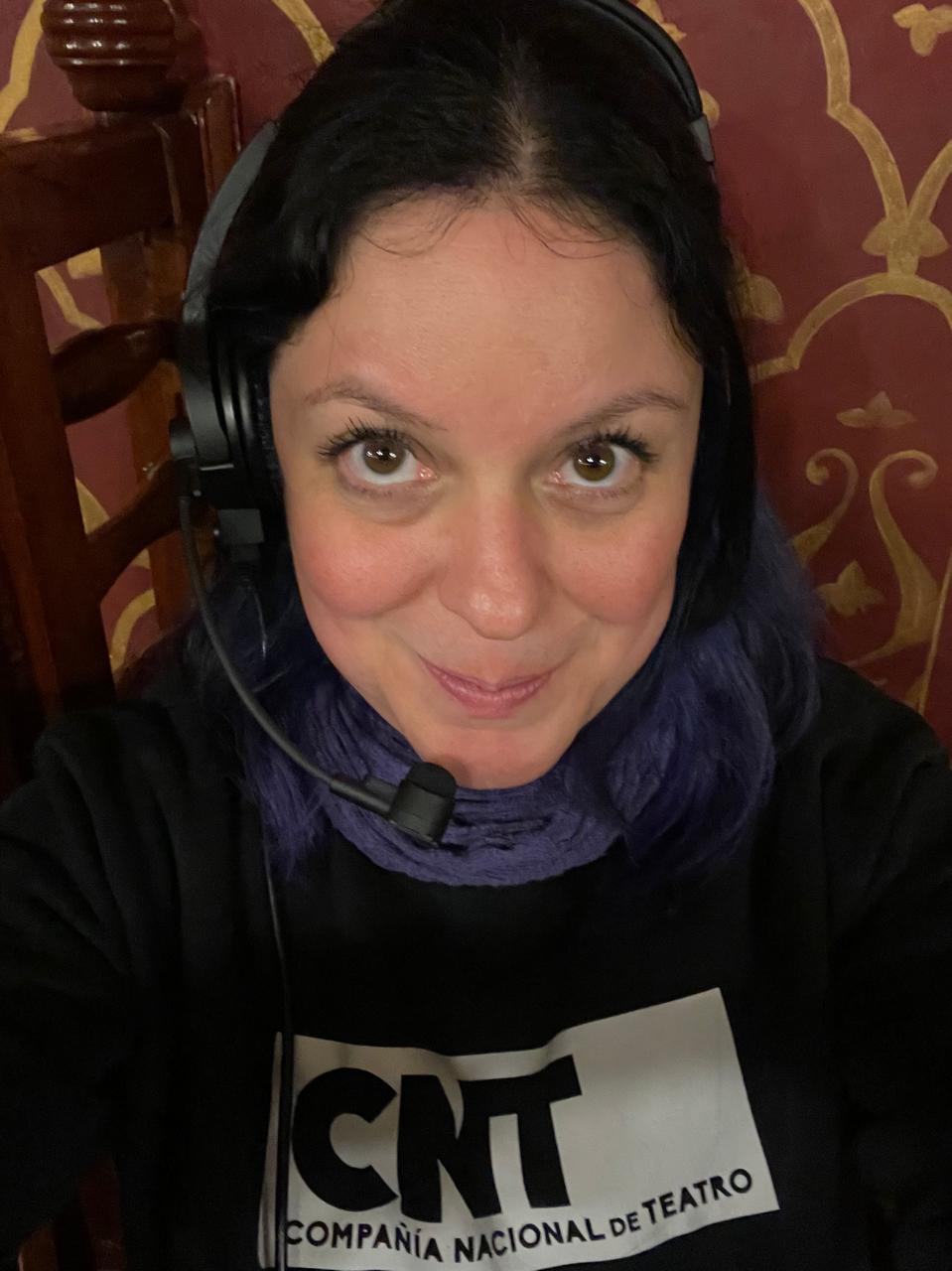
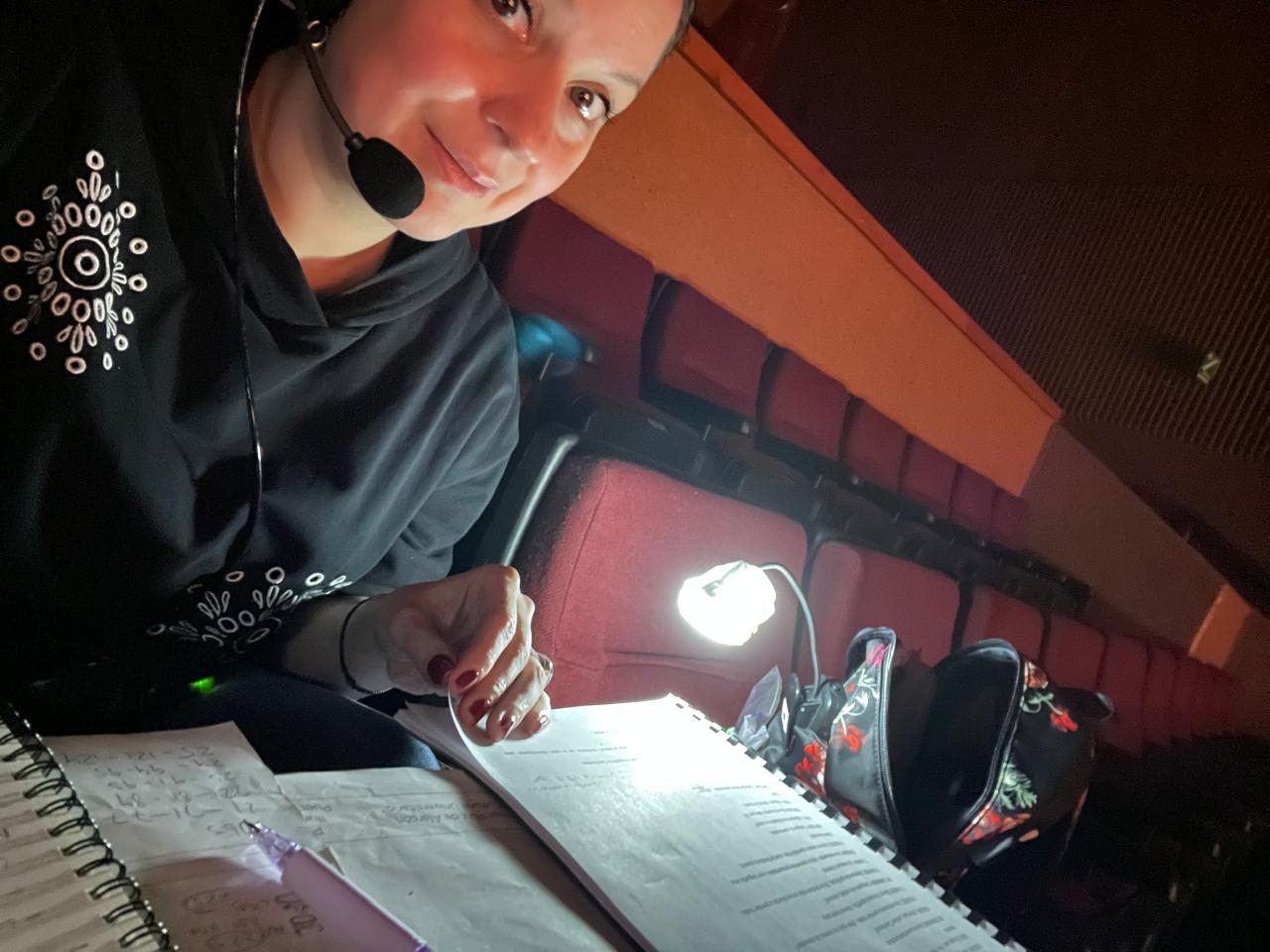
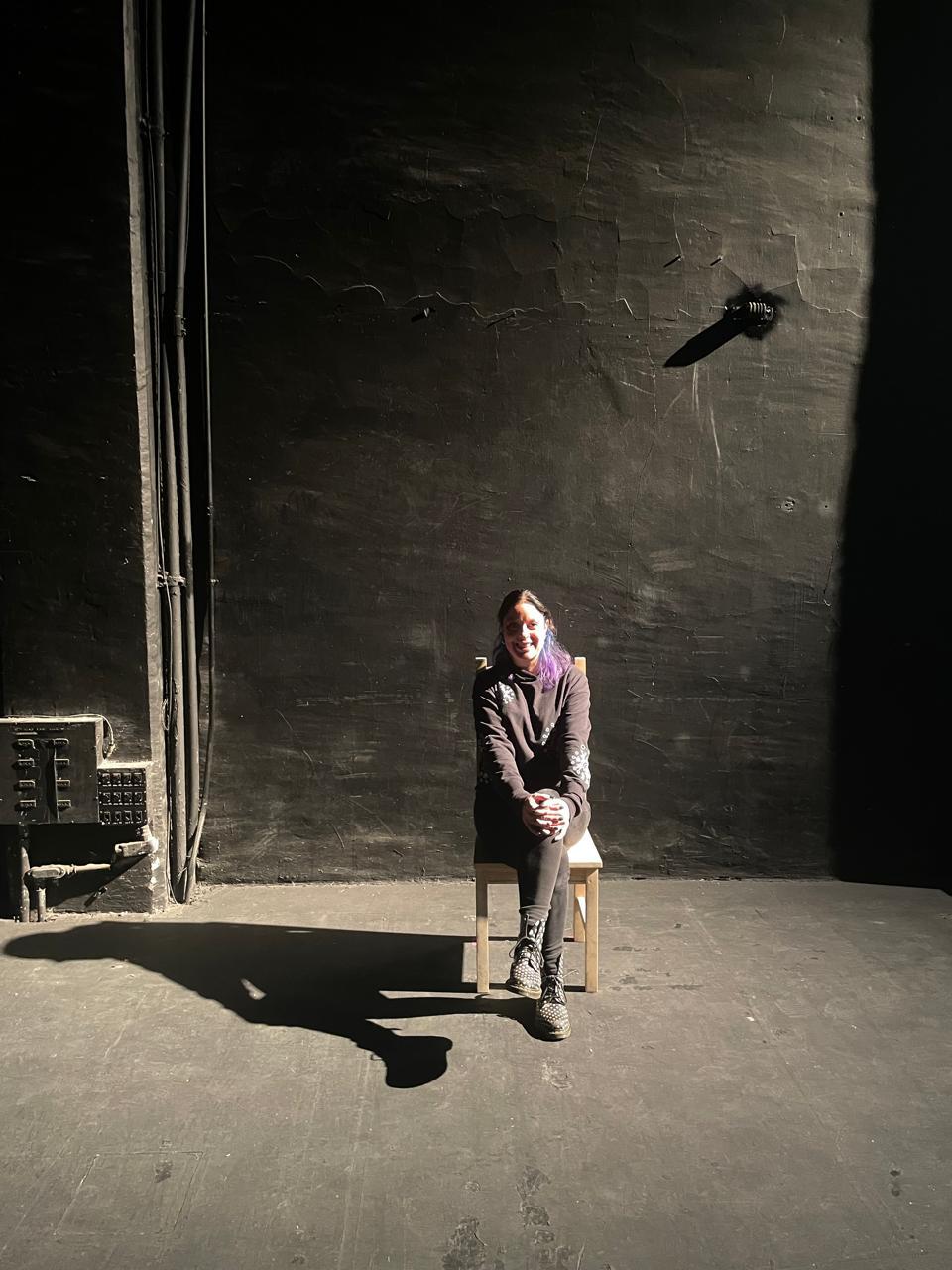
In the ever-shifting theatre world, the artist’s path is rarely linear. For lighting designer, professor, and cultural advocate Melisa Varïsh, her own has been shaped both by life experience and an unyielding commitment to reflecting the social and cultural conditions of the day. From childhood encounters with puppetry and television set props to navigating the often rough terrain of Mexico’s cultural economy, Varïsh’s life and career has been both a response to and a reflection of her environment.
In this personal interview, Varïsh discusses how her process has evolved during nearly two decades of experience, her motivation, and the challenges that have defined her craft. In this edition of PROFILES, she openly discusses the delicate dance between technique and creativity, revealing the profound impact of working in Mexico’s National Theatre Company, where her artistic values were tested in ways she could never have anticipated.
Beyond the tools, the designs, and the decades of technical experience, Varïsh’s true aim is to leave a legacy that will inspire future generations of artists, -especially women in the technical field, to speak their own voice and pave their own path. Read deeper into Varïsh’s amazing story, and see ow her work continues to illuminate the path forward for the next wave of artistic innovators.
At first, my family. I had a very interesting childhood surrounded by books, puppets, drawings, and props for television. My mother is an editor, but above all, a passionate reader, who, in her free time, worked for a children’s puppet company. On the other hand, at that time, my uncle worked for a comedy TV show called El Güiri-Guïri, designing and creating the unique props for the show. I think both of these experiences allowed me to see the world through different eyes from an early age. After studying Scenic Design, and after nineteen years of dedicating myself professionally to scenic design and theatre technique, my perspective has definitely changed. Primarily, one stops romanticizing art and the “artist’s life,” to seriously confront the reality of the country’s cultural policies, precariousness, disregard, and the lack of support networks within the cultural sector. On the other hand, the constant questioning of “why is it important to do this?” becomes much more interesting and profound.
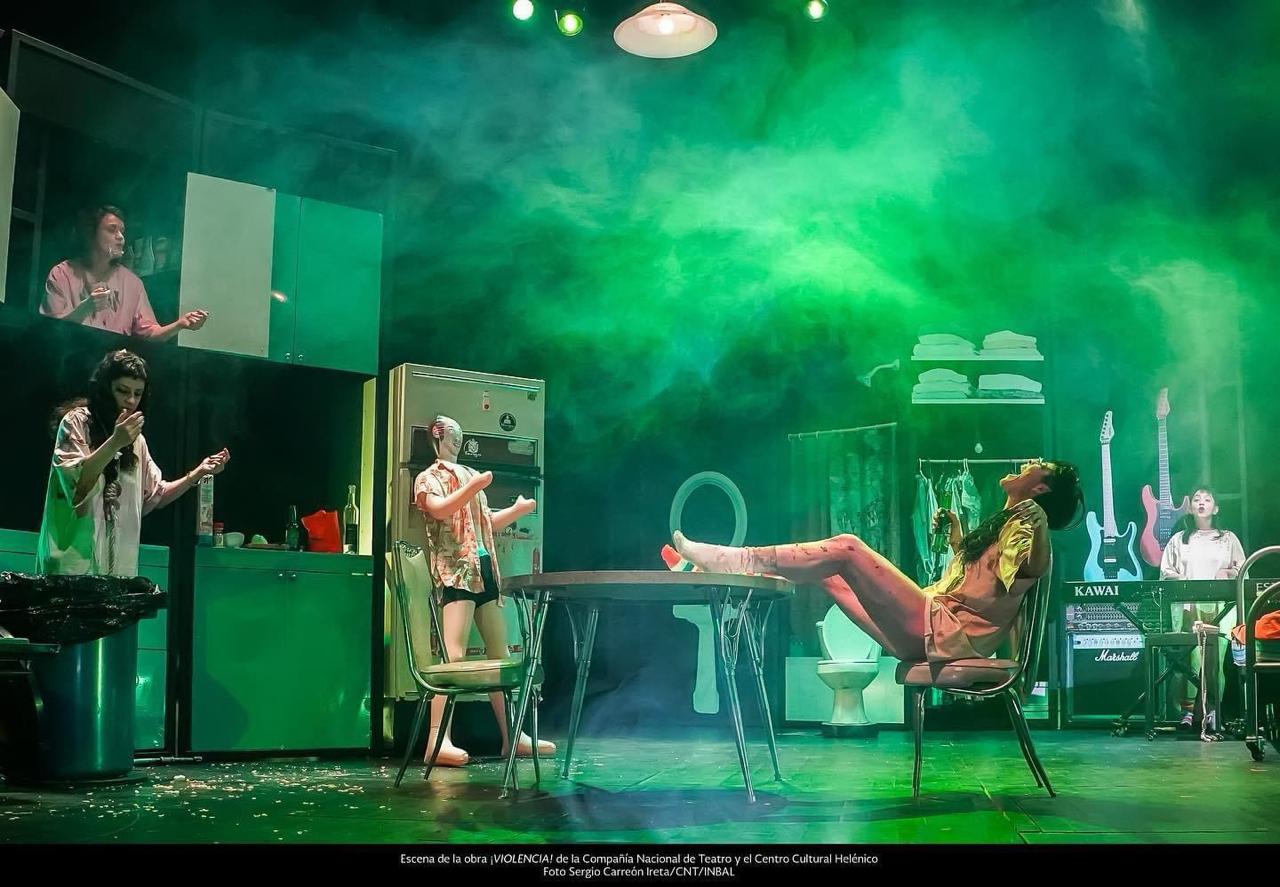
Without a doubt, ¡Violencia! by Valeria Loaera, directed by Diana Sedano (2023). The team that was formed, the way the designs were integrated, a truly collaborative effort with full creative freedom, and in my very personal way of seeing light, was the work where I found what, for me, is the reconciliation and balance between tungsten light and LED, a theme that, as a lighting designer, has been crucial due to all the implications it brings. As well as the integration of light into the objects and space that tell the story, thus generating a dramatic language of light.
Reading and observing. Usually, my first images are born from words. One mentally prepares to observe the world differently when an idea is already in mind; everyday things can take on a different meaning. Even when it comes to lighting dance, the first words from the choreographer, along with the movement, trigger the first images. The first thing I look for is the colors, and from there, I create a structure to develop the design for the production.
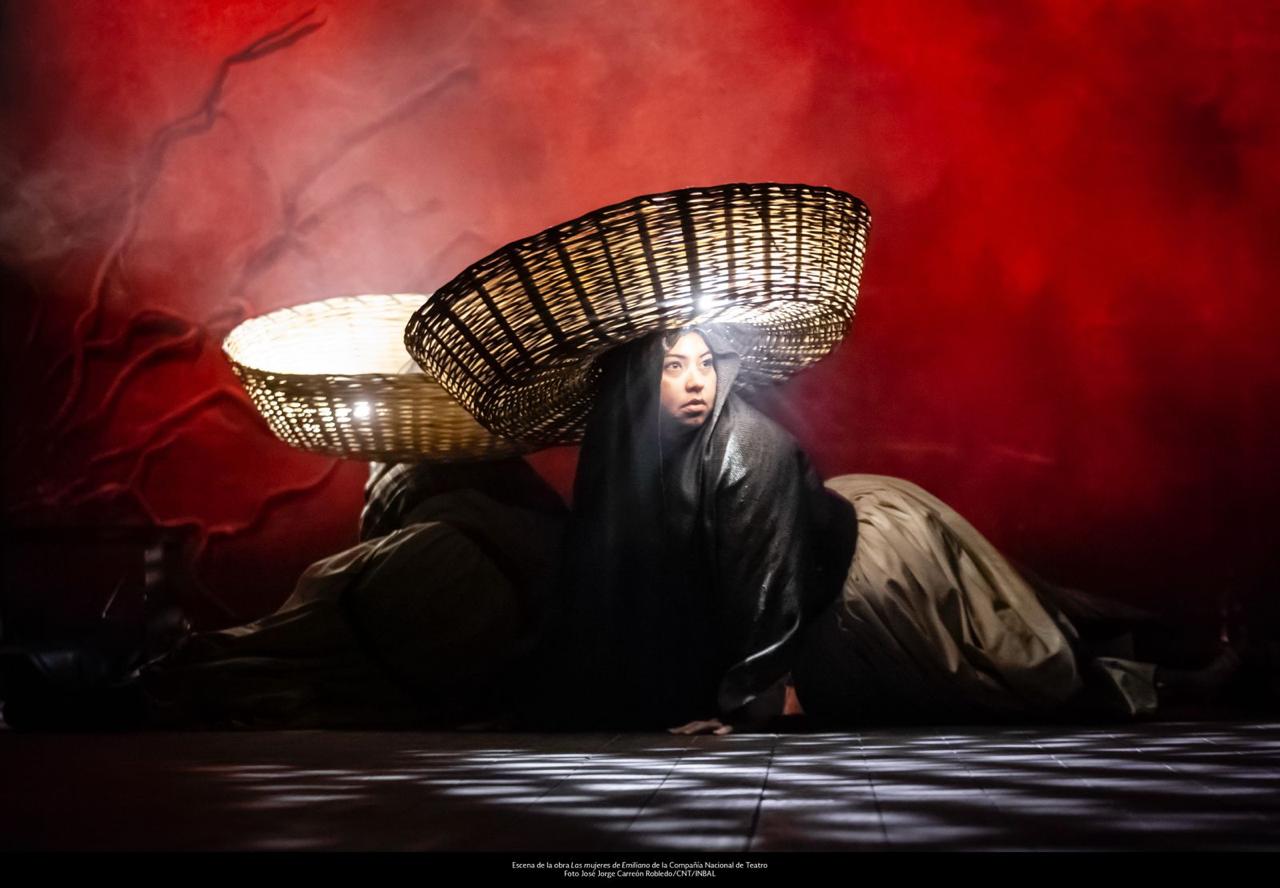
Definitely, managing the Lighting, Audio, and Multimedia Coordination for the National Theatre Company of Mexico was a pivotal experience. It was a grant that consisted of a Technical-Artistic Residency, where I feel I completed a postgraduate degree in terms of technical learning, solving setups, planning, adaptations, tours, but also in the invaluable opportunity to work and create with many directors, designers, performers, and technicians. Of course, a machinery of that size demands great responsibility, quality, and absolute dedication, including sacrifices and renunciations. The problems are significant, errors can be costly, and the level of stress is intense. In the end, one learns about technique, design, theatre, but also about administration, psychology, public relations, and life itself. I just finished my residency last December 24th, and it fundamentally changed the way I perceive and approach the stage; it’s not the same as it was ten years ago, and every day I confirm the phrase “without technique, there is no art.”
I believe there have been several people, starting with my dear scenography teacher from the ENAT, Arturo Nava, may he rest in peace. He was always a great guide, an inspiration, and someone who believed in me, even recommending me for a teaching position at the same school where I studied. He told me, “To teach, one must know the subject well, but above all, one must know how to be generous.” Thanks to my residency at the National Theatre Company, I had the opportunity to work with many designers I admire, such as Alejandro Luna, Philippe Amand, Matías Gorlero, Gabriel Pascal, Patricia Gutiérrez, Jorge Kuri, Kay Pérez, and from each one, I’ve learned different things that have become part of who I am and what I do today
Sometimes it’s hard to think of lighting design as work that allows for such reflection, since it’s usually tied to the performance piece it accompanies, and that’s where the questions and answers are generated. But personally, I think about the different scenarios, places, and spaces where one will work. From large and important National Theaters, to commercial venues, and small cultural centers or school auditoriums. The quantity and quality of lighting equipment varies greatly, as does its technical staff. The differences can be vast, and everything is a reflection of the reality that this country lives, and how every small change impacts culture. Personally, working in lighting has allowed me to get closer to the technical area and identify some important gaps. What can be done? Share knowledge, find communication and funding channels to carry out workshops and training activities that contribute to the professionalization, and therefore the dignification of those technical jobs, which are one of the pillars of performing arts.
As I tell my students, take in the world with your eyes, read a lot, watch a lot: (museums, cinema, TV series, magazines), travel whenever you can, not everything is on the internet. Observing makes us more aware of our surroundings, being aware allows us to reflect, and from reflection, we can build better ideas, better projects with stronger foundations.
I would like my work to have a positive impact on people and the community. When you go on tour with a production, it’s very moving when you feel that you truly connect with the audience, especially with those who are attending theater for the first time. I like to think that my work as a lighting designer and as a teacher can also inspire students, but especially female students, by showing them that there is increasing representation, and that the path I was able to walk, thanks to the pioneering female lighting designers, will become less arduous for those who choose to dedicate themselves to this. The best way to impact globally is to start slowly, with example, one community at a time; if the idea resonates, word will spread.
Support artists—share this
Off-Book is the Skene newsletter for artists and makers. Profiles, opportunities, and editorials, free. New subscribers also receive the 2026 Performing Arts Survival Guide.
We use cookies to optimize our website and our service functionalities.