A Theatre Lover’s Guide to Argentina’s Independent Stages
Explore Buenos Aires’ independent theatre gems like Teatro Timbre 4, Teatro del Pueblo, and El

Explore Buenos Aires’ independent theatre gems like Teatro Timbre 4, Teatro del Pueblo, and El
What is a skene? The stage building behind the orchestra in Greek theatre, how it
Scenic designer whose work is built on a single principle: never make an arbitrary choice.
Lighting designer Jacob Zamarripa on telling a story without words, the invisible world beneath a
Japanese tap dancer Ayaka Ida on theatre tap, golden-age glamour, choreographing as a conversation with
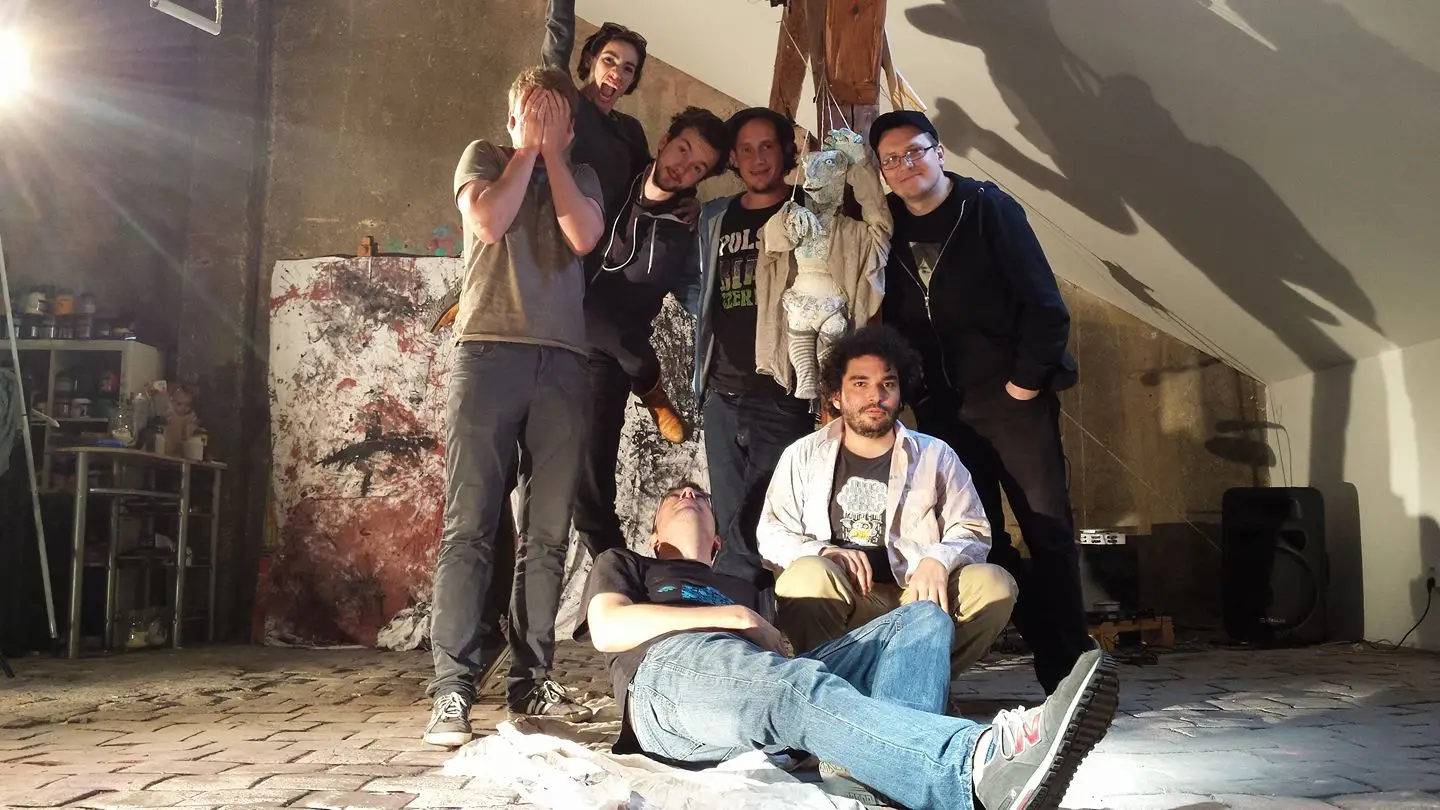
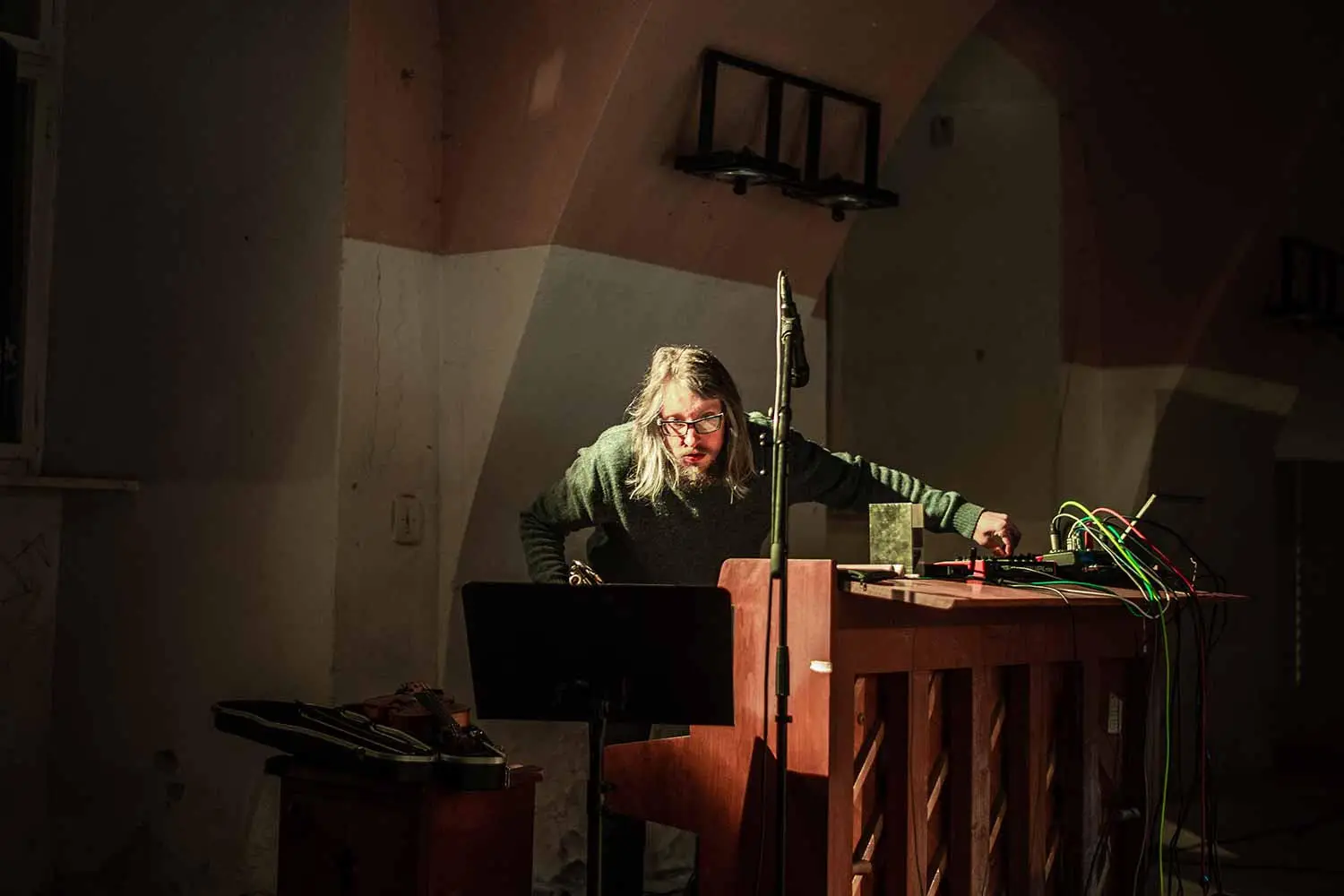
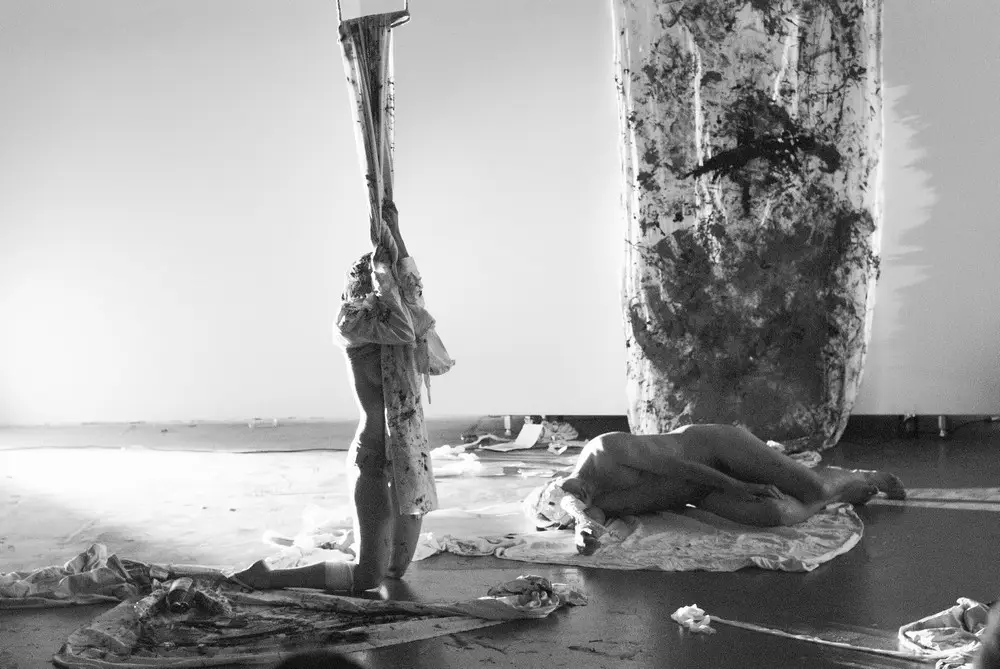
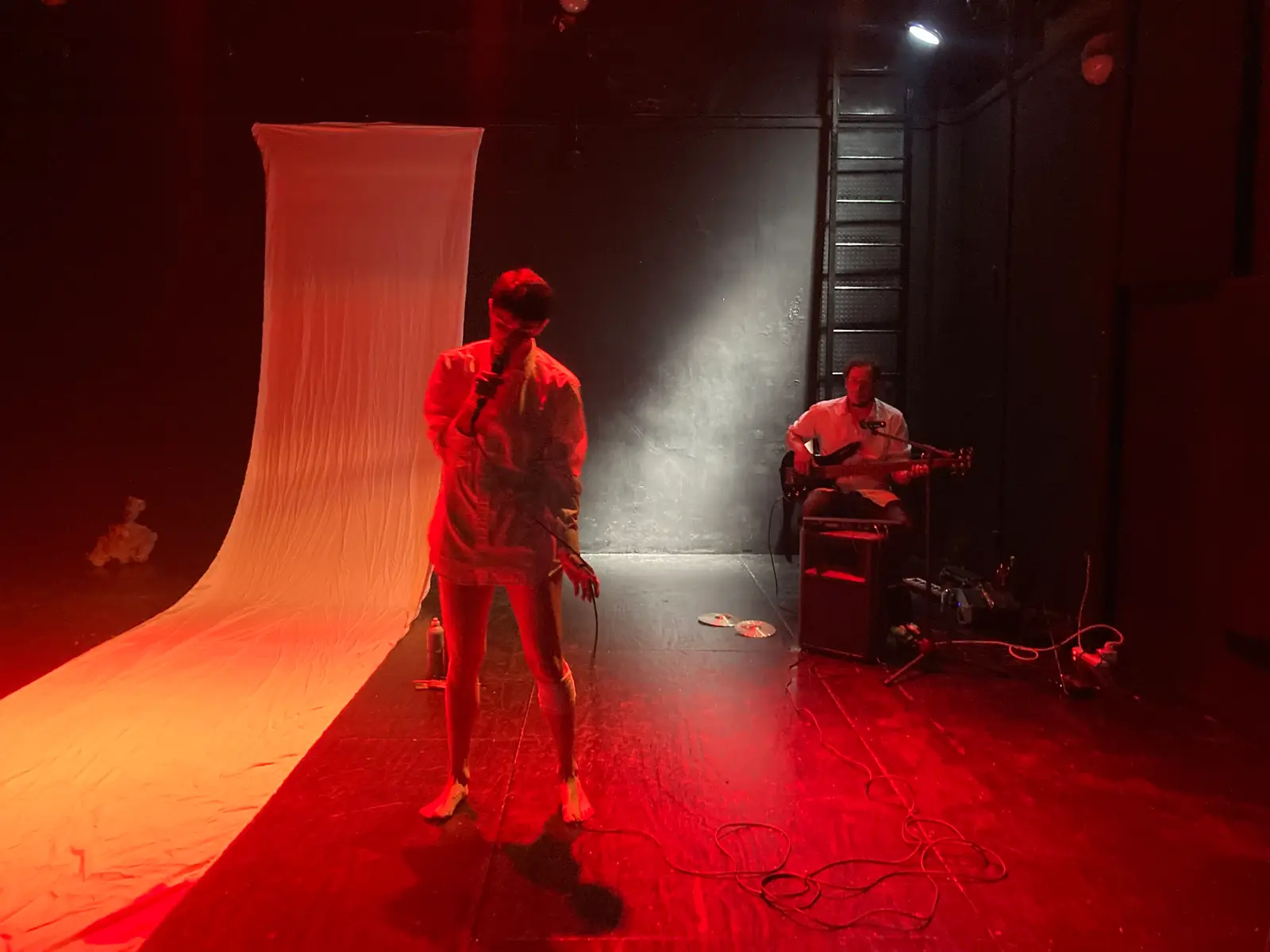
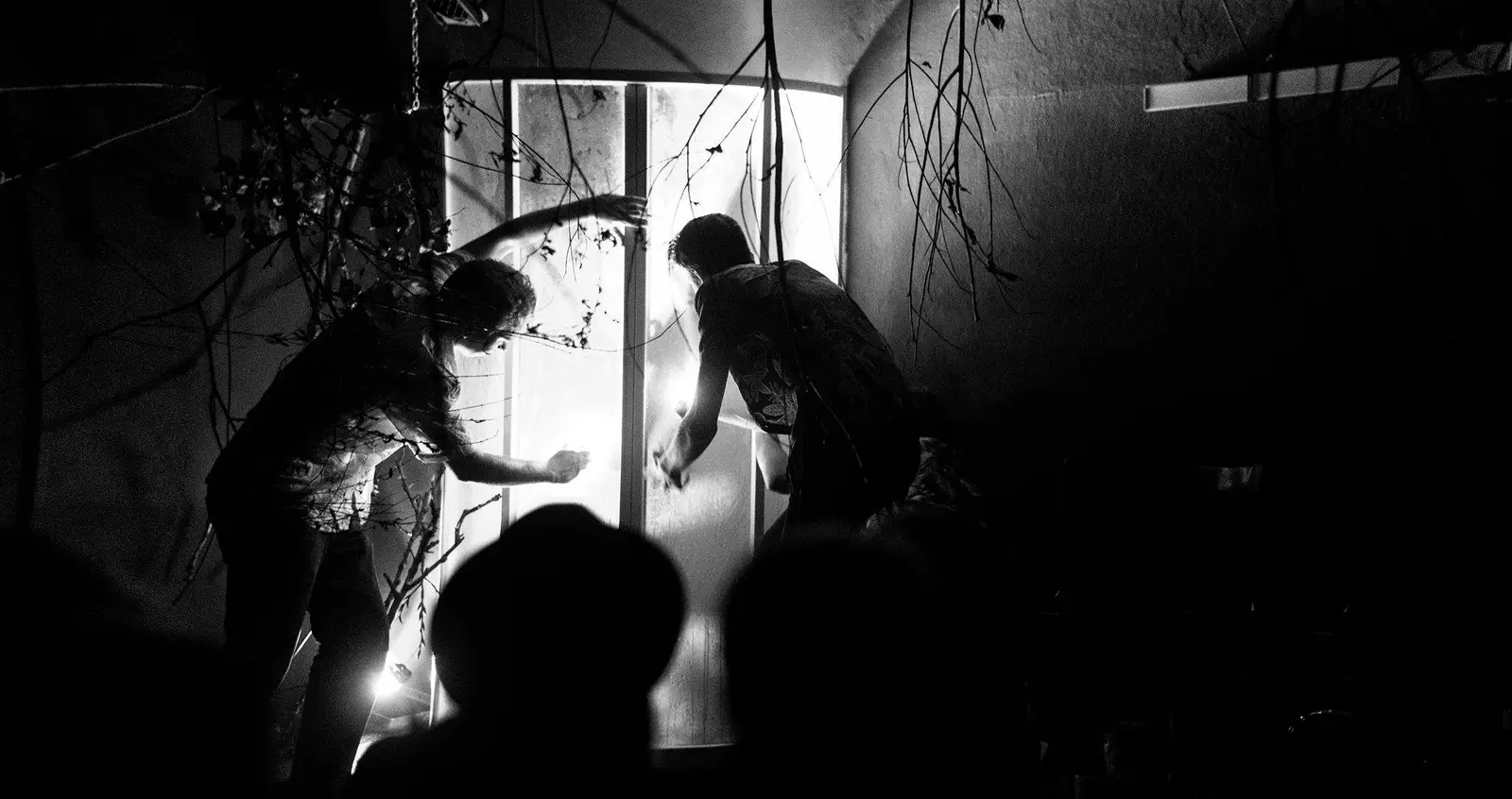
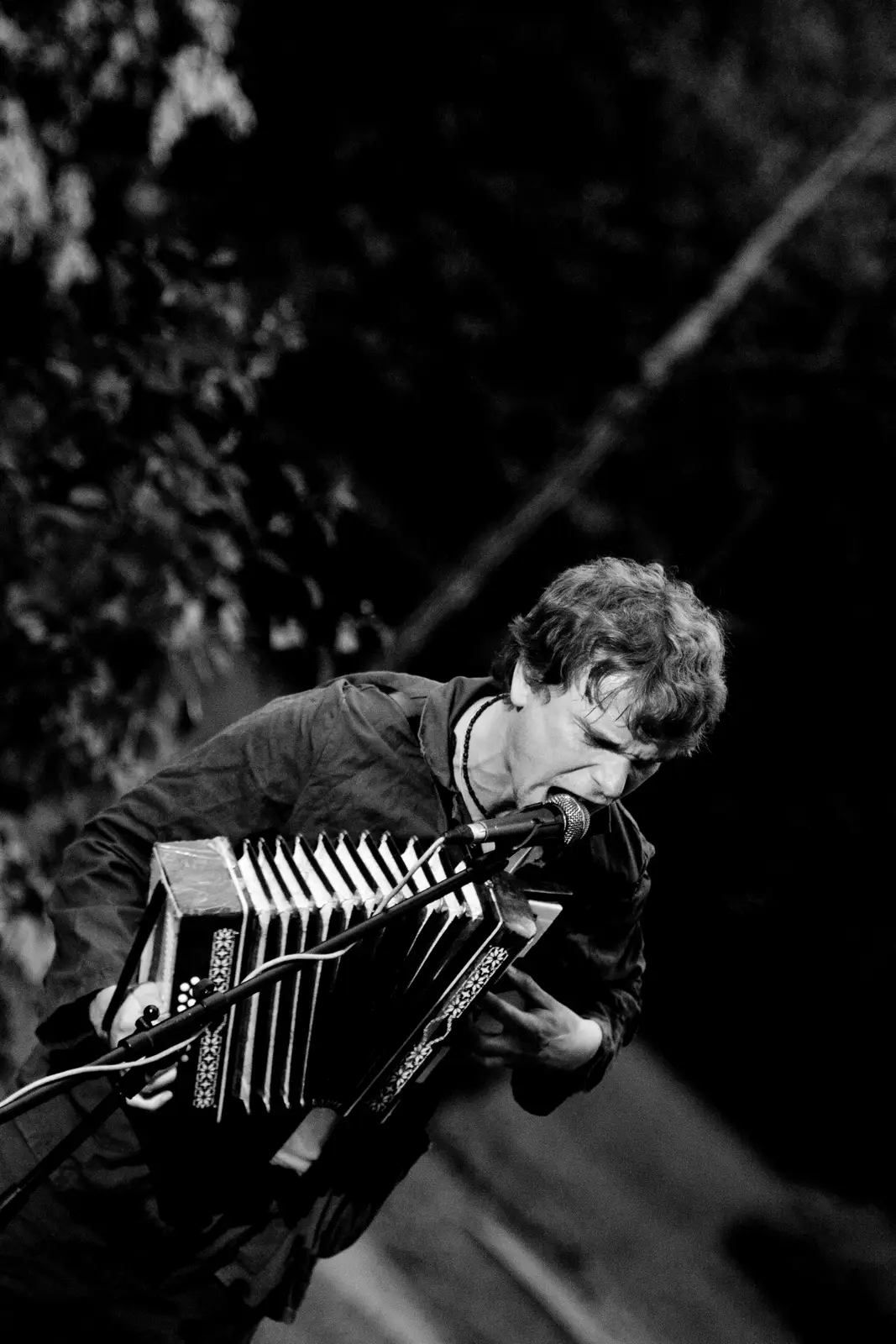
Masakr Elsinor didn’t form—it crystallized. In Brno in 2013, a constellation of artists from across Europe and Latin America came together with a shared hunger: to reimagine theatre not as storytelling, but as poetic perception. For them, poetry isn’t something written—it’s a way of listening, of mishearing, of seeing the world sideways. Their performances are not plays in the traditional sense, but collisions of language, sound, space, and sensation—each one hovering between ritual and rupture.
Born from former members of the D’Epog platform, Masakr Elsinor is fiercely independent and unafraid to work on the fringe. Whether performing on rooftops, in abandoned missile bases, or gardens, their works are acts of immersion and resistance—responses to a world where truth feels elusive and language grows thin. In their hands, theatre becomes a means of asking questions no one dares speak aloud. Encounter the radical poetics of Masakr Elsinor in this edition of PROFILES.
Masakr Elsinor group was formed by ex-members of D’Epog platform based in Brno, Czech Republic in 2013. It started with director Tomáš Soldán, playwright Ondřej Novotný, musician Petr Míka and actors Václav Marhold and (lately) Vojtěch Hrabák, also with argentinian painter Joan Quintas Toledo, spanish dramaturge Óscar Guedas and basque actress Rebeca Matellán. Since the beginning the group was developing the original scenic languague based on poetry (poetry not only written but poetry like a principle of seeing, (mis)understanding the world, poetry which is capable of delivering answers for a non-asked questions). Poetry as a perception of theatrical space. Since the beginning this method didn’t fade at all, and, as the world becomes more and more prosaic book full of lies, this poetry became even more sharp, precise and settled on the edge of the edges so it helps the group to say something maybe distant but profound and as firm as fragile.
The most played performance of the group is El Libro de los Venenos, Kniha jedů, also The Book of Poisons. Premiered in 2016 in La Tabacalera in Madrid, it tells the story of variety of poisons that kills not only our bodies, but the minds, the will, also the society. It’s been based on the medieval The Book of Poisons, the manual for use of herbs, make potions, influence body and mind. This book was translated to modern spanish by poet Antonio Gamoneda whos father, ten year before that, asked his wife to inject him a poison to end his suffering. Gamoneda son reflectes these moments also his experiences from the spanish civil war in his poetry. So the effects of war, free will who has no choice but be destructive, or just hypersensitivity which forces us to use drugs are some of the basic facets of the play. It also tells partly the story of famous catalan painter Antoni Tapies who once when he was suffred strong heart attack which had kind of epiphanical effect on his next life and work. We performed this play in Spain, Czech Republic and also Argentina and with the time it became something more truthful and powerful then we originaly thought. It’s kind of naked manifesto now and many of our further works are inspired by this piece.
We are very liberal group of individualities which brigs us (through the responsibility of each one) a wide number of tools, processes and opinions upon rehearsing every play. Mostly there is a text/poetry base which used to be developed by Tomáš Soldán and Ondřej Novotný, but even during the prep stage there is some music arising, some movements and of course some images building up their way to the final shape. We are also using kind of led improvisations, but basically we are just so connected that the process cannot be avoided in the end…
Very typical for us is to set our performances to the uncommon lacations – we did play on the top of the central bus station, we did play in former sovietic missile base, we did play in the garden…
Get Off-Book, Skene’s free newsletter for artists and makers—plus the 2026 Performing Arts Survival Guide.
The biggest challenges were two tours we did with two different plays. The already mentioned El Libro de los Venenos which is bilingual performance (always patrly in spanish and partly in czech or english language, just their ratio changes according to the occasion). So build and perform it in Madrid, Prague, Buenos Aires, also a version in Netherlands, it was really challenging and it definitely helped everyone in the group to see even the most fragmented parts of the play as a pieces of a bigger picture which can and has to work. Sometimes it reminds us the lines of some source code we are trying to transform into a working algorithm. The other play was Sólo pro toho, kdo je nejblíž (The Solo for the Closest One) which we played in Brno, Czech Republic, Zsámbék, Hungary and Riga, Latvia. The tour we did in my mothers 1997 Škoda was… remarkable. And it also affected our subseqent work.
There are poets and painters who are with us all the time. Dylan Thomas, Vladimír Holan, Dean Young, Szilárd Borbély, from painters there is already mentioned Antoni Tapies, the work of our member Joan Quintas Toledo and some others. But there are also some stealthy situations which now and then confirms you the purity of the way you are looking around you – the smell of the rain, the shape of flames and colors of twigs eaten by the fire, the look of the stranger in the tram, sudden sequence of words you’ve looking for a couple of weeks, the dream within a dream.
The battle for the independence, the struggle for being honest.
Be fair, look around, never stop dancing over the grave of your own fear…
Poetry is very strong and unpopular kind of communication, so we’re enjoying every blink of an eye that the audience give us back. and it’s very immersive way to do the theatre so we hope we’re just telling something clear in the end. But nowadays it is struggle for being able to even concentrate so it encourage us to be more precise…
[Finally] I’d just like to quote our favourite part of Dean Young’s poem Articles of Faith:
“In the beginning the divine creator wrote 999 words and created
999 demigods to translate each word into 999 words and 999
angels to translate each translated word into 999 words and
999 exalted priests to translate each translated word of the
translated words into 999 and we are an error in the
transcription of one of those words.”
Share this story
We use cookies to ensure our website functions properly, improve your browsing experience, analyze site traffic, and support personalized content. For more information, see our Cookie Policy.
Practical career guidance for performing arts artists and makers. Take it with you.