What does a props master do? How theatre props are found, built and managed, from

Explore Buenos Aires’ independent theatre gems like Teatro Timbre 4, Teatro del Pueblo, and El

What is a skene? The stage building behind the orchestra in Greek theatre, how it

Scenic designer whose work is built on a single principle: never make an arbitrary choice.
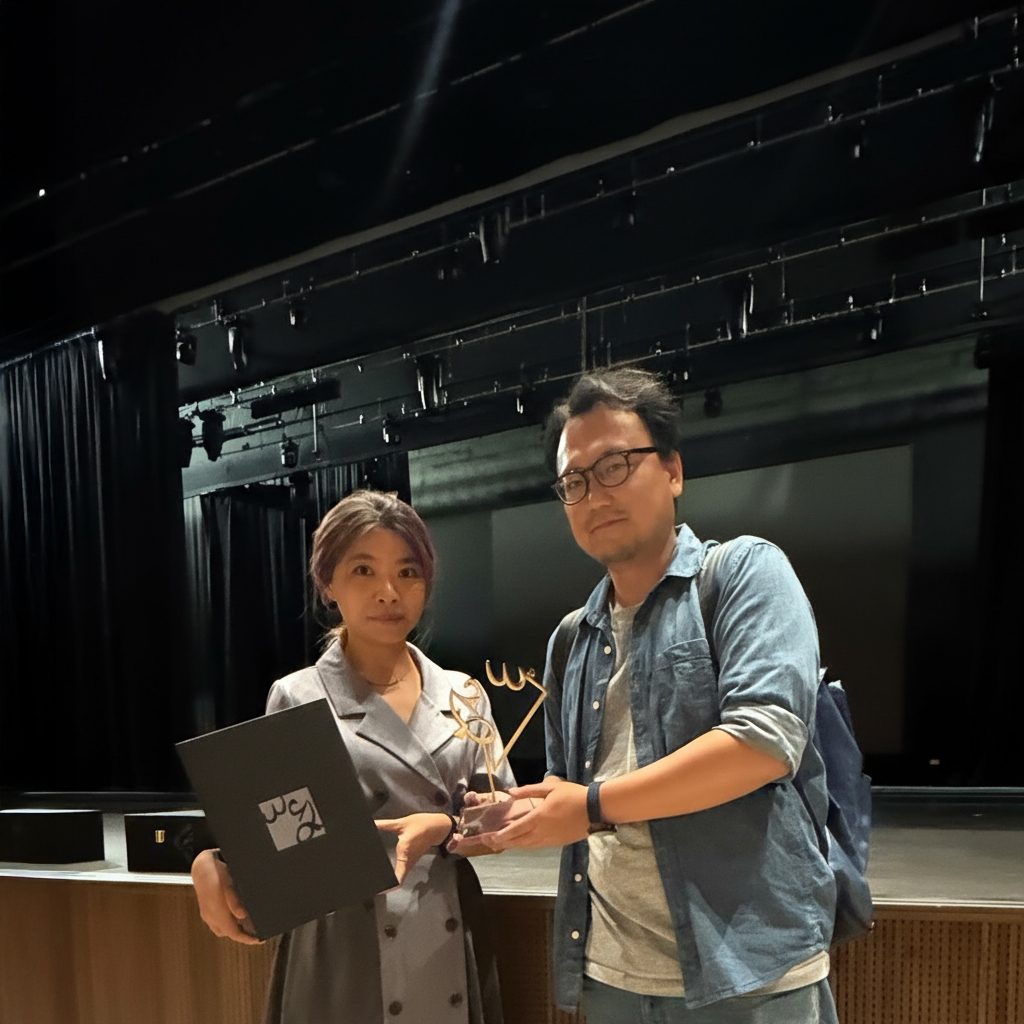
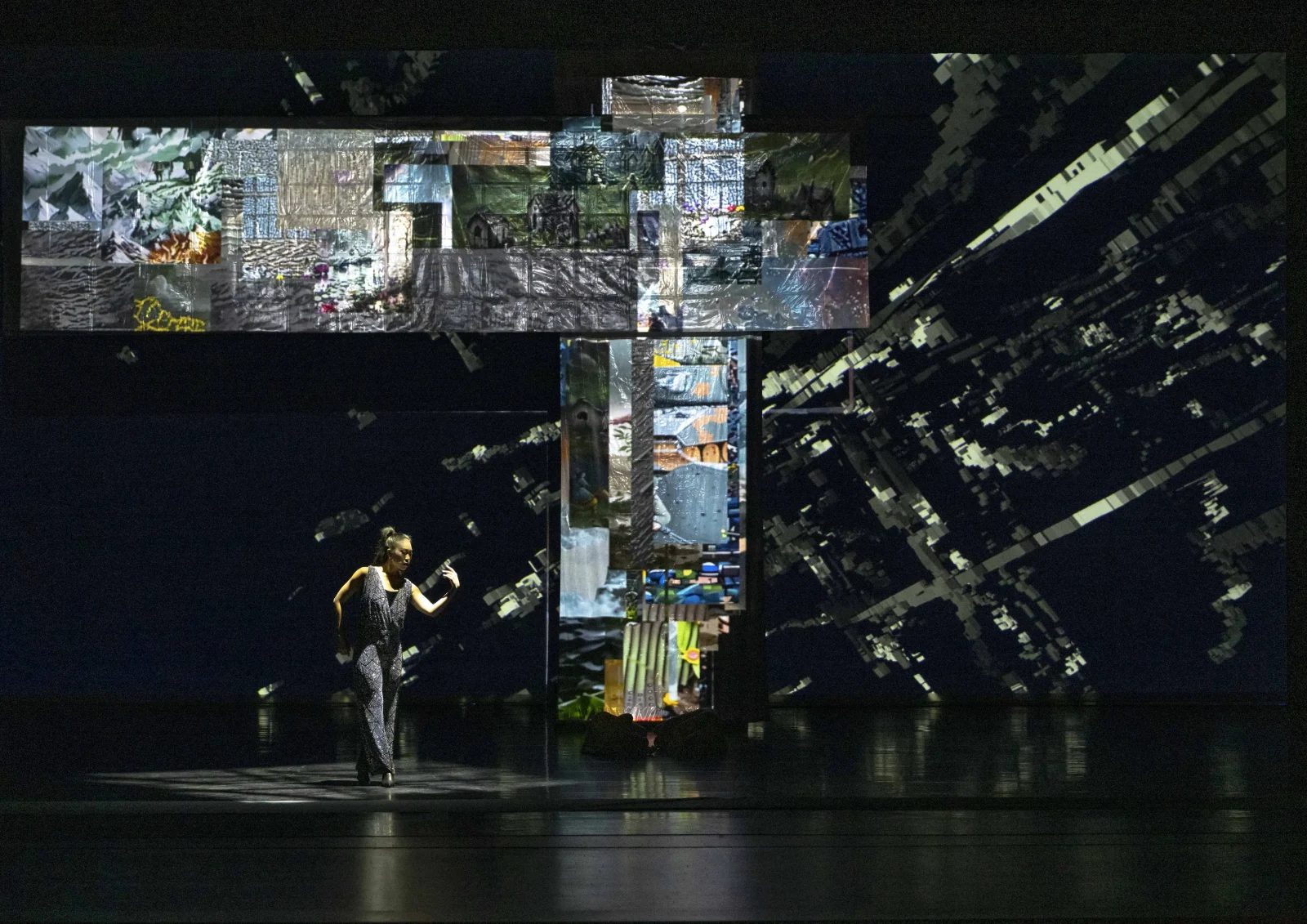
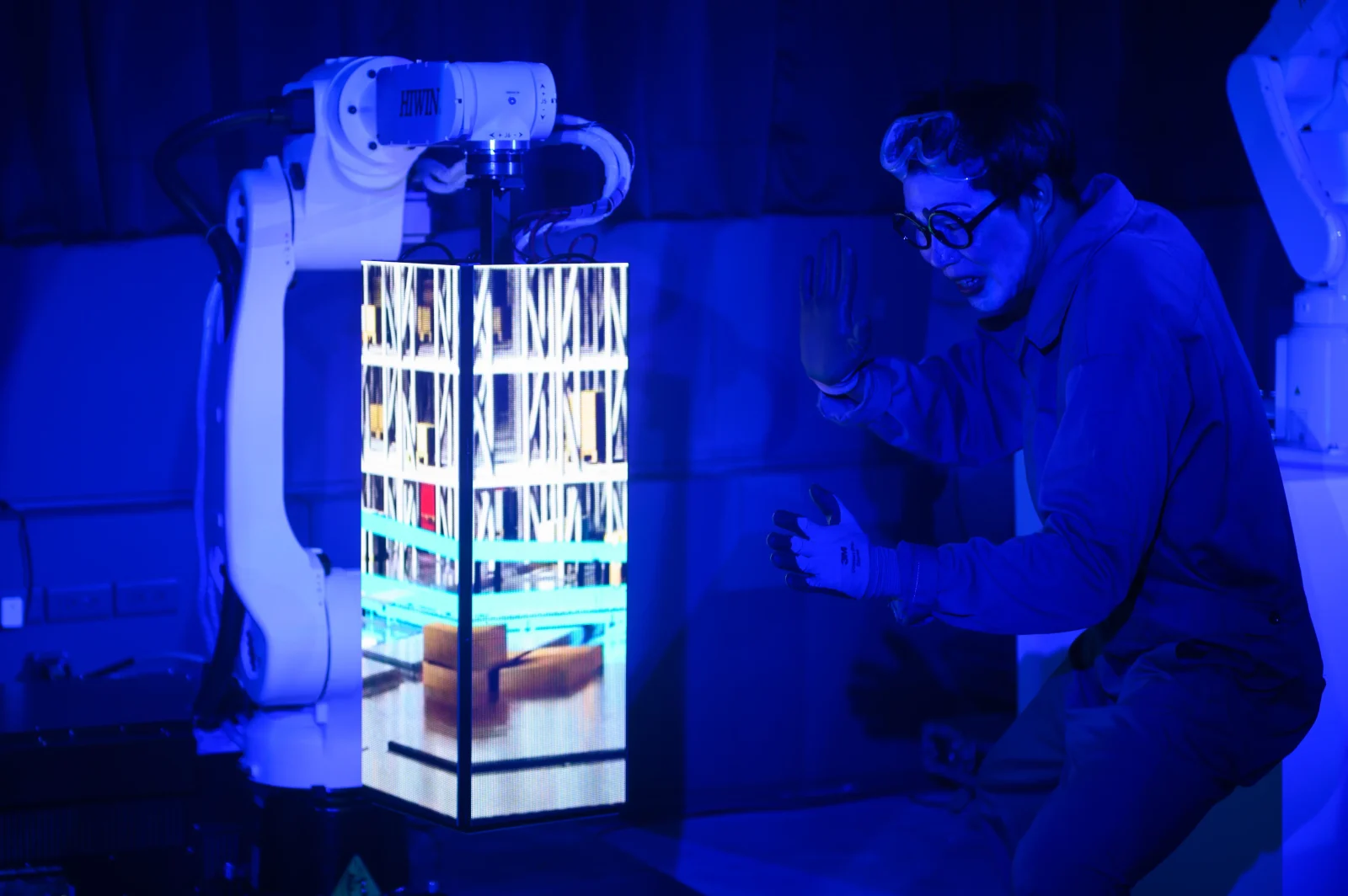
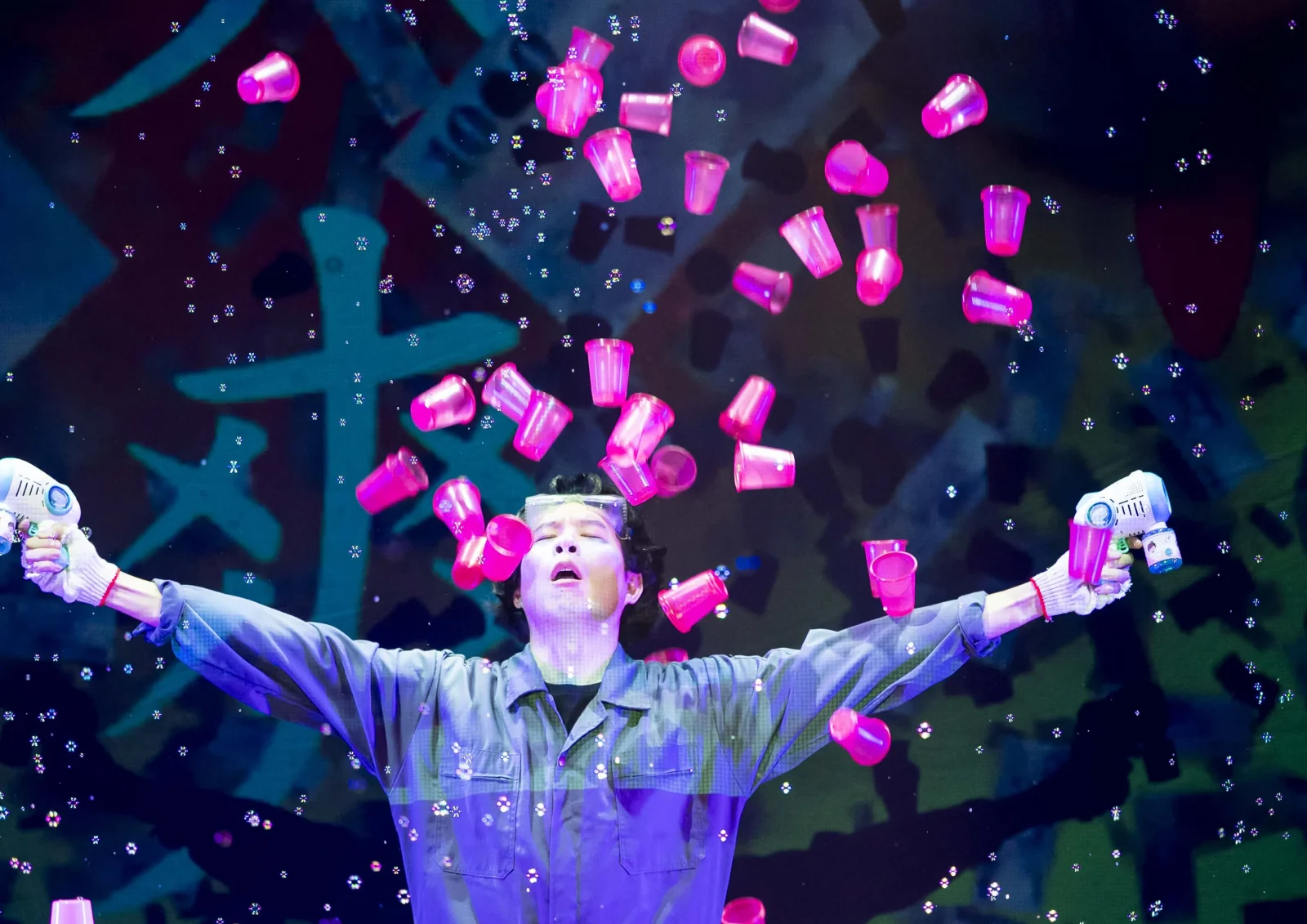
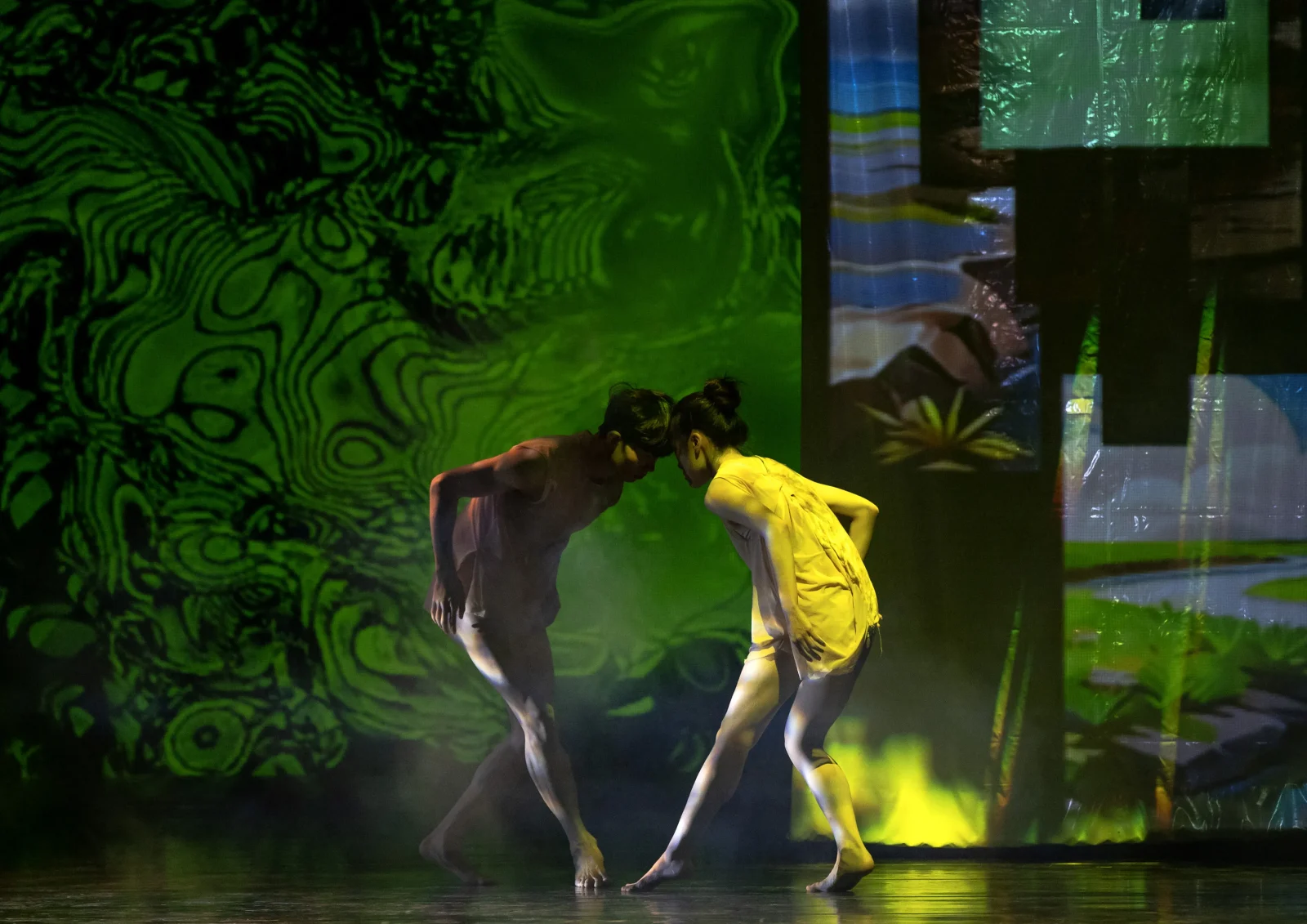
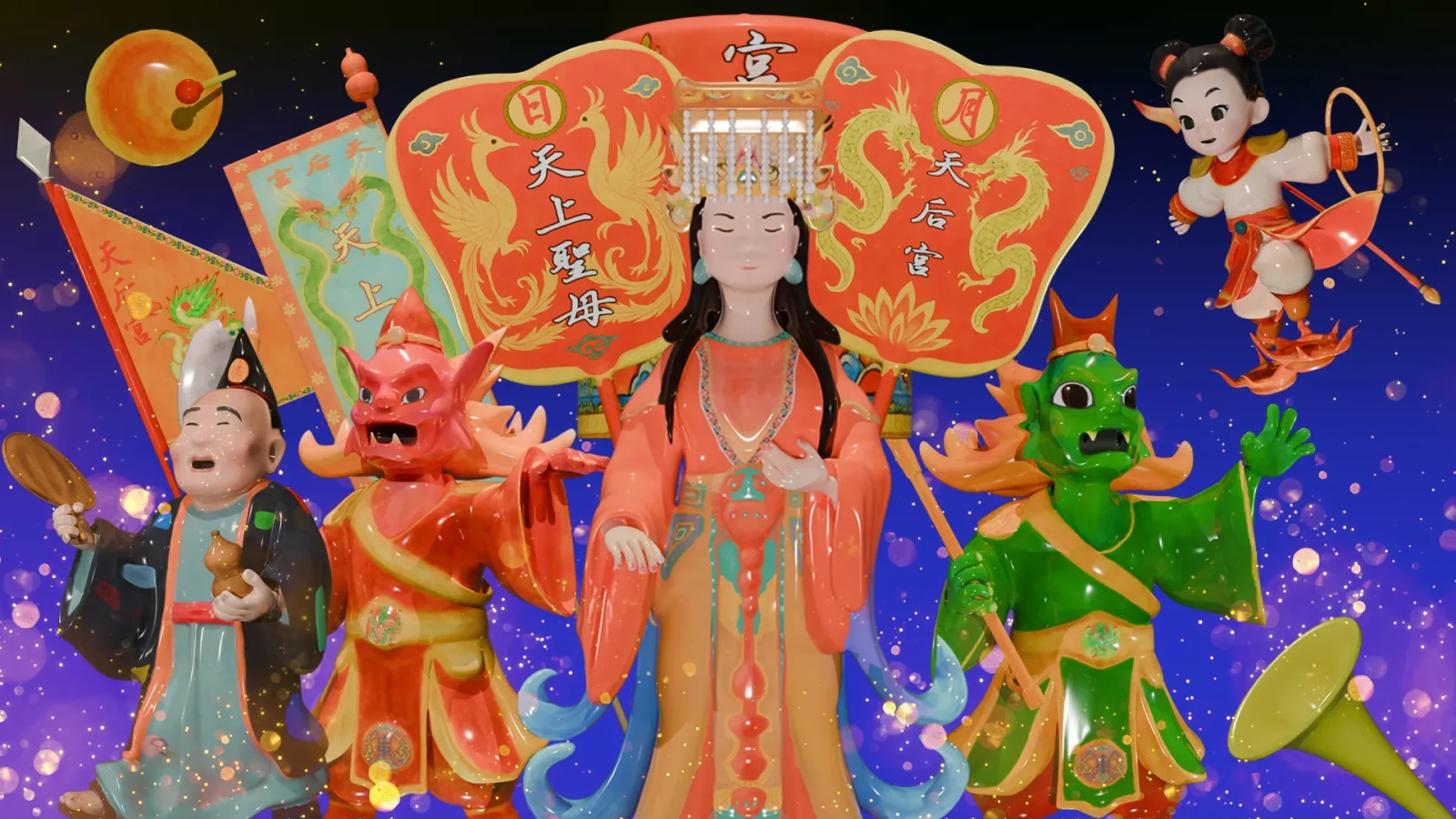
For Heymechanic!, technology isn’t just a medium; it’s a living language of emotion, memory, and connection. Based in Taiwan, the multimedia design group explores how performance, image, and space can merge into a single, responsive experience. Their work blurs the boundaries between the human and the digital, transforming the stage into an environment that breathes through light, sound, and movement.
Heymechanic’s journey began with a curiosity about how technology could expand the vocabulary of performance. Over time, that curiosity evolved into a bold artistic mission: to create immersive worlds where innovation and feeling intertwine. Influenced by media artists like Refik Anadol and Daito Manabe, the collective approaches each project as a collaborative experiment, one that grows through conversation, testing, and discovery.
Working within limited budgets has only sharpened their creativity, leading to performances that pulse with both precision and spontaneity. Their work reveals how technology can serve not as spectacle, but as a partner in empathy and imagination.
In this edition of PROFILES, they reflect on the intersections of art, motion, and code — and on how technology, when guided by emotion, can make performance feel profoundly alive.

Our artistic journey began with a curiosity about how technology could expand the language of performance. Hey Mechanic! is fascinated by the dialogue between the body, image, and space. Over time, this curiosity evolved into a passion for creating immersive and interactive experiences that merge the audience and the stage. Starting from early experiments in multimedia, we continue to explore how technology can embody emotion and memory, seeking new forms of expression that connect art and innovation.
One of the works that most profoundly influenced us is Mortal Engine by Chunky Move. When we first encountered it, we were a group of young designers fascinated by the fusion of light, sound, and movement. The piece transforms the stage into a living, responsive organism where the dancer’s body generates visuals and sound in real time. It was the first time we realized that technology could be more than a tool—it could become an emotional partner in performance. Mortal Engine reshaped our understanding of presence, interactivity, and embodiment, inspiring us to create works where human motion and digital elements coexist in a fluid symbiosis. It continues to remind us that the essence of art lies in the invisible connection between energy, space, and emotion.
Our creative process usually begins with the director and producer defining the central concept. Once the main idea is set, we assemble a team of collaborators who are best suited for the project. Together, we engage in discussions, explore multiple approaches, and experiment with different possibilities. Through this iterative process of collaboration and trial, the work gradually takes shape until it reaches its final form. While structure guides us, there is always room for spontaneous inspiration to emerge during experimentation.
Get Off-Book, Skene’s free newsletter for artists and makers—plus the 2026 Performing Arts Survival Guide.
One of the biggest challenges in creating technology-driven art is budget. Cutting-edge technologies are often expensive, and we frequently need to develop concepts and productions within limited financial constraints. This challenge has shaped our growth by forcing us to be resourceful and innovative—finding creative solutions, experimenting with new materials and methods, and learning to balance ambition with feasibility. It has strengthened our ability to adapt and pushed us to explore new ways of expressing ideas without compromising artistic vision.
We are most inspired by media artists such as Refik Anadol and Daito Manabe. Their work continuously pushes the boundaries of technology, exploring new ways to combine innovation and artistic expression. This approach has greatly influenced our own creative imagination, encouraging us to experiment boldly and pursue breakthrough projects that merge technology, performance, and visual storytelling.
The most exciting thing in our field right now is the continuous opportunity to experiment with new technologies in creative ways, reaching entirely new states of perception. Each innovation not only expands what is possible in performance and media art but also contributes to the ongoing writing of the history of technology and performing arts. This constant exploration keeps the field dynamic and full of potential.
Keep creating and never give up. Persistence is key—through continuous practice and experimentation, you develop your voice, skills, and vision as an artist.
We hope our work expands the possibilities of performance and media art while creating meaningful resonance with audiences. By blending technology, visuals, and live performance, we aim to spark curiosity, evoke emotion, and inspire new ways of experiencing art.
Share this story
We use cookies to ensure our website functions properly, improve your browsing experience, analyze site traffic, and support personalized content. For more information, see our Cookie Policy.
Practical career guidance for performing arts artists and makers. Take it with you.