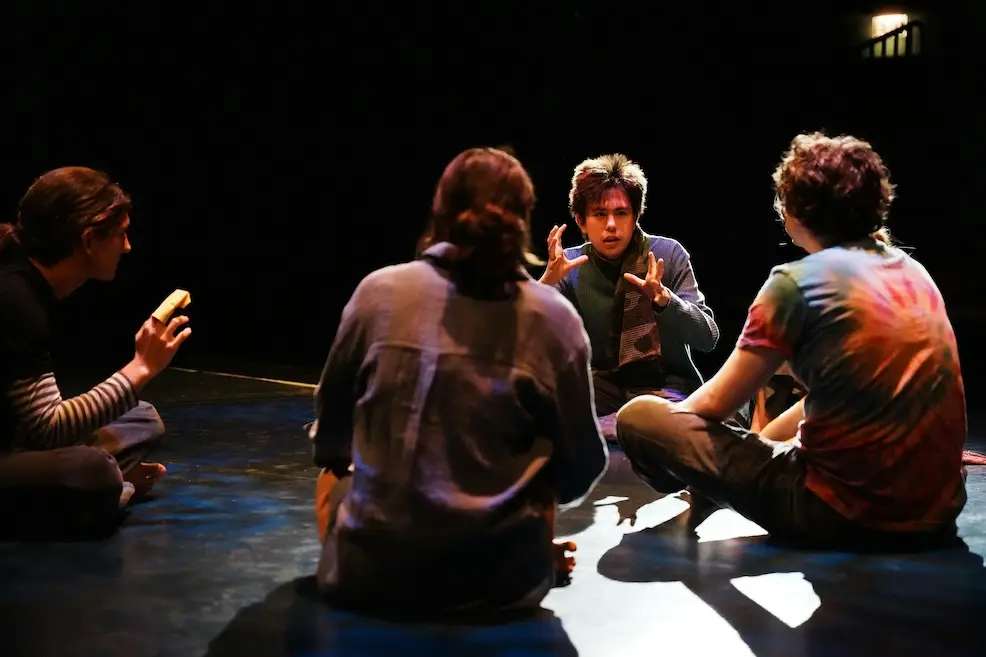
Sunshine De Castro: Truth and Beauty.
Emerging lighting designer whose work on Broadway and beyond is guided by

Emerging lighting designer whose work on Broadway and beyond is guided by

Six essential plays by Black British playwrights that American theatres should be

September’s most-read stories on Skene: Hernán Peñuela on beauty that saves us,

Six contemporary plays perfect for student productions: high-impact stories, minimal sets, manageable

Puppeteer Zack Buchman on building by hand, the magic of the eyes,
Héctor Cruz grew up in a house where art was not an aspiration. It was the texture of everyday life. His father, a muralist at 93, still paints every day. His mother helped develop the polio vaccine. His sisters work in choreography, sculpture, gastronomy. Art was simply what the family did, and the question was never whether Hector would make things, only what kind.
He found his way to the stage through a detour, a painful stretch in advertising that taught him mostly what he did not want. It was his sister Vivian who pulled him back, inviting him to research digital media for a dance piece. What he found there was something he had not encountered in the solitary world of visual arts: the net. A web of complicity, care, and mutual attention without which, he believes, no scenic event can truly happen.
That discovery became a practice, and the practice became a methodology. When the pandemic cancelled a season at Teatro Julio Castillo, his team turned the loss into TCRV, a framework for real-time remote creation that won the UN World Summit Award in 2020. He did not pivot. He listened, and then he built.
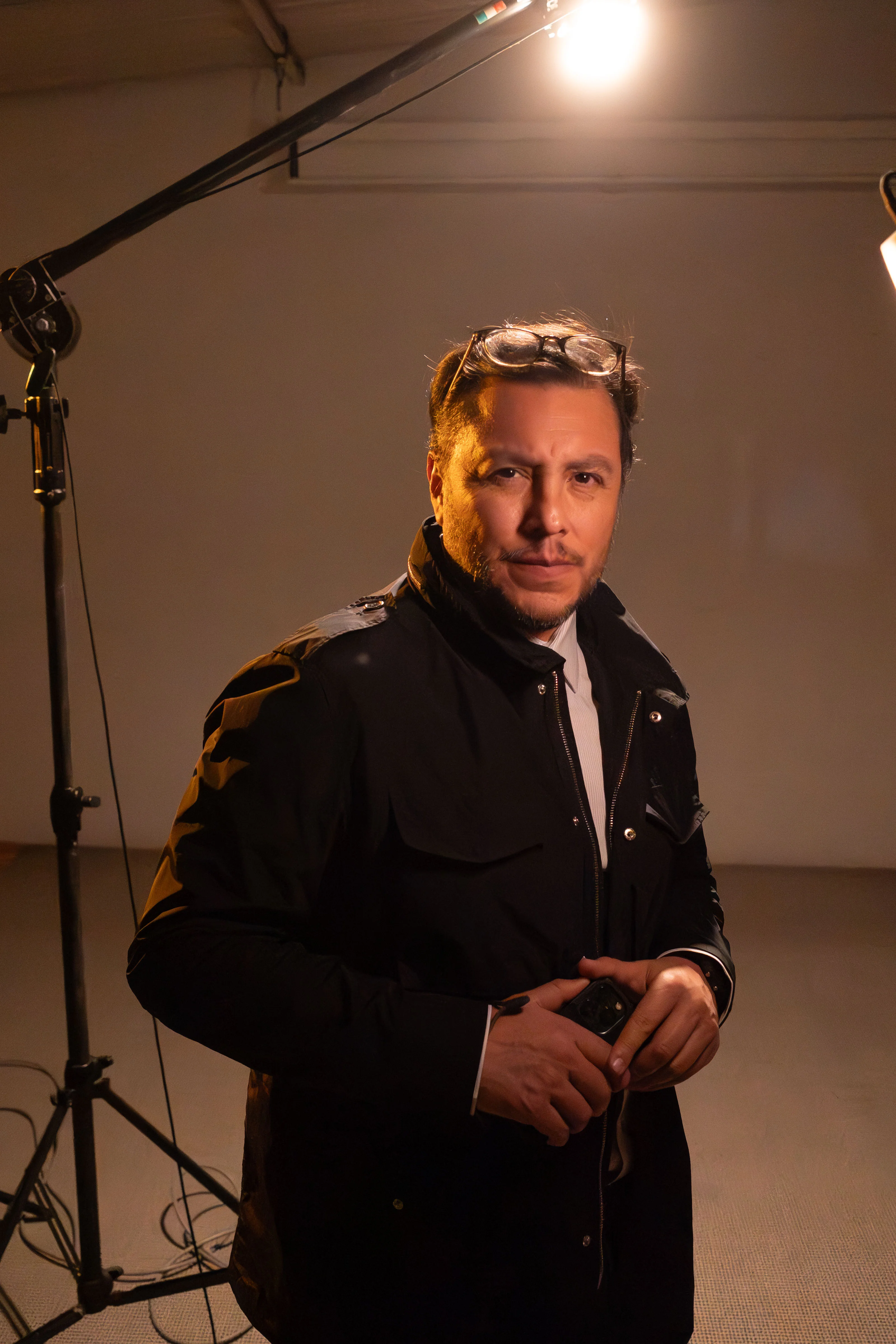
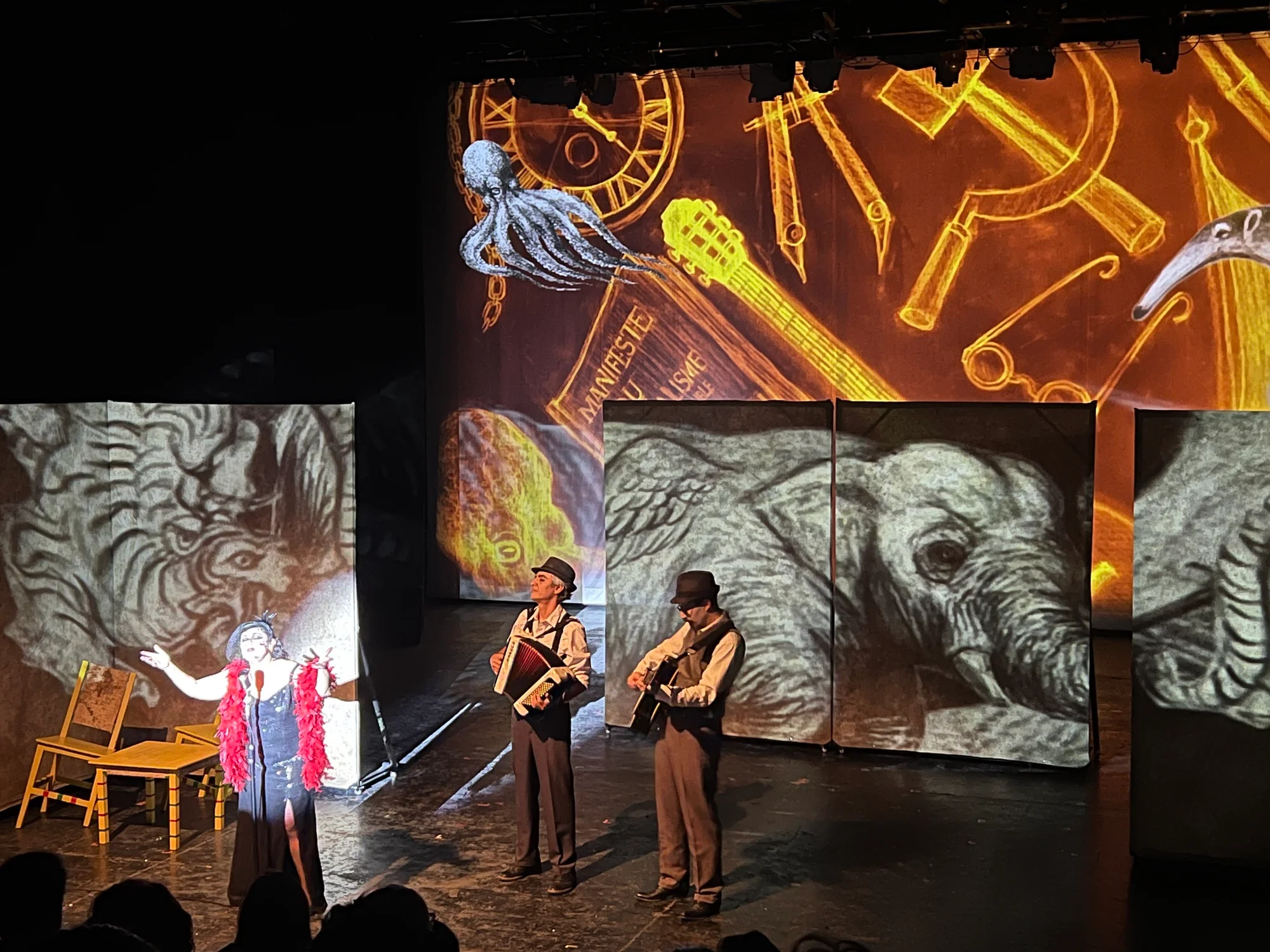
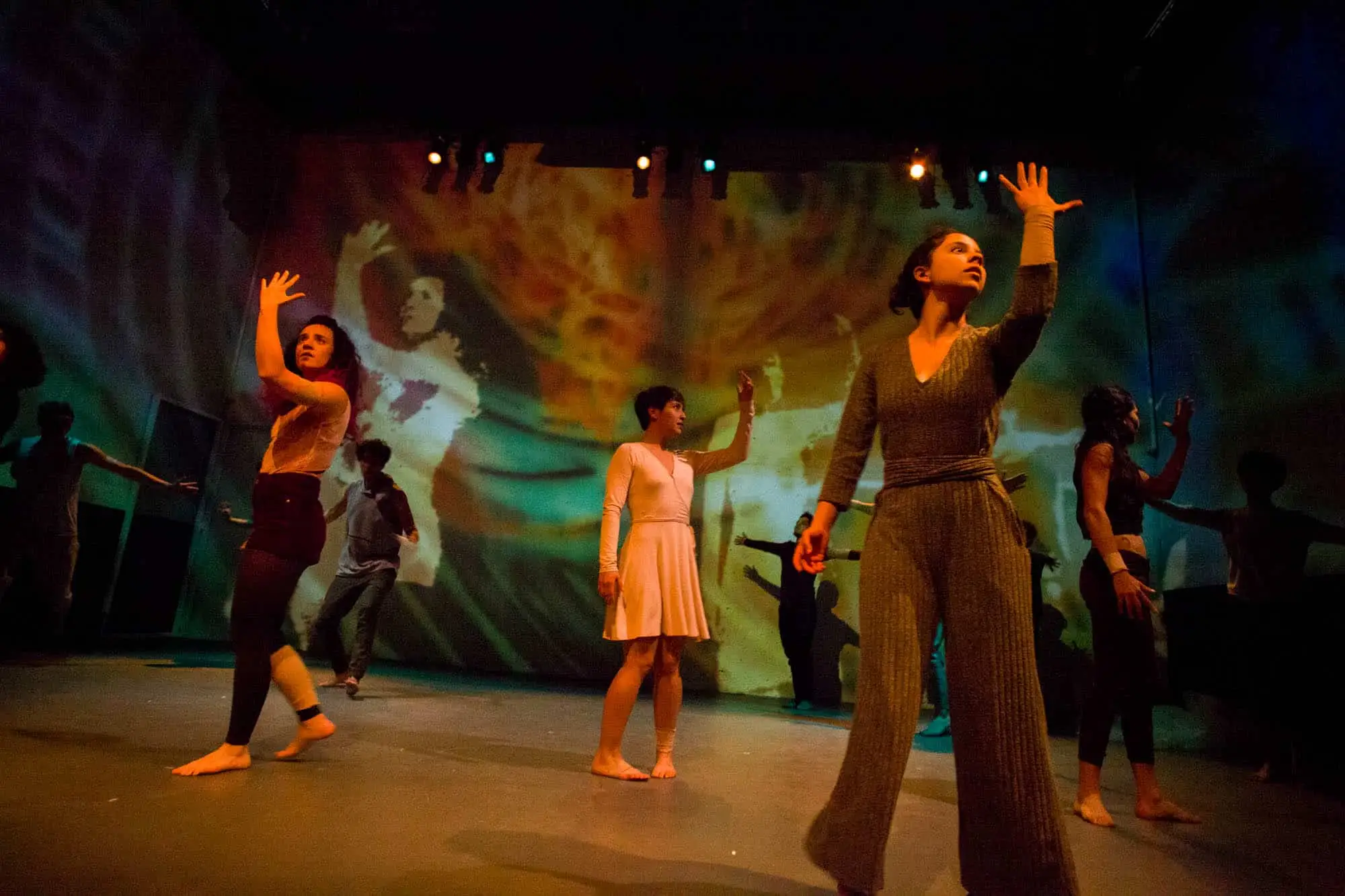
Héctor Cruz is a projection and scenic designer for whom community is not context but foundation, in this edition of PROFILES.
I come from a family of artists. My father is a Mexican muralist painter — 93 years old, paints every day. My mother contributed to the development of the polio vaccine. My sisters work in choreography, sculpture, jewelry design, gastronomy. In that environment, art wasn’t an aspiration. It was the texture of everyday life.My path started with photography — still my safe place when I don’t know where to go. I studied visual communication, stayed close to the stage. But there was a detour into advertising that was a painful mistake. A dark period. No net.It was my sister Vivian — director and choreographer — who invited me to research digital media for a dance piece called Azul. That reunion with the performing arts was night and day.What I discovered was something I hadn’t found in the more individual world of visual arts: the net. In performing arts, a web of complicity, care, and safety slowly forms. It’s an act of faith — if mutual attention isn’t there, the scenic event cannot happen. I think in terms of community. And I believe that community is something worth defending.
Everything started with research alongside Vivian, around 2009-2010. Her compass from the beginning: everything on stage counts. Nothing should be gratuitous.
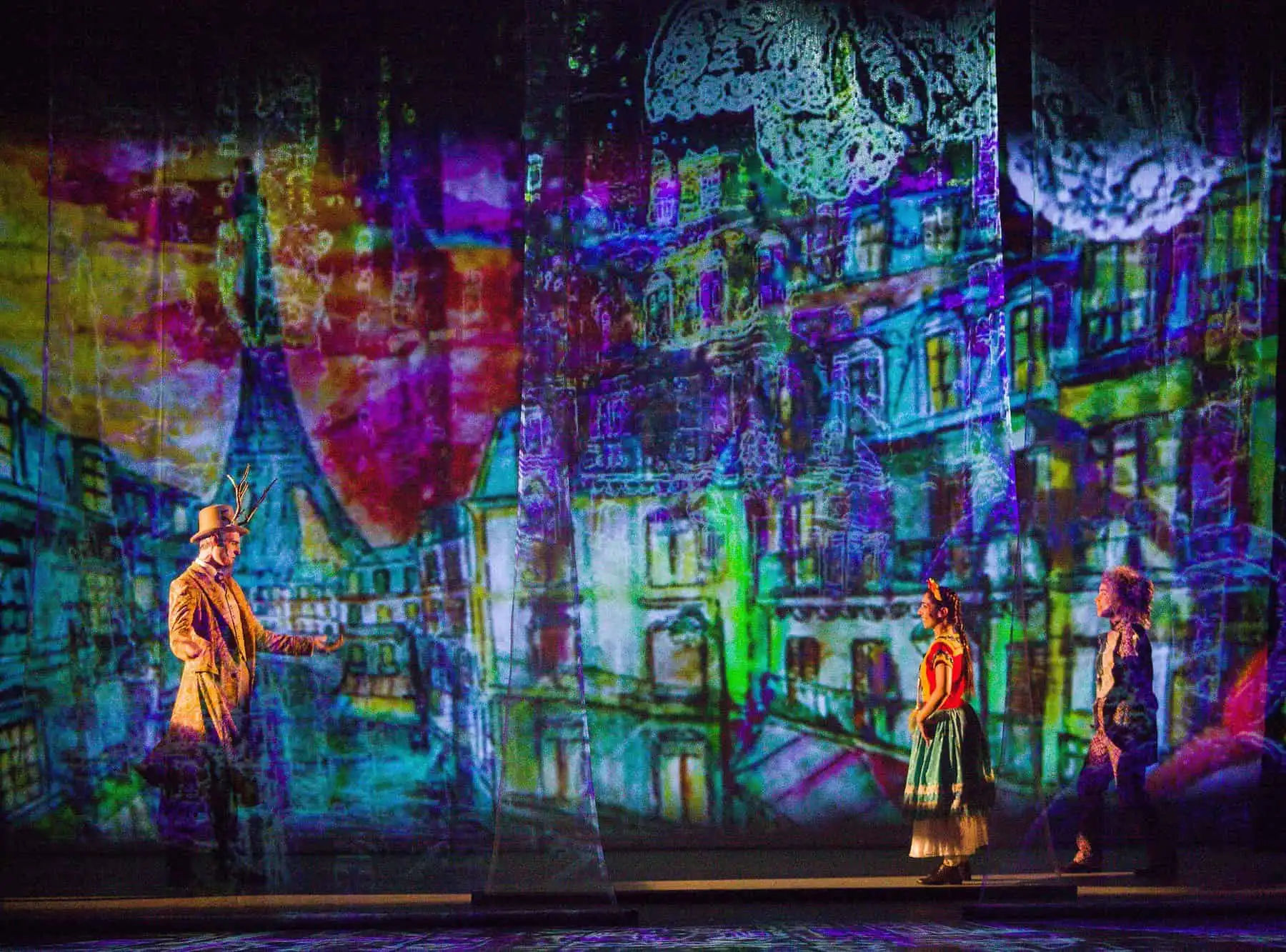
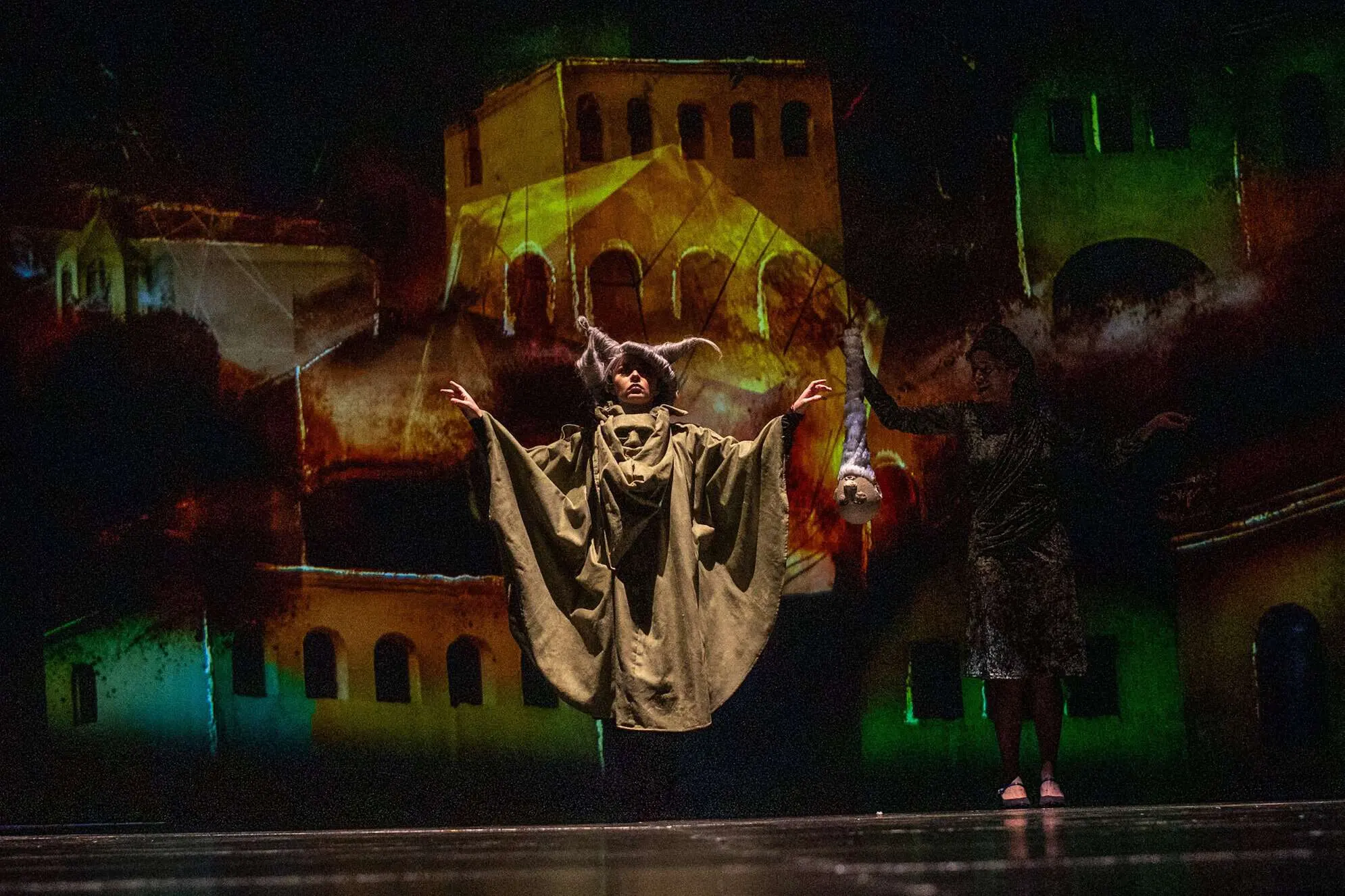
We developed the Croma Project — Azul, Rojo, Violeta — pieces woven with the poetry of Milorad Pavić. For over ten years we explored with Isadora, TouchDesigner, OpenFrameworks, mixing dance, music, theater, multimedia. It was a revolution.
Then 2020 arrived. A season at Teatro Julio Castillo — cancelled. Painful. But we had technical knowledge, a team, a need, and one clear question: what is the agency of performing artists in the digital world?
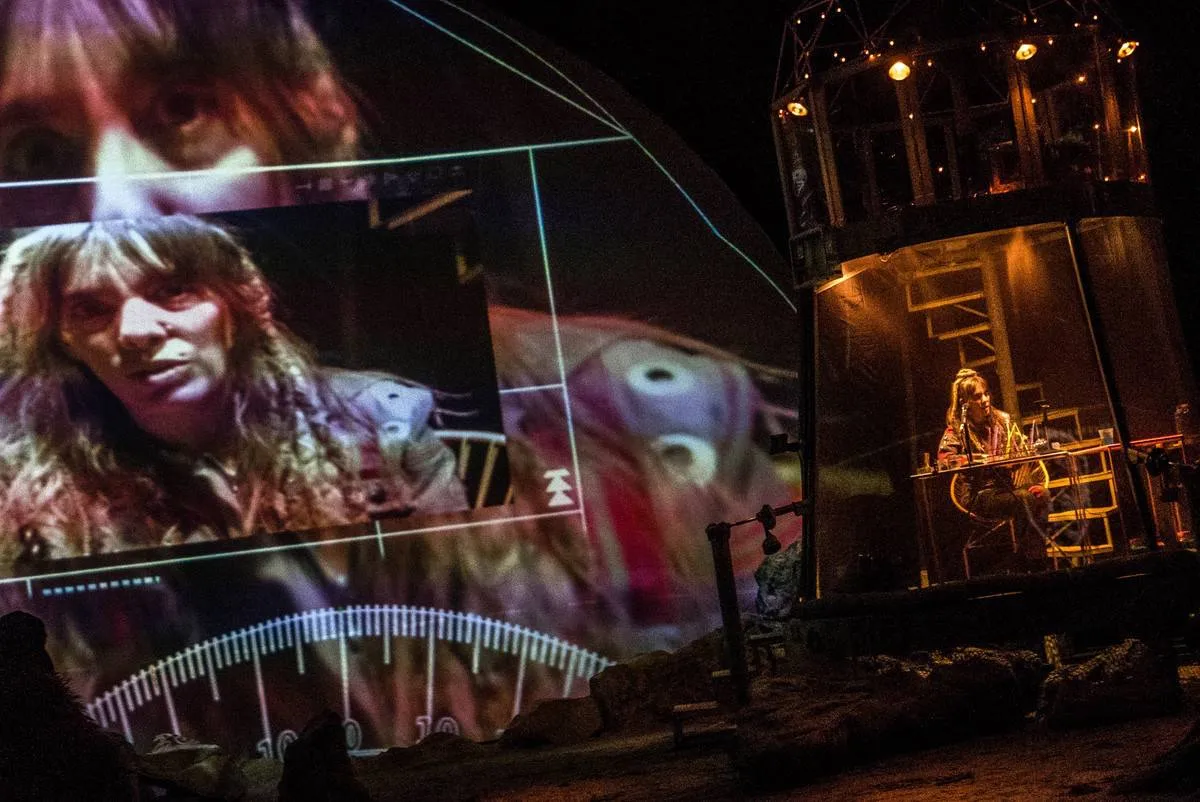
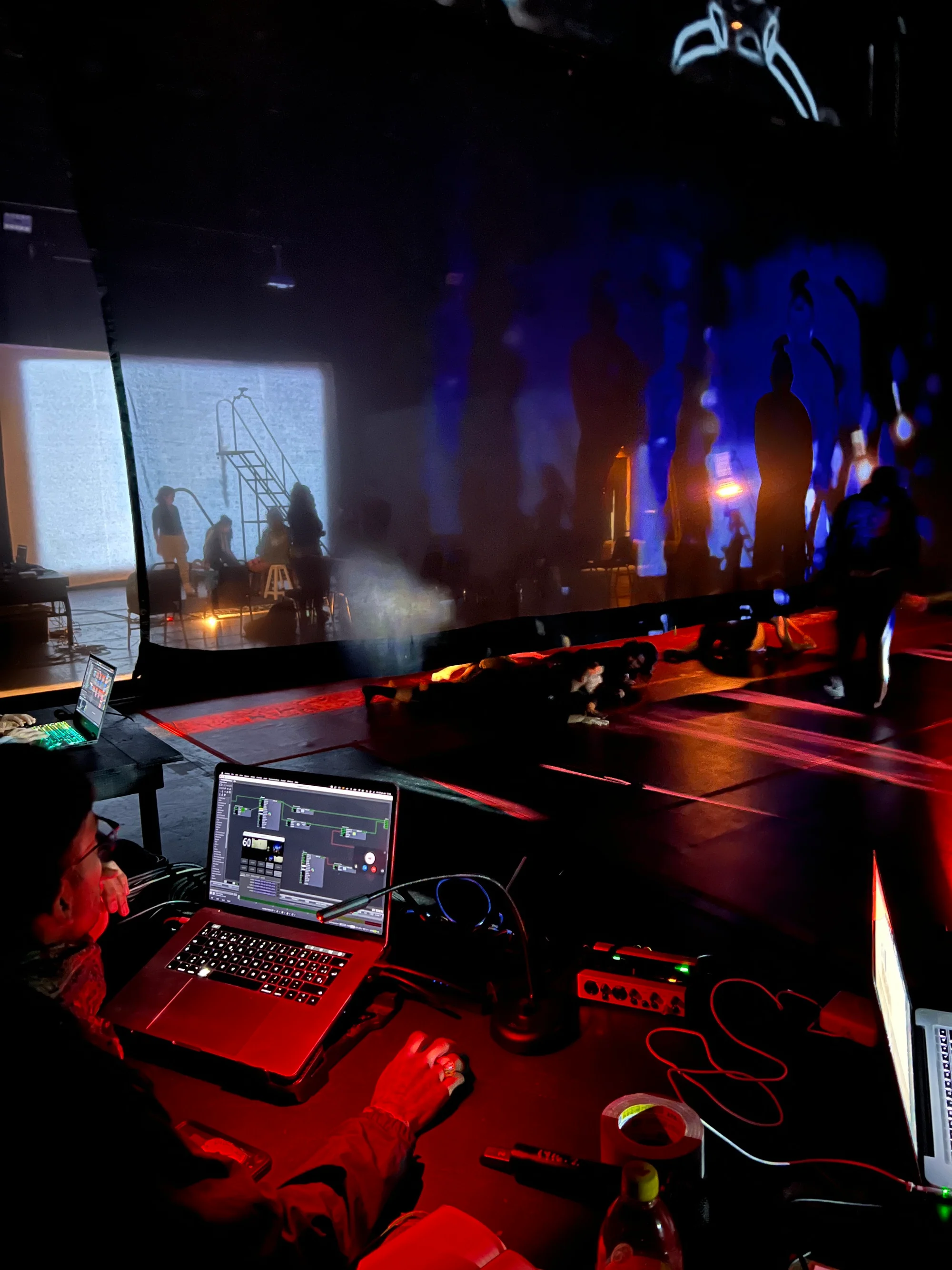
From that, TCRV — Teatro de Creación Remota en Vivo was born. A methodology for real-time creation with performers and audiences connected remotely. We gave performances, ran workshops, published everything as open source. That’s how we were nominated for — and won — the UN World Summit Award in 2020.
But what it means to me is simpler: proof that in the middle of collective pain, with the right focus and honest awareness of privilege, extraordinary creative fertility is possible. And that none of it happens without community.
Structures give me containment. Without them, chaos wins. But if I had to describe how I actually start a project: it’s roughly 90% communication, 90% presence, 90% listening — and then the rest is research and production. I know that doesn’t add up to a hundred. That’s intentional.
I try to be as close as possible to the rehearsal process — dance, theater, opera, music. Because the most important connections between an artistic proposal and what a project actually needs are often built in trivial moments: in repetition, in a conversation during a break, over coffee. Those moments create roots.
I try to leave my ego at the door of the rehearsal room. That doesn’t mean erasing my own creative positions — there are aesthetic, ethical, and political stances one has to hold. But in the performing arts, the process is collective, transversal, deeply about listening. There are no obvious answers. You have to build bonds, build agreements, and always navigate with respect. Human first.
Creative and production challenges exist in every project. Miriam Kaiser, a hugely important cultural producer in Mexico, has a phrase I carry with me: there will never be enough resources. She’s right. That’s the natural state of artistic creation.
But the deepest changes in me — the ones that actually mean growth — have happened in the human territory. Learning to set limits. Learning to reach agreements. That sounds simple and it isn’t. It requires honestly recognizing where you stand as a creator, how power is distributed, what happens when money is involved, when generations shift, when objectives change mid-process.
I know I’m in the right place when I return to work with the same team on a new production. When I arrive at a performance and can give a warm hug to a colleague and say thank you — and receive the same. That’s what builds creative families.
Tania Beer’s eco-scenography concepts invite us to think about sustainability in human terms too. That a team gets along, that people are cared for: that is also sustainability. A lesson that never ends.
My family. I can say that clearly.
One question I ask myself while working on any project: could I show this to my father? Could I bring my nieces and nephews? Would I feel good about the stories we’re telling? Those questions work as a compass — not just aesthetic, but ethical.
I recognize the privilege that origin implies. And I also recognize that within my family’s history there is something essential that feeds me every day.
Beyond that, what inspires me most — artists, projects, people — are those who put identities to the test, who raise difficult ethical questions, who respond to the community they work within. It’s less about styles or visual references, and more about how those practices challenge us as cultural agents. How what we do can change — or has the potential to change — the perception of the community where we live and work. That is what really moves my practice.
It’s March 2026. The generative AI boom has already happened — and what’s becoming clear is that we’ve been immersed in AI processes for a long time. The difference now is that we have more agency over how we use it. That brings unavoidable ethical questions: what does human creativity mean alongside AI-mediated creativity? What is the environmental cost? How do we protect the essence of human artistic expression?
My father trained in an era when artists made their own pigments, built their own frames. Today, creating an image is one of the most distributed acts in the world. I’m careful with the word “democratization.” I prefer to say: technologies distribute, and that distribution allows more people to experiment. That genuinely interests me.
And then there’s community. Espacio Resonancias — a Latin American platform for artists working with integrated media for the stage, from Canada to Argentina — is exactly what excites me: real encounters where diversity produces things that didn’t exist before. That we are different feels like the most beautiful thing in the world.
Stay hungry. Genuinely, uncomfortably hungry — the kind that doesn’t go out easily.
There are many forces today that can erode creative growth: impostor syndrome, the overproduction of images, social media, constant competition. Against all that, the advice that convinces me most is: slow down. Seek out like-minded communities. Connect with more manual, more communal processes, closer to your immediate circle. That slowness isn’t surrender — it’s a strategy.
Be your most honest critic, not your cruelest one. Enter every process with critical thinking and with self-care. If your environment disappoints you — and sometimes it will — see that as an opportunity: build your own environments, your own working groups, your own ways of connecting.
The ideal community doesn’t exist. But we can generate conditions for good relationships with our peers.
If that spark stays lit — the curiosity, the hunger, the respect — what follows are creative, human, and economic exchanges. This is a race of both endurance and reward. Both things. Always.
Through honesty. That sounds large — and being honest is genuinely complex, one can fall into traps. But if you’re honest with yourself, honest with your work, honest with your team — if you operate from the premise that to create you don’t have to destroy — what you build isn’t just a work. It’s a human network.
We can’t separate the act of creation from its impact on the people around it. When I think about the audience — about the gift that a scenic event is — what matters most is that something stays in the psyche of those who experience it. That it moves them in deeper ways. That they remember it.
I’m a romantic about this, I’ll admit it. But working with honesty, having fun, finding love for the work — individually and collectively — is the most beautiful thing I’ve found in the performing arts. And I believe that if you conduct yourself from that place, the rewards come. Not always when you expect them. But they come.
Support artists—share this
Off-Book is the Skene newsletter for artists and makers. Profiles, opportunities, and editorials, free. New subscribers also receive the 2026 Performing Arts Survival Guide.
We use cookies to optimize our website and our service functionalities.
Practical career guidance for performing arts artists and makers. Take it with you.