LATEST POSTS.

Get featured
on Skene!

Paole Calderon: Designing the Quiet Moments.

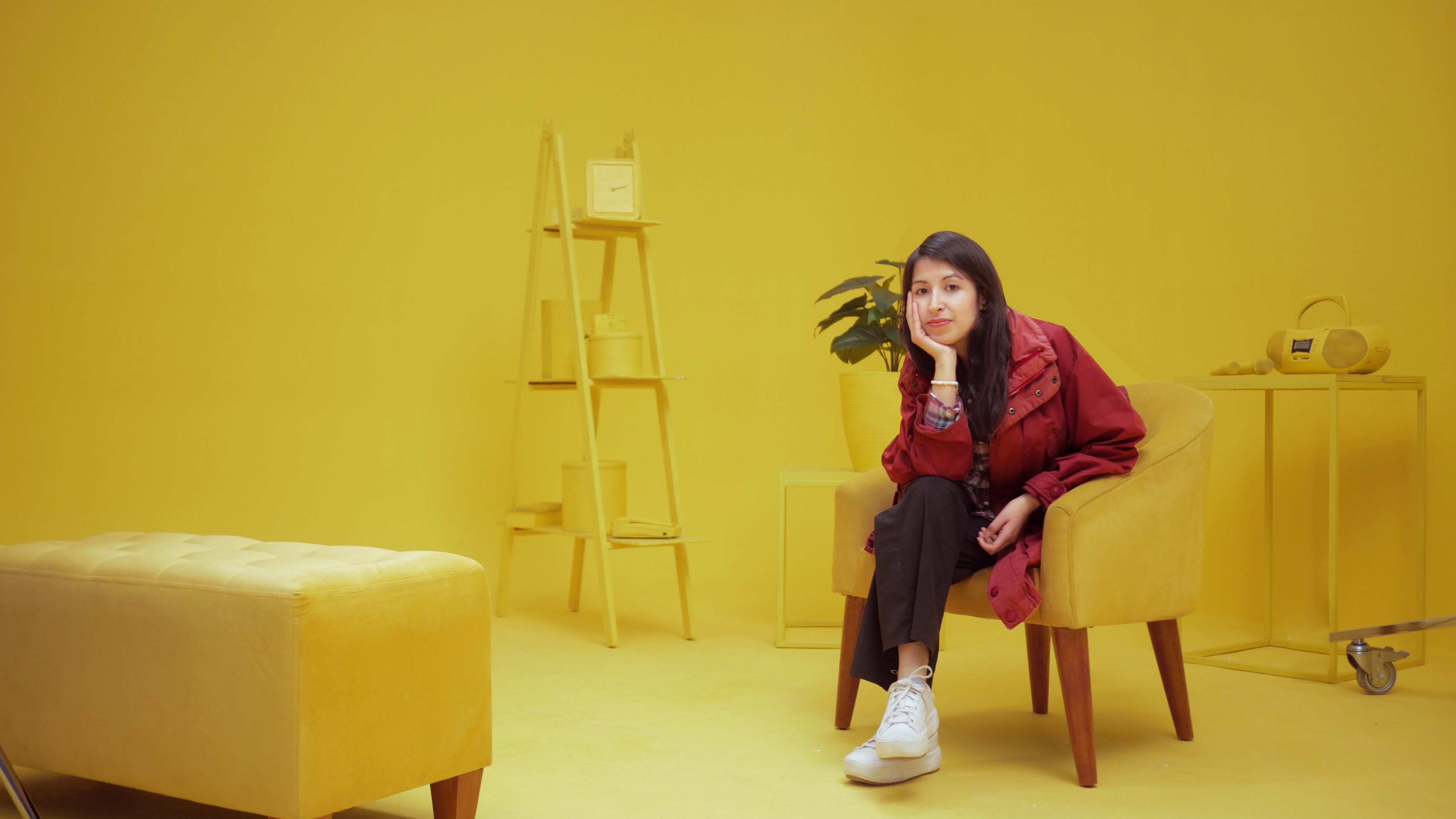
source: Saul Anampa

Growing up in Peru, Paole Calderón found her first stage in her father’s architecture studio. Surrounded by translucent drafting paper, watercolors, and shelves filled with books on art and design, she learned early that spaces are more than structures—they are vessels for memory, curiosity, and story. That spark of wonder followed her through art books and studio visits with women designers she admired, and it soon ignited into a career that bridges theatre and film.

For Paole, design is not just about crafting beautiful sets—it’s about shaping environments where stories come alive. Her journey has stretched from large-scale musicals like How to Succeed in Business, where she discovered the living rhythm of theatre, to fast-paced film projects at Steiner Studios in New York, where her sketches transformed into full sets within days. Each experience sharpened her sense of design as something active, breathing, and deeply human.

Today, she calls herself both a scenic and production designer: a builder of worlds where emotion, memory, and imagination converge. In this edition of PROFILES, Paole reflects on her path, her inspirations, and her belief that design is a calling to create spaces that invite us to feel, connect, and remember.

advertising
partner content

Paole Calderon

she/her
Production & Scenic Designer
Peru
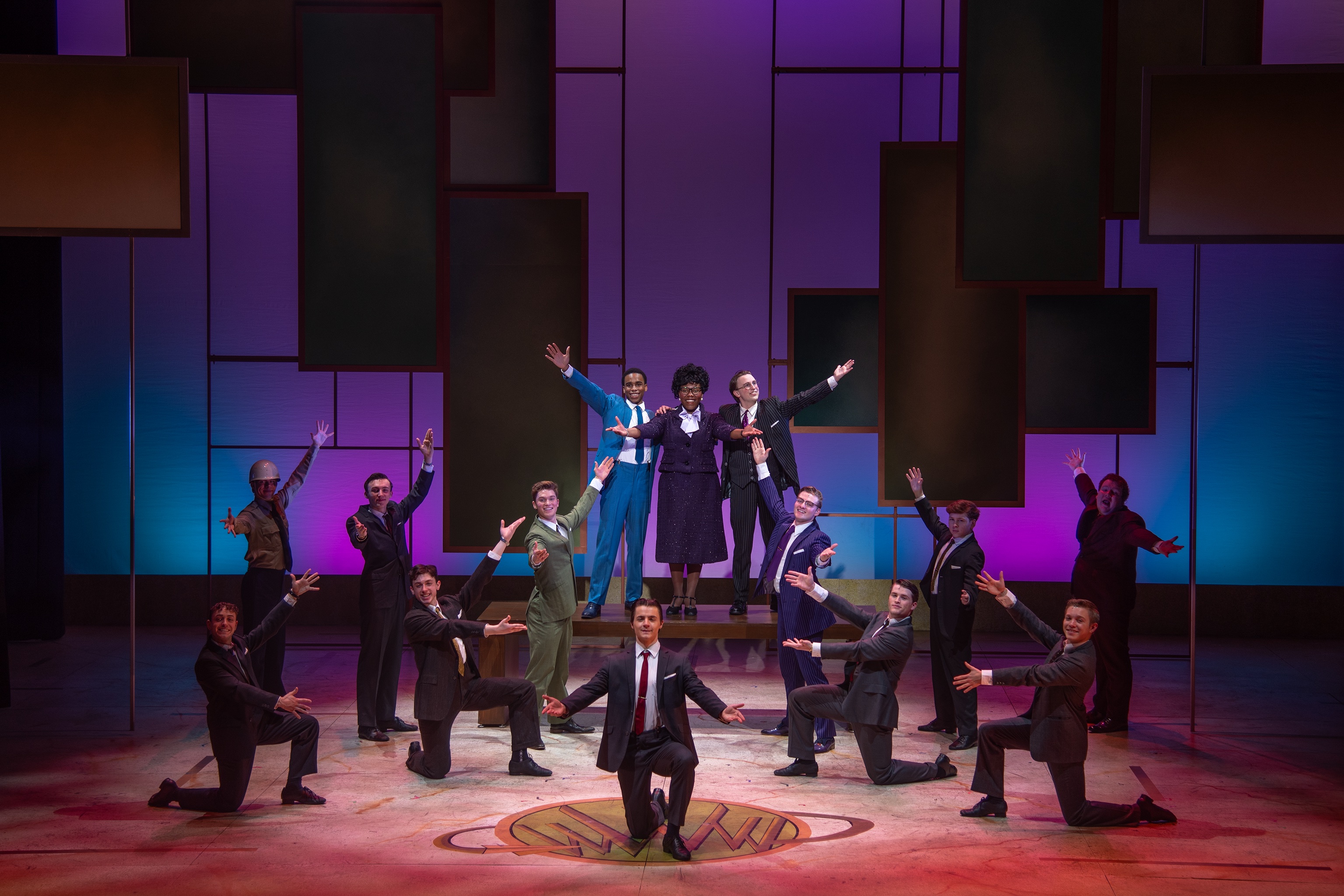
How to Succeed in Business Without Really Trying, source: Vinny Pilone

1. What sparked your interest as an artist and how has that spark evolved over time?

My journey as an artist began in childhood, shaped by growing up close to my father’s studio, an old-school architect who drafted handmade ground plans. I was surrounded by his books of Fine Art, Architecture and other disciplines. He read a lot, and he taught me that art could be a way of seeing and understanding the world. As I played in his studio, I learned to look at cities, buildings, and spaces with curiosity. I started playing with his materials, that translucent paper, watercolors, and sketching what I wonder in art books.

Over time, I also sought out inspiring women as Cecilia Montiel, Azul Boreintein, and Milagros Ponce de Leon whose work I admired, and asked them, followed their journeys, and visited their studios with curiosity by how they had found their paths. That curiosity deepened into my calling. I pursued film and production design because they allowed me to build entire worlds from imagination, and later I found theatre, which challenged me to shape spaces that hold live, shared experiences.

Today, as a scenic and production designer, I see my work not just as creating beautiful environments but as crafting spaces where stories, identities, and human connections can come alive. What once was a fascination with making things has evolved into a commitment to storytelling to designing worlds that hold emotion, memory, and meaning, and to inviting others into those worlds to feel something real.

How to Succeed in Business Without Really Tryingdigital rendering, source: Paole Calderon

2. Can you share the story behind one of your favorite works and what it means to you?

Two projects stand out as turning points in my journey. Designing How to Succeed in Business was my first time taking on a large-scale musical, and it pushed me far outside my comfort zone. Coming from a film background, I had to learn how theatre functions as a living organism how spaces must adapt to performers, choreography, and the rhythm of live storytelling. It was challenging, but it reshaped the way I think about design: not as static scenery, but as an active, breathing part of the performance.

Soon after, I designed a short film at Steiner Studios in New York, leading the art department and collaborating closely with the director and crew. It was fast-paced and demanding, yet thrilling to watch my sketches turn into full sets within days. That experience affirmed how production design can anchor a story how the world you create shapes everything that unfolds within it.

These two projects mark the moment I began to see myself fully as both a scenic and production designer: someone who builds spaces where stories can live, whether on stage or on screen.

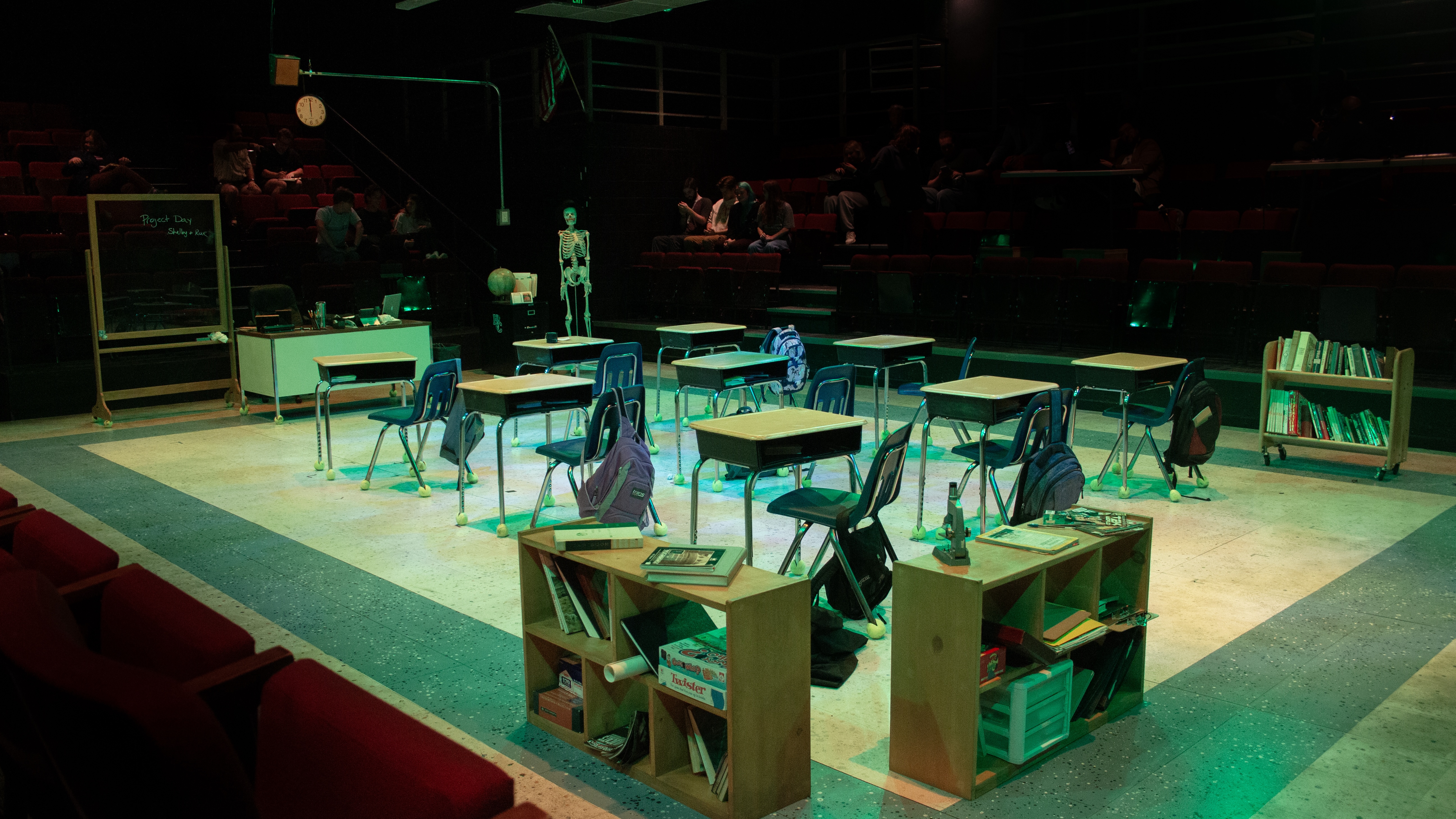
John Proctor is the Villain, source: Paole Calderon Vega

3. What is your creative process—do you follow a routine or does inspiration come spontaneously?

I’m definitely a ratón de biblioteca at heart, I love digging into research, reading everything I can about a story, its context, and the people who will bring it to life. My favorite part is trying to understand the psychology of the directors I work with, learning to “read” them in different ways, and shaping designs that respond to their vision while adding my own voice.

Inspiration often strikes spontaneously, a detail I discover in a book, a texture, or even a fleeting thought but I always combine it with this research-driven approach. For me, creativity is a mix of curiosity, patience, and attentiveness: letting ideas emerge naturally while giving them the structure and craft to become something real and alive on stage or screen.

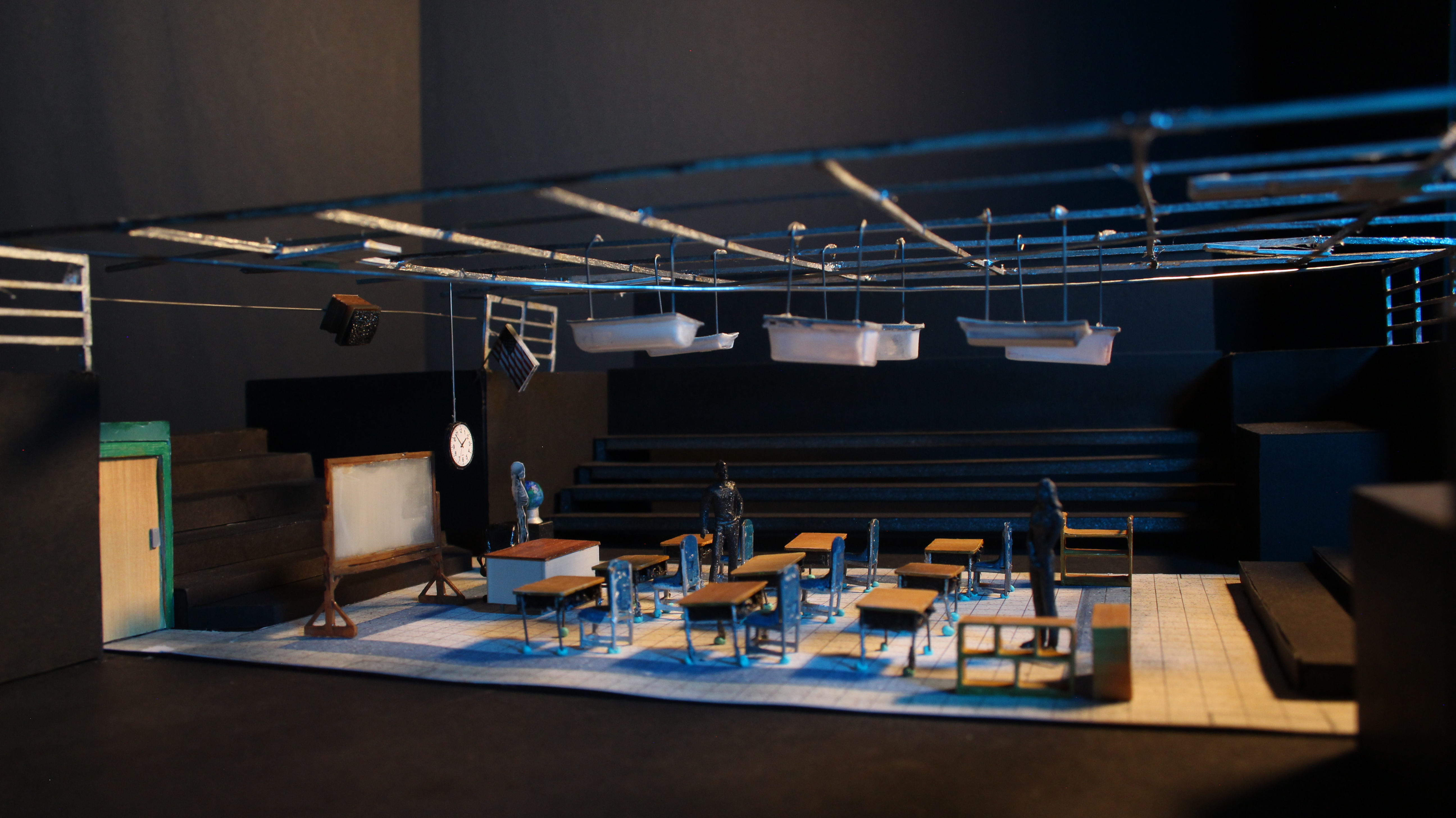
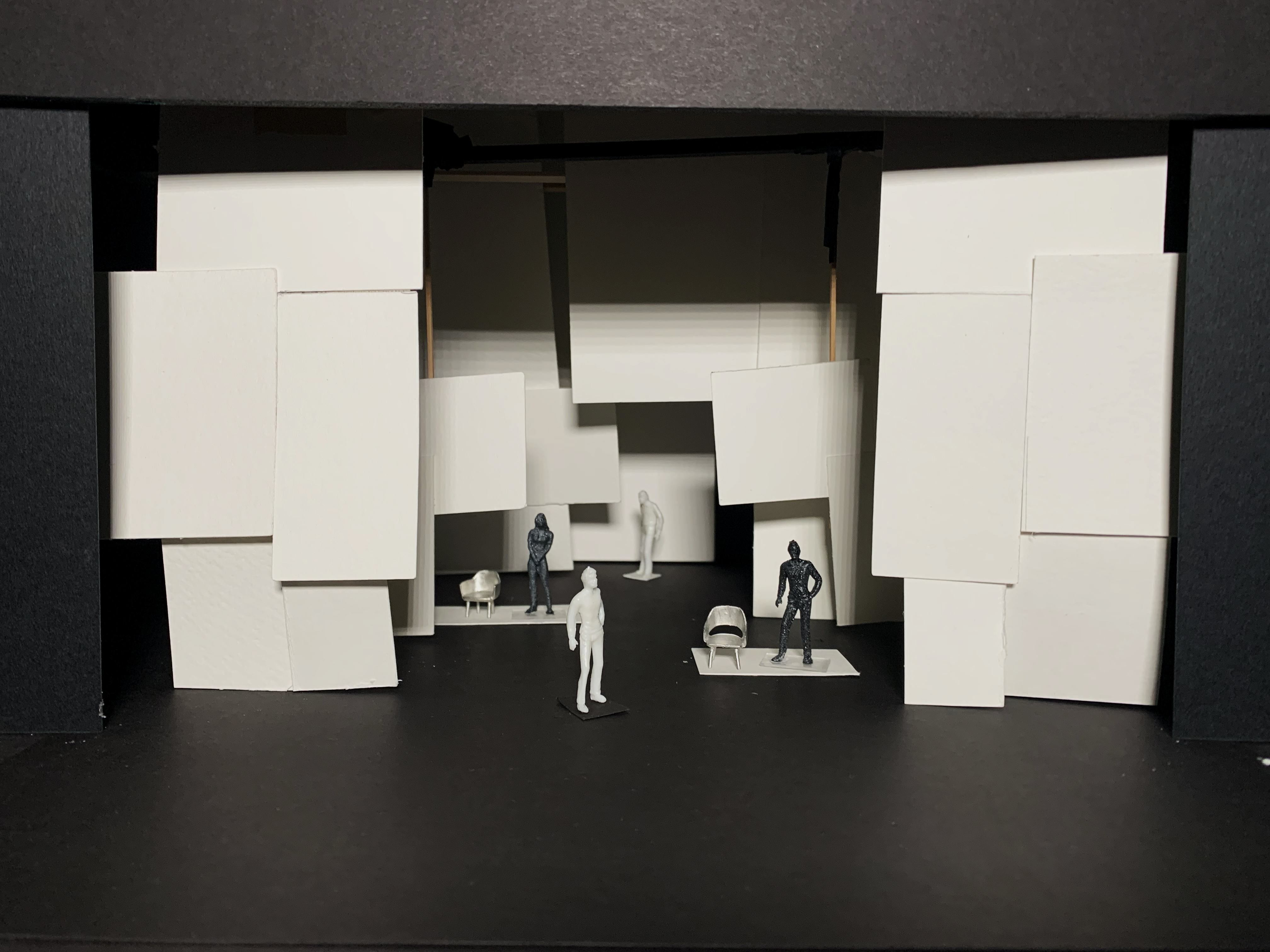
John Proctor is the Villain model, source: Paole Calderon

4. What has been your biggest challenge as an artist and how did it influence your growth?

One of my biggest challenges has been navigating the life of a student while holding on to my dream of becoming a designer. Balancing heavy workloads, technical demands, and constant critique can feel overwhelming, but I’ve learned to find ways to keep myself motivated small moments of inspiration, sparks of curiosity, or unexpected discoveries that remind me why I create.

This balance between challenge and spark has shaped me into an artist who is patient, persistent, and curious someone who trusts their instincts and continues to experiment, even when the path feels difficult, because those fleeting moments of motivation make everything possible.

5. Who or what inspires you the most, and how is that reflected in your work?

I’m inspired by people who pursue their vision with authenticity and courage, and I feel incredibly lucky to have had the chance to work with or at least be around artists, directors, and designers whose work challenges the norm and reflects a deep understanding of the world. My father, an old-school architect, has also shaped me profoundly. Even today, I call him to ask questions about balancing being an artist, listening to critique, and still leading with confidence. His meticulous craft and way of seeing spaces taught me to notice the beauty and meaning in every detail.

This inspiration shows up in my work as a combination of curiosity, research, and intuition. I love exploring the psychology of directors, reading their visions, and translating that understanding into spaces that amplify stories. I strive to create environments that are both emotionally resonant and thoughtfully crafted, where every texture, gesture, and object carries meaning, a reflection of the people, ideas, and worlds that inspire me.

How to Succeed in Business Without Really Trying white model, source: Paole Calderon

6. What do you think is the most exciting thing happening in your field right now?

One of the most exciting things in scenic and production design right now is the blending of disciplines how theatre, film, animation, and immersive experiences are influencing each other. Designers are discovering new ways to create worlds that are tactile, emotional, and technologically inventive all at once. For me, having the opportunity to study what I truly want and to keep experimenting in this field is a privilege, and it makes every challenge and discovery feel even more meaningful.

I’m inspired by projects that combine traditional craftsmanship with digital tools, handcrafted models with projections, or physical sets with interactive elements. This is a thrilling moment where imagination and technology meet, allowing designers like me to create experiences that are both visually stunning and deeply felt by audiences.

Alba stop-motion short film -making-of, source: Raul Kawanishi

7. What advice would you give to artists or creatives who are just starting out?

My advice would be to keep sparking to keep finding those moments that give your soul energy and remind you why you create. Being a designer or working in the arts can be difficult, but what matters is that you have the space to breathe, to believe in yourself, and to stay human. Never lose the sense of discovery and curiosity you had as a child, the ability to see the world with wonder, to be amazed by details, textures, and experiences. Those small sparks are what keep your work alive and your imagination thriving.

ACNUR (TV show), source: Daniel Chang

8. How do you hope your work will connect with people or leave an impact?

I hope my work connects with people the way art has always moved me. There have been moments when I’ve seen a piece of art in a gallery, a photograph, or even a diorama. I remember seeing a diorama by Dalí and feeling deeply moved. When I saw a Monet painting of a church, I cried simply from being in his footsteps, noticing every detail he captured. I want to create that same emotional resonance for audiences: spaces and designs that invite them to feel, reflect, and connect.

For me, the most powerful impact of design is in those quiet, intimate moments when someone notices a texture, a gesture, or a detail and it sparks emotion, curiosity, or wonder. I hope my work leaves that kind of imprint, where the story lives not just in the scene, but in the hearts of the people experiencing it.

Support artists—share this

More like this, twice a month.

Off-Book is the Skene newsletter for artists and makers. Profiles, opportunities, and editorials, free. New subscribers also receive the 2026 Performing Arts Survival Guide.

About the Author

Leave a Reply

Your email address will not be published. Required fields are marked *

Abingdon Theatre Company - Season 34
advertising
Abingdon Theatre Company - Season 34
FREE FOR ARTISTS

Get the 2026 Performing Arts Survival Guide.

Practical career guidance for performing arts artists and makers. Take it with you.