
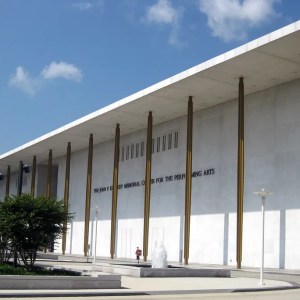
Inside the Decision to Rename the Kennedy Center After Trump.
The Kennedy Center has been renamed the Trump Kennedy Center. Here is what changed, how it happened, and what it means going forward.
The Kennedy Center has been renamed the Trump Kennedy Center. Here is what changed, how it happened, and what it means going forward.

Lighting designer Richard Bryant explores the balance between grace and power, empathy and light, in the art of theatrical storytelling.

Aries Limón blends craft, and culture in her costume technology work, celebrating growth, mentorship, and the history behind traje de charro.

A powerful reflection on queer resilience, theatre as refuge, and the evolution of LGBTQ+ representation from the 1980s to today.

Filmmaker Edrian Pangilinan explores queerness, memory, and healing through honest storytelling that connects art and emotion.
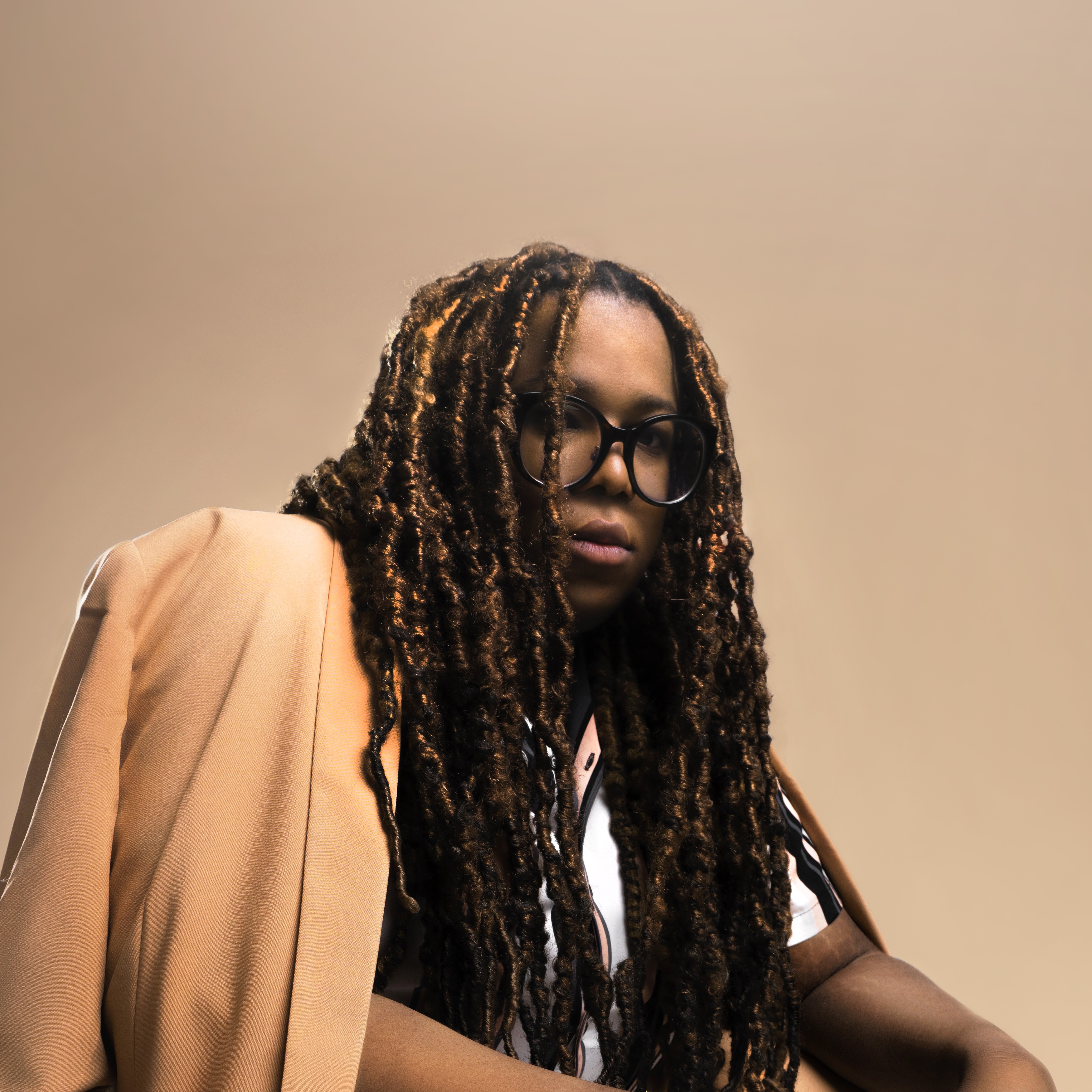
For costume designer Harri Horsley, design is more than fabric and form—it’s a way to amplify unheard voices. Originally drawn to fashion and journalism, Harri found her creative home in costume design after a college friend introduced her to the stage. That moment unlocked something powerful: a way to merge storytelling, identity, and history through clothing.
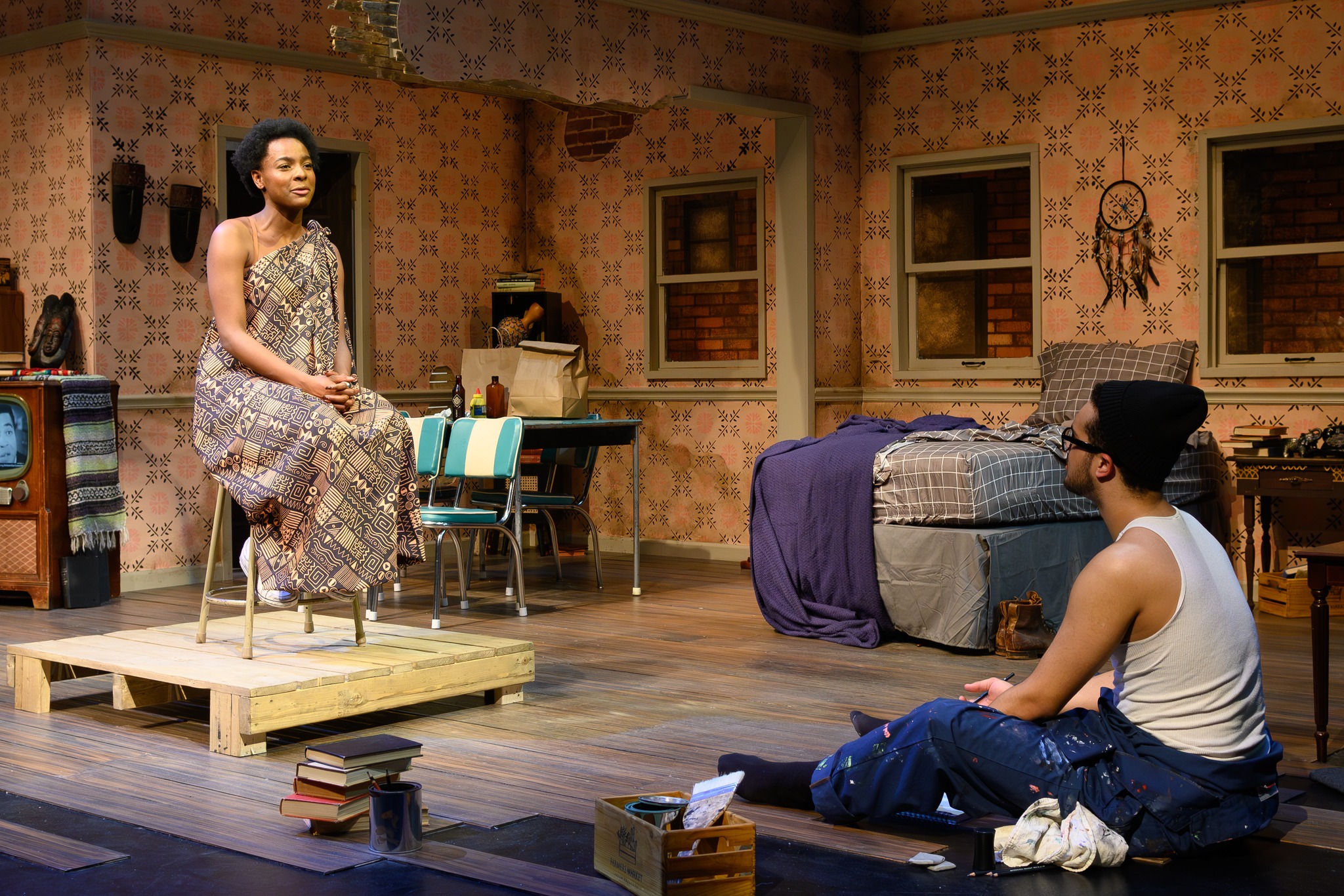
Her work on In the Heights stands out not just for its flair, but for its emotional truth—drawing directly from her upbringing in Chicago and Texas, and honoring the Latine communities that shaped her. Harri’s multicultural background—Southern, Northern, Costa Rican, and Black—fuels her mission to design for stories that reflect the full American experience.
In this edition of NEW TALENTS, Harri shares her commitment to resisting artistic pigeonholing, honoring the sacrifices of her ancestors, and using costume as a crucial piece of the narrative puzzle—one that helps audiences not just see the character, but feel them.

It was fashion originally. I saw it as a way of expression. I was always interested in clothing a how it was produced–I just didn’t like the business side of fashion. I was also interested in journalism and storytelling. When I got to college and a friend took me to a musical and showed me what costume design was that’s when the two clicked for me.
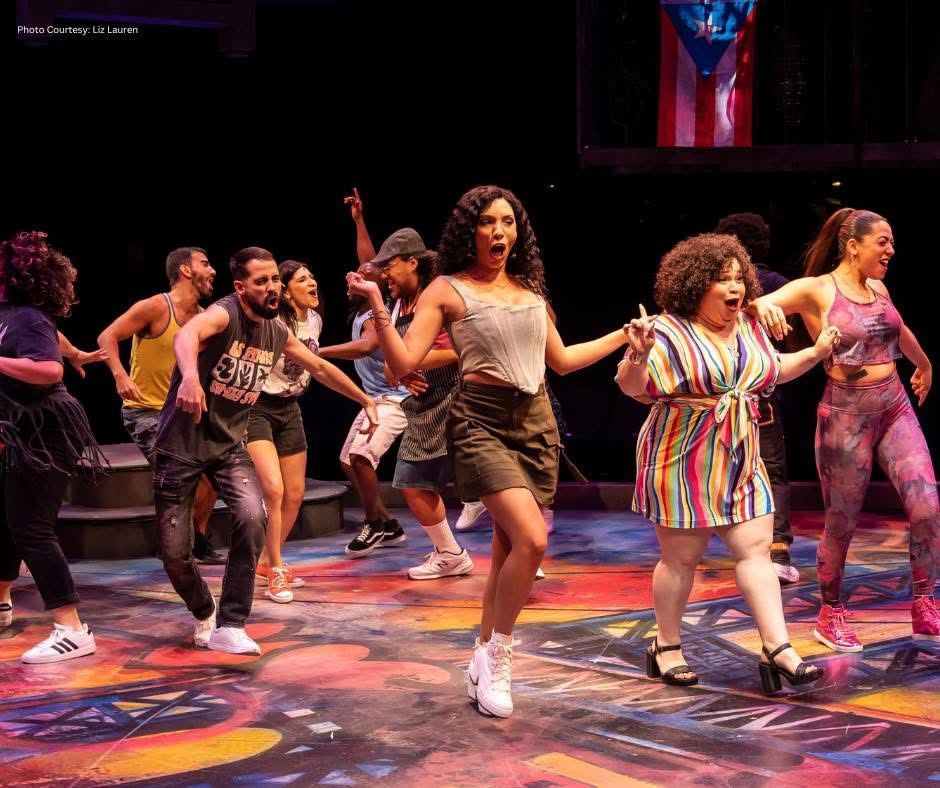
One of my favorite works to date is In The Heights. It really reminds me of the neighborhood that I grew up in in Chicago. I grew up in Texas too so there are also elements of being Latine that exists through that work that are very familiar to me. I was trained to do period work with costuming which I know well, but with mid 2000s fashion, you have to get this right because these are real people that existed not only in Washington Heights, but all around the nation that had to a flare to their clothes that wasn’t accepted in high fashion at the time like it is now. The pieces were specific from airbrushed Air Force ones to custom gold plated jewelry.
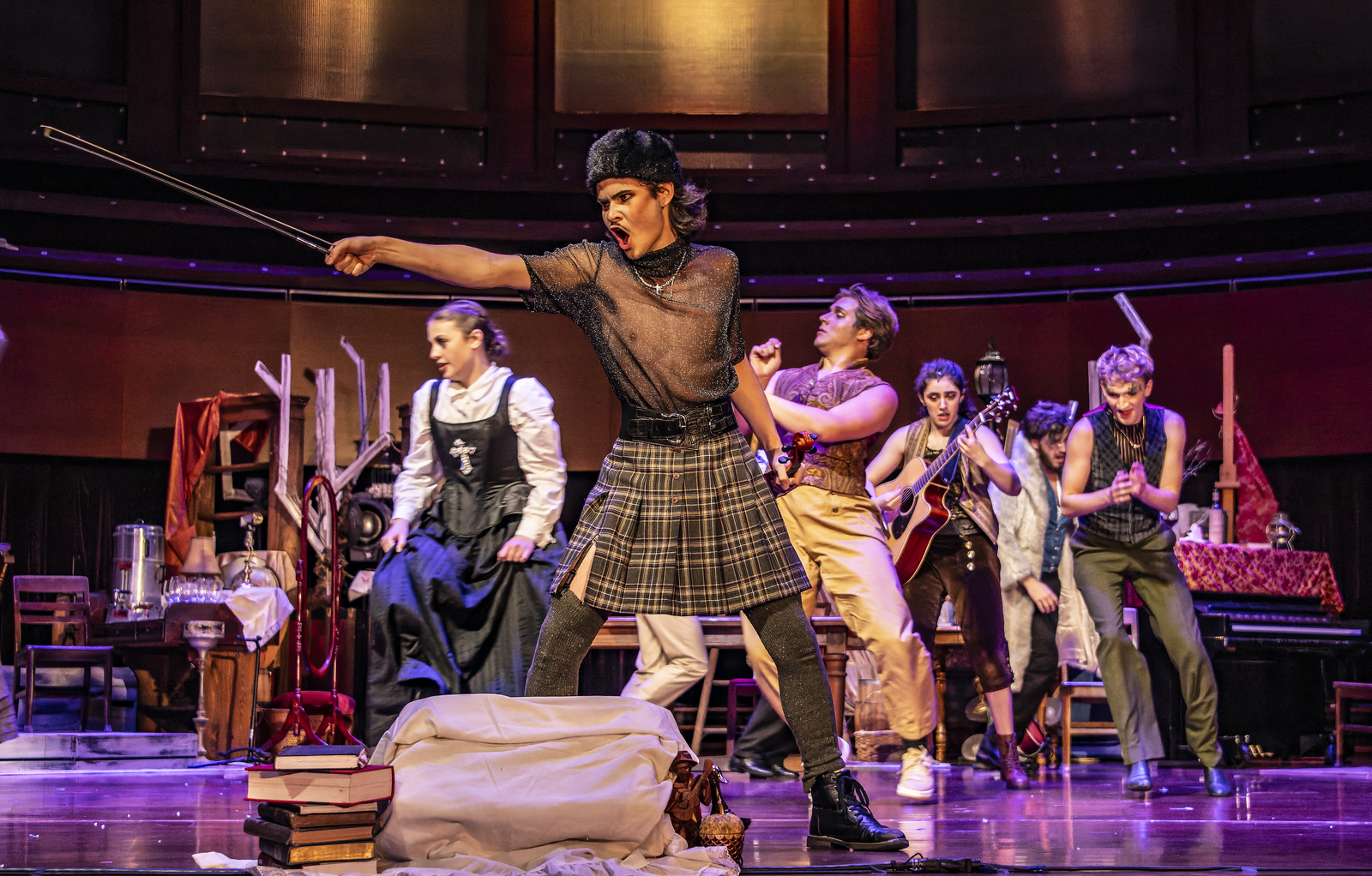
My family is multicultural in the way of being southern, northern, Costa Rican, and Black. There many intersectionalities that are there. I don’t see them as different—I see them as being American. I want to tell all types of stories because even before theatre I wanted to so that with journalism. I wanted to report and tell every story, especially the for people who did not have a vehicle to voice their point of view. I believed that the world need to see, believe, and feel these stories. That has not changed through costume design for me.

There are a couple, but I think the biggest challenge is not being pigeonholed and people believing you can do the work. I think the main issue is diversifying design teams on different levels which is still a pretty big issue in 2025. I think that having the ability to dream through my work is what keeps me going. My grandparents worked hard from the Great Migration to immigrating to this country for me to do this work, so I’ll never give up on it. Not a chance.

I hope they see it as a reflection of the characters. I hope they see that it’s a way for them to see costume designs as a puzzle piece in the whole picture on stage. When it works, that’s when you know your job was done right as a design team. It can’t just be one section that gets it right because even then it’s a failure because the puzzle isn’t complete.
Support artists—share this
Get exclusive interviews, bold ideas, and behind-the-scenes insights from creatives around the world. Join our newsletter to fuel bold, independent theatre journalism.

Join us in setting the global stage—exclusive stories, insights, and trends delivered to you!