







A red carpet of tradition and transformation
In Madrid last night, the hallowed halls of the Teatro Real were the setting for one of the most memorable Goya Awards ceremonies in years—a ceremony that was as much a tribute to Spanish cinematic excellence as it was a time for reflection on an industry at a crossroads. With their shimmering gowns, firebrand oratory, and current of hope in the air, Spain’s major film awards emphasized its brightest stars while also issuing a resounding critique of its shifting cultural paradigm.
The energy was palpable from the very beginning. The red carpet doubled as catwalk and stage, where industry veterans shared knowing looks with newcomers. Foreign media and local film enthusiasts mingled, ready to take in something that would be as much a visual feast as an exploration of some of the most pressing questions of our time.
Celebrating film excellence 
At the center of the evening was the hotly contested Best Film category. In the end, the prize was taken by La Ruta Blanca, a film that expertly combines a gripping narrative of personal tragedy with a wider exploration of social transformation in contemporary Spain. Director Carlos Martínez, accepted his award to a standing ovation, dedicating the victory to “the unsung heroes of everyday life,” and remarking, “This film is our homage to resilience in the face of adversity.”
Martínez’s win is part of a larger turn in the Goyas, away from the dinosaur blockbusters of earlier decades and toward socially conscious, introspective films. The nominees this year, ranging from intimate character studies to grand historical dramas, demonstrate a renewed dedication to making films about the personal and the political.
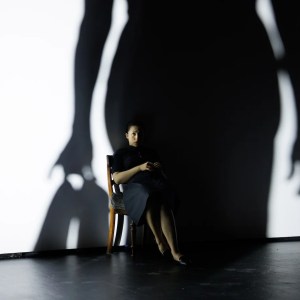
For Best Director, Elena Ruiz wowed with her direction of Sombras de Libertad, a film that defies traditional narrative with its non-chronological editing and experimental cinema. Her acceptance speech was a rallying cry for independent filmmakers: “Dare to disrupt. Break beyond the boundaries of expectation.” Her concise imperative rang out to the audience, summing up the award’s tribute to originality and artistic integrity.

A Viral Moment: Richard Gere’s Unforgettable Speech
Yet one of the most unexpected—and viral—moments of the night came during the presentation of the Lifetime Achievement Award. Presented to Richard Gere, a Hollywood veteran better known to American than Spanish cinema, his presence on the Goya stage was a tribute to the global dialogue established by film. Gere’s speech, a combination of humility and ardor, soon captured the public imagination.
In a thoughtful, but impassioned, tone, Gere declared, “Cinema is the heartbeat of our shared humanity.” That statement, and several others, immediately ignited social media, with videos of his speech being posted far and wide. In a string of tweetable, quotable one-liners, he continued, “Every film is a bridge across cultures,” and “Let us remember: art is not just an escape, but a revolution.” These concise, poetic sentiments did more than resonate with Madrid audiences; they crossed borders, confirming the universal language of film.
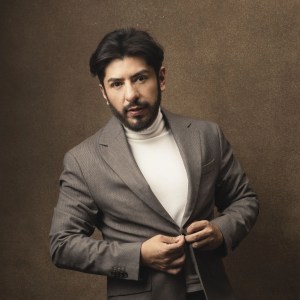
The acting categories were no less riveting. Javier Domínguez took home Best Actor for his riveting portrayal of a conflicted antihero in El Silencio de la Calle. His performance—replete with raw intensity and subtle nuance—conveyed the struggles of modern masculinity in a rapidly transforming society. On the women’s side, Lucía Fernández’s performance in Corazón de Hierro earned her Best Actress. Her acting, a delicate balance of vulnerability and strength, struck a chord with both audiences and critics alike, once again solidifying her position as one of Spain’s strongest assets.
Controversy and Reflection 
Not all moments of the evening were celebratory in nature. There was a heated debate regarding the exclusion of some box-office hits that were perceived to be lacking the depth or social commentary that the community anticipated. During a post-ceremony panel discussion, several filmmakers argued vehemently that the Goyas must continue to reward films that both entertain and provoke the mind. “Cinema must mirror our triumphs and our struggles,” said one panelist. “If we award only the safe bets, we undermine the life-altering power of art.”
The same imperative stance was reiterated in the final remarks by longtime director Antonio Márquez. In a rare, emotional speech, Márquez reminded the crowd of guests that the greatest power of cinema lies in its power to spark discussion and to bring about change. “Every frame, every softly spoken line of dialogue,” he declared, “has the power to transform what we understand of the world. Tonight, we do not simply honor films—we honor the bravery to face our truths.”.
A Collaborative Spirit and a Vision for the Future
Beyond the glittering awards and tearful speeches, the subtext of this year’s Goya Awards was one of rebirth and reinvention. The ceremony was a microcosm of Spanish society itself—a vibrant weave of tradition and modernity, resiliency and reinvention. As an industry struggled to keep pace with the disruptions of global streaming platforms, changing audience demographics, and shifting cultural norms, the Goya Awards have emerged as a beacon of hope and a call to creative reinvention.
Backstage interviews highlighted the value of solidarity within the world of film professionals. Numerous filmmakers emphasized that filmmaking is not an individual activity but a team effort, one that exploits the varied talent and collective experience of creative crews. This sense of collaboration, an old tradition in Spanish cinema, permeated all encounters, from congenial toasts between colleagues to impromptu celebrations on the red carpet.
A Shining Future for Spanish Cinema 
As the evening came to an end and the curtains closed on the Teatro Real, audience members departed with more than just memories of a decadent evening out. They carried with them a sense of intention—a reminder that during a time of transformation, art is a constant source of reflection, discussion, and, ultimately, change.
Looking at this new edition of the Goya Awards, it is clear that Spanish cinema is at a turning point. Despite the many obstacles that still face it, the passion and creativity on display here bode well for the future. The films recognized, the voices heard, and even the impromptu viral moments courtesy of Richard Gere’s speech all point to the fact that Spanish cinema is changing—embracing vulnerability and ambition in equal measure in its ongoing quest for artistic greatness.
To filmgoers worldwide, the Goya Awards are more than a celebration of excellence; they are an inspiring testament to the ability of film to move us—a medium that not only entertains us, but also provokes our assumptions and brings us together in our common humanity.
This article is part of our ongoing series examining the impact of national film awards on global cinematic trends. Stay tuned for more insights and exclusive interviews with the creative minds shaping the future of Spanish cinema.