


Amid the grandeur of the Opéra Garnier, the curtain is about to fall on a stunning and deeply significant exhibition dedicated to stage jewelry.
An Exceptional Exhibition
The Opera takes an unconventional approach, immediately establishing the depth and seriousness of the research behind this exhibition. Drawing from the precious archives of the Bibliothèque Nationale de France, a remarkable collection of stage jewels from the late 19th to early 20th century is brought back into the spotlight.
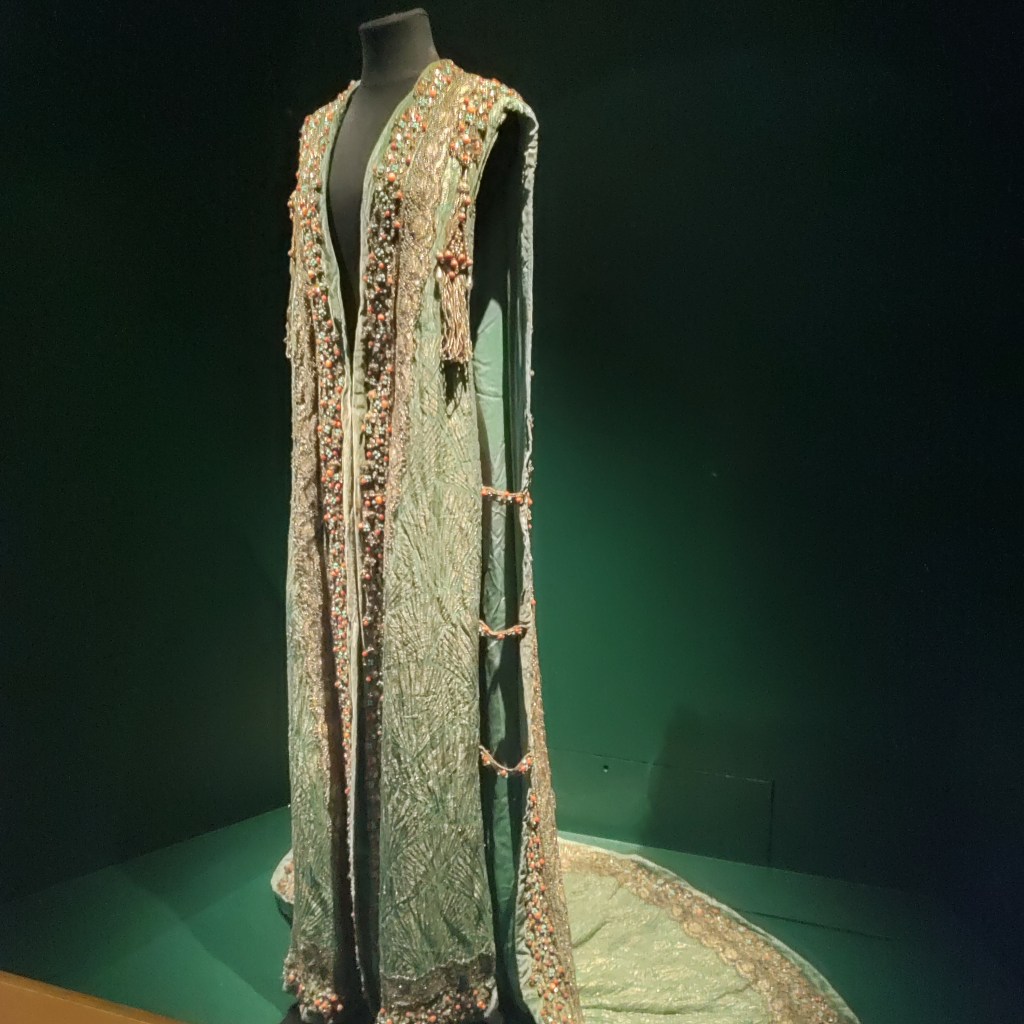
The sheer quantity and extraordinary condition of the pieces on display is truly surprising. While authentic jewelry from that era is not uncommon, the same cannot be said for theatrical jewels—objects crafted for the stage, often ephemeral by nature, repurposed from one production to the next.
More contemporary pieces are also included, not as filler, but carefully chosen to enrich the exhibition’s narrative—a thoughtful curation that sets this display apart.


Jewels from Far-Off Times and Lands
Through meticulously selected examples and concise yet effective captions, the exhibition prompts reflection on the role of jewelry in a time (the late 19th century) when opera audiences had no subtitles to follow the story, and many productions were being staged for the very first time, introducing new characters and dramatic dynamics.
With visual storytelling as the unifying thread, costumes and their jewels unfold through the thematic motifs of opera and ballet productions. Inspired by the 19th century’s fascination with archaeology, historical research began shaping costume and jewelry design. A stunning example is the jewelry crafted by Eugène Lacoste for the Parisian premiere of Aida, on display in the exhibition. Similarly, the allure of the East, as imagined in 19th-century salons, takes shape in the elaborate adornments of bayadères and odalisques.
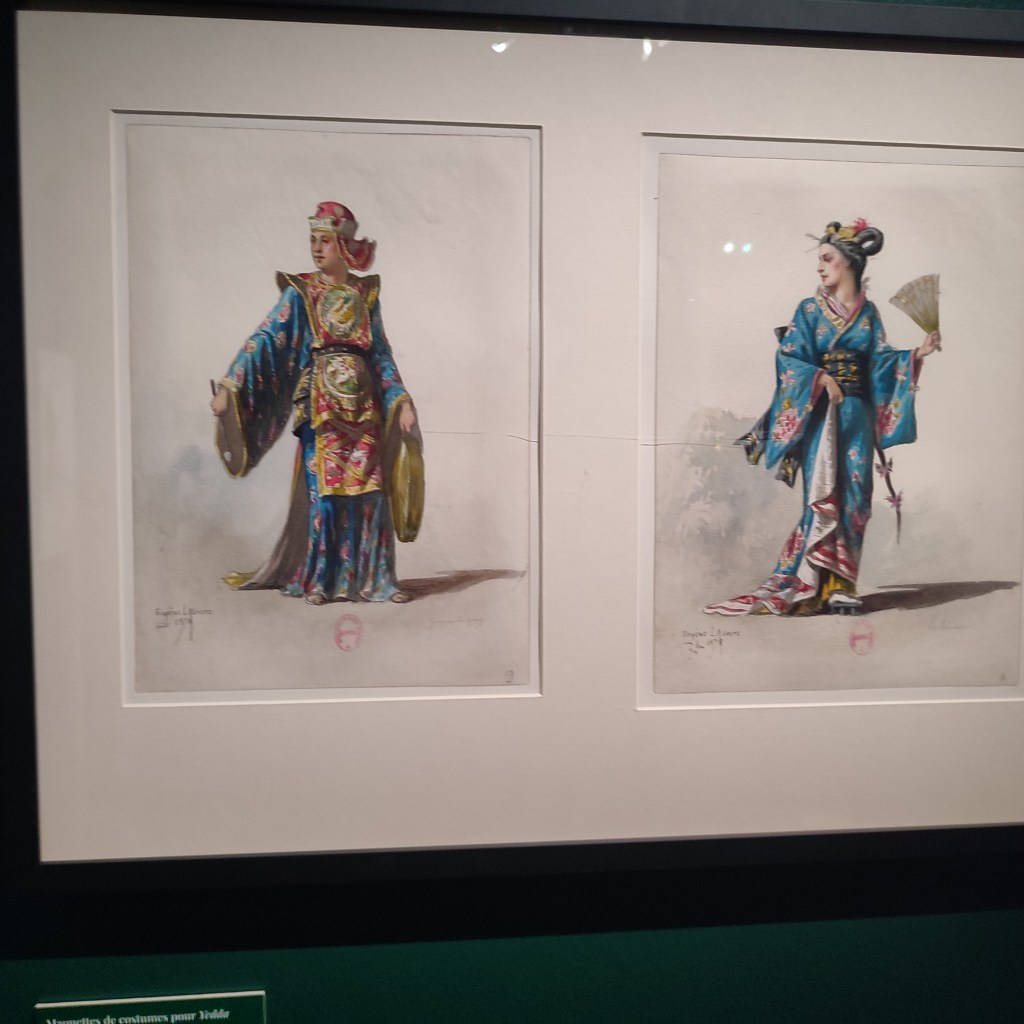
The Stage Jewel as a Reflection of their Times
Much like the costume, the stage jewelry is a living object—shaped not only by the vision of the costume designer but also by the cultural and historical context in which it is created. Materials, techniques, and aesthetics evolve in response to shifting artistic movements.
For instance, the jeweled tunic for 1926 Salome embraces the streamlined elegance of the Roaring Twenties while still echoing an exotic, oriental flair. Equally fascinating is a video detailing how Nicholas Georgiadis revolutionized stage jewelry in the 1980s by introducing guitar strings into his designs.
The exhibition also reveals how a designer’s travels can influence craftsmanship—such as Franca Squarciapino’s journey for La Bayadère, which introduced new materials to theater workshops, reshaping the very techniques used to create stage jewels.
A truly captivating exhibition that appeals to a wider audience—from professionals in theater, fashion, and costume design to curious visitors who delight in the sparkle of ornate, gem-studded creations. It also serves as a compelling starting point for exploring how historical contexts and literary influences have shaped the decorative arts and their evolving techniques.


About the author
