Latest posts.

Kejia Yu: Stepping Through Emotion.

Scenic designer, Kejia Yu brings empathy, imagination, and emotional storytelling to every space she creates. Discover her journey and vision.

Get Featured or Publish with Skene!

Ten Years of Hamilton: How Lin-Manuel Miranda Changed Musicals Forever.

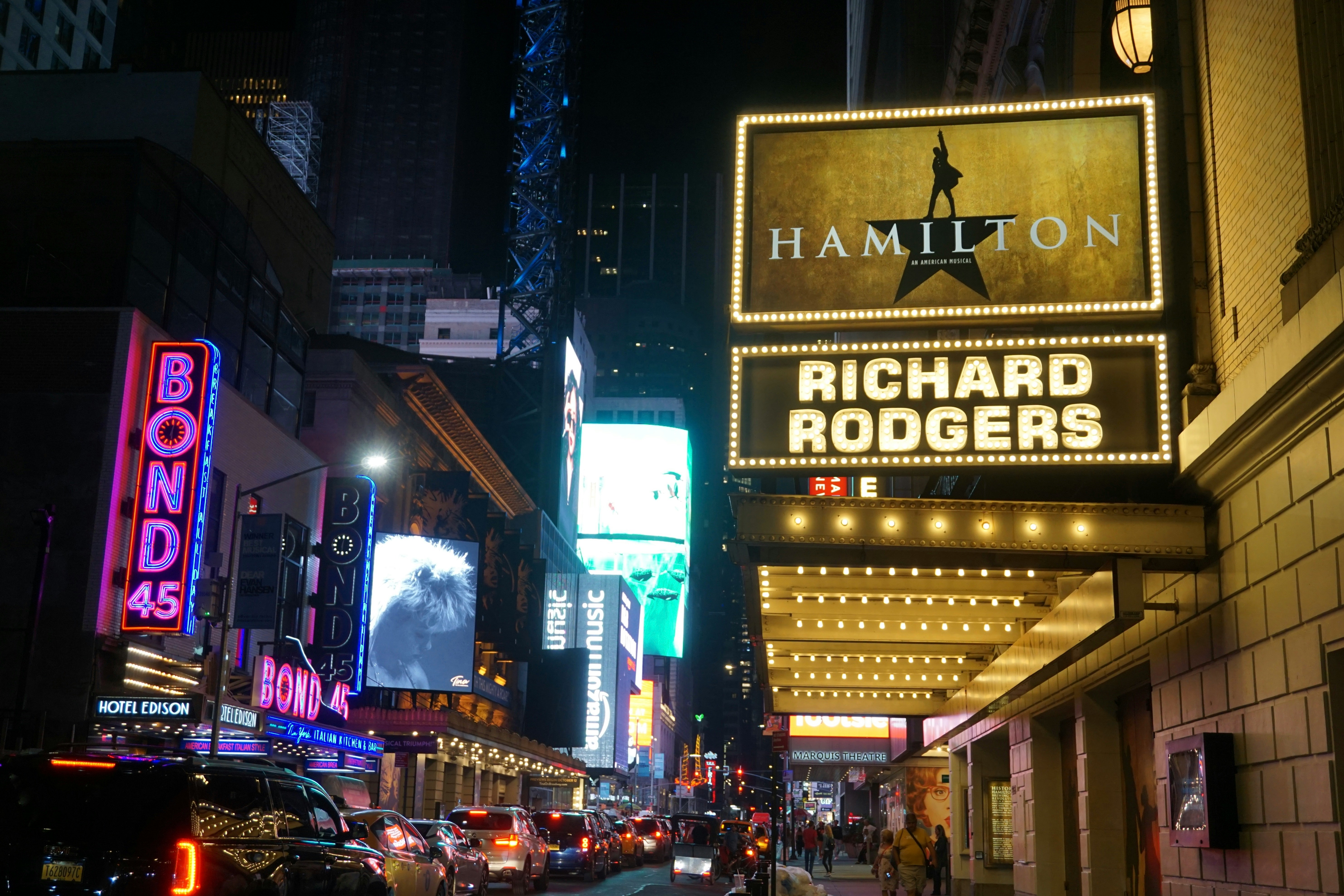
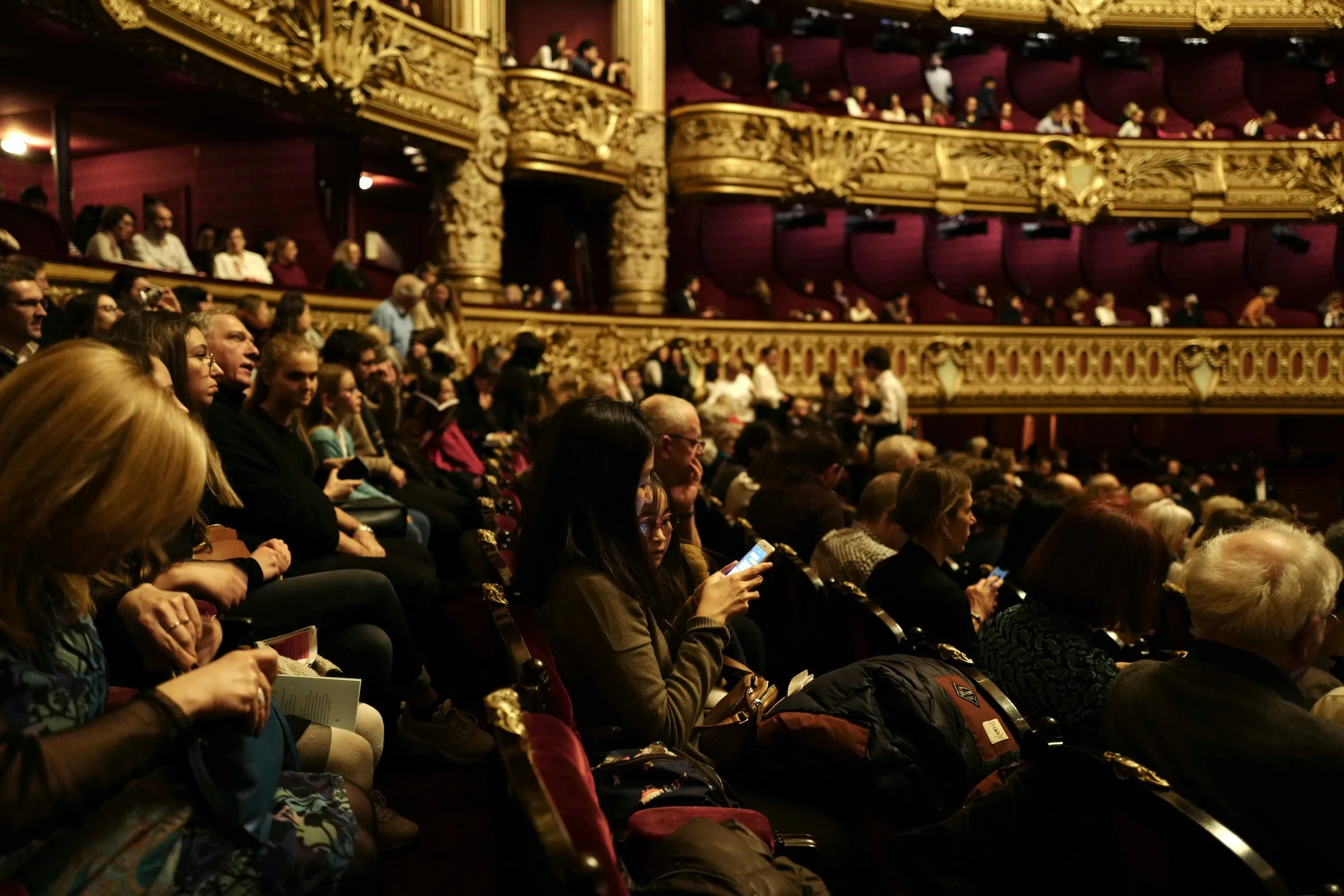
Photo by Sudan Ouyang on Unsplash

by @josafathr

I Wasn’t in the Room Where It Happened…

I remember listening to Hamilton for the first time, but not live—like most people. It was the cast recording, long after it opened on Broadway. I knew little about the show beyond the buzz, and the stories of months-long waiting lists for affordable tickets. Still, the first time, I remember thinking: Wait, is this a Broadway show?

I was -and still am- a big fan of musicals, but my references leaned more towards the works of Kander & Ebb, and Andrew Lloyd Webber. Curiously enough I am also a huge fan of hip-hop and gangsta rap – mostly the Wu-Tang clan. This show seemed to land somewhere in the middle.

Little did I know those rhymes were a gate into a decade of theatre that dared to imagine new voices, new rhythms, and new stories at the center of its biggest stages. Ten years later, Hamilton hasn’t just held its place—it’s rewritten the rules of what a Broadway musical can be

Advertising
advertising

I Wasn’t in the Room Where It Happened…

I remember listening to Hamilton for the first time, but not live—like most people. It was the cast recording, long after it opened on Broadway. I knew little about the show beyond the buzz, and the stories of months-long waiting lists for affordable tickets. Still, the first time, I remember thinking: Wait, is this a Broadway show?

I was -and still am- a big fan of musicals, but my references leaned more towards the works of Kander & Ebb, and Andrew Lloyd Webber. Curiously enough I am also a huge fan of hip-hop and gangsta rap – mostly the Wu-Tang clan. This show seemed to land somewhere in the middle.

Little did I know those rhymes were a gate into a decade of theatre that dared to imagine new voices, new rhythms, and new stories at the center of its biggest stages. Ten years later, Hamilton hasn’t just held its place—it’s rewritten the rules of what a Broadway musical can be.

Broadway Before Hamilton.

In 2015, Broadway was far from stagnant, but its biggest blockbusters leaned on familiar formulas: The Lion KingWickedThe Phantom of the OperaJersey Boys. New shows premiered every season, but few managed to crash through into the mainstream conversation without the help of a movie adaptation or a celebrity headliner. Often both.

Hip-hop had been in the Broadway bloodstream before—Bring in ‘da Noise, Bring in ‘da Funk (1995) brought tap-infused spoken word to the stage, while Miranda’s own In the Heights (2008) mixed salsa, merengue, and rap into a story about a Dominican-American neighborhood. But these were still viewed as niche successes, not templates for a new Broadway era.

Audiences and critics (myself included) often saw the musical stage as a space for lush orchestration, sweeping love ballads, and carefully contained contemporary pop elements. That perception was about to be permanently disrupted.

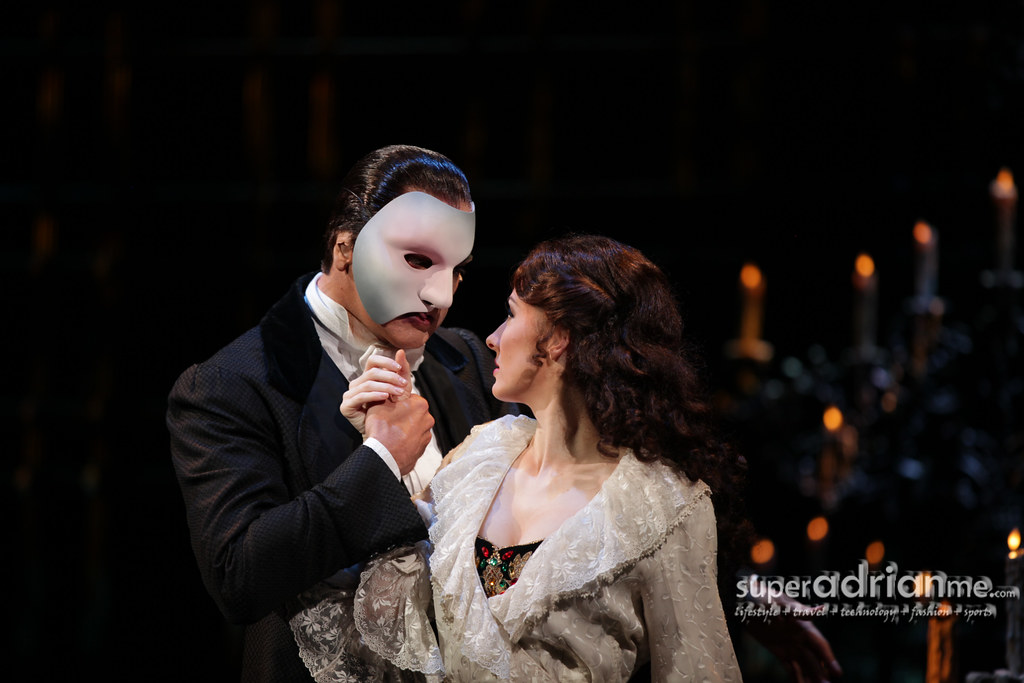
The Phantom of the Opera at MasterCard Theaters 2013, source: Adrian Eugene Seet/ Flickr

Lin-Manuel’s Creative Alchemy.

Lin-Manuel Miranda didn’t just sprinkle hip-hop into a period piece—he fused the two so completely that it felt almost obvious. He saw in Ron Chernow’s biography of Alexander Hamilton the drama, ambition, and swagger of a classic hip-hop epic: an immigrant who arrives with nothing, rises on sheer talent and grit, and changes the nation’s destiny.

Miranda’s process was famously meticulous. It took him over a year to write the first song, Alexander Hamilton, and another six years to finish the rest. His craftsmanship stitched together the density of rap lyricism with the architecture of musical theatre composition.

Each character’s voice was shaped through rhythm as much as melody. Hamilton’s verses flew by in rapid-fire bursts—an urgent energy that mirrored his relentless ambition. Thomas Jefferson sauntered in with a looser, almost conversational drawl, contrasting with George Washington’s authoritative, measured delivery. These musical choices turned historical figures into living, breathing personalities.

“It is about taking the language of the streets and marrying it to the language of theatre,” Miranda told the New York Times. “And once you see it works, it feels like they were always meant for each other.”

Lin-Manuel Miranda in Hamilton, source: Wikimedia Commons

Hip-Hop’s Broadway Breakthrough.

When Hamilton exploded, it blew the door off the hinges. The show proved that rap could be more than a cameo or novelty in a musical; it could be the engine driving narrative, character development, and emotional arc.

In the years since, a wave of productions has taken that permission and run with it. Miranda’s own Freestyle Love Supreme brought fully improvised rap to the stage, blurring the line between theatre and concert. Six and & Juliet infused contemporary pop and R&B into historical and Shakespearean narratives. Even traditional composers began leaning into rhythmic storytelling, writing songs that prioritized rhymes and syncopation.

Perhaps even more significant was the way Hamilton’s casting philosophy reshaped Broadway norms. The decision to portray the Founding Fathers and other historical figures with a cast primarily made up of actors of color was both a bold political statement and an artistic choice that enriched the storytelling. The actors weren’t pretending to be 18th-century replicas—they were reframing the narrative through the lens of America’s current, diverse identity.

What once might have been considered experimental casting is now part of the mainstream conversation. Many new productions—on Broadway and beyond—actively pursue diverse casting, telling stories in ways that invite broader representation as a statement.

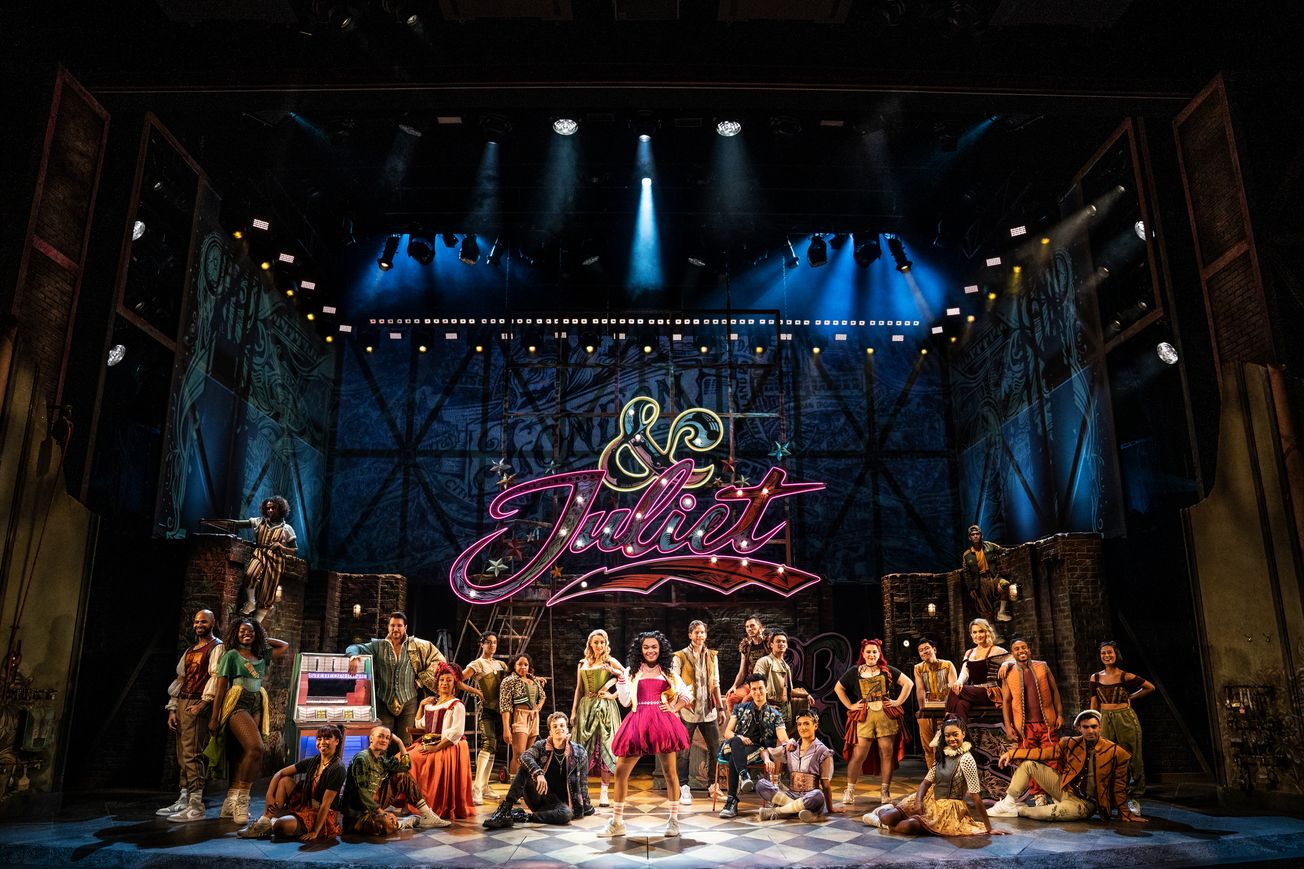
& Juliet North American tour, source: andjulietthemusical.com

Cultural Ripple Effects.

The Hamilton effect extended far beyond the theatre district. The original cast album became a cultural phenomenon, topping the Billboard rap charts and winning the Grammy for Best Musical Theater Album. Its songs were streamed millions of times, introducing musical theatre to listeners who might never have set foot inside a Broadway house.

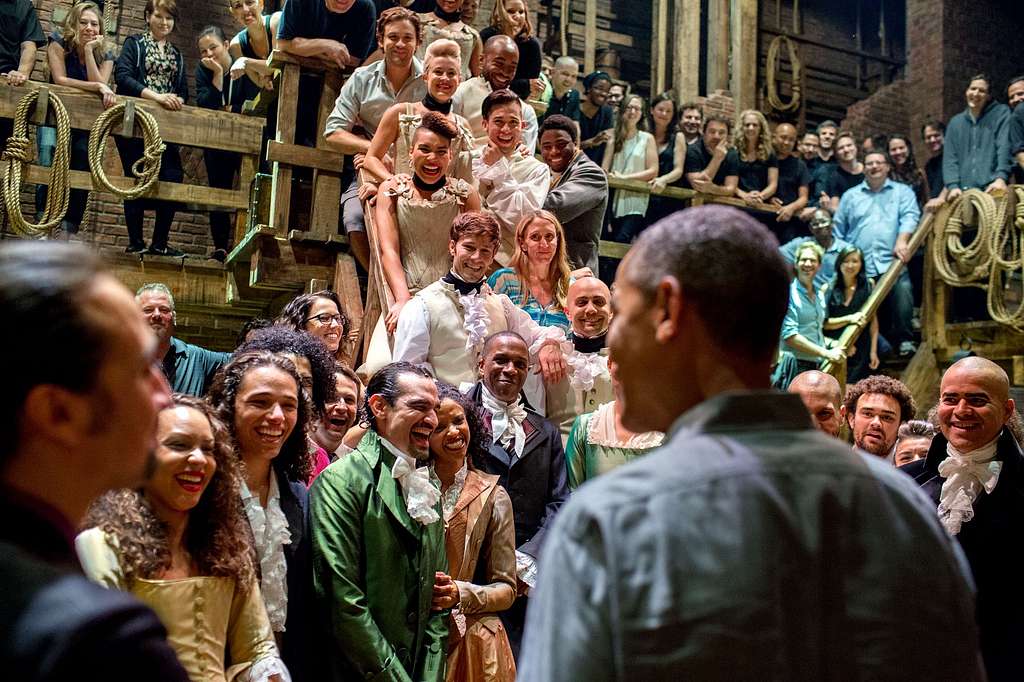
The show also became a bridge between the arts and civic engagement. In 2016, the cast performed excerpts at the White House, and Miranda frequently used Hamilton’s visibility to advocate for causes from disaster relief in Puerto Rico to arts education funding. The Hamilton Education Program, a collaboration with the Gilder Lehrman Institute, invited high school students from underserved communities to study the show’s historical context, create their own performances, and see the musical live.

In 2020, the arrival of Hamilton‘s filmed performance of the original cast on streaming platforms, extended its reach to global audiences—many of whom, like myself, had been priced out of the Broadway experience, solidifying the theatrical production as a pop culture event.

Former President Barack Obama meets the cast of Hamilton, source: The White House Library archive.

A Decade Later: The Legacy in Motion.

Ten years on, Hamilton still runs in New York, tours internationally, and spawns productions abroad. But its legacy is not just measured in ticket sales—it’s in the creative risk-taking it normalized.

For writers, it reinforced that historical narratives could feel immediate and urgent. For composers, it demonstrated that Broadway’s musical vocabulary could—and should—include the sounds of contemporary culture. For producers, it proved that audiences would embrace diverse casting and complex lyrical storytelling without sacrificing commercial appeal.

Its influence is also visible in the way theatre communicates with audiences today. The Hamilton marketing machine was an early master of integrating live events with social media, using viral sidewalk “#Ham4Ham” shows, cast-led online engagement, and soundtrack-first promotion to build a community that extended far beyond the theatre walls.

If you’re making musical theatre today, you’re working in a landscape that Hamilton helped shape. It’s in the way audiences expect musicals to be culturally relevant. It’s in the willingness of investors to take a chance on unconventional ideas. It’s in the expectation that the stage can—and should—reflect the diversity of the people outside.

Hamilton's set at the Richard Rodgers Theatre, source: Flickr

Support artists—share this

Meet the Artists Shaping Global Performance!

Get exclusive interviews, bold ideas, and behind-the-scenes insights from creatives around the world. Join our newsletter to fuel bold, independent theatre journalism.

About the Author

Leave a Reply

Your email address will not be published. Required fields are marked *

partner content
YOUR BACKSTAGE PASS

Subscribe to our Newsletter.

Join us in setting the global stage—exclusive stories, insights, and trends delivered to you!