Emilio Bastré: Fragile Enough for a Strong Connection.
Emilio Bastré is a Mexican actor and member of the Compañía Nacional de Teatro whose work lives at the intersection of freedom and craft.

Emilio Bastré is a Mexican actor and member of the Compañía Nacional de Teatro whose work lives at the intersection of freedom and craft.

Six essential plays by Black British playwrights that American theatres should be producing — from Natasha Gordon to debbie tucker green.

Meet Mexican lighting designer Victor Zapatero, whose work blends observation, emotion, and creative intention. Discover his artistic philosophy.

Actor and playwright whose work moves between personal honesty and theatrical confrontation, building stories that leave no edges sanded down.

Scenic designer and Skene founder on community, mentorship, and building a creative career, in conversation with Mitzi Avila of Creative Blueprints.
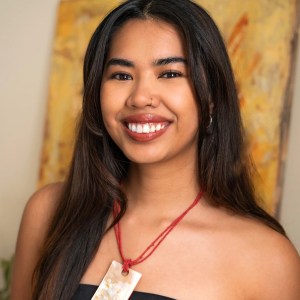
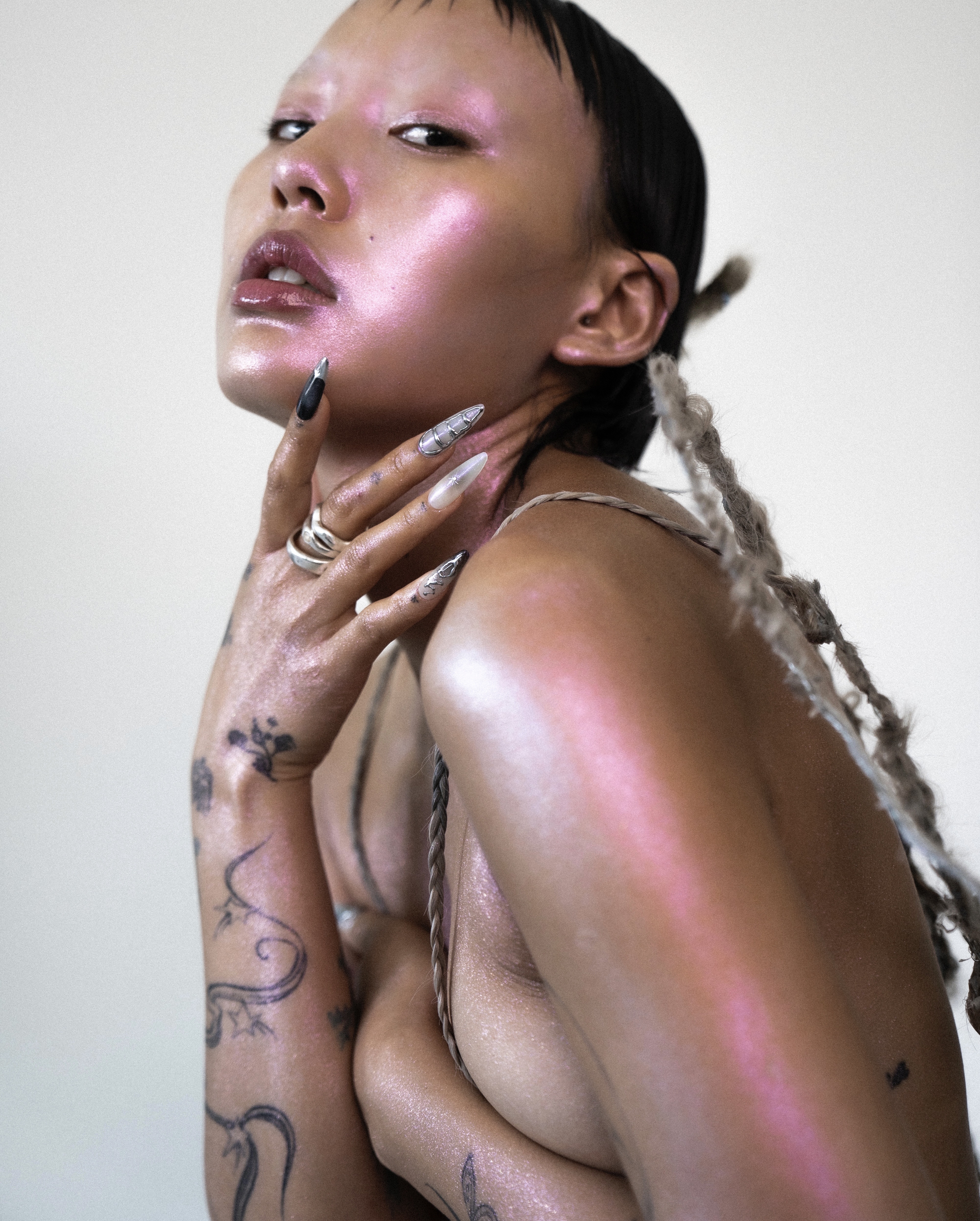
Shu Zhang’s artistry is born from details most people might overlook: a scene in a classic film, the geometry of a building, or the way color and texture interact across unexpected surfaces. A makeup artist from China with an international practice, Zhang has built a career that moves fluidly between fashion, film, theatre, opera, red carpets, and even the circus. Each discipline demands its own rigor—whether bold yet natural stage makeup, systematic film character design, or flawless looks that hold under flashbulbs—and Zhang thrives in adapting her process to each challenge.
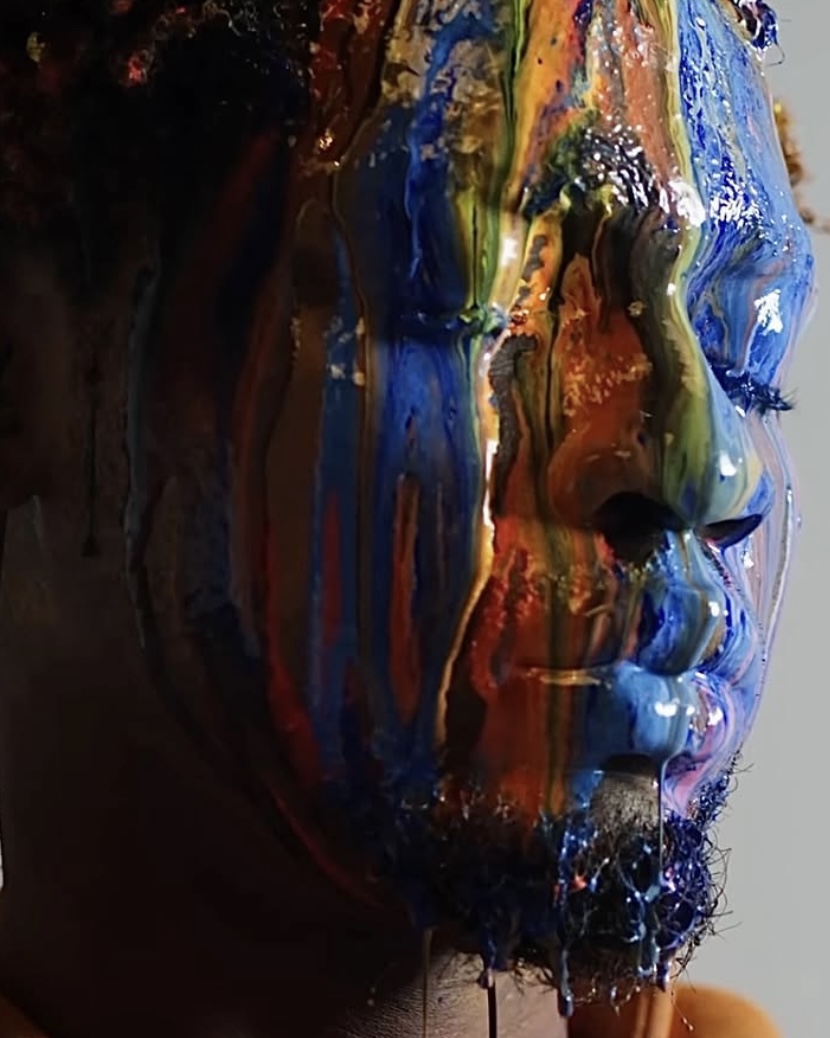
Her inspiration is global, weaving the photographic precision of Irving Penn, the aesthetic of Issey Miyake, and the cross-cultural design of Gaudí into a unique language of beauty. From experimental projects like painting Omah Lay’s face with dozens of flowing colors for Soso, to embracing softer, Eastern-inspired beauty trends now influencing the West, Zhang’s work balances innovation with collaboration.
In this edition of PROFILES, Shu Zhang reflects on her creative journey, the challenges of working across industries, and her hope that makeup—her chosen visual language—might spark curiosity, unsettle expectations, and open dialogue.
My inspiration often comes from the small details of life.
Like watching the Hollywood classic Sunset Boulevard: Norma, after killing Joe, walks down the spiral staircase in madness—her lavish gown, sharply arched brows, and dramatic eyeliner all turning the scene into a performance etched in memory.
Or a building: when I visited Gaudí’s Casa Vicens in Spain, I was struck by the floral tiles set in contrasting patterns, the play of geometry, and the way Indian, Persian, and Japanese influences blur the line between architecture and nature. It revealed to me a kind of balance born from innovation.
These moments stay with me, fermenting in my mind, and eventually push me to create my own feast of beauty.
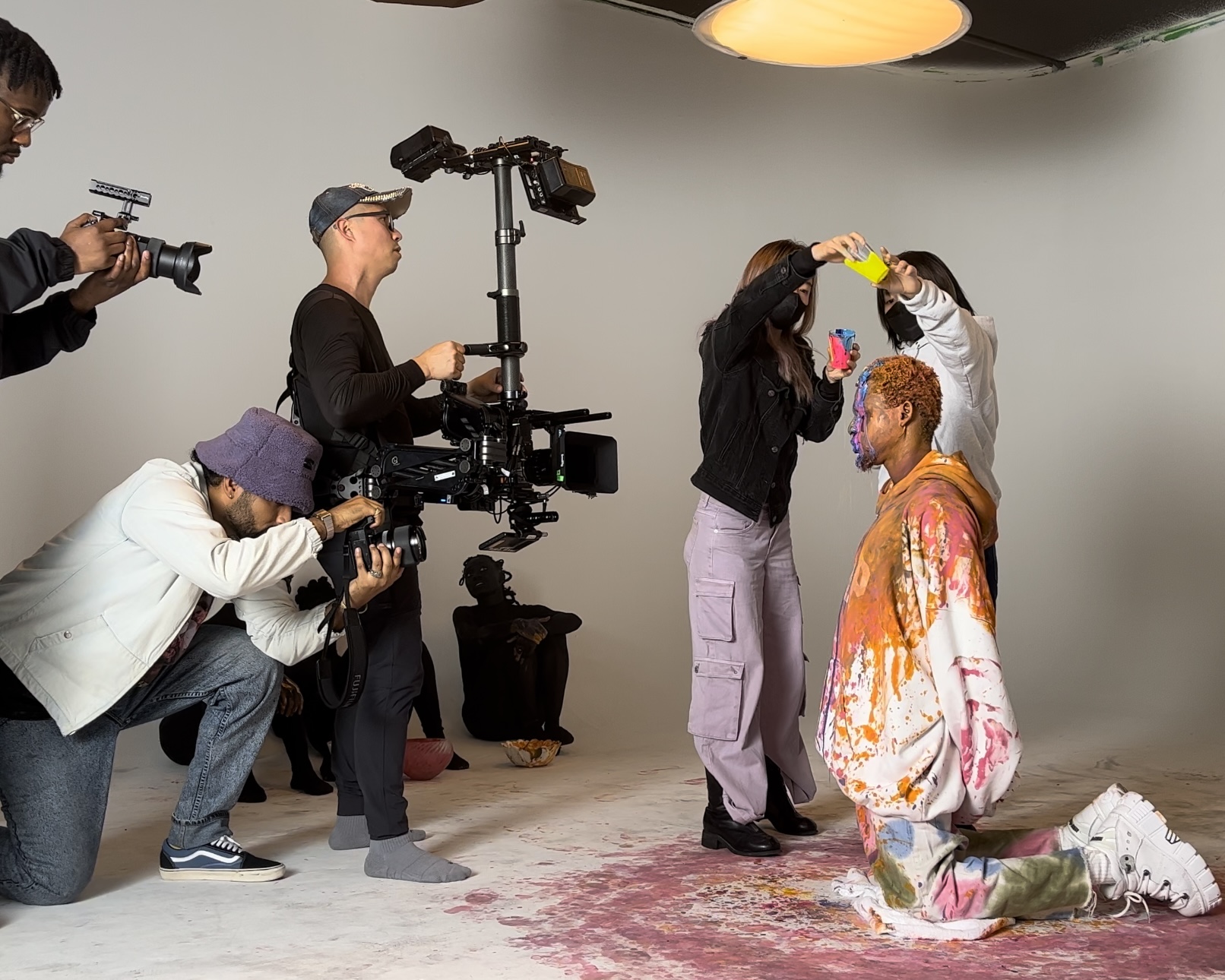
One of my favorite collaborations was Omah Lay’s Soso.
The producer showed me a 3D face-paint design and asked me to capture a dozen colors flowing across the artist’s face in a single take—a big challenge.
Faces aren’t flat: eyes, nose, and mouth change how paint moves, and keeping colors layered without mixing was tricky. I experimented on a mannequin, testing color order, flow, and timing until the full face revealed rich layers.
In the end, we pulled it off. My curiosity helped, but the musician’s dedication was just as key—performing with thick paint on your face is no easy feat.
I do have my own routine, but it changes depending on the project.
For a realist film, my routine is more like “staking out”: observing and immersing myself in real communities, sensing how their professions and lifestyles shape the makeup and hair they actually use.
For a fashion shoot, my routine is freer. I might just browse magazines at a convenience store, looking for inspiration and the latest trends.
My challenges come from working across diverse environments—fashion, film, theater, opera, red carpets, even the circus.
Red carpet looks demand flawless, breathable makeup under flash, while coordinating with artists and adapting to changing schedules. Film requires systematic thinking for character design and speedy makeup changes; stage makeup must be bold yet appear natural to the audience.
I switch between modes constantly. Sometimes three hours for one look, sometimes an hour for ten. These experiences have shaped my skills and enriched my creative perspective.
Twentieth-century photography masters, like Irving Penn, used the lens to express Issey Miyake’s aesthetic, emphasizing the model’s body to showcase the garment’s full volume, and using distinctive makeup to bring the clothing to life.
For me, the true magic of fashion lies in this interaction: photographers, stylists, models—anyone involved in the team, drawing inspiration from one another, sparking new possibilities through creative collisions.
Western beauty trends today are changing. Heavy contouring and exaggerated features are fading, replaced by a softer approach. Big eyeliner is evolving—blending subtle, Eastern-inspired techniques like delicate lines following the eye line shape, invisible lash enhancements, and a focus on the natural flow and “breath” of the face. This cultural exchange brings warmth, vitality, and a sense of connection, making the face feel alive and expressive.
I’ve noticed that when I push too hard, my work slows down.Staying relaxed and loose allows inspiration to flow more naturally.
I hope my work sparks curiosity. Makeup is a visual language—if it leaves people questioning, imagining, or even feeling slightly unsettled, then it has done its job of opening dialogue
Support artists—share this
Off-Book is the Skene newsletter for artists and makers. Profiles, opportunities, and editorials, free. New subscribers also receive the 2026 Performing Arts Survival Guide.
We use cookies to optimize our website and our service functionalities.