Latest posts.

Get Featured or Publish with Skene!

Roberto Mosqueda: Feeling the Pulse of the Audience

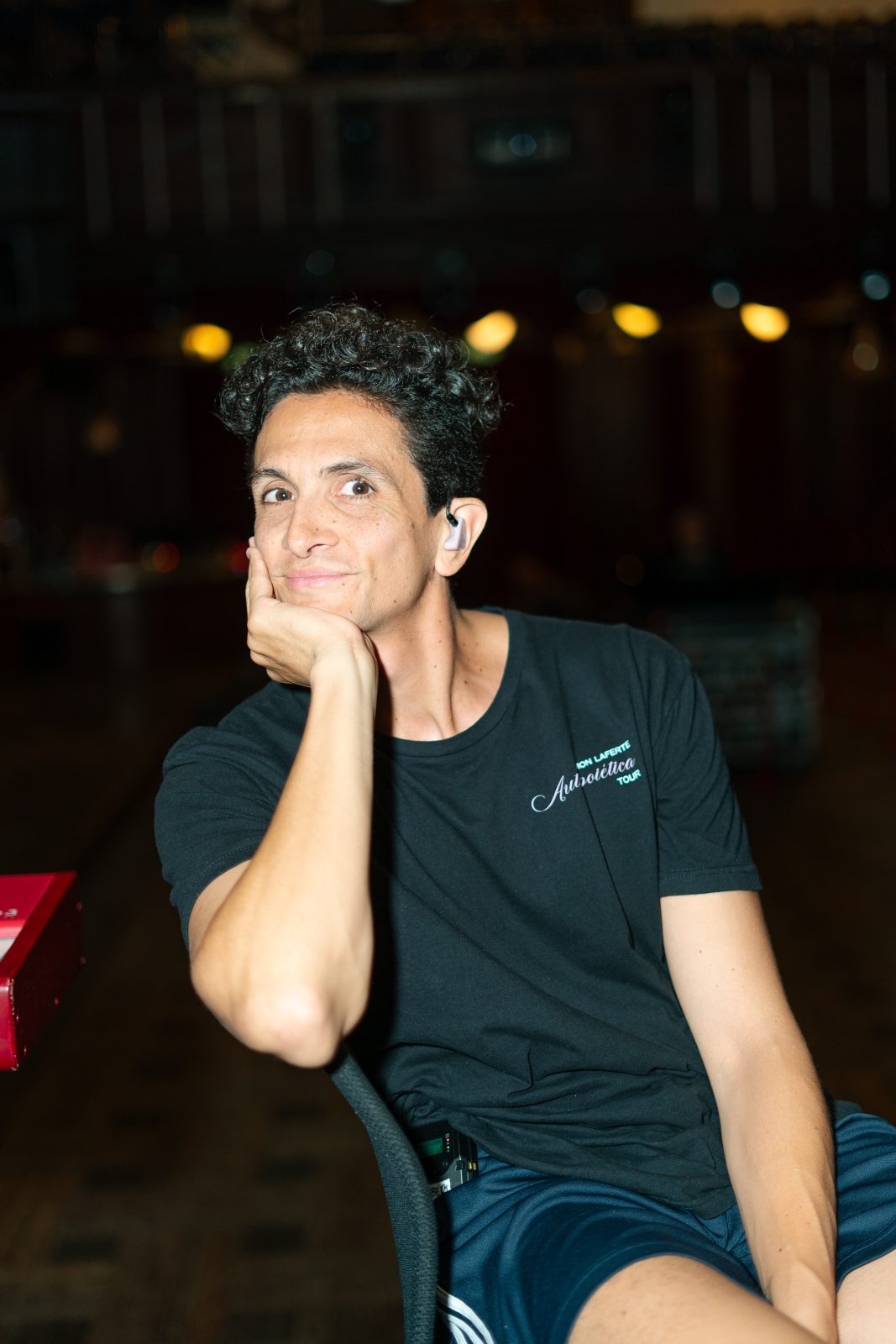
photo by Juan Arellano

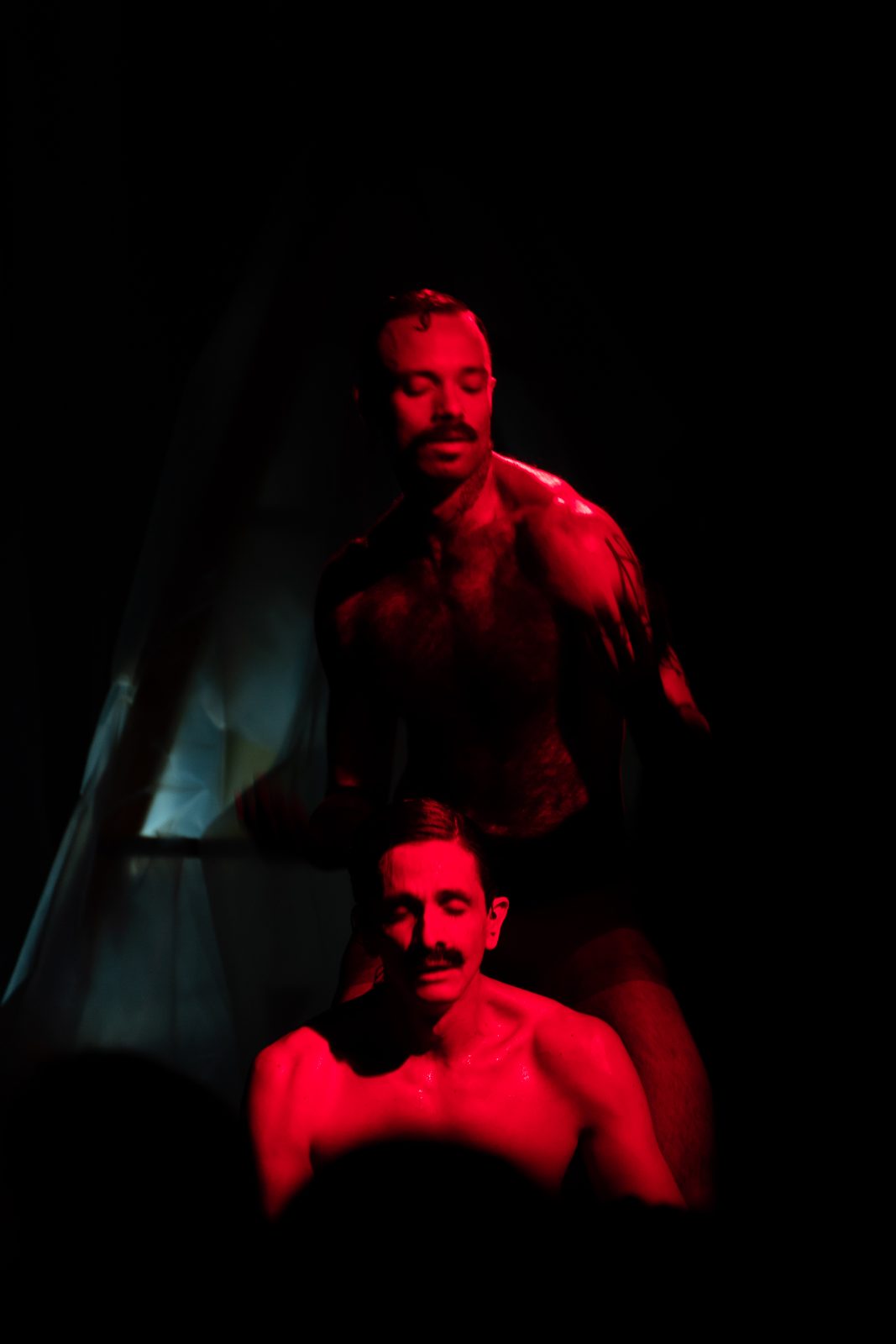
Roberto has never been one for scripting things out. Performer, creator, and risk-taker, he moves between disciplines with a dancer’s fluidity and a storyteller’s precision. His journey has taken him from intimate experimental spaces to the vast spectacle of arena tours. he joined Mon Laferte’s Autopoiética tour, a bold fusion of music and performance that reshaped the role of movement in live concerts.

But Roberto’s artistry isn’t just about presence—it’s about philosophy. He challenges old hierarchies, confronts strict traditions, and asserts artistic freedom in ways that are both necessary and urgent. His work is steeped in deep reflection, influenced by literature, spiritual exploration, and a refusal to conform.

In this edition of PROFILES, he speaks candidly about his artistic development, the setbacks and revelations that shaped him, and the detours that led him to his most exhilarating collaborations. He’s unflinching about what it’s like to truly let go—of labels, of expectations, of a prescribed career path—and find liberation in the unpredictable.

For anyone navigating the unpredictable world of performance and creation, Roberto’s insights are a masterclass in reinvention.

partner content

Roberto Mosqueda

he/him
Dancer & Director
Mexico
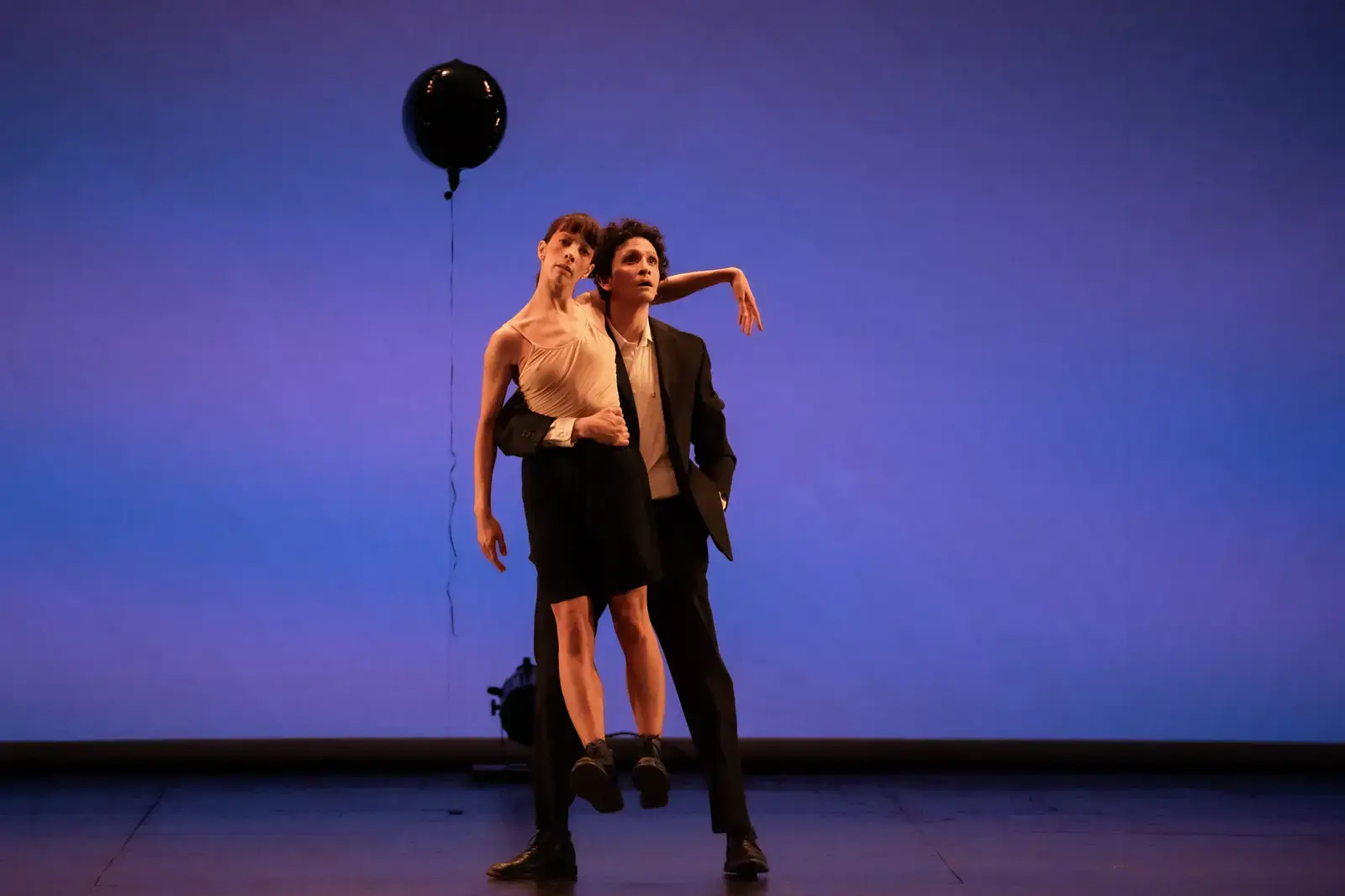
Recuerdos del Futuro, photo by Nix Olsan

1. ¿Qué despertó tu interés como artista y cómo ha evolucionado esa chispa con el tiempo?

Recuerdo con mucha claridad que de pequeño me fascinaba disfrazarme. Y disfrazarme de manera indiscriminada: yo podía ser Robin Hood, un tigre o La Bella Durmiente a punto de tocar el huso (desde niño también me fascinaba el drama). Por supuesto, tenía cierta predilección por jugar a ser dos personajes: el vampírico Conde Drácula y un Hechicero. Ahora que lo pienso, con el juego venía implícita también la magia.

Más o menos por esa época recuerdo que mi tía Yoyó -la hermana mayor de mi mamá- hacía obras de teatro en Irapuato, Guanajuato. Esto se debe a que ella -ingeniera en sistemas computacionales, de profesión- fue miembro fundador de uno de los grupos de teatro más longevos del estado: Tlancualejo. Solían presentar obras de Emilio Carballido y Tomás Urtusástegui (quien era gran amigo de la agrupación); y para mí era de una fascinación enorme ir a verla al Auditorio de la Preparatoria Oficial. Me acuerdo perfecto de esos momentos, después de la obra, en los que podíamos subir a felicitar a los actores y podíamos ver “tras bambalinas”.

Para mí era fascinante ver los desahogos y pensar que ahí estaban los intérpretes siendo ellos mismos y después al entrar al escenario eran esos personajes. Así como cuando yo jugaba a ser vampiro o mago.

Y desde siempre esa sensación me ha parecido lo más emocionante del mundo; hasta la fecha. Eso, además, con el tiempo se ha nutrido de otra sensación que trataré de explicar con palabras: cuando “sientes” al público. Cuando sientes su respiración, su atención, sus risas o su llanto contenido. Cuando sientes que has logrado tocar una fibra de humanidad -no sé si a nivel químico en el cuerpo, en la mente o en el espíritu-. Creo que eso es lo que me mantiene aquí; inclusive a pesar de la carrera de resistencia constante que implica esta carrera.

1. What sparked your interest as an artist and how has that spark evolved over time?

I remember very clearly that as a child, I was fascinated by dressing up. And I mean indiscriminately—one day I could be Robin Hood, a tiger, or Sleeping Beauty just as she’s about to touch the spindle (I was also drawn to drama from a young age). Of course, I had a particular fondness for playing two characters: the vampiric Count Dracula and a Sorcerer. Now that I think about it, magic was inherently part of the play as well.

Around that time, I recall that my Aunt Yoyó—my mother’s older sister—was involved in theatre in Irapuato, Guanajuato. Despite being a computer systems engineer by profession, she was a founding member of one of the longest-running theatre groups in the state: Tlancualejo. They often staged works by Emilio Carballido and Tomás Urtusástegui (who was a close friend of the group). It was mesmerizing for me to watch their performances at the Official Preparatory School Auditorium. I remember those moments perfectly—after the show, when we could go up and congratulate the actors, and when we got a peek “backstage.”

For me, it was fascinating to see the offstage reality of the performers—seeing them as themselves, only for them to step onto the stage and transform into their characters. Just like when I used to play at being a vampire or a magician.

That feeling has always seemed like the most exciting thing in the world to me, and it still does to this day. Over time, this has been enriched by another sensation that I’ll try to put into words: that moment when you “feel” the audience—their breath, their focus, their laughter, or their restrained tears. When you realize you’ve touched a chord of humanity, whether chemically, mentally, or spiritually. I think that’s what keeps me here, despite the endurance race that this career entails.

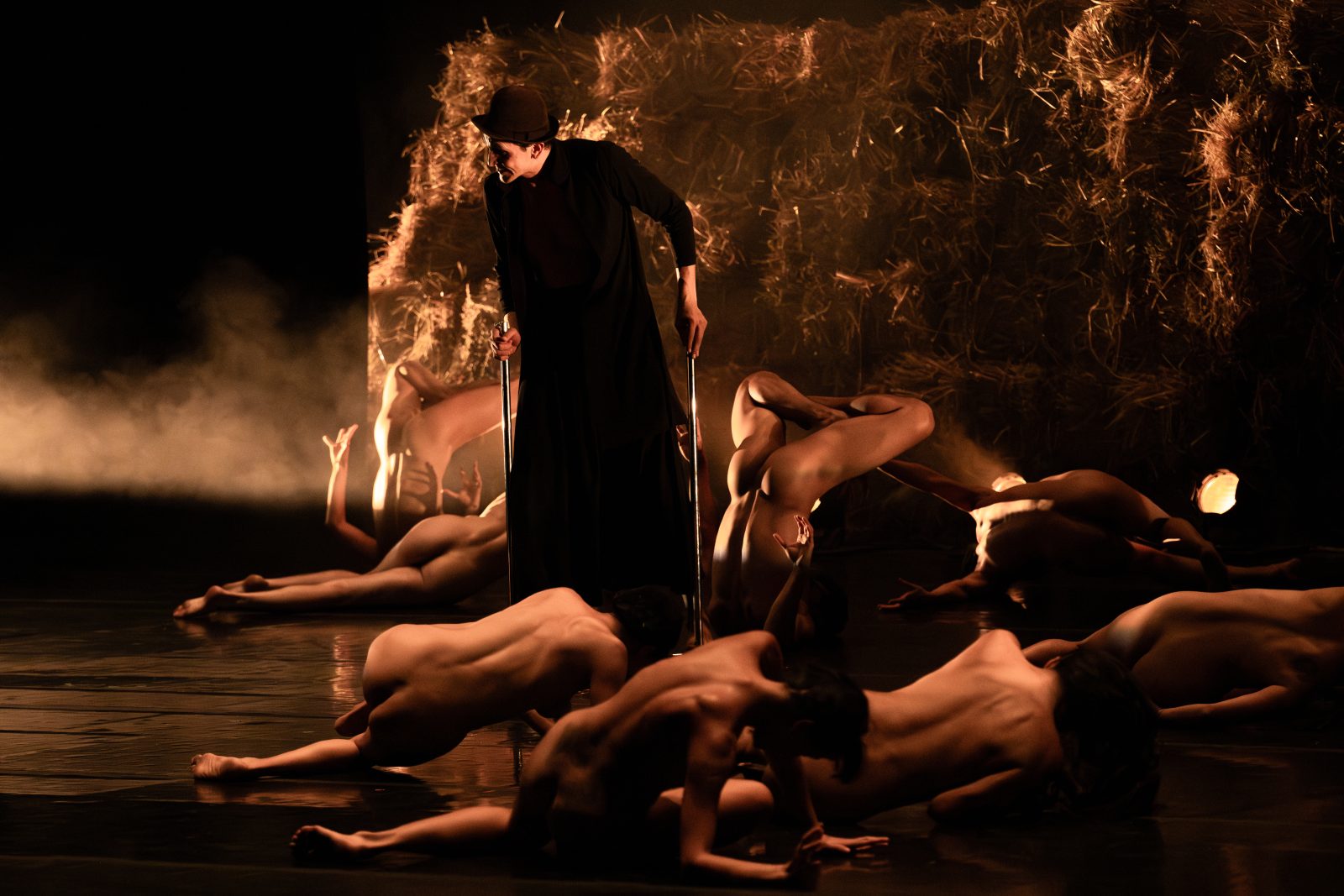
Novena Sinfonia, photo by Nix Olsan

2. ¿Puedes compartir la historia detrás de una de tus obras favoritas y lo que significa para ti?

Estaba contestando esta pregunta; pero el texto agarró su rumbo, ja, ja, ja… y de eso surgió el artículo de opinión titulado “Creo que sí”, que comparto en esta edición. Me tomó dos días terminarlo, ja, ja, ja

2. Can you share the story behind one of your favorite works and what it means to you?

I started answering this question, but the text took on a life of its own—ha!—and it turned into the opinion piece titled “I Think So”, which I’m sharing in this edition. It took me two days to finish it—ha!

3. ¿Cómo es tu proceso creativo—sigues una rutina o la inspiración surge espontáneamente?

Es una mezcla de ambas cosas. Procuro tener una exploración física diariamente, para conocer mi cuerpo, mis posibilidades y mi voz. Ahora estoy en una época de tomar clases de otras técnicas o disciplinas a las que nunca me había acercado; sobre todo, danza comercial y urbana.

Asimismo, estoy en el proceso de escribir diariamente para aflojar la pluma. En este momento tengo tres dramaturgias en proceso. Una muy personal, por mi 40 aniversario de vida; y dos proyectos que quiero hacer con La Pausa Teatro Danza, el proyecto que tengo con Paulina del Carmen en la Ciudad de México.

Pero la inspiración también llega; por eso me mantengo observador del mundo, todos los días. Porque todo el entorno inspira y me genera preguntas. Y también distingo que hay momentos lúcidos en los que se siente como si te conectaras con el Wi Fi Universal y las ideas brillantes llegan a caudales, para luego trabajarlas.

Procuro la lectura diaria, también, como parte de mi rutina.

3. What is your creative process—do you follow a routine or does inspiration come spontaneously?

It’s a mix of both. I try to do a daily physical exploration to understand my body, my capabilities, and my voice. Right now, I’m in a phase where I’m taking classes in techniques and disciplines I’ve never approached before—especially commercial and urban dance.

At the same time, I’m in the habit of writing daily to loosen up my pen. At the moment, I’m working on three different scripts—one very personal one to mark my 40th birthday, and two projects that I want to develop with La Pausa Teatro Danza, the company I co-direct with Paulina del Carmen in Mexico City.

But inspiration also comes on its own. That’s why I try to stay observant every day—because everything around me is inspiring and sparks questions. I’ve also noticed that there are lucid moments when it feels like I’ve connected to the Universal Wi-Fi, and brilliant ideas just start flowing in, waiting to be worked on.

I also make daily reading part of my routine.

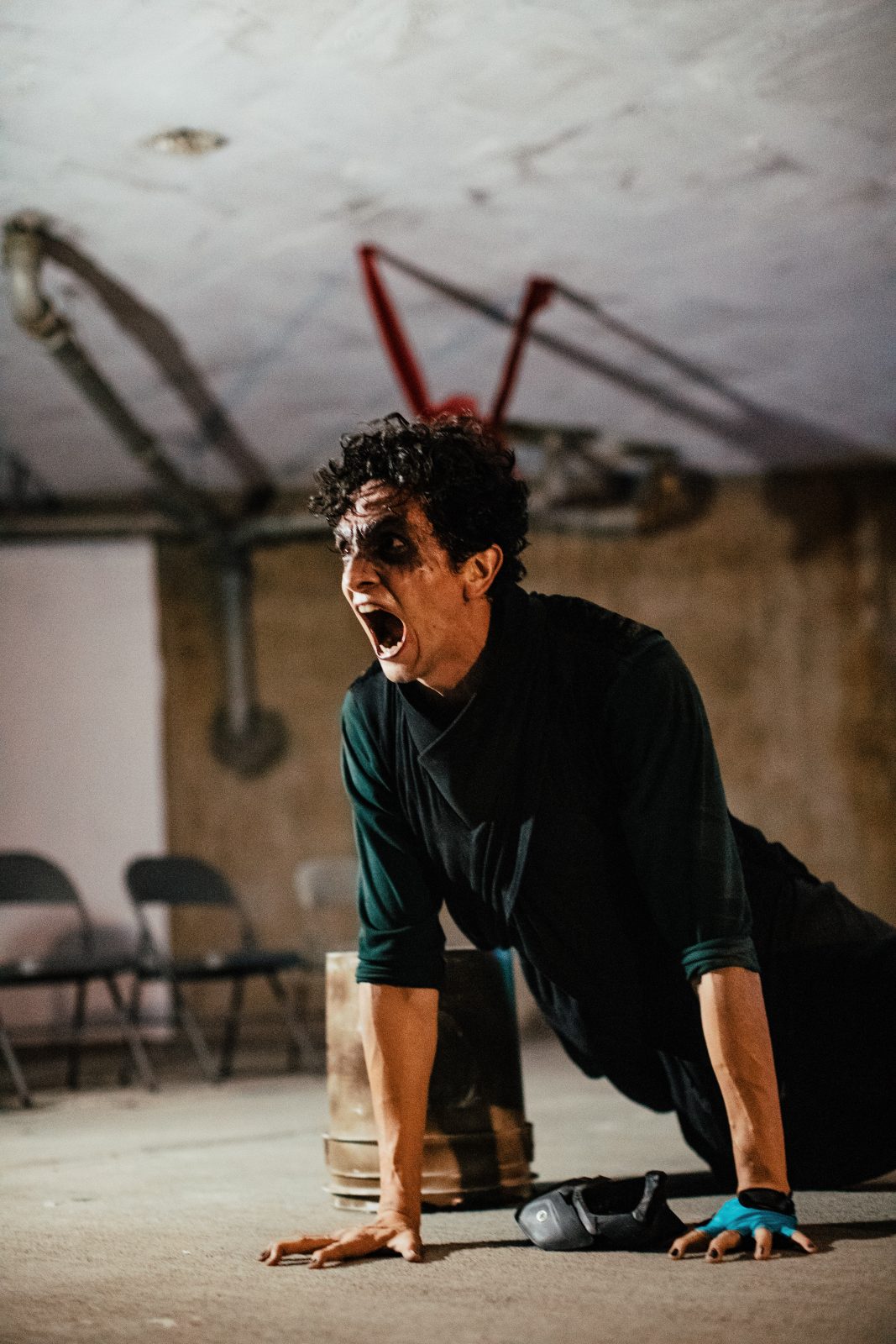
Rebelión, photo by Emilio Huizar

4. ¿Cuál ha sido tu mayor desafío como artista y cómo influyó en tu crecimiento?

Sobrevivir, ja, ja, ja. Bueno, he tenido varios retos. Pero, retomando la broma con la que contesté, por ejemplo 2023 fue un año duro. No tenía mucho dinero, de hecho, estaba endeudado; teníamos trabajo, pero no estaba remunerado establemente (por ejemplo, fui parte de un festival de monólogos al interior de la Ciudad de México; pero las funciones eran a taquilla, lo cual -siendo independiente- es un gran riesgo) o los pagos con algunas instancias de gobierno tardaban hasta cuatro meses en salir. También me robaron y tuve una fuerte crisis de salud, estaba muy asustado.

Pero aún así, creo que logramos -porque esto lo viví muy de cerca con Paulina- salir adelante y ver alguna luz en esa oscuridad. Y, ahora sé, que ese proceso me hizo, y me sigue haciendo, crecer. Creo que ese año incendié y deseché muchas expectativas.

A partir de ese año pensé: “sólo quiero pagar la renta, tener techo, donde dormir y comida en la mesa”. Y de alguna manera me liberó. A la fecha procuro evocar eso. Y bueno, también me hizo trabajar mucho en mi proceso personal de salud mental y desarrollo espiritual.

Creo que eso influyó para que el 2024 cambiara radicalmente, ya que fue el año en el que audicioné para la gira Autopoiética de Mon Laferte, integrándome como bailarín/performer y cambiando mi vida por completo. Y ciertamente, eso también fue un gran desafío. Enorme; por muchas razones. Tuve -y aún tengo- que trabajar muchas cosas que por años tenía rezagadas. Creo que ambas situaciones fueron grandes retos, y dos caras de la misma moneda.

4. What has been your biggest challenge as an artist and how did it influence your growth?

Surviving. (Laughs) Well, I’ve faced many challenges. But on a serious note, 2023 was a tough year. I didn’t have much money, in fact, I was in debt. We had work, but it wasn’t consistently paid—like when I was part of a monologue festival in Mexico City where performances were paid by box office sales (which is a huge financial risk for independent artists). Some government payments were also delayed by up to four months. On top of that, I was robbed, and I faced a serious health crisis that scared me a lot.

Even so, I think we managed—because I went through this very closely with Paulina—to push through and find some light in the darkness. And now I know that process shaped me, and continues to do so. I think that year, I burned down and let go of many expectations.

From that point on, I told myself: “I just want to pay rent, have a roof over my head, a place to sleep, and food on the table.” And in some way, that freed me. To this day, I try to hold onto that mindset. It also pushed me to work deeply on my mental health and spiritual growth.

I believe that shift paved the way for 2024 to be a turning point—the year I auditioned for Mon Laferte’s Autopoiéticatour, joined as a dancer/performer, and completely changed my life. And that, too, was a massive challenge. A huge one, for many reasons. I had to—and still have to—work through things I had left unresolved for years. I see both experiences as major challenges, two sides of the same coin.

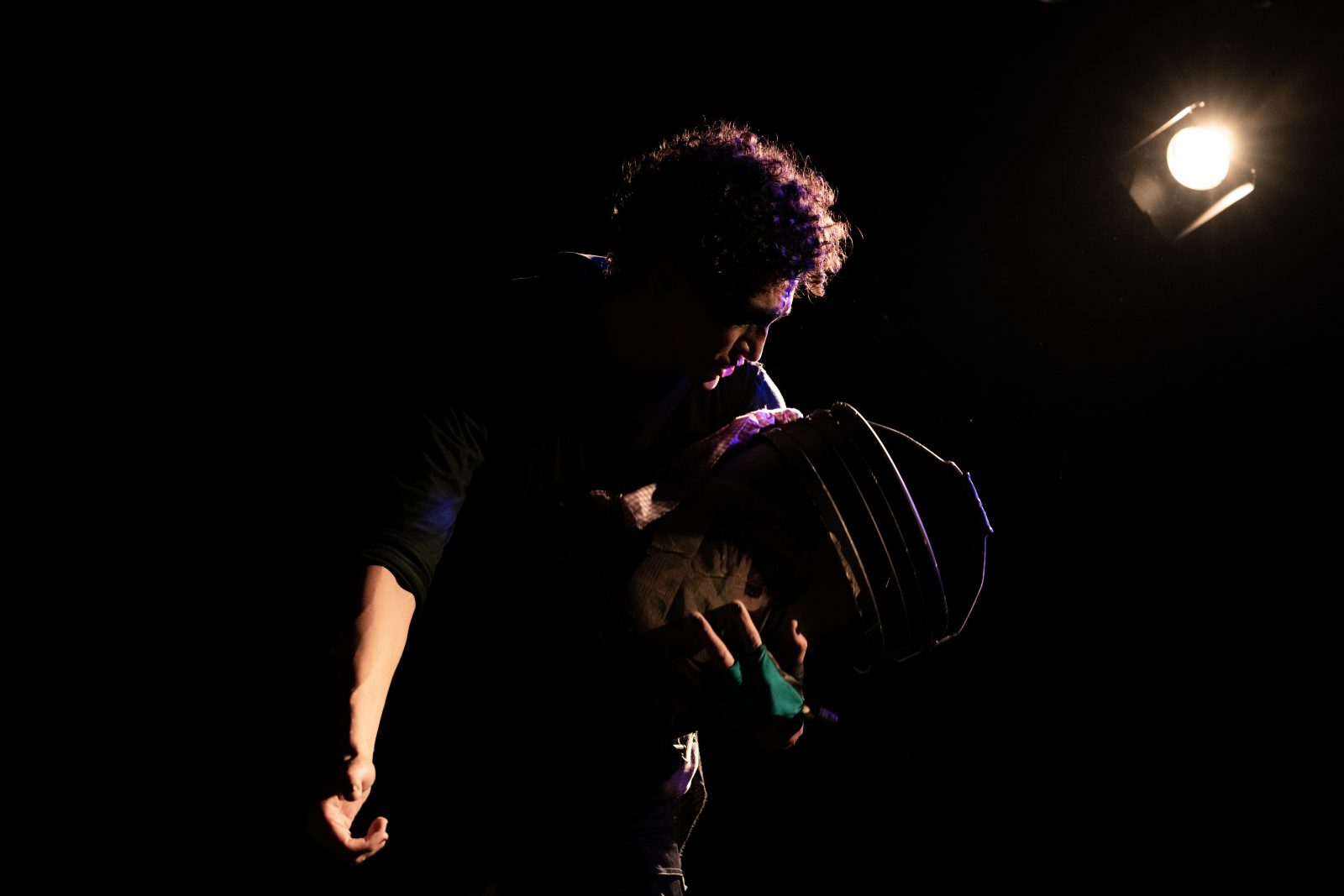
Flores para los Muertos, photo by Gabriel Morales / FIC

5. ¿Quién o qué te inspira más y cómo se refleja esa inspiración en tu trabajo?

No acabaría. Muchas personas me inspiran mucho. Me inspira mi familia, mis padres, mis hermanos, mi familia extendida, me inspiran mis amistades que son mi familia escogida, me inspiran mis compañeros de trabajo; todos ellos me inspiran a un nivel muy profundo, de todas esas personas tomo algo enriquecedor. Creo, sobre todo, que me inspiran las personas con energía armónica y sanadora; las maestras y maestros universales del cotidiano.

Quizá podría me resultaría más fácil mencionar algunas de las influencias de este momento para lo que estoy trabajando, son más puntuales, concretas y literarias. Ahorita en lo que estoy creando influyen mucho Pema Chödron, el doctor Manuel Sans Segarra, Haruki Murakami, Juan Rulfo, Irene Vallejo, Brigitte Vasallo, Marián Rojas Estape, Mon y Peeping Tom, entre otros.

5. Who or what inspires you the most, and how is that reflected in your work?

I could go on forever. So many people inspire me—my family, my parents, my siblings, my extended family, my friends who are my chosen family, and my colleagues. All of them inspire me on a deep level, and I take something enriching from each one. I think, above all, I am inspired by people with a harmonious and healing energy—those everyday teachers of life.

Perhaps it would be easier to mention some of the influences shaping my current work, as they are more specific, concrete, and literary. Right now, my creative process is strongly influenced by a mix of writers, thinkers, and artists whose work resonates deeply with me

6. ¿Qué crees que es lo más emocionante que está ocurriendo en tu campo en este momento?

Me emociona mucho ver que ahora se está buscando romper con los patrones de jerarquización artística y pedagogías del terror de hace muchos años. No siempre se logra, y muchas veces nos convertimos en lo que juramos derrocar, ja, ja, ja. Pero hay una búsqueda; y definitivamente he tenido la fortuna de estar en espacios que son muy afortunados en ello, con personas talentosas y humildes que logran una horizontalidad con sentido.

6. What do you think is the most exciting thing happening in your field right now?

I’m really excited to see that there is now an effort to break away from the old patterns of artistic hierarchy and fear-based pedagogy. It doesn’t always succeed, and sometimes we become what we once swore to overthrow—haha. But there is a real pursuit of change, and I’ve been fortunate to be in spaces that embrace it, surrounded by talented and humble people who achieve a meaningful sense of horizontality.

Rebelión, photo by Nix Olsan

7. ¿Qué consejo le darías a artistas o creativos que están empezando?

Que entiendan cómo funciona el universo fiscal en nuestro oficio. Impuestos, deberes, y posibilidades de financiamiento. Es algo que no te enseñan en ninguna carrera y cuando eres “freelancer” es de vida o muerte.

Después de eso, les aconsejaría lo siguiente: ciertamente uno lo da todo por la carrera, y está bien. Aplicar a todo, hacer castings de casi todo lo que puedas, tomar clases de todo. Pero que nunca se nos olvide que somos más que las etiquetas que portamos. Somos más que ser artista, que ser actor, que ser bailarín, que ser escritor, que ser bueno o malo; somos mucho más y como personas tenemos más dimensiones, además de la profesional, que hay que cultivar. Y mientras más se enriquezcan estas dimensiones, mientras buscamos nuestros sueños, creo que más posibilidades de equilibrio tendrá la vida.

7. What advice would you give to artists or creatives who are just starting out?

They should understand how the fiscal universe works in our profession—taxes, obligations, and funding opportunities. It’s something no degree teaches, yet as a freelancer, it’s a matter of survival.

Beyond that, I’d give this advice: we pour everything into our careers, and that’s fine. Apply to everything, audition for as much as possible, take every class you can. But let’s never forget that we are more than the labels we carry. We are more than being an artist, an actor, a dancer, a writer, or being good or bad at something. We are so much more, and as people, we have multiple dimensions beyond the professional—dimensions we need to nurture. The more we enrich these aspects while chasing our dreams, the more balance we’ll find in life.

Autopoiética Tour, photo by Juan Arellano

8. ¿Cómo esperas que tu trabajo conecte con las personas o deje un impacto?

Retorno a la primera pregunta. Sintiendo al público y sabiendo que en el momento en el que compartimos ese tiempo y espacio, algo pasó. Idóneamente, esperaría que tuvieran un impacto estético y poético, que nos lleve a reflexionar acerca de cómo ser seres humanos más funcionales y compasivos -con el prójimo y con el mundo-.

8. How do you hope your work will connect with people or leave an impact?

I return to the first question—feeling the audience and knowing that, in that shared time and space, something happened. Ideally, I would hope for an aesthetic and poetic impact, one that leads us to reflect on how to be more functional and compassionate human beings—toward others and the world

source: Roberto Mosqueda

Support artists—share this

Master Your 2026 Career.

Get our free Survival Guide for Actors, Directors, and Designers.

About the Author

3 Responses

Leave a Reply

Your email address will not be published. Required fields are marked *

partner content
BACKSTAGE PASS

Master Your 2026 Career.

Get our free Survival Guide for Actors, Directors, and Designers.