


Tolita Figueroa: A Legacy of Art, Design, and Cultural Preservation
With the passing of Tolita Figueroa, the trailblazing designer, academic, and researcher whose work left tangible indelments on the face of cultural history, the world of Mexican art, design, and historical research falls into mourning. Born in Mexico City on July 6, 1957, Figueroa dedicated her life to investigating and saving the artistic traditions of Mexico for their continued relevance in the future. She died on January 27, 2025, in Mexico City, leaving behind a profound legacy of creativity, scholarship, and dedication.
A Passion for Art and Design
Tolita Figueroa was nationally recognized for her comprehensive preparation in the field of art, particularly with regard to design and research work. With a creative spirit and rigorous scholarship, Tolita Figueroa became an example to both the artistic and scholarly circles. She did extensive research and brought new designs that contributed to a wider study and appreciation of Mexican visual culture.
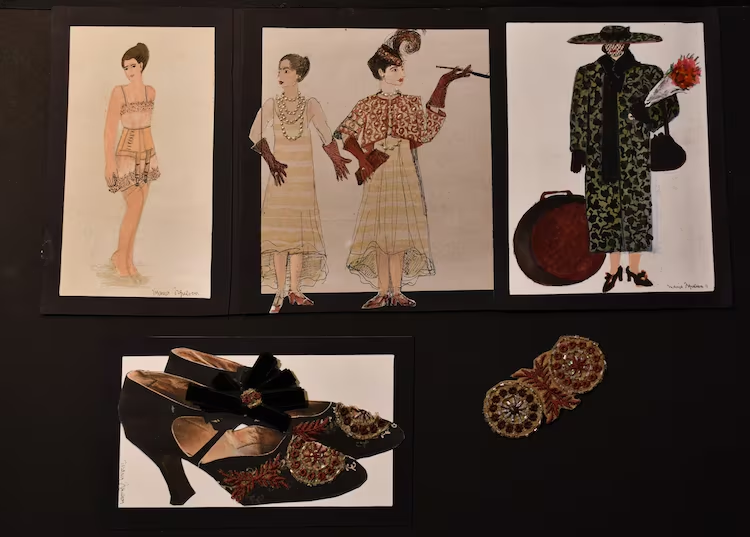
One of her most famous works is the 1976 suspended ceiling piece, an example of her ability to marry historical artistry with contemporary viewpoints. This work was given ample prominence in various exhibitions, including Kahlo: An Expanded Body at the Parrish Art Museum, testifying to her importance and the validity of her art today.

A Commitment to Cultural Preservation
Besides her work, Figueroa committed herself to research and the promotion of Mexican cultural heritage. Her research documented and analyzed design history so that the rich traditions that Mexico has developed within the field of art and craftsmanship would not be forgotten but rather used in today’s discussion. She serves as a bridge between the past and present, making historical knowledge accessible and appealing to contemporary audiences.
In the process, she developed, as a historian and researcher, collaborations with institutions, museums, and cultural organizations that could expand the knowledge on Mexican artistic traditions. Herein lay her most valuable investment: the disclosure of unknown narratives about indigenous and folk arts to let stories and techniques that shape Mexico’s visual identity come forth.

An Immortal Legacy
Tolita Figueroa’s death is the loss of an immense treasure of knowledge and wisdom in the academic and artistic fields, yet her spirit lives on through designers, researchers, and historians. The way she integrated rigorous research with artistic expression had few equals, and her work is reflected today in exhibitions, scholarly work, and the hundreds of students whom she mentored and inspired.
Her work helps us remember, in a critical way, how cultural history interplays with, and informs, the boundaries of design and artistic expression. Since museums and other institutions continue not only to display her work but also to add to her research, Figueroa’s impact will continue to resound for generations.
More than an artist and historian, Tolita Figueroa was a guardian of cultural memory, a design visionary, and ardent promoter of the artistic heritage. No longer with us, through her work the stories, the traditions, the artistry that she so dearly loved will endure to inspire a new generation into the worlds of exploration, creativity, and remembering.