
by @sflores
Translated by @admin

Speaking about someone who is both deeply important and widely admired in the Mexican Scenic and Theatrical Arts is an honor; words are not enough, and they grow small before such a great master.

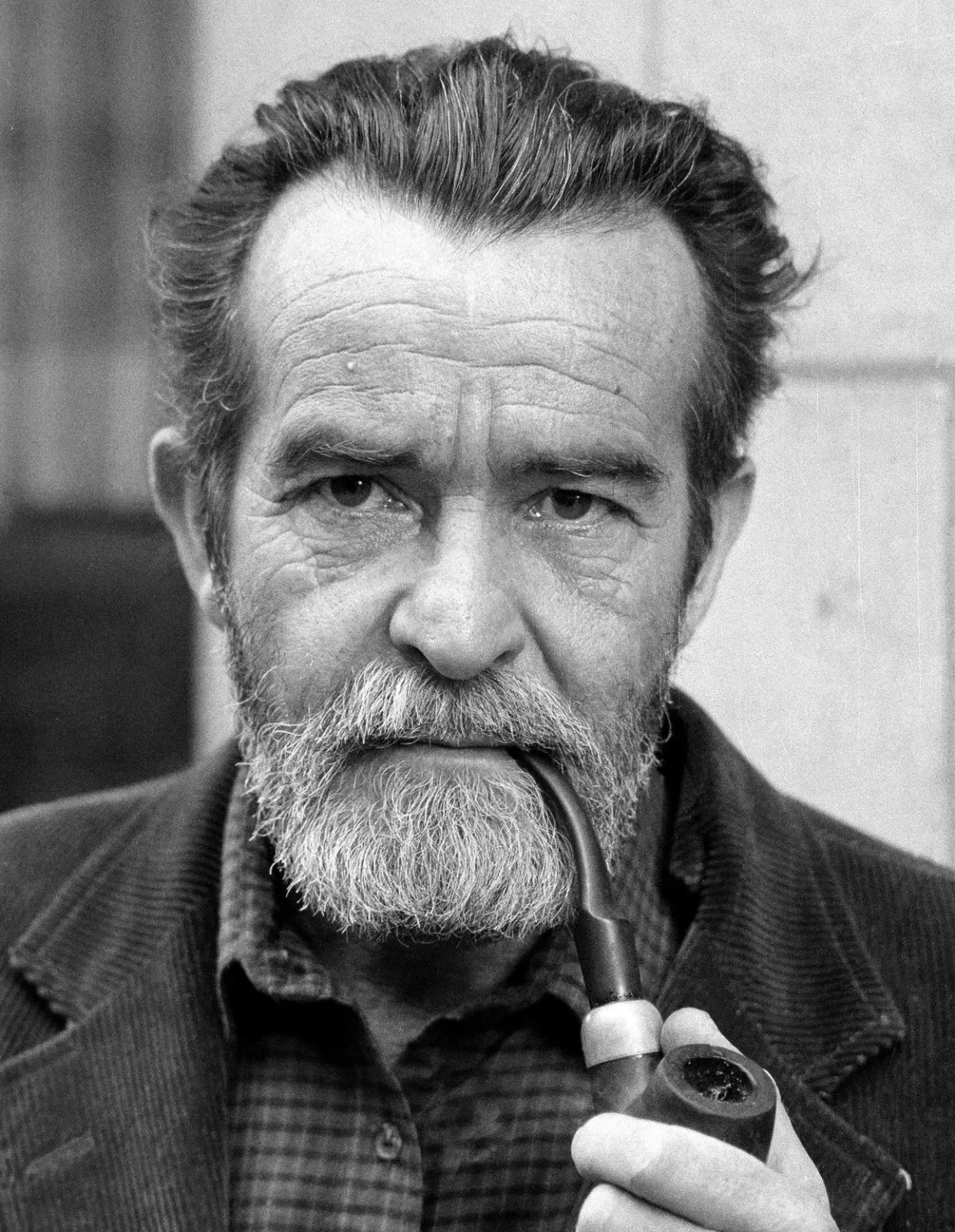
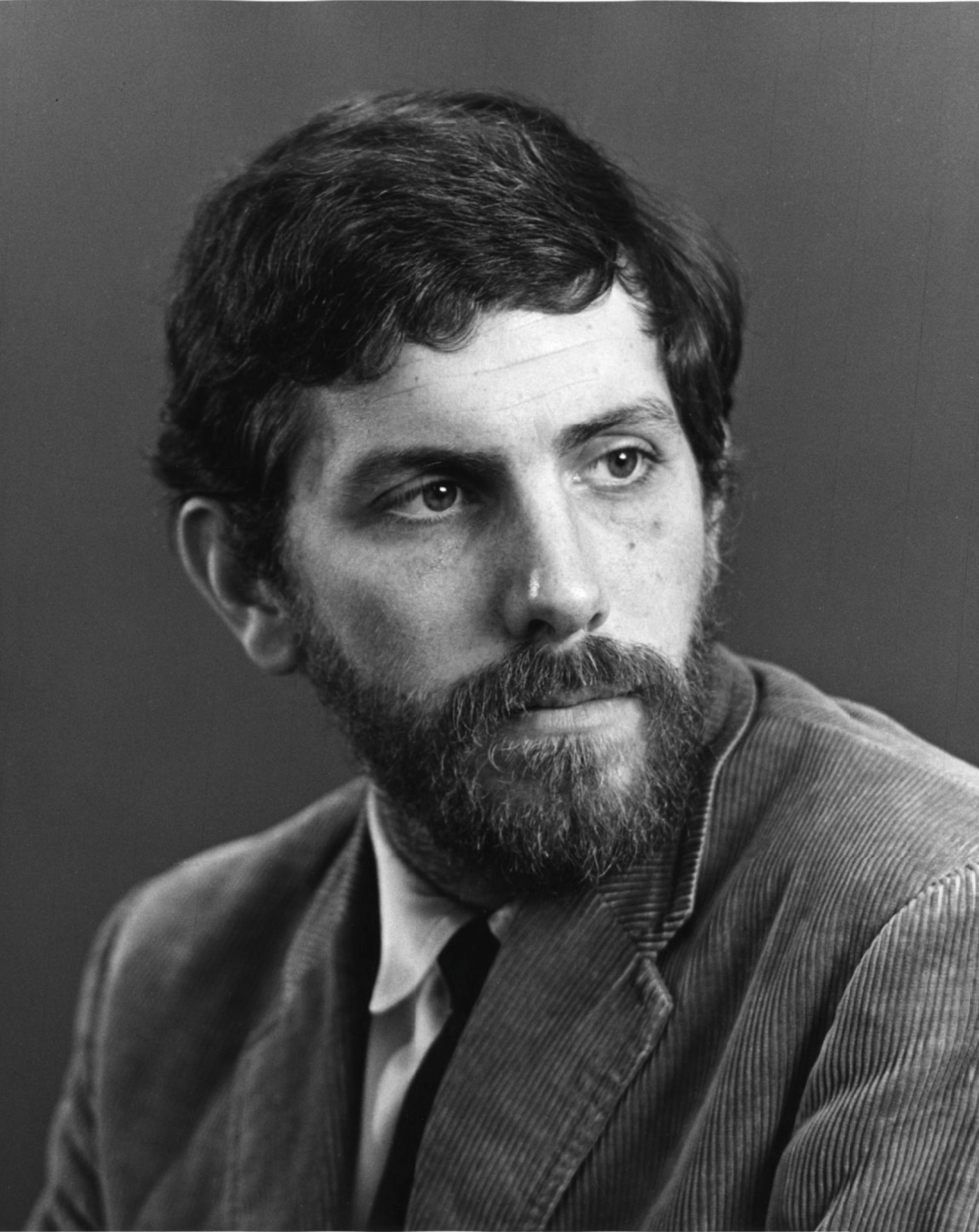
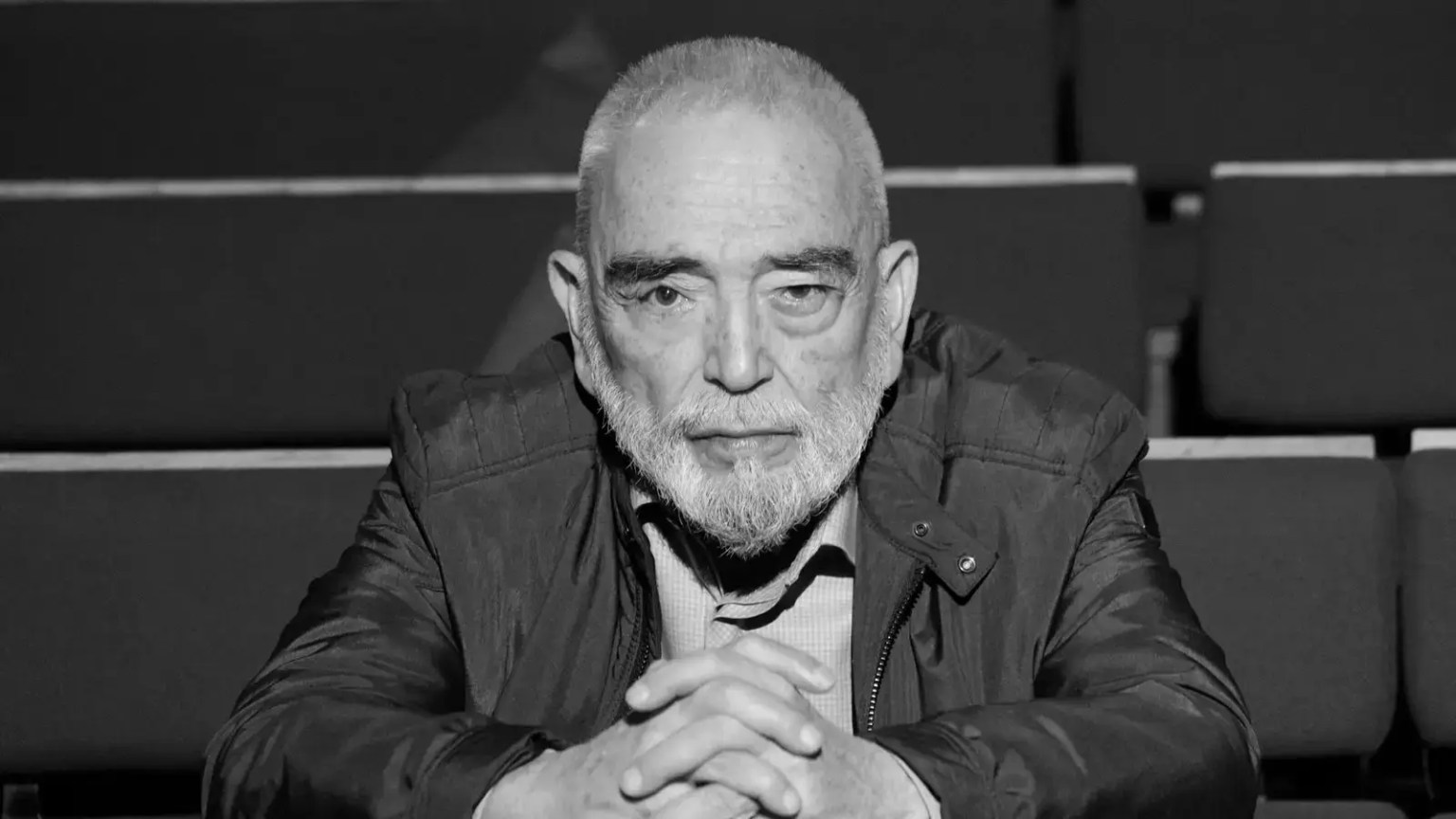
Arturo Nava Astudillo was a scenic and lighting designer, and teacher, originally from Chilapa, Guerrero, Mexico.

His interest in the performing arts was born when, under the guidance of his literature teacher, he saw Fuente Ovejuna performed in the courtyards of the Colegio de las Vizcaínas. That production profoundly moved him and marked the beginning of his perception of new worlds. In terms of lighting, he often recalled two key moments as his true sources of inspiration: a front light illuminating an actress’s face as she recited a poem under the design of Luis Macouzet at Casa del Lago, and a backlight in Lago Mudanza, designed by Alejandro Luna.

While studying at Preparatoria No. 5, he participated in the acting workshops of “El Teatro en Coapa,” under the guidance of maestro Héctor Mendoza, debuting in El Periquillo Sarniento in 1961. That experience, along with the designs of Marcela Zorrilla—another essential figure in Mexican theatre—instilled in him discipline, commitment, and, above all, the joy of working toward a stage production.

José Joaquín Fernández de Lizardi’s El Periquillo Sarniento, 1962. Ed. Teatro Estudiantil de la UNAM

When he entered the Faculty of Architecture, his artistic activity became more closely tied to pantomime and dance. However, it was through his work with maestro Julio Prieto that his architectural studies naturally connected with the complexity of theatre space and, through that, with the performing arts as a whole. His career was extensive and influential, but it was teaching that kept his creative spark alive for more than 30 years. Always attentive to the evolution of the field, he moved from drawing plans on large sheets to designing digitally using specialized software—staying up to date so he could share his passion for theatre with new generations.

Throughout his career, he collaborated on more than 380 stage projects, though he held special affection for the early ones. In 1983, he officially began as a scenic and lighting designer with Euridice, directed by Rafael Pimentel at Teatro Santa Catarina, where he also served as coordinator. That administrative and technical experience allowed him to understand theatre from every angle. Yet one of the most cherished productions in his memory was La Orestíada, directed by José Solé. This monumental project, presented at the 1984 Cervantino Festival, solidified his vocation for stage lighting. Solé, whom he admired deeply for his discipline and historical fidelity, became a key figure in his professional development.


Arturo Nava receiving the Award for the Best Lighting Design for Juana in a Million
Premios Metropolitanos de Teatro, 2018

His creative process always began with reading the script. If it was a familiar work, he would note technical and directorial needs; if it was new, he approached it “in a completely open and almost naïve way,” recording the first sensations and emotions it provoked. He believed that first contact mirrored the audience’s initial experience of the play. He then moved into exhaustive visual research—videos, photographs, paintings, architecture—and analyzed all that information before conceptualizing the scenic intention. He used to say that this intention was “the most difficult element of all, because it is intellectual, emotional, and completely subjective, yet it must be present in the scenography.”

Next came the drawing phase: floor plans, sections, elevations, axes, and colored lines. When necessary, he would cut and tape sheets together to create small mock-ups until he achieved the desired form. “Form leads to use, and use leads to time, to light, to color; they are interdependent and must come together as a unified whole.” For him, research was a way to continually encounter new worlds.

He often recalled that when he arrived in the city from Chilapa, his knowledge was basic—and that theatre opened his eyes to the vastness of the world. His thirst for learning led him to study dance, acting, pantomime, and courses in lighting and scenography, as well as drawing programs and specialized software. His personal library held books in multiple languages on theatre, architecture, painting, opera, and history, while his video collection included productions from New York to Sydney. Knowing a little about everything, he said, made his profession greater, and he shared his knowledge freely with anyone eager to learn.

source: Ivan Serna/Reforma, 2019

Among his greatest influences, he always mentioned Julio Prieto, from whom he learned the technical and aesthetic workings of theatre, and José Solé, whose rigorous discipline deeply inspired him. He also admired Prieto’s colorful sketches and costume designs, which influenced the chromatic approach of his own sets. That passion and rigor accompanied him throughout his professional life: “I miss Arturo,” many directors say, recalling his unwavering commitment and his ability to solve every last detail before opening night.

If he were alive today, he would undoubtedly be intrigued by the debate surrounding artificial intelligence—not as a creative tool, but as a means of solving needs we do not yet fully understand. Knowing him, however, he would have rejected its use as a replacement for human imagination. He would certainly have been fascinated by the new theatres being built in China, ever interested in theatrical architecture as a living space.

His advice to young artists was simple and constant: “Research, read, watch, and ask questions.” He loved teaching because he learned as much from his students as they from him. “Sometimes one becomes attached to their own system, and suddenly realizing that others exist is incredibly enriching.” He believed that those who devoted themselves to art should share their processes, teach by observing, and learn even from imperfection. He often said that he taught the way he would have liked to be taught—curiously, generously, and without limits.

source: Sonia Flores. 2016

During the presentation of the Xavier Villaurrutia Medal at the closing of the 40th National Theatre Showcase in 2019, he said:

“All the accumulated experience only acquires true meaning when it can be shared—through teaching or through publications that may be useful to those dedicated to the Performing Arts. There is no greater satisfaction than witnessing the flourishing of talents one helped shape.”

His passion for research and knowledge led him to recognize the lack of books on scenography and lighting in Spanish. In 2001, he participated in the National System of Art Creators with a glossary of scenic terms, which later became his first book: Iluminación Escénica: Procedimientos de Diseño (2015), the first publication in Latin America on the subject. This was followed by Fundamentos del Diseño Escenográfico (2016), solidifying his methodological legacy.

More than just an impact, his work left a profound legacy. His teachings, passion, and dedication remain alive in generations of scenographers, technicians, and directors trained under his guidance. He always was—and will continue to be—Maestro Arturo Nava.

Personal Archive of Arturo Nava. courtesy of Sonia Flores

3 Responses

  1. Mi amigo, el maestro de muchos y de Antonio, lo extraño mucho. Gracias Sonia… hasta las lágrimas!!!

  2. Sonia, que manera tan clara de plasmar el arte, la capacidad creativa que tenía y el gran ser humano que era el maestro Arturo Nava.
    Estuviste tan cerca de ese halo creativo, que tienes una mirada exacta para definir su trabajo, felicitaciones.
    Ήταν υπέροχος στη σκηνή αλλά και ως άνθρωπος.

Leave a Reply

Your email address will not be published. Required fields are marked *

BACKSTAGE PASS

Master Your 2026 Career.

Get our free Survival Guide for Actors, Directors, and Designers.