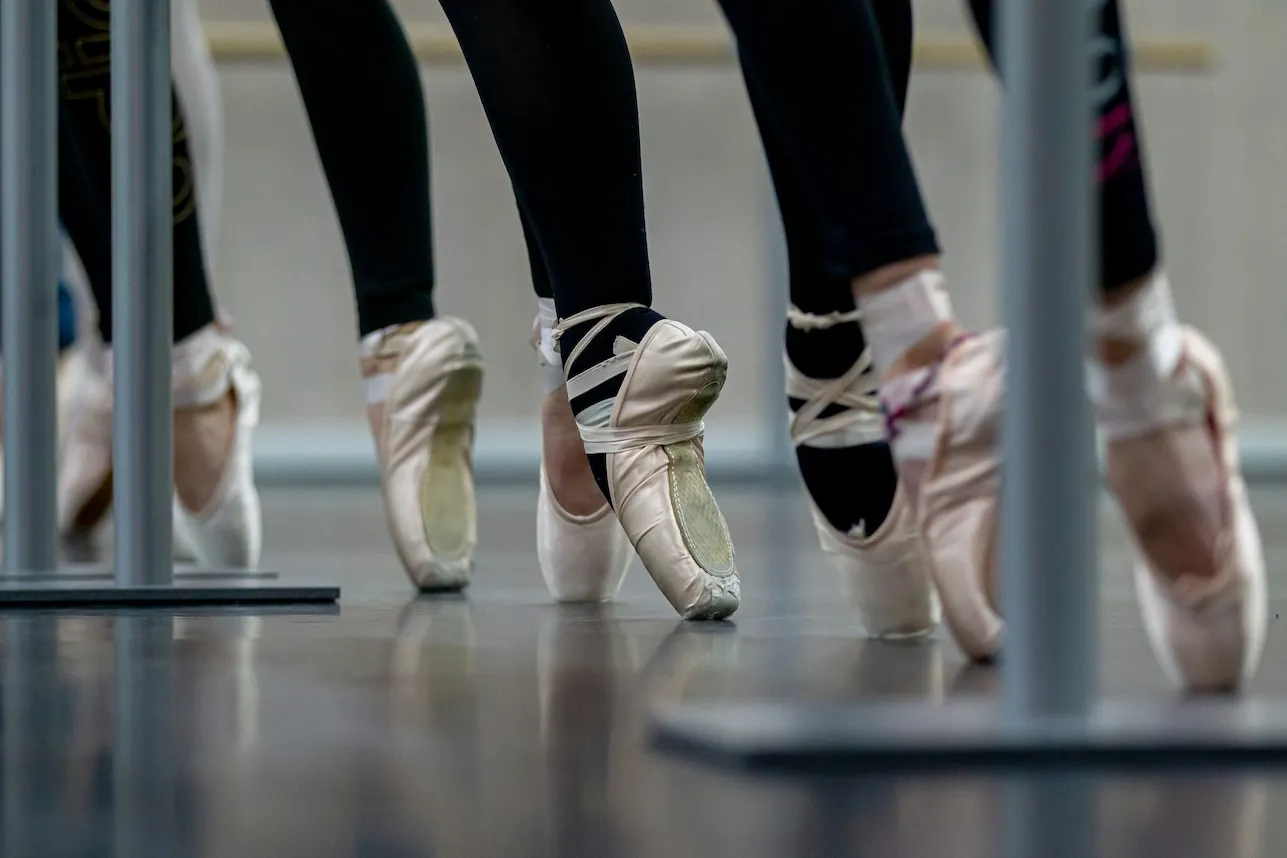

Kejia Yu: Stepping Through Emotion.
Scenic designer, Kejia Yu brings empathy, imagination, and emotional storytelling to every space she creates. Discover her journey and vision.

Scenic designer, Kejia Yu brings empathy, imagination, and emotional storytelling to every space she creates. Discover her journey and vision.

A powerful profile of Mexican actress and author Kelly Key, exploring creativity, motherhood, resilience, and the act of creating from truth.

Lighting designer Jennifer Gonzalez transforms story into emotion through light, celebrating culture, community, and underrepresented voices.

Jay Duckworth shares his proven method for building the perfect theater props list, tested on shows like Hamilton and Fun Home.

Lighting designer Miguel Pérez Cuesta reflects on the silent artistry of light and its power to move audiences through emotion.
I’ve always been drawn to the dark allure of gothic literature and the quiet tension of classic horror films. Ever since Guillermo del Toro first announced his adaptation of Frankenstein, I’ve followed its development with fascination. As the premiere approaches, that anticipation has made me wonder: what is it about this story that refuses to die? How has Mary Shelley’s 1818 vision continued to haunt our imaginations across centuries of retellings and reinterpretations?
Del Toro’s upcoming film feels less like a simple adaptation and more like a continuation of that long creative conversation. Each generation reshapes Frankenstein to mirror its own anxieties—about science, morality, identity, and creation itself. In revisiting Shelley’s myth, del Toro invites us once again to confront the uneasy balance between invention and consequence, and the ever-blurring line between the maker and the made.
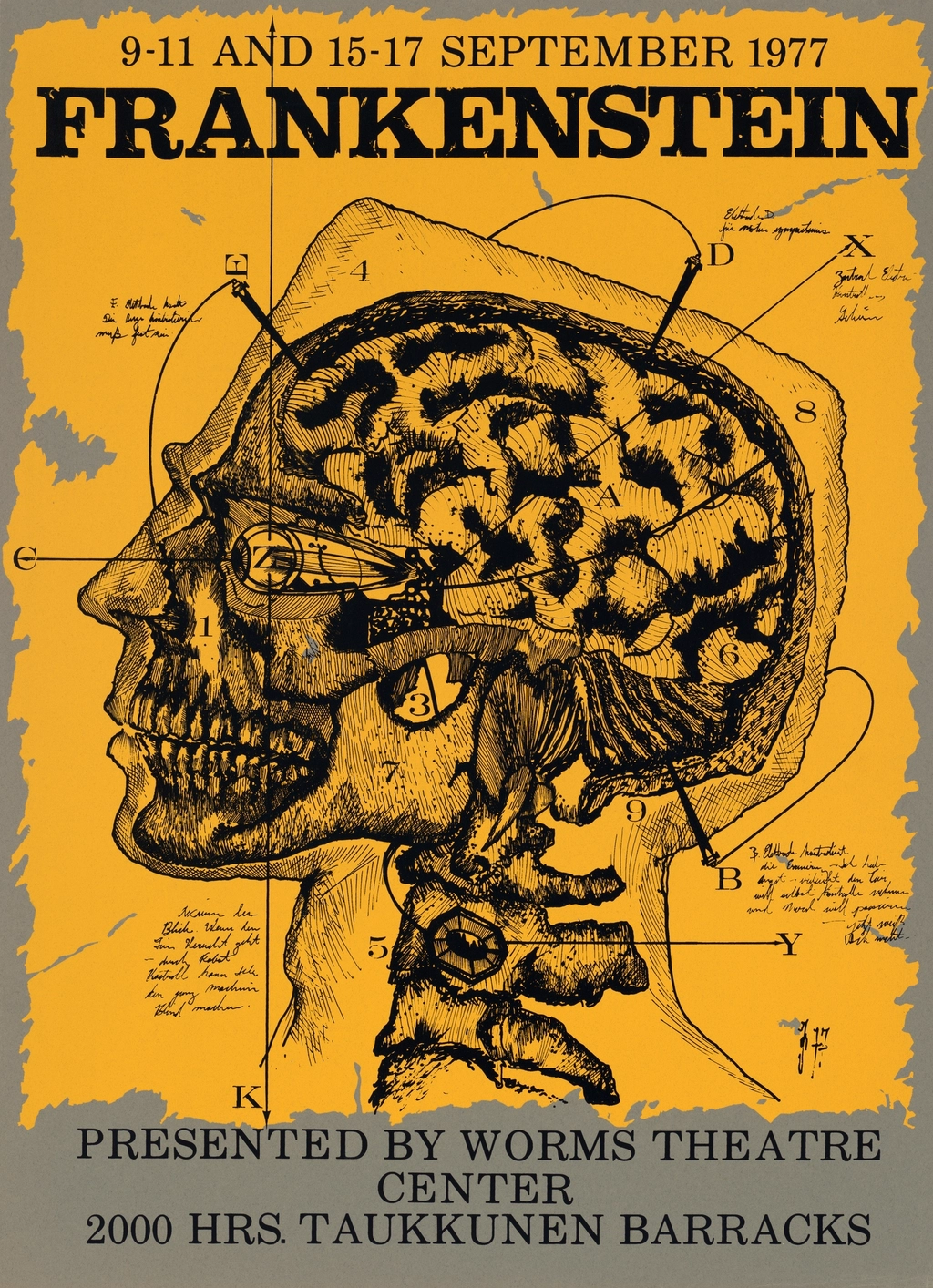
Mary Shelley’s Frankenstein; or, The Modern Prometheus introduced a radical idea: what might happen when a human pushes beyond nature’s limits. Almost immediately, the theater world responded. By 1823, just five years after the novel’s publication, a London play titled Presumption; or, the Fate of Frankenstein by Richard Brinsley Peake brought Victor Frankenstein and his creature to the stage. The adaptation was loose, introducing new characters like “Fritz,” Victor’s bumbling assistant (a precursor to the Igor figure). Shelley herself attended a performance, reportedly critiquing the plot but praising the portrayal of the creature.
Over the 19th century, Frankenstein was dramatized in melodramas, burlesques, and reworkings. By 1826, at least fifteen versions had appeared in England and Europe, often amplifying the horror elements, simplifying the moral complexity, and prioritizing visual spectacle—shocks of lightning, collapsing laboratories, the reanimated body. With each adaptation, the creature shifted shape: from a philosophical enigma to the monstrous other, to a tragic figure yearning for recognition.
While the stage gave Frankenstein early form, the film world cemented its most iconic visuals. The 1910 Edison Studios short introduced a skeletal, short-lived vision of the monster. Still, it was the 1931 Universal Pictures Frankenstein, with Boris Karloff as the creature, that fixed the image in deep cultural memory. Karloff’s flat head, heavy brow, neck bolts, and lumbering gait—designed by Jack Pierce’s makeup—became the template that shaped both popular fear and sympathetic responses to the creature.
In the classical screen versions, Victor Frankenstein became the archetypal tragic scientist, often blind to consequences, and driven by godlike ambition. The narrative of creation as hubris, and its inevitable collapse, took root in popular culture. The myth extended into sequels (Bride of Frankenstein, etc.), parodies, and reinterpretations.
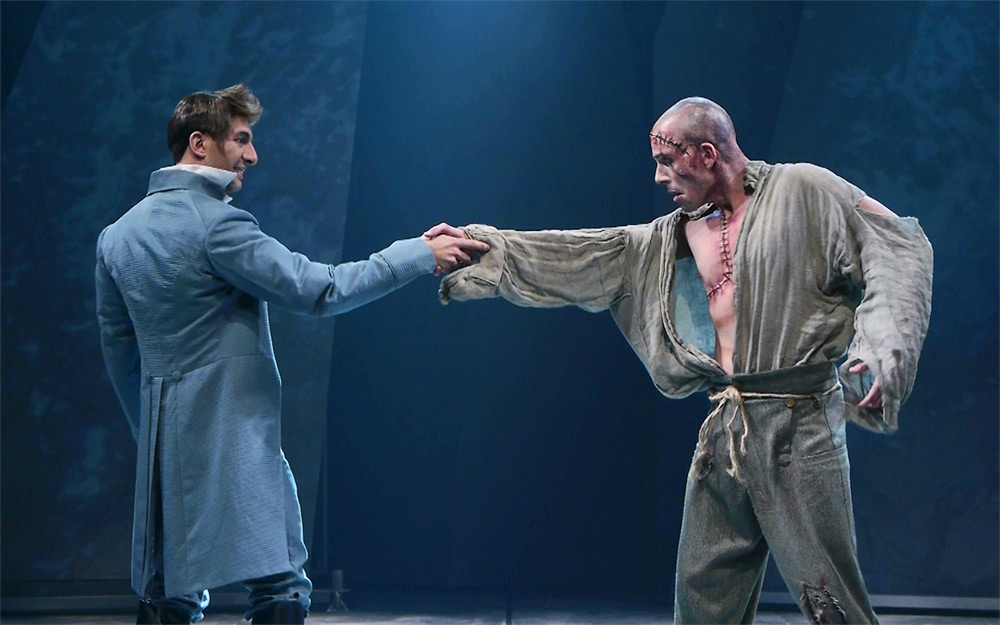
The stage never forgot Frankenstein. Over the years, theatre artists have continued to reimagine Shelley’s myth in bold and innovative ways. Among the most celebrated adaptations is Nick Dear’s 2011 version for London’s Royal National Theatre, directed by Danny Boyle, where Benedict Cumberbatch and Jonny Lee Miller alternated the roles of Victor and the Creature in a haunting exploration of duality and identity. Another major interpretation, Frankenstein – A New Musical (2007), with music by Mark Baron and lyrics by Jeffrey Jackson, recast the story through an emotional lens, emphasizing the Gothic romance between creation and destruction. Earlier works such as Frankenstein – Playing with Fire (Guthrie Theater, 1988) and Catalyst Theatre’s 2007 musical adaptation expanded the story’s scope through inventive staging and experimental structure.
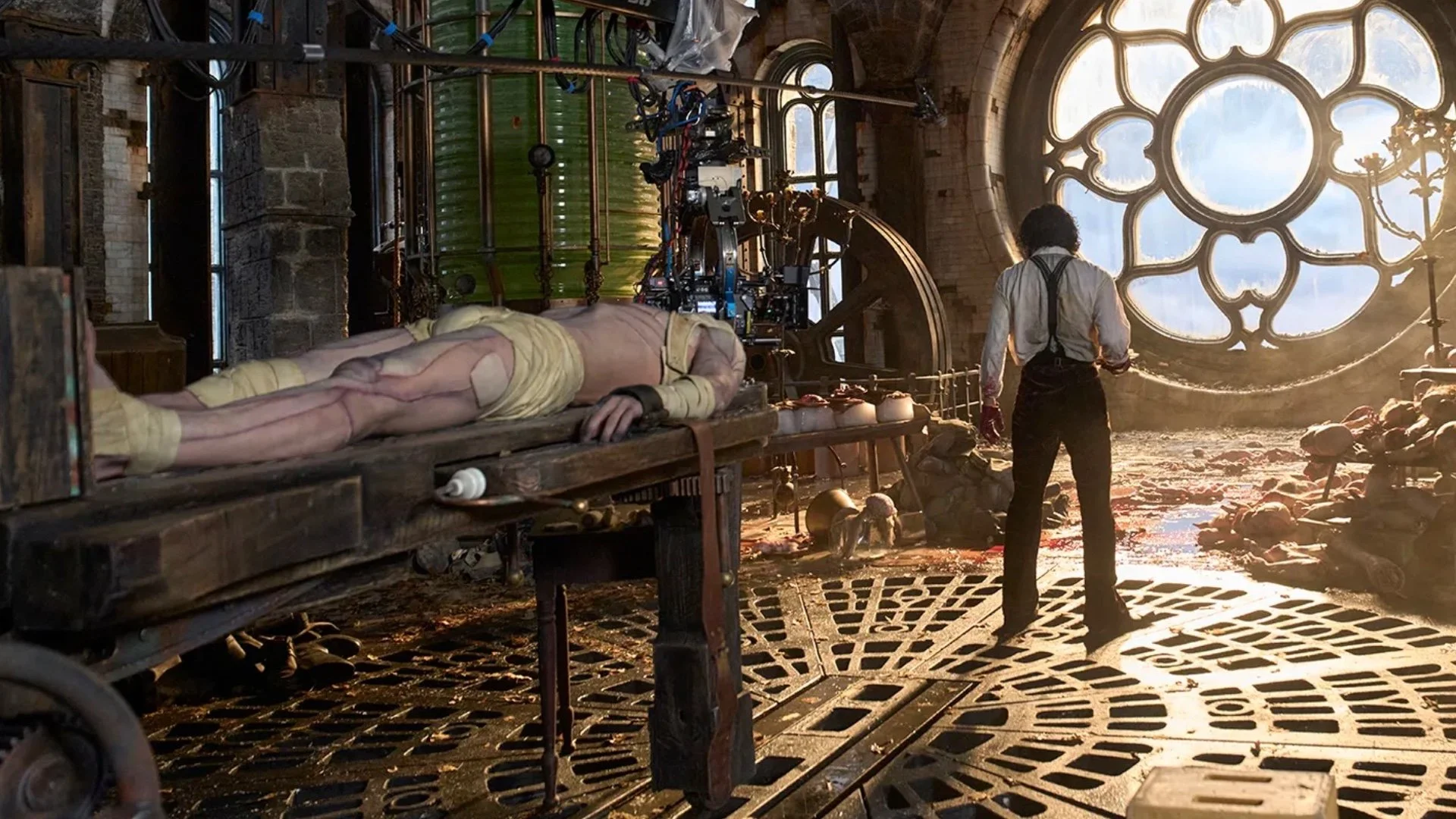
Guillermo del Toro’s adaptation emerges not simply as another Frankenstein retelling, but as a visual and emotional reimagining. He has long described the creature as one of the “monsters he grew up with.”
In this new version, the creature (played by Jacob Elordi) is not just terror incarnate but a voice demanding empathy, a being betrayed by its creator and the world around it. Del Toro’s Victor Frankenstein (Oscar Isaac) is positioned with fuller emotional stakes: obsession, longing, and the consequences of ambition. Compared to Karloff’s rigid silhouette, del Toro’s creature is meant to be more vulnerable, more articulated, more expressive—invoking familiar elements while pushing them into a more emotional register.
Through its many retellings, Frankenstein has become a symbol of creation’s peril—the scientist who overreaches, the orphaned creation seeking recognition, the boundary between life and artifice. Onstage or screen, it asks who the real monster is: the creator or the created?
Del Toro’s version returns us to that problem with fresh urgency. In an era of gene editing, AI simulation, and speculative bioengineering, the Frankenstein myth resonates in new ways that demand not just fear or pity, but accountability from those who wield creative force.
The myth of Frankenstein’s influence reaches horror, science fiction, and even modern performance art that questions authorship, embodiment, and agency. The myth has seeped into comics, immersive installations, and cultural critique of technological arrogance.
The evolution from Shelley’s prose to Peake’s melodrama, to Karloff’s cinematic monster, to Dear’s dual-stage experiment, and now del Toro’s visual drama illustrates how Frankenstein becomes a mirror for each era’s anxieties and aspirations—not as a static icon, but as a living stage of cultural conversation. Theatre-makers, scholars, and audiences alike can attest to how each era reconfigures the myth of creation and responsibility. In each version, we see the limits of imagination, the shadow of ambition, and the need to treat creation with empathy and accountability.
Whether in candlelit theaters or grand cinematic frames, Frankenstein’s legacy still asks us: What price do we pay for playing god? And who gets to tell the story after the lightning strikes?
Support artists—share this
Get exclusive interviews, bold ideas, and behind-the-scenes insights from creatives around the world. Join our newsletter to fuel bold, independent theatre journalism.
We use cookies to personalize content, provide social media features, and analyze our traffic. You can manage your preferences or accept all.