
Ian Garrett: Reimagining How We Live.
Ian Garrett explores the future of theatre design through ecology, technology, and care, redefining how art connects to the environment.
Ian Garrett explores the future of theatre design through ecology, technology, and care, redefining how art connects to the environment.

Find the right graduate theatre program by evaluating faculty, resources, location, and career outcomes beyond university rankings.

Discover how CITT/ICTS champions Canada’s theatre and live event technicians through training, community, and EXPO-SCÈNE 2026.

Scenic designer, Kejia Yu brings empathy, imagination, and emotional storytelling to every space she creates. Discover her journey and vision.
A powerful profile of Mexican actress and author Kelly Key, exploring creativity, motherhood, resilience, and the act of creating from truth.
by Josafath Reynoso.

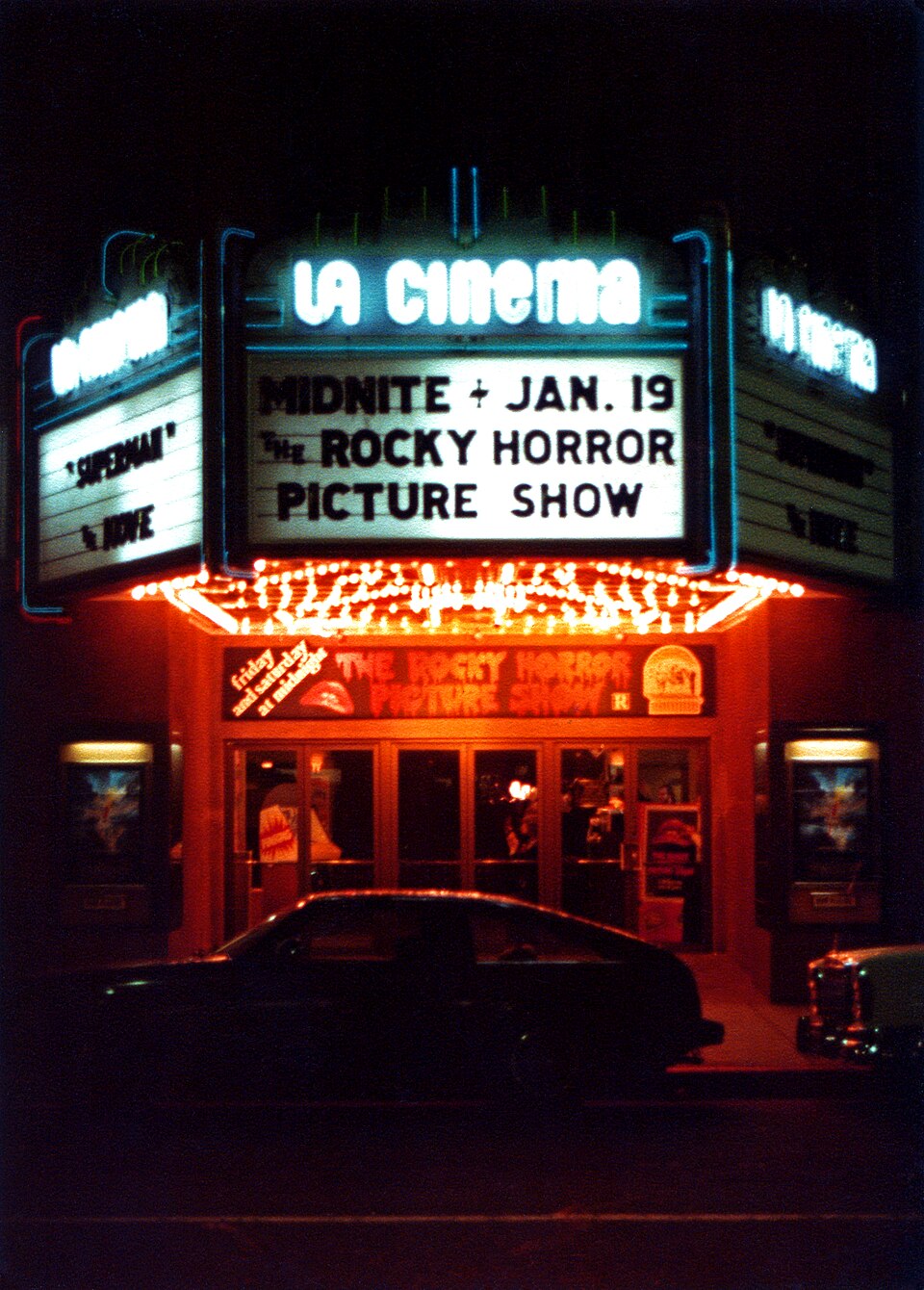
This year marks the 50th anniversary of The Rocky Horror Picture Show, the campy cult classic that refused to fade away. Half a century after its 1975 release, the film remains one of cinema’s most enduring audience-participation events—an exuberant celebration of queerness, rebellion, and theatrical absurdity that continues to shape performance culture, drag artistry, and immersive theatre around the world.
As an immigrant in the US, I wasn’t fully aware of the cultural phenomenon the movie represents for die-hard communities. I had watched the movie before moving here, but it was my first midnight screening that really started the journey for me, and sent me down this rabbit hole.
The story began in 1973, when writer Richard O’Brien and director Jim Sharman premiered The Rocky Horror Show at London’s Royal Court Theatre. The stage musical was an eccentric blend of science fiction, B-movie horror, and glam rock, all filtered through a camp sensibility that felt both mischievous and liberating.
Two years later, the stage hit was adapted into the film The Rocky Horror Picture Show, starring Tim Curry, Susan Sarandon, and Barry Bostwick. But its release in 1975 was anything but triumphant. Critics were divided: Variety called it “campy hijinks that eventually wear thin,” while Newsweek dismissed it as “tasteless, plotless, and pointless.” Even Roger Ebert gave the film a measured 2.5 out of 4 stars, praising Curry’s charisma but suggesting it “might have worked better as a stage show.”
Curry himself later recalled, “We were crushed when it flopped. It was only supposed to run a few weeks, and we thought it was over.” Yet fate had other plans.
The film’s revival began on April Fool’s Day, 1976, when a screening at New York’s Waverly Theater turned chaotic in the best way. Audience members began shouting witty retorts at the screen, and soon, props and costumes followed. The phenomenon of the midnight screening was born.

Fifty years later, Rocky Horror is far more than a nostalgia act—it’s a cultural beacon for those who’ve ever felt out of place. As science journalist Jennifer Ouellette observed, “It’s had a profound impact on our culture, especially on people who’ve felt different and marginalized.”
That spirit of radical inclusion is woven into every sequin of the film. The character of Dr. Frank-N-Furter, played with unrestrained brilliance by Tim Curry, redefined gender performance on screen. Glamorous, dangerous, and unapologetically sexual, Frank-N-Furter embodied a kind of freedom that mainstream audiences of the 1970s had rarely encountered. “Don’t dream it—be it,” became a mantra for generations of fans.
That ritual continues in drag houses, cabaret stages, and immersive theatre events where performance and identity blur. Rocky Horror’s unapologetic camp paved the way for later works such as Hedwig and the Angry Inch, RuPaul’s Drag Race, and the interactive theatre experiences that thrive today.

No two Rocky Horror screenings are ever the same. The film’s survival owes much to the interactive rituals that fans have sustained for decades: call-backs, costumes, and prop cues that transform a passive viewing into communal theatre.
At the Clinton Street Theater in Portland, Oregon, Rocky Horror has played every Saturday night since 1978, making it one of the longest-running film engagements in the world. Local “shadow casts” perform the movie live in front of the screen, mirroring every move, while audiences shout, sing, and toss rice, toast, and use water pistols.
A typical screening feels less like cinema and more like a midnight party; a place where everyone belongs precisely because no one fits in. Over time, regional traditions have emerged: each theater has its own participation script, prop rules, and in-jokes. At its heart, Rocky Horror’s participatory spirit embodies theatre’s most ancient impulse: to gather, to perform, and to share the joy of collective make-believe.

Half a century later, The Rocky Horror Picture Show stands as a defiant testament to self-expression. In a cultural landscape still wrestling with gender norms and creative conformity, its message feels as urgent as ever. The film’s endurance—through changing political climates, moral panics, and even the streaming revolution underscores its unique place in popular culture.
In 2025, official 50th anniversary celebrations include special screenings, exhibitions, and fan conventions around the world, culminating in events at The Roxy Theatre in Los Angeles, where the movie originally premiered. A new documentary, Strange Journey: The Story of Rocky Horror, explores how the film evolved from flop to cultural phenomenon, driven almost entirely by its fans.

If you’ve never experienced Rocky Horror in person, this year will provide a unique opportunity. Check out your local independent cinema; there’s likely a midnight screening happening near you. Wear a costume or come as you are. Learn the call-backs (they’re easy to find online), bring the traditional props—newspaper, rice, toast—and get ready to shout, sing, and laugh with a crowd that knows every beat.
For both new and returning audiences, there’s a world of Rocky Horror waiting to be rediscovered. You can revisit the film at home—whether through the 50th Anniversary Blu-ray edition or the nostalgic VHS release. The official 50th Anniversary site lists global screenings and events you can attend.
At fifty, The Rocky Horror Picture Show isn’t merely a piece of film history; it’s a living act of theatre. It thrives because audiences refuse to let it end. Every rice toss, every “Asshole!” shouted from the dark, every stomp of The Time Warp keeps that spirit alive.
So, whether you’re a lifelong fan or a curious newcomer, grab your fishnets, your friends, and your sense of mischief. This is one show that doesn’t ask you to sit quietly.
Don’t dream it, be it!
Support artists—share this
Get exclusive interviews, bold ideas, and behind-the-scenes insights from creatives around the world. Join our newsletter to fuel bold, independent theatre journalism.


We use cookies to personalize content, provide social media features, and analyze our traffic. You can manage your preferences or accept all.
Join us in setting the global stage—exclusive stories, insights, and trends delivered to you!