Patricia Gutiérrez Arriaga: Lux Aeterna.
Lighting and scenic designer Patricia Gutiérrez Arriaga on theatre, spirituality, minimalism, and finding meaning through light.

Lighting and scenic designer Patricia Gutiérrez Arriaga on theatre, spirituality, minimalism, and finding meaning through light.

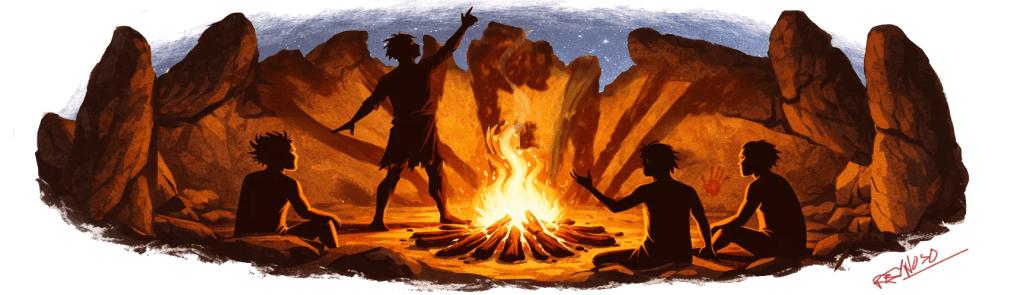
Jay Duckworth explores theater’s sacred origins, tracing how performance began as ritual and endures as humanity’s oldest art.

In-depth interview with director Rebecca Miller Kratzer on collaboration, intuitive process, and redefining leadership in theatre.

Composer Jaimie Pangan on discipline, indie storytelling, and creating music that connects emotionally across film and games.
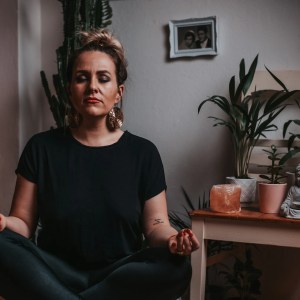
Explore how meditation and mindfulness can support theatre artists with focus, presence, emotional regulation, and creative sustainability.
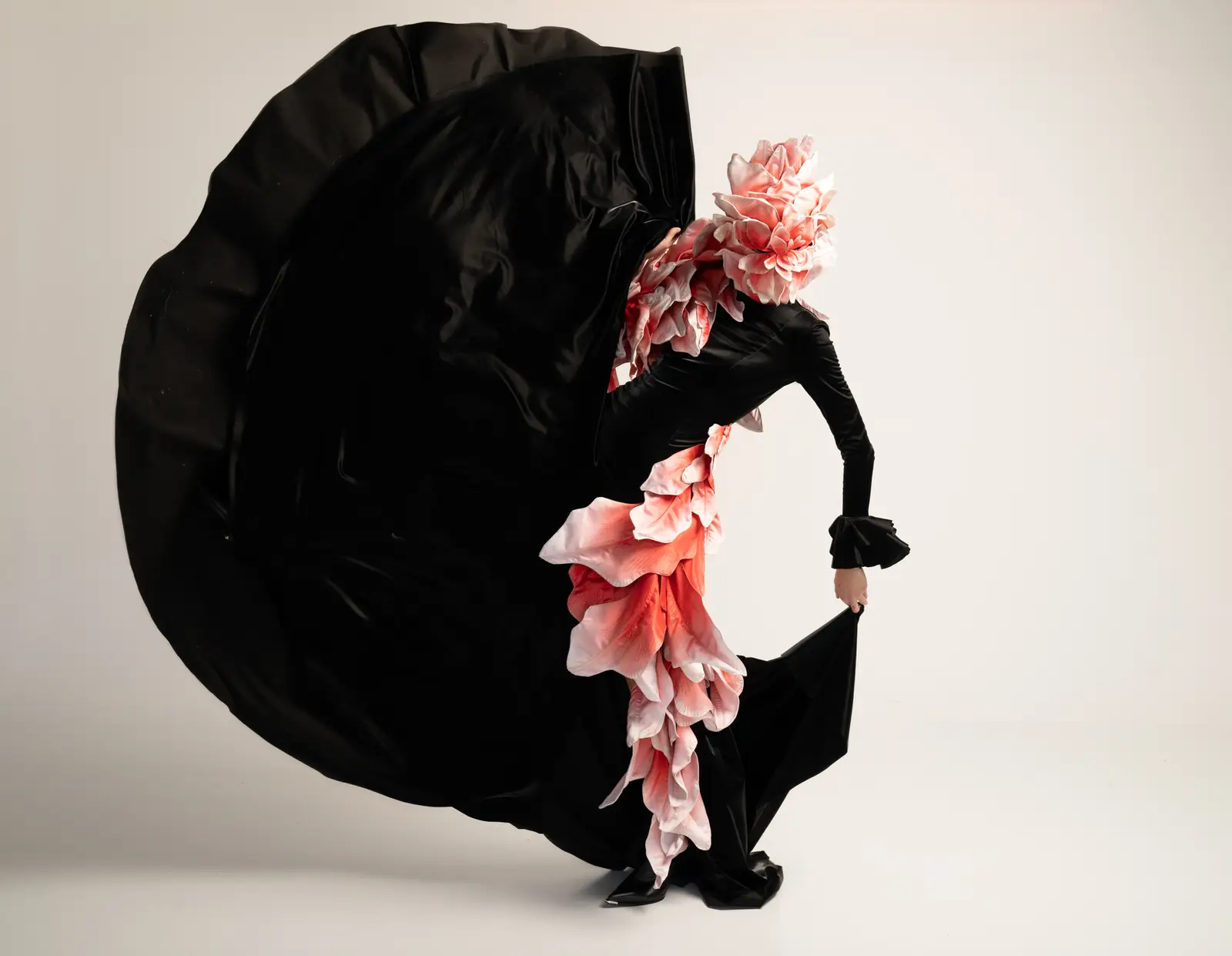
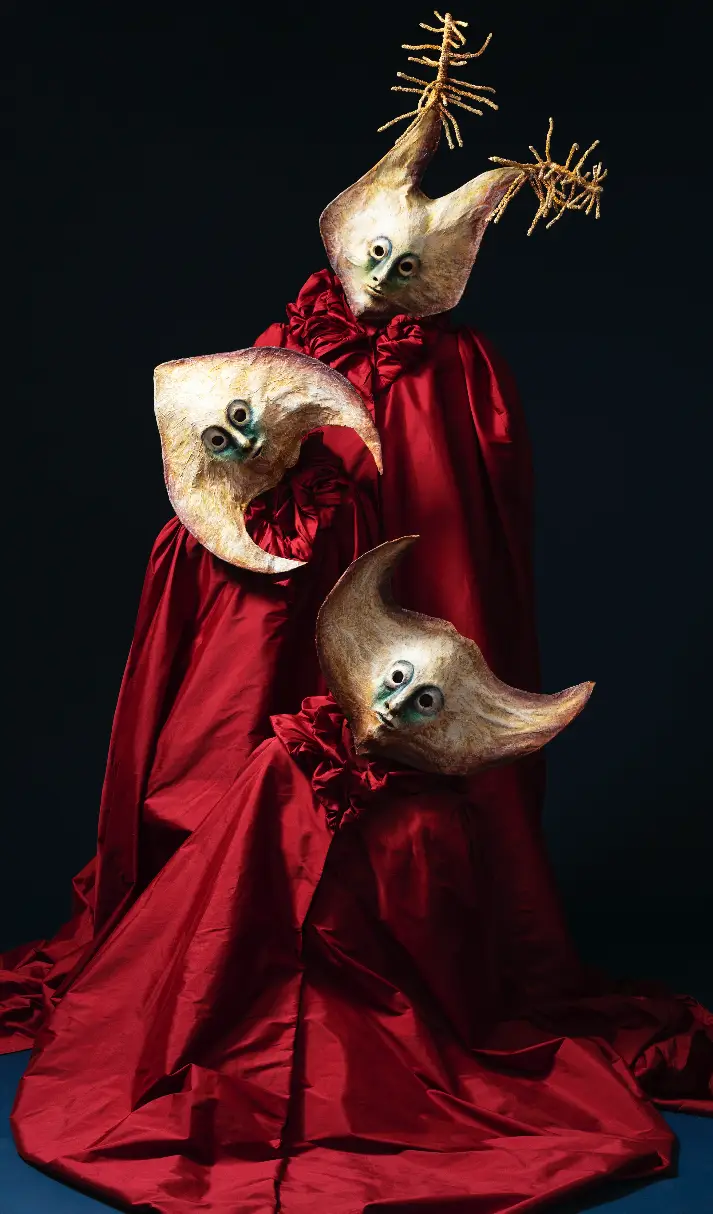
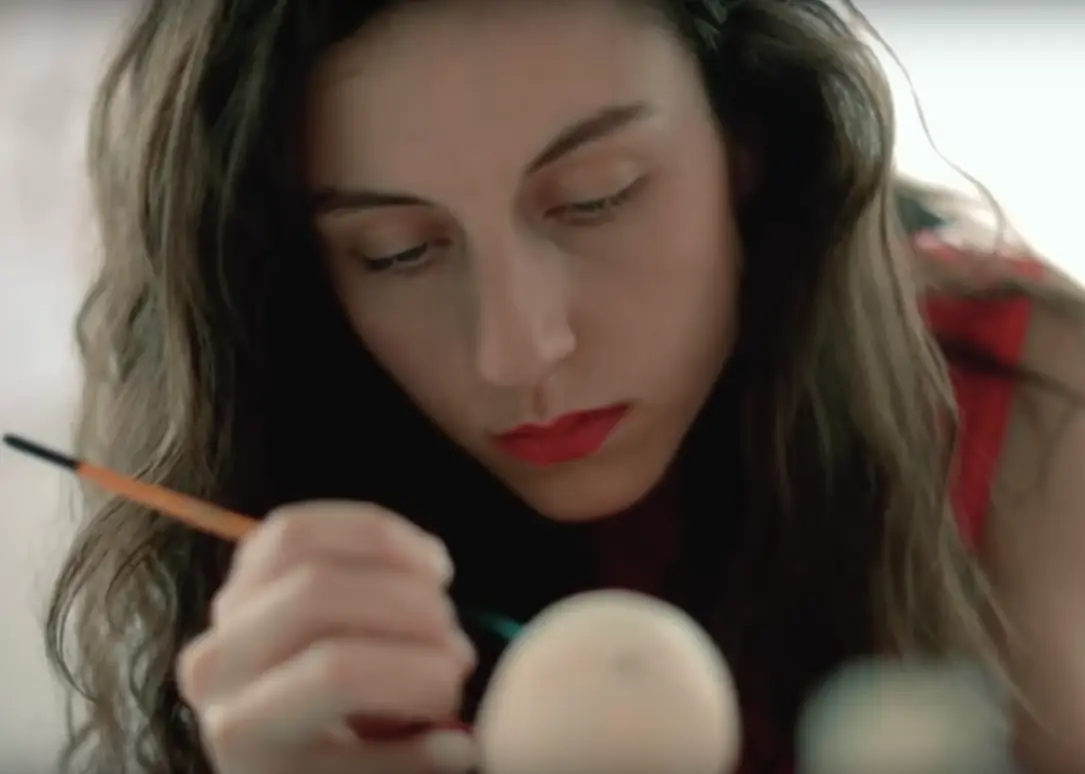
To step into Sol Kellan’s world is to walk through a dream stitched with wonder, fantasy, and profound personal truth. A costume designer and makeup artist based in Mexico, Sol turns dreams, memories, and myth into unforgettable costume design. Her work feels like stepping into a world you’ve always longed for but could never quite name—where makeup becomes armor, storytelling happens through texture, and the fantastical feels more honest than the everyday.
At a time when costume design is being redefined as a narrative force in the performing arts, Sol stands out for her ability to blur the line between creation and transformation. Her designs aren’t just visually stunning—they carry emotional weight, cultural memory, and the raw spark of survival. Whether it’s a Dia de Los Muertos parade seen by over a million people or an intimate solo creation shared online, her costumes invite you to believe in the impossible and to imagine healing through fantasy.
If you’ve ever wondered how costume design can channel inner worlds, reclaim power, and turn pain into beauty—this is your moment to find out. In this edition of PROFILES, we meet the visionary behind the fabric: Sol Kellan.
My first encounter with the performing arts was at the Palacio de Bellas Artes, watching The Nutcracker. The magic of the music, the colors, and the costumes completely captivated me—something inside me changed. I grew up with an aunt who was a dancer, and she would give me scraps of fabric. For hours, I would touch them, shape them, create forms, and give them life, inventing stories within their folds. When I was nine, I was gifted a collection of Cirque du Soleil videos, and that’s when costume and makeup captured me forever. I immersed myself in those videos, studying every detail, dreaming of the day I too could create worlds through clothing. That first moment of wonder became an endless pursuit to tell visual stories—to explore the boundary between the human and the material, between the body and costume
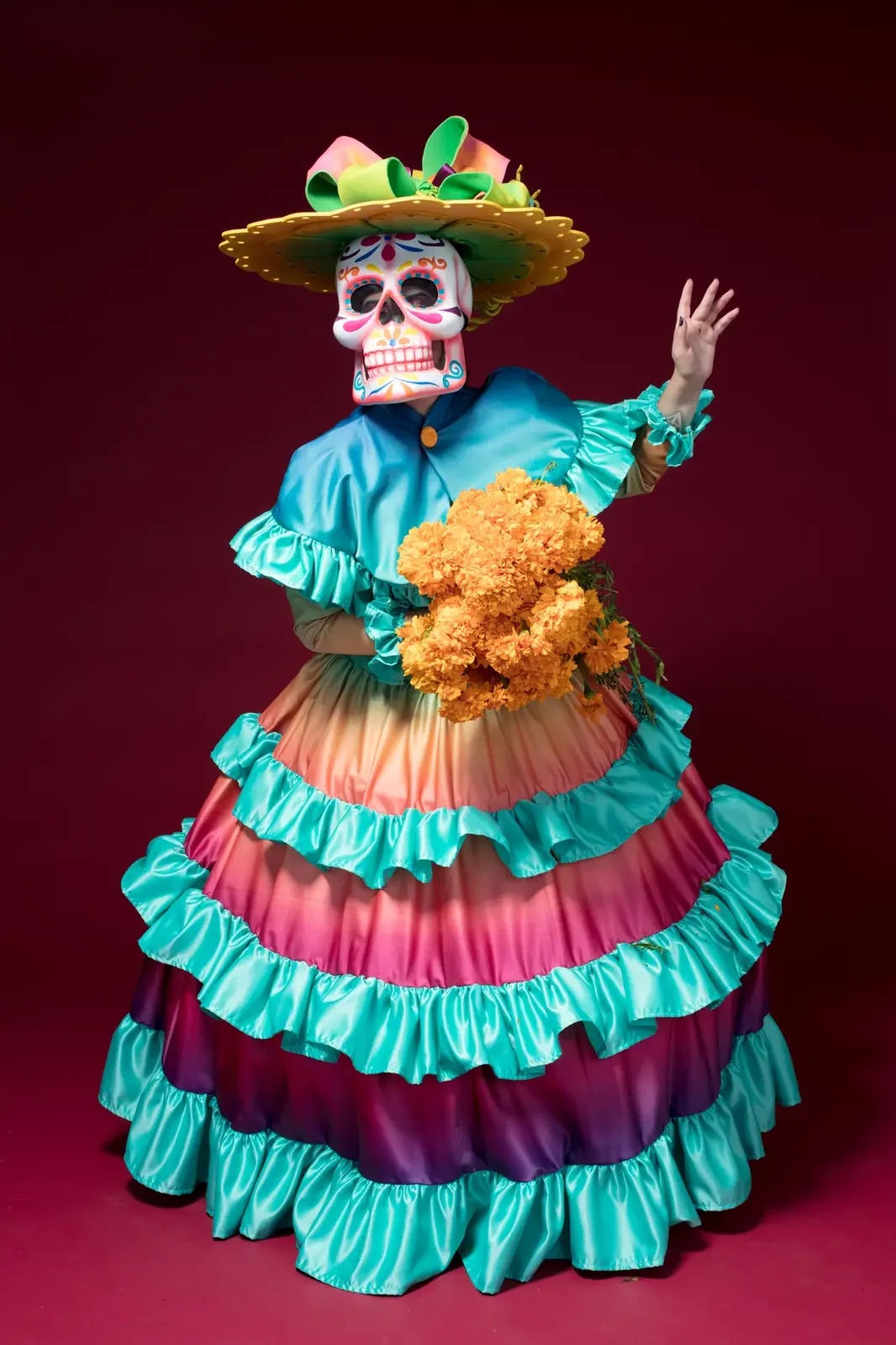
One of the projects I’ve enjoyed the most was creating the characters for the 2021 Day of the Dead Parade. I’ve always believed that when you truly wish for something with your heart, it eventually happens. Years earlier, I had approached the parade’s director, but she didn’t show much interest in my work. Over time, and by a twist of fate, I was selected by the Government of Mexico City to design all the costumes, as recognition for my trajectory and the role of women in this tradition.
Since childhood, I’ve loved Day of the Dead: the bread, the flowers, the altars. Designing for this parade was a dream come true. Every costume had a soul, told a story, and aimed to move the audience. It was an incredible collective experience: more than 20 people—mostly women—worked by hand alongside illustrators, patternmakers, and artisans.
This parade not only celebrates a tradition recognized by UNESCO, it also revitalizes it and connects it with new generations. More than a million people saw it. It’s an event that generates jobs, gives visibility to art, and builds community. Being part of something like this left a deep mark on me; it was a way of honoring the past by creating in the present.
My creative process changes a lot from one project to another. Sometimes it all starts with the feeling a place gives me, like it did with Snowhite’s Forest. Other times it comes from something more technical, like a technique I discovered while experimenting—for example, using foil on lycra. It can also come from something I read, hear, or see. The Ice Queen project was born while I was listening to Fouetté, a podcast about ballet. And Sita came from a very personal memory: when I was a child watching A Little Princess, I loved the scenes where Sara Crewe read the Ramayana. That film left a mark on me, and I wanted to create something that made me feel like I was inside that world, as if I were in India.
Once I have an idea, I start building the character from scratch: I think about who they are, how they move, what they feel… and from there I move into the technical side—patternmaking, cutting, printing, makeup, visual tests. I draw inspiration from many things: art, fashion, nature, textiles… I love Degas, William Morris, and Japanese kimonos. In the end, what I seek is to create magical worlds and take people with me through costume design.
When I finished my studies in fashion design, I was truly depressed. I had always wanted to do costume design, and shortly after graduating, I found myself looking for work without any connections in the theatre world. I wasn’t willing to give up on my dream of becoming a costume designer, nor to accept just any job simply for the sake of designing something. So, I came up with the idea of creating incredible characters for myself.
I spent hours making costumes of my favorite characters and taught myself how to do fantasy makeup. I became a faun, a Hindu princess, a commedia dell’arte harlequin… any character I could imagine. Then I started sharing my work on social media, and people began to take interest and started hiring me as a costume designer.
Sharing my work was a way to show what I could do, but over time I realized that designing was, in fact, a way to survive the violence I had experienced. It made me feel free, safe, and alive—at least for a few moments—when I put on my costumes.
Fantasy, for me, sometimes feels more real than reality itself. It is my refuge, my safe place. When I’ve felt lost or vulnerable, I’ve always returned to films like Pan’s Labyrinth or My Neighbor Totoro. Ofelia, Satsuki, and Mei face their mothers’ illnesses and create magical worlds as a way to escape and heal. I relate deeply to that. As a child, on difficult nights marked by bullying, I would whisper to myself, “I do believe in fairies,” like in Peter Pan. It was a way of reminding myself that magic was still possible.
That feeling of comfort and hope that fantasy gives me is exactly what I try to convey in my work. Every costume I create is like a small doorway to another world, an invitation to imagine that things could be different. I’m deeply inspired by fairy tales, impossible creatures, and dreams that feel real. Designing is my way of weaving those universes and sharing with others the possibility of finding light—even in the darkest moments.
For me, the most exciting thing happening in the field of costume design is the growing recognition of costume as a powerful narrative tool—not just an aesthetic one. A moment that changed my life happened in 2015, when I met Gilles Ste-Croix and Monique Voyer. Gilles, along with Guy Laliberté, was a co-founder of Cirque du Soleil—one of the most influential creative movements in the performing arts—and Monique was one of their costume designers. After many years working with Cirque, they moved to Mexico and founded El Circo de los Niños de San Pancho, a social project that teaches circus arts to children in the local community.
I had always been a Cirque du Soleil fan since I was a child, so working with two of its creators felt like living a dream. One night, Monique told me about Dominique Lemieux, the designer who gave Cirque its visual identity. She said Dominique didn’t just design clothes—she created characters. That idea changed everything for me. I understood that designing costumes is about telling stories, giving identity, and transforming.
Later on, I had the chance to meet Dominique in person. I showed her my work and told her how much she had inspired me since I was little. She was warm, generous, and that conversation has stayed with me ever since. When she passed away last year, I felt a deep sense of loss, but also immense gratitude for all that her artistic vision planted in me and in this field I love so deeply.
Last year, I lost a friend—a young, talented circus artist with a bright future—who took her own life. It hurt deeply. I was told she had been in a toxic relationship… something I, too, have had to deal with for much of my life. I wish I could have been there for her, to accompany her, and maybe together we could have found in art, in circus, in creation, a way to heal.
That’s why, if I could give one piece of advice, it would be this: you are not alone. What you do, what you feel, what you live—has value. Art can be a refuge, a way to heal, to transform pain into beauty. Maybe my stories will reach someone who is going through a hard time, or simply inspire them to keep doing what they love.
Today, I feel that sharing who I am and what I create is part of my life’s purpose. So my advice is: keep creating, even in the dark. Sometimes, what we make can be the light someone else needs.
I hope my work connects with people as a transformative experience—as a doorway to other worlds. I’m creating a new performance space that will be intimate and immersive, where I can direct and present my own shows. After years of designing costumes for other productions, I discovered that what I enjoy most is building entire universes: imagining the characters, their costumes, their movements, the setting—the entire story.
This new space will function as a creative laboratory where I can fuse all my passions: circus, fashion, makeup, writing, performance, and costume design. I want each performance to feel like stepping into a dream—an experience that awakens the imagination and emotions.
In addition, I’m working on my first illustrated book in collaboration with Juan Batta. It brings together characters I’ve created over the years, each with their own tale, myth, or legend. It’s a multidimensional and deeply personal project that reflects my journey as an artist and as a woman.
Through all of this, I want to invite the audience to imagine, to feel, to dream… and perhaps also to heal. Because for me, art is a form of deep connection and transformation.
Support artists—share this
Get our free Survival Guide for Actors, Directors, and Designers.
We use cookies to personalize content, provide social media features, and analyze our traffic. You can manage your preferences or accept all.