Latest posts.

Get Featured or Publish with Skene!

Seth Howard: Storytelling Against the Grain.

source: Seth Howard.

Some designers discover theatre through a single moment. Others arrive through worlds carefully built long before they ever step into a rehearsal room. For Seth Howard, the path to scenic design began with immersion through themed environments, imagined landscapes, and the powerful sense of escapism found in places designed to transport us elsewhere.

From an early fascination with theme parks and the invisible architecture behind them, Seth developed an eye for space that is both intentional and experiential. What draws him to design is not only how environments look, but how they make people feel once they step inside them. That curiosity about scale, detail, and storytelling continues to shape his work across projects large and small.

Seth’s practice is rooted in observation, research, and a willingness to push himself beyond familiar solutions. Whether revisiting a show that marked his beginnings or navigating the demands of a growing freelance career, he approaches each project as an opportunity to test ideas, refine instincts, and evolve his voice as a designer. Along the way, he has learned the importance of collaboration, balance, and trusting others as part of the creative process.

In this edition of NEW TALENTS, Seth reflects on building worlds with intention, learning when to let go, and why taking creative risks, especially when they feel uncomfortable, is essential to growth.

partner content

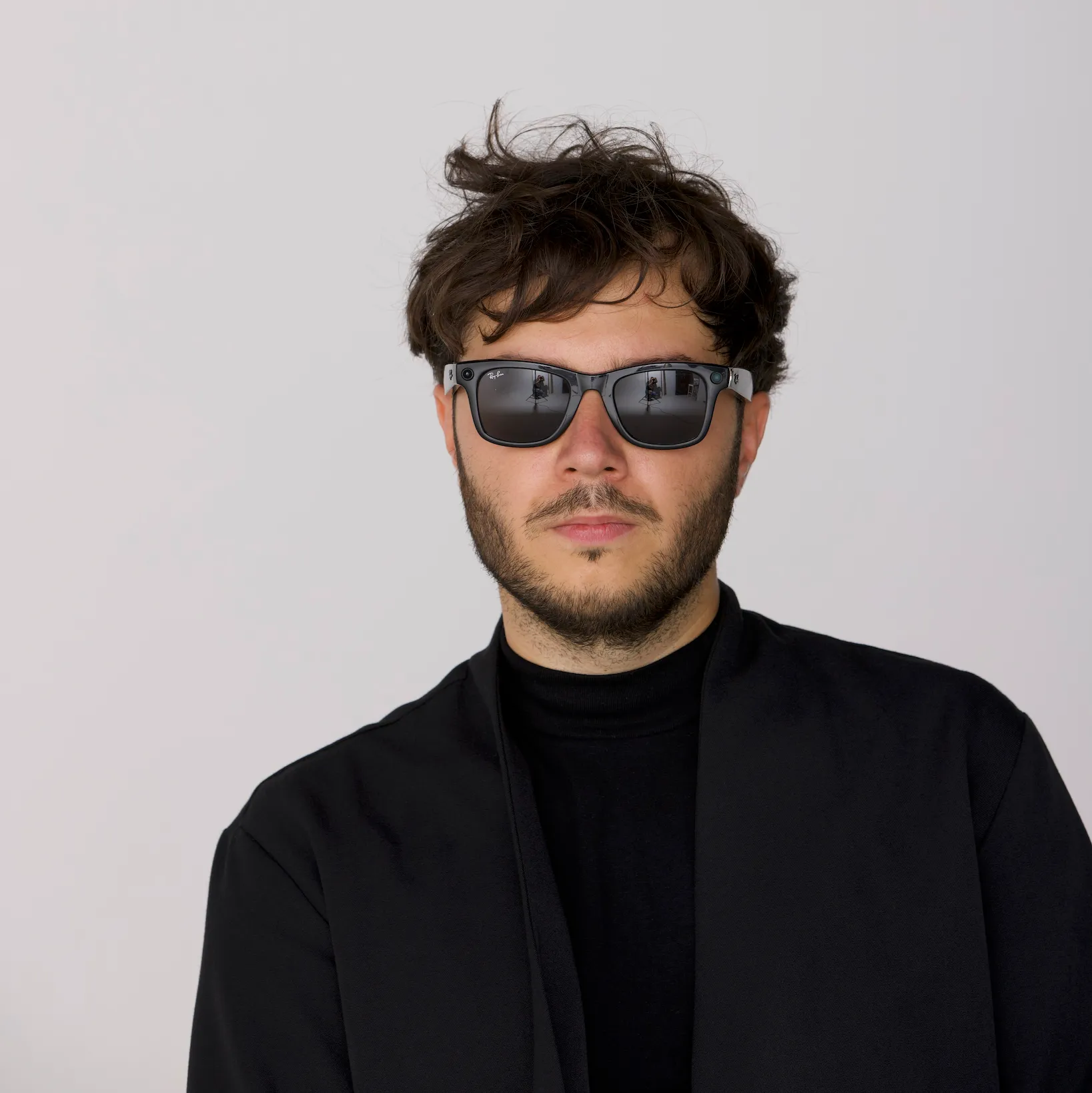
Seth Howard

he/him
Scenic Designer
United States
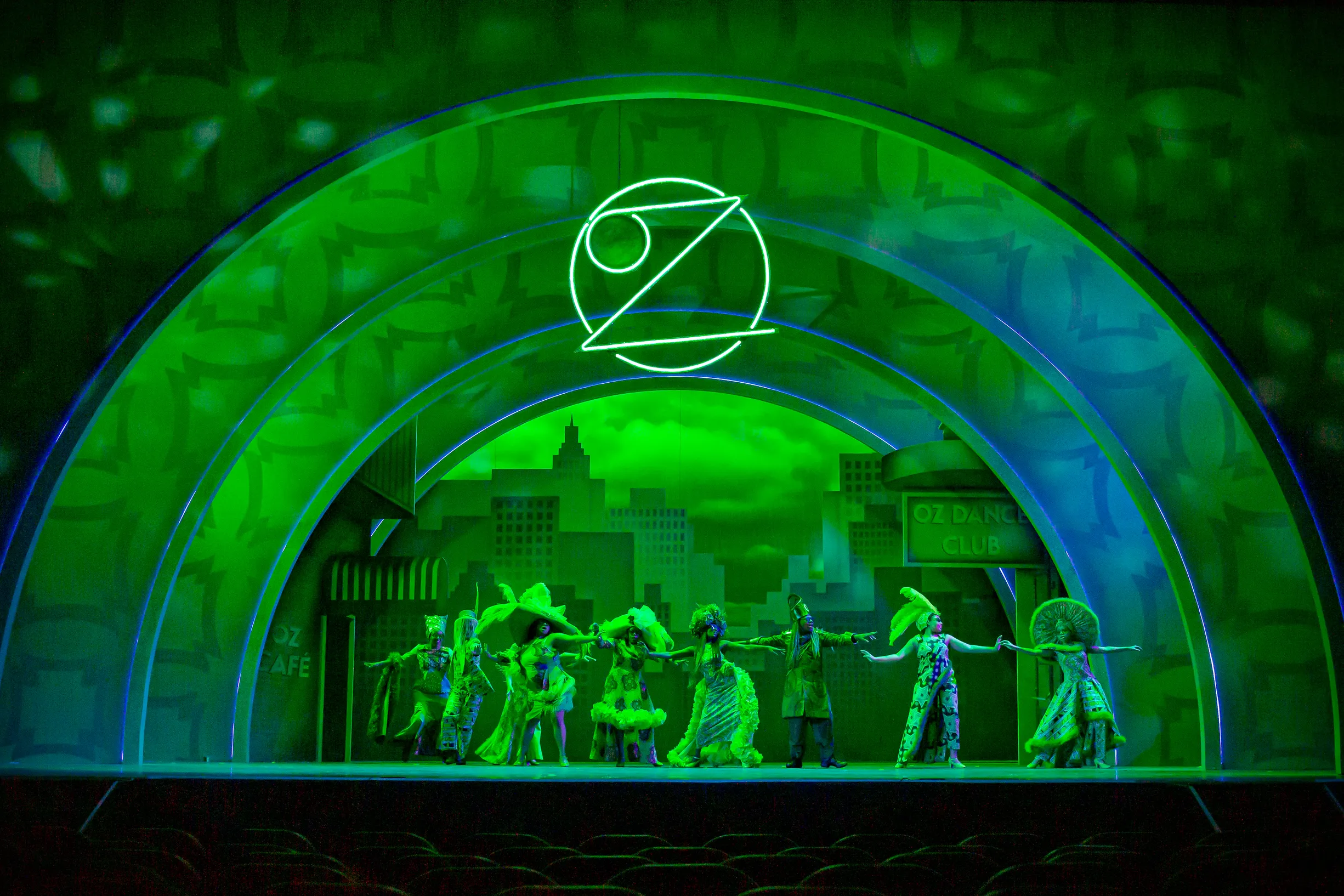
The Wiz, source: Mikki Schaffner.

1. What sparked your interest as an artist and how has that spark evolved over time?

I think there were several things that sparked my journey to becoming an artist, but my love for theme parks and themed environments played a huge role in where I am today. From a very young age, I was obsessed with roller coasters and theme parks. Not just the rides themselves, but the sense of escapism they offered. I was fascinated by how you could step into a space and feel completely immersed in a new world.

Some of my first jobs were in theme parks, which gave me a closer look at the inner workings of these environments. Seeing how intentionally every detail was designed and constructed was eye-opening. I was amazed by the level of thought behind these spaces, and that experience ultimately set me on a path to figure out not only who was responsible for creating them, but how I could become that person myself.

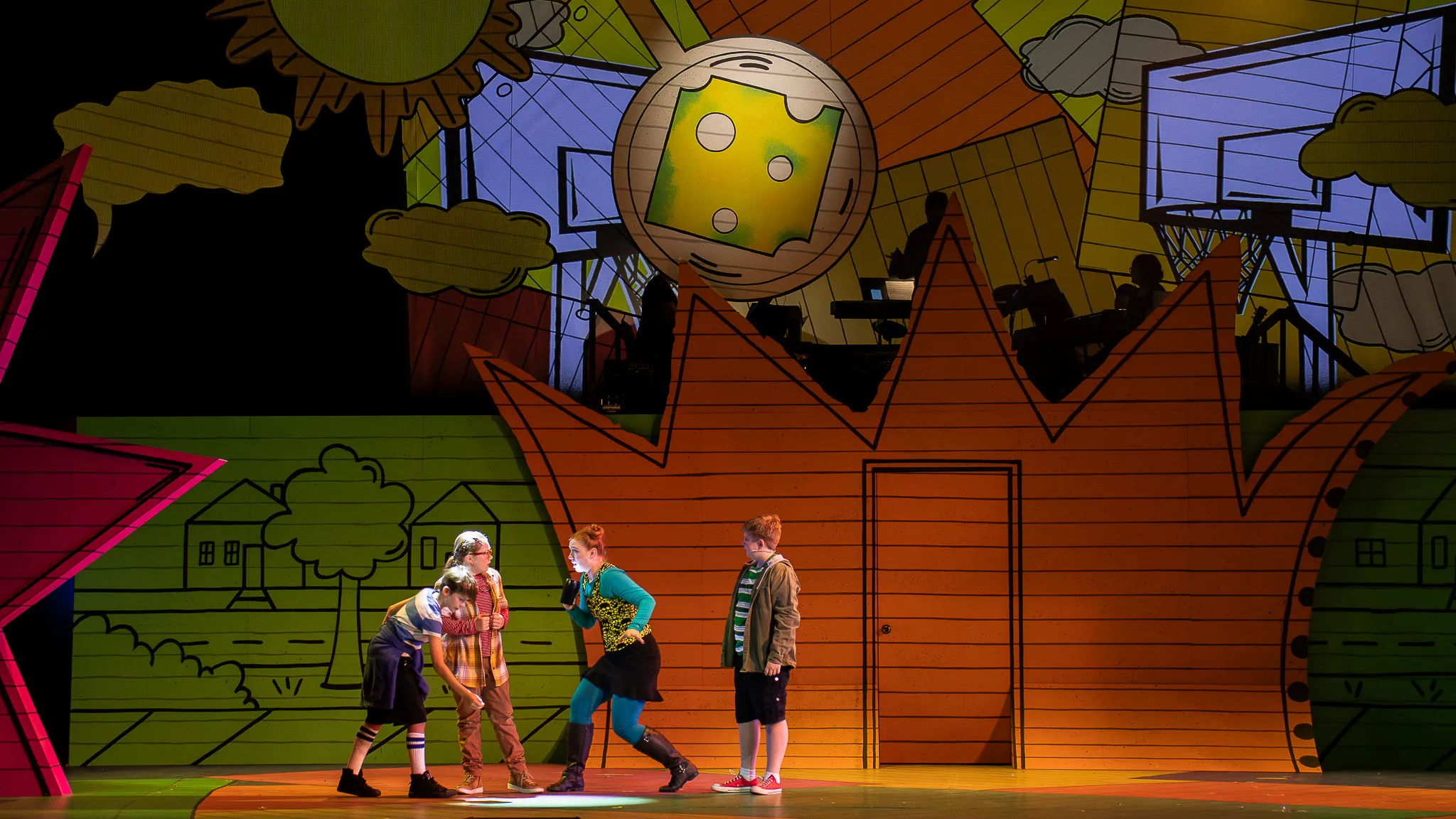
Diary of a Wimpy Kid, source: Audrey Wardian.

2. Can you share the story behind one of your favorite works and what it means to you?

One of my favorite works was my set design for The Wiz Jr., which also happened to be my first professional design credit. The Wiz holds a special place in my heart, it was the first theatre production I was ever part of in high school, where I played in the pit orchestra. That experience sparked my love for theatre, and not long after, I joined my school’s theatre troupe.

Revisiting the show years later as a set designer felt like a true full-circle moment. I booked the project straight out of college and poured everything I had into the design. It was also the first time I was able to take what I had learned in school and apply it to a real-world production, allowing me to see which skills translated and which needed some refinement. The whole process challenged me creatively and professionally, and it all paid off. Once the production photos were released, they helped springboard me into a successful freelance career.

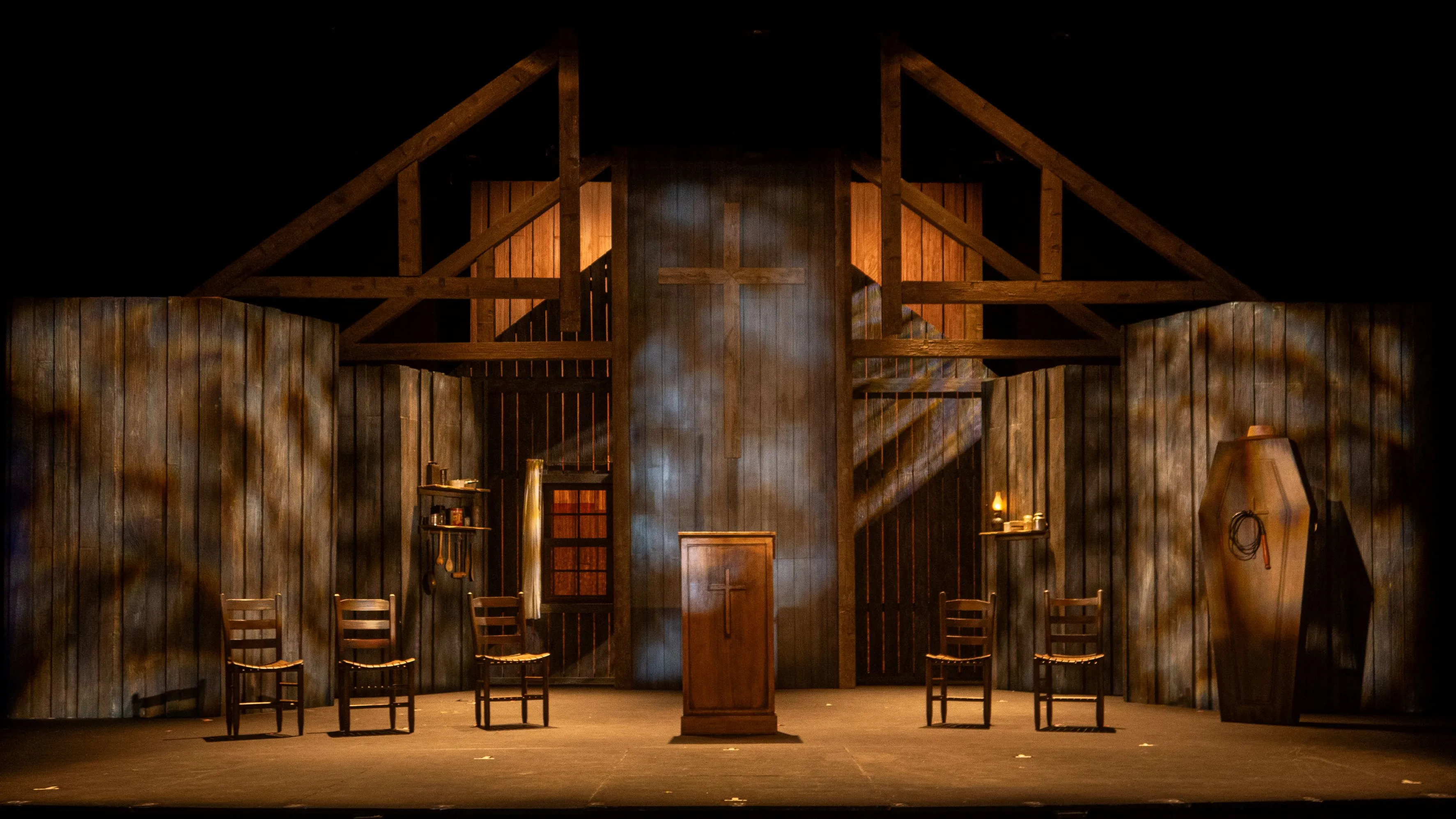
Purlie Victorious, source: Seth Howard.

3. What has been your biggest challenge as an artist and how did it influence your growth?

My biggest challenge as an artist has been learning not to overwhelm myself mentally and creatively. I’ve been fortunate to have a steady flow of work, and as a designer, it’s often hard to say no to new and exciting projects! Early in my career, I took every opportunity that came my way, but I quickly realized how much time, energy, and intention each design truly requires. While staying busy can be exciting, constantly being in a creative state left me feeling creatively drained.

Because of these experiences, I’ve learned that asking for help isn’t a bad thing! As artists, we hold our work close, and relinquishing control can be difficult. However, collaborating with design assistants and trusting them with parts of the process has allowed me to free up time, preserve my creativity, and continue growing as an artist. I’m excited to keep building and evolving my small but mighty team!

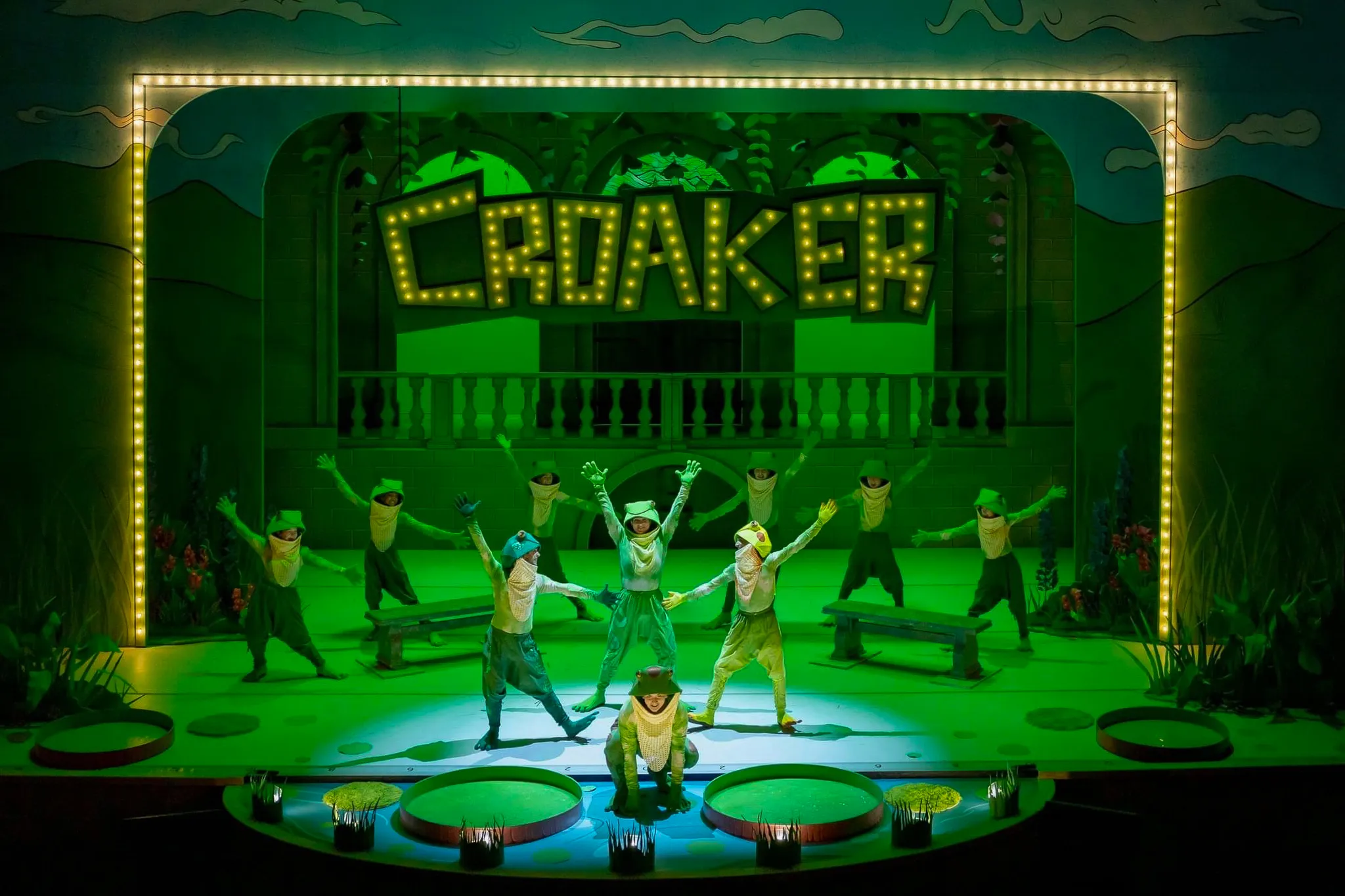
Princess & Frog, source: Mikki Schaffner.

4. Who or what inspires you the most, and how is that reflected in your work?

I tend to find inspiration in many people, places, and experiences! When I’m out in the world, I’m constantly observing my surroundings, noting compositions, proportions, and spatial relationships. I’m always snapping photos for reference! This is part of how I think as a designer. I’m also deeply inspired by people. I love meeting new people and learning about what excites them, whether it’s their hobbies, interests, or creative passions. Those conversations often lead me to explore and research new ideas that I can later apply to my work in unique ways.

Of course, I’m continually inspired by the designers who came before me. Studying how they shape and manipulate space with intention motivates me to keep pushing myself creatively. I’m never afraid to experiment with new techniques or approach a design from a different angle, and that curiosity continues to drive my work forward.

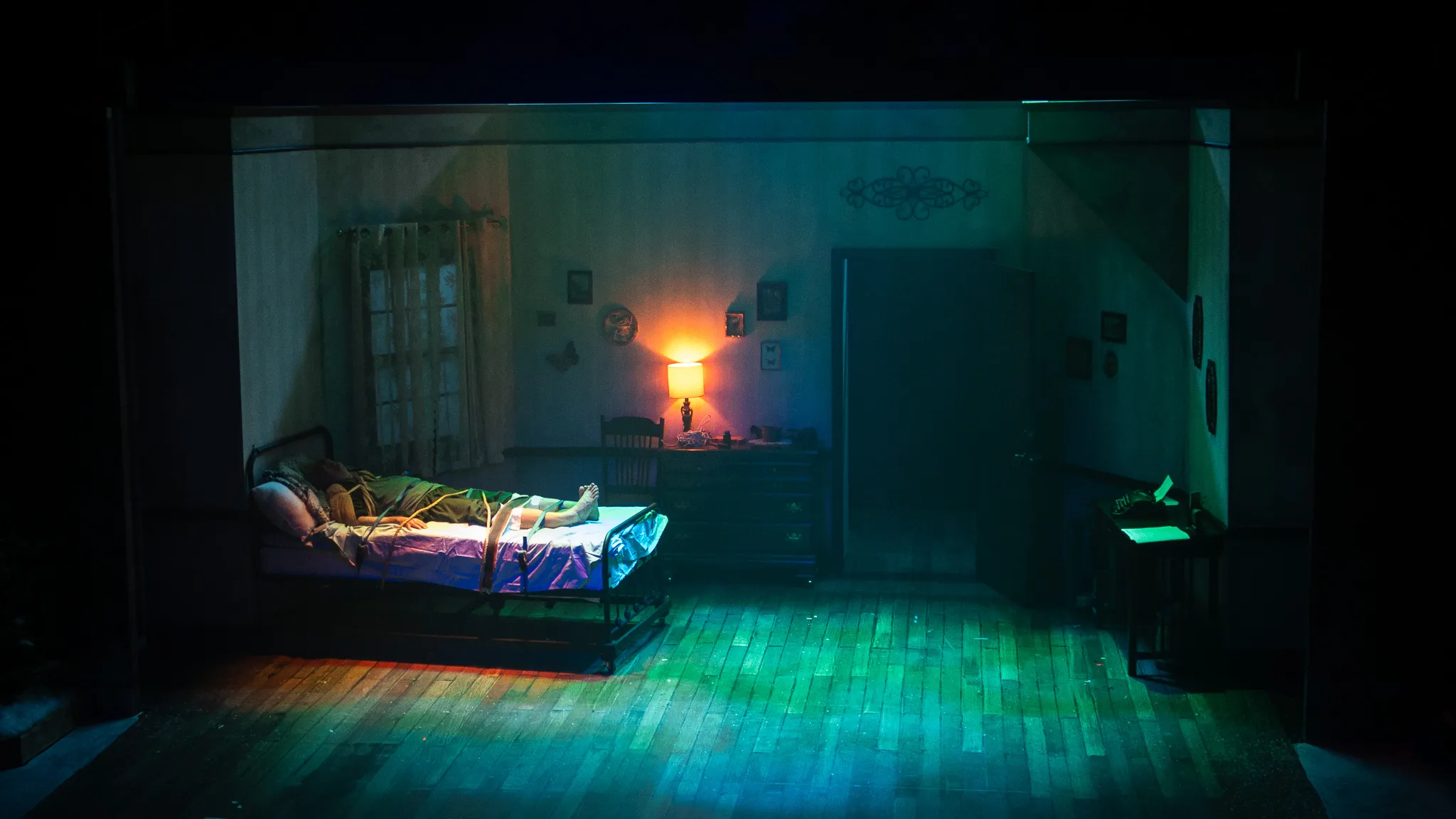
Misery, source: Seth Howard.

5. How do you hope your work will connect with people or leave an impact?

I hope my work inspires others to be bold and have fun with their art. While I’m naturally more reserved and laid back, I express a lot of my emotion and ideas through design. I try to approach each project as an opportunity to make a choice I haven’t made before, to explore an idea I may have been hesitant to try, or to lean into something that feels uniquely my own, even if there’s a risk it might not work.

I often push myself to design in ways that genuinely interest me and allow my work to continue evolving. Even when I revisit the same show, I challenge myself to try new approaches and see what sticks. Sometimes those ideas don’t fully land, and I’ve learned that’s okay, it’s all part of the process!

At its core, my work is about balancing thoughtful storytelling with the courage to go against the grain. I hope that encourages others to take more chances on their own ideas, because while it can be scary, it’s incredibly rewarding!

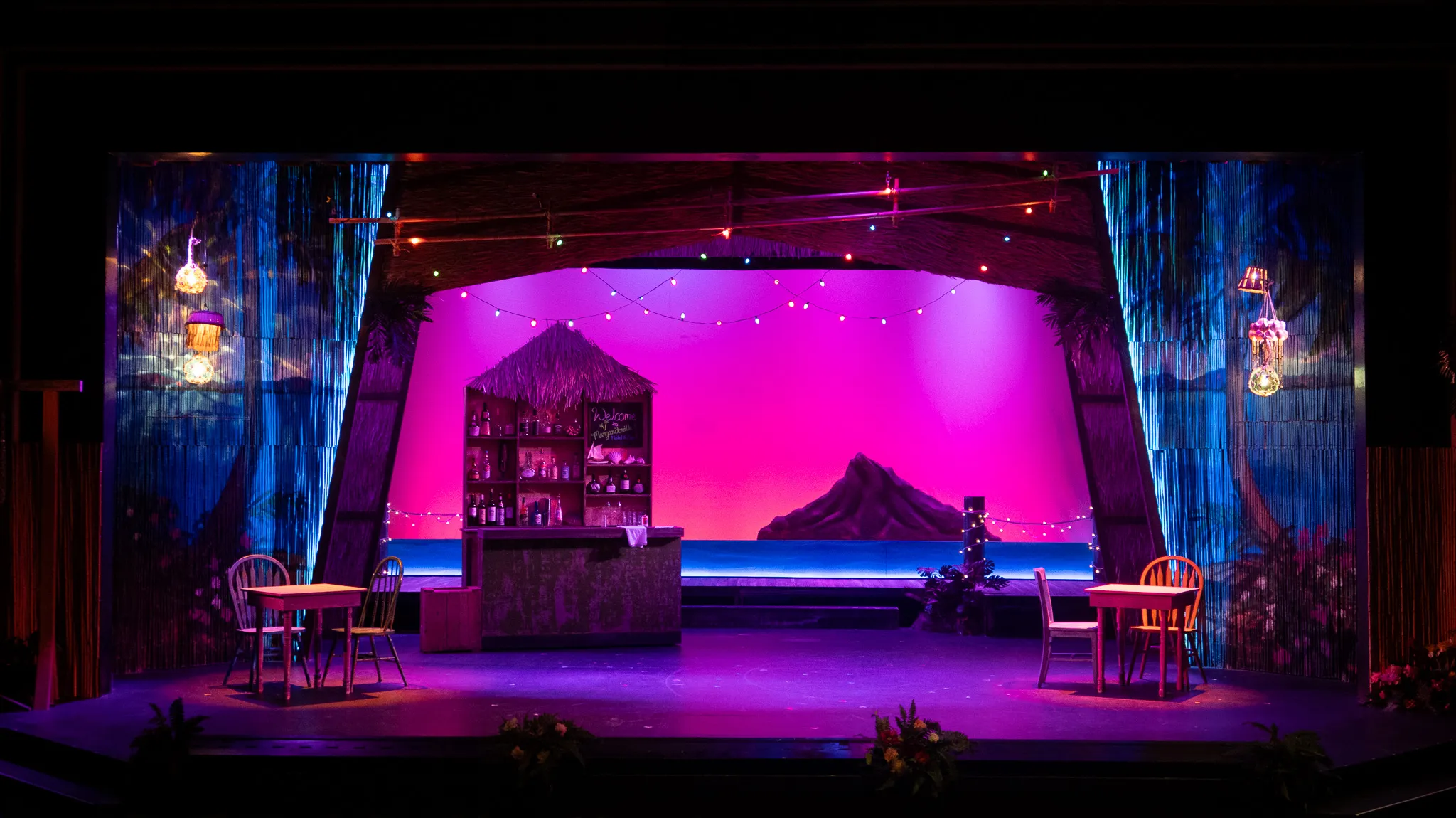
Escape to Margaritaville, source: Seth Howard.

Support artists—share this

Master Your 2026 Career.

Get our free Survival Guide for Actors, Directors, and Designers.

About the Author

Leave a Reply

Your email address will not be published. Required fields are marked *

partner content
BACKSTAGE PASS

Master Your 2026 Career.

Get our free Survival Guide for Actors, Directors, and Designers.