
Theatre Etiquette Explained: What to Know Before You Go.
Theatre etiquette explained. Learn when to arrive phone rules intermission expectations and dress code tips before attending a live performance.
Theatre etiquette explained. Learn when to arrive phone rules intermission expectations and dress code tips before attending a live performance.
A practical guide to affordable microphones, PA systems, and audio gear for small venues, cafés, classrooms, and live performance setups.

A reflection on performance archives, digital preservation, and climate change through Alejandro Luna’s El Viaje a la Luna.

Uruguayan lighting designer Inés Iglesias reflects on her creative path, her signature style, and the power of light to connect us.

Orchestra vs mezzanine vs balcony explained. Learn how theatre seating affects view sound and comfort to find the best view and comfort.
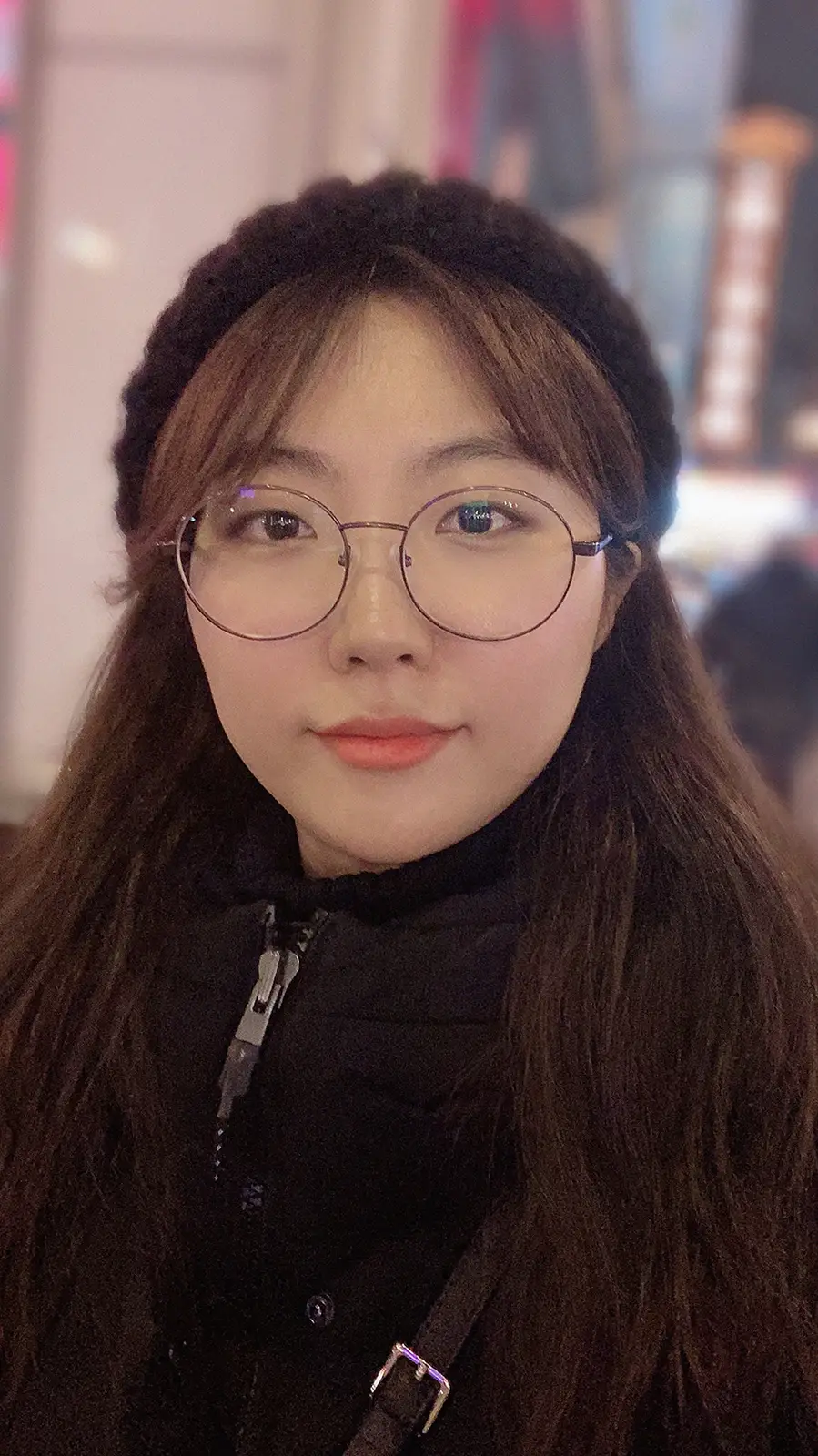
Lighting designer Seojung Jang is a young talent making waves in the theatre world with her innovative approach to stage design. Though still early in her career, Seojung has already demonstrated a remarkable ability to blend technical skill with a keen artistic vision, creating lighting that transforms the stage. What drives her creativity? What challenges has she faced, and how does she continue to grow in this competitive field? In this NEW TALENTS interview, Seojung opens up about her design process, inspirations, and the experiences that have shaped her as a young designer on the rise.
Her journey into lighting design is one of passion and discovery, from her initial fascination with the art to her debut projects that show incredible promise. Seojung discusses her view of light as a storytelling tool and reflects on how collaboration in theatre has influenced her work.
Get to know Seojung Jang—a bright, emerging designer whose work promises to light the way for future generations in the world of lighting design.

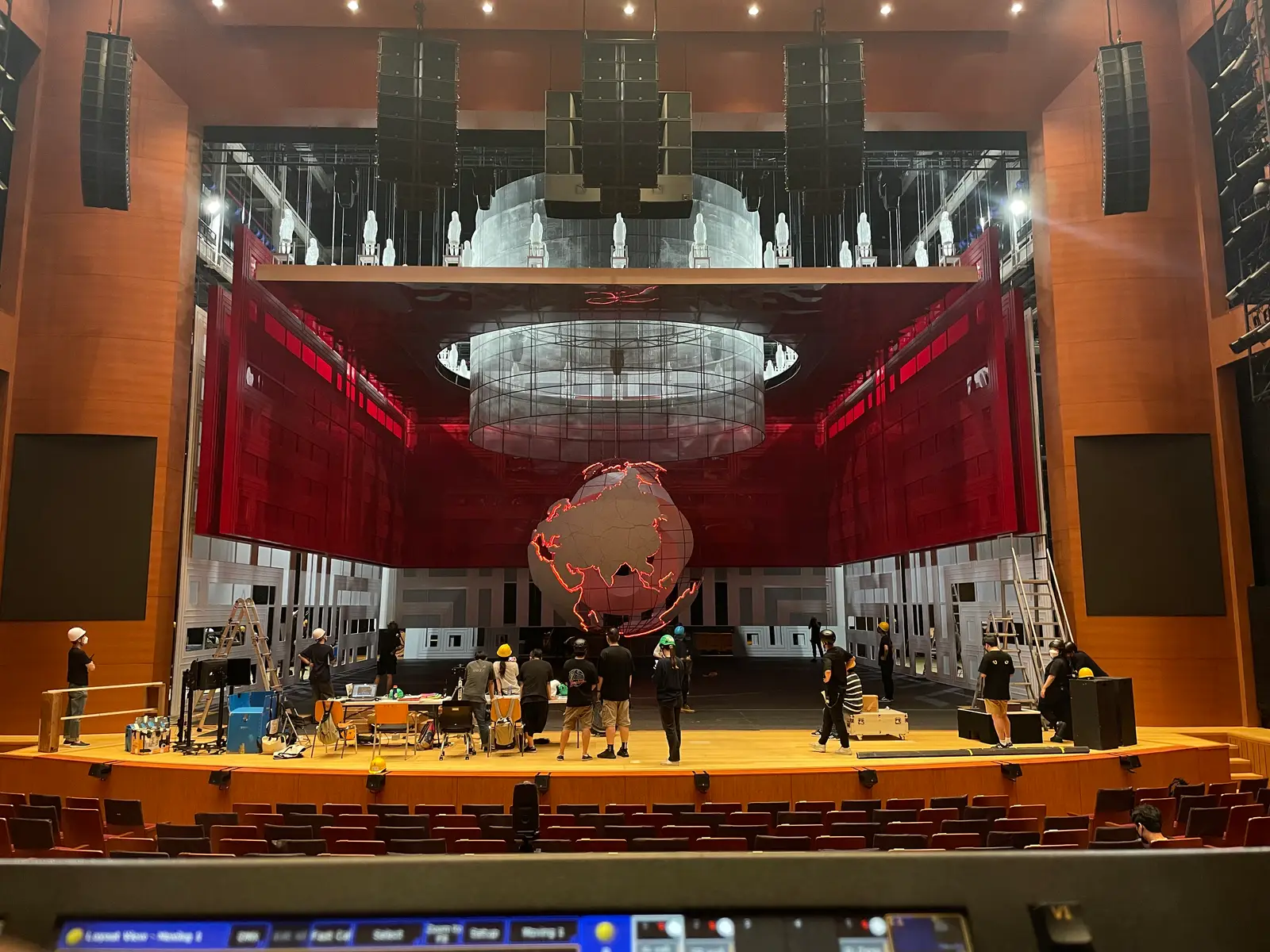
고등학교에서 단체로 관람한 소극장 뮤지컬이 제 인생을 단숨에 바꿔놓는 순간이었습니다. 작은 무대에서 펼쳐지는 배우들의 연기와 음악이 조그마한 지하 블랙박스를 완전히 바꾸어 버리는 마법같은 공간속에서, 미래에 대한 고민조차 할 생각이 없을정도로 그저 흘러가듯 살던 제게 처음으로 예술에 대한 꿈을 꾸게 되는 순간이었습니다. 이 분야와 전혀 관련이 없이 대학입시를 위한 공부만 하던 저는 바로 다음날부터 진로를 바꾸었고, 그때의 그 설레임 하나로 인생을 꿈을 쫓는 예술가가 되었습니다. 처음 무대에서 마주했던 그 마법 같은 순간처럼, 저도 누군가에게 새로운 영감을 주는 조명 디자이너가 되고싶다는 생각으로 항상 작품을 하게되었습니다. 그때 느꼈던 설렘과 감동은 여전히 저를 움직이는 원동력이 되고 있고, 그 결과 다양한 장르에 계속 도전하고 있습니다.
The moment I watched a small theatre musical with my high school class completely changed my life. In that magical space, where the performances and music transformed a tiny underground black box into an entirely different world, I experienced something profound. Until then, I had been drifting through life without even considering my future, but in that instant, I found myself dreaming of art for the first time.
Up until that moment, I had been solely focused on studying for college entrance exams, with no connection to the arts. But the very next day, I changed my path. That single moment of excitement led me to pursue a life as an artist, chasing my dreams.
Just like that first magical encounter on stage, I always approach my work with the hope of becoming a lighting designer who inspires others. The excitement and wonder I felt back then continue to be the driving force behind my journey, pushing me to explore new genres and challenges.
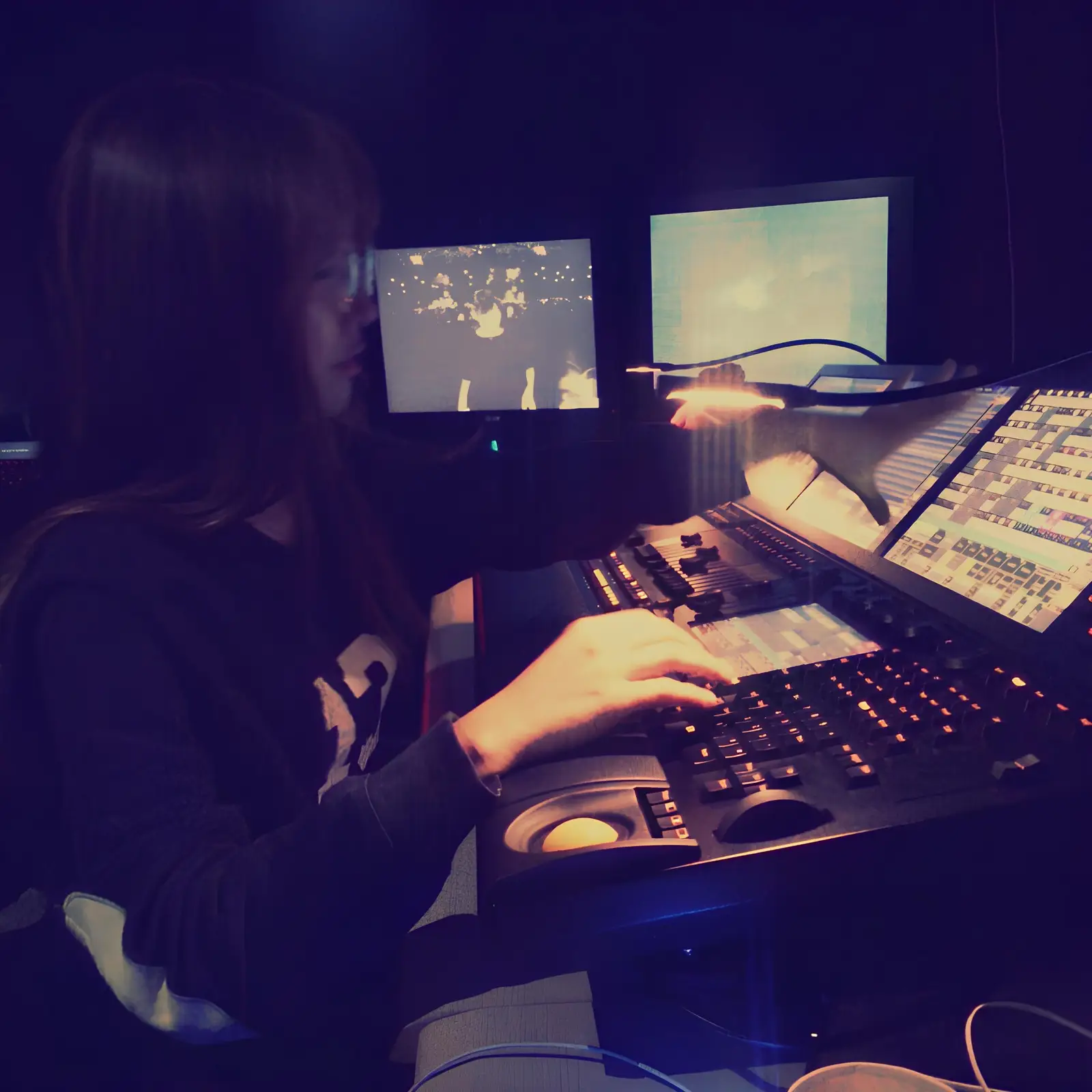
가장 기억에 남는 작품은 The Revolutionists 입니다. Northwestern University MFA 과정 중 진행한 작품 중 하나였는데, 연출가와 디자이너들이 협업하여 공연을 만들어 가는 과정에서 정말 많은 것을 배웠습니다. 이 작품이 특별했던 이유는 협업을 통해 스토리를 어떻게 시각적으로 표현할지를 깊이 고민할 수 있었던 기간이었기 때문인데요, 덕분에 조명이 단순히 기능적인 역할을 넘어 공연의 핵심 요소로 작용하게 된다는 점을 다시금 깨달을수 있었던 순간이었습니다. 또한, 이 작품을 통해 처음으로 디자인의 방향성을 이끄는 법을 배울 수 있었는데요, 기존에는 주어진 틀 안에서 조명을 맞춰가고 만들어가는 작업을 했다면, 이 작품에서는 모든 팀원들과 끊임없이 소통하며 조명이 이야기의 흐름을 어떻게 변화시킬 수 있는지를 연구했습니다. 이 과정에서 조명 디자인이 스토리텔링의 중요한 도구임을 실감하게 되었고, 연출 및 다른 디자이너들과의 끊임없는 탐구는 결과적으로 공연 전체의 완성도에 굉장히 큰 영향을 미치는것을 실감할수 있었던 너무나 소중한 작품이었습니다.
The most memorable production for me was The Revolutionists. It was one of the projects I worked on during my MFA at Northwestern University, and I learned so much from the collaborative process between the director and designers as we built the show together.
What made this production particularly special was the opportunity to deeply explore how to visually express the story through collaboration. It was a moment of realization for me—lighting isn’t just a functional element but a core component of the performance itself.
Through this production, I also learned how to guide the direction of a design. Previously, my work involved adjusting and creating lighting within a given framework, but this time, I engaged in constant dialogue with the entire team, researching how lighting could shape the narrative flow. This process made me truly understand lighting design as a powerful storytelling tool. The ongoing exploration with the director and other designers ultimately had a significant impact on the overall quality of the production, making The Revolutionists an incredibly valuable experience for me.

저는 서울이라는 인구가 밀집된 도시에서 자라며, 사람들 사이에서 어떻게 공간을 활용하고 집중을 이끌어내는지에 대해 많은 영향을 받았습니다. 그런 환경에서 자라난 만큼, 조명 디자인에서도 시선을 분산시키지 않고 집중시키는 방식에 주력해왔습니다. 예를 들어, 배우가 움직일 때 사용되지 않는 구역은 서서히 조도를 낮추어 자연스럽게 관객의 시선을 집중시키는 방법을 사용했습니다. 하지만 미국에 와서, 저는 장면을 의도적으로 ‘비워두는’ 방식이 관객들에게 각자의 경험을 반영하고 감정적으로 깊이 몰입할 수 있는 기회를 준다는 점을 알게 되었습니다. 그저 공간을 열린 채로 두는 것만으로도 관객들이 자유롭게 해석할 수 있도록 도울 수 있다는 점에서 큰 영감을 받았습니다. 이러한 다양한 나라에서의 경험을 통해 저는 문화적 배경을 융합하려는 노력을 기울이고 있습니다. 한국적인 조명 기법과 서양의 개방적인 접근 방식을 결합하여, 작품에 더 풍부한 시각적 깊이를 더하고, 관객들이 각자의 방식으로 감정을 느끼고 해석할 수 있도록 돕고자 합니다.
I grew up in Seoul, a densely populated city, where I was greatly influenced by how space is utilized and how attention is drawn among people. Having grown up in such an environment, I have focused on lighting design techniques that concentrate attention without causing distractions. For example, when an actor moves, I would gradually dim the areas not in use, naturally drawing the audience’s focus. However, after coming to the U.S., I learned that intentionally ‘leaving’ a scene empty can give the audience the opportunity to reflect on their own experiences and emotionally immerse themselves. I was greatly inspired by the idea that simply leaving a space open allows the audience to interpret it freely.
Through my experiences in various countries, I have been making an effort to blend cultural backgrounds. By combining traditional Korean lighting techniques with Western open-ended approaches, I aim to add richer visual depth to the work and help the audience feel and interpret emotions in their own ways.

예술가로서 가장 큰 도전은 ‘나만의 스타일’을 찾는 것이라고 생각합니다. 조명 디자인은 공연의 장르와 공간, 연출 방향 및 프로덕션의 컨셉에 따라 완전히 달라지기 때문에 본인만의 색을 유지하기가 쉽지 않다고 생각합니다. 때로는 제한된 예산과 환경 속에서 창의적인 해결책을 찾아야 하기 때문에 ‘이것이 장서정의 조명이다’라고 말할 수 있는 스타일을 확립하는 것이 가장 어려운 과제라고 생각합니다. 하지만 이러한 고민이 오히려 저를 성장시키는 원동력이 된다고 믿습니다. 단순히 조명을 잘 디자인하는 것이 아니라, 저의 조명디자인으로 하여금 관객들에게 공연의 본질을 끌어올릴수 있는지 항상 고민하며 관객들이 조명의 변화 속에서 감정을 느끼고, 작품에 더욱 몰입할 수 있고, 심장이 뛰게 끔 만드는 것이 저의 큰 목표입니다. 이 질문에 대한 답을 찾기 위해 끊임없이 연구하고, 다양한 스타일을 실험하며 저만의 길을 탐구하고 있으며, 그 과정에서 작은 성취를 경험할 때마다, 다시 한 번 조명의 힘을 믿고 앞으로 나아갈 큰 힘을 얻곤 합니다.
As an artist, I believe the biggest challenge is finding “my own style.” Lighting design can vary completely depending on the genre of the performance, the space, the direction of the production, and the overall concept, which makes it difficult to maintain a personal signature. Sometimes, creative solutions must be found within a limited budget and environment, so establishing a style that can be confidently called “Seojung Jang’s lighting” is the most challenging task. However, I believe that these challenges are what drive me to grow. It’s not just about designing lighting well, but constantly questioning whether my lighting design can elevate the essence of the performance for the audience. My goal is to make the audience feel emotions through the changes in lighting, help them immerse themselves more deeply in the work, and make their hearts race. To find the answer to this question, I continuously research, experiment with different styles, and explore my own path. With each small achievement in the process, I find new strength and reaffirm my belief in the power of lighting to keep moving forward.
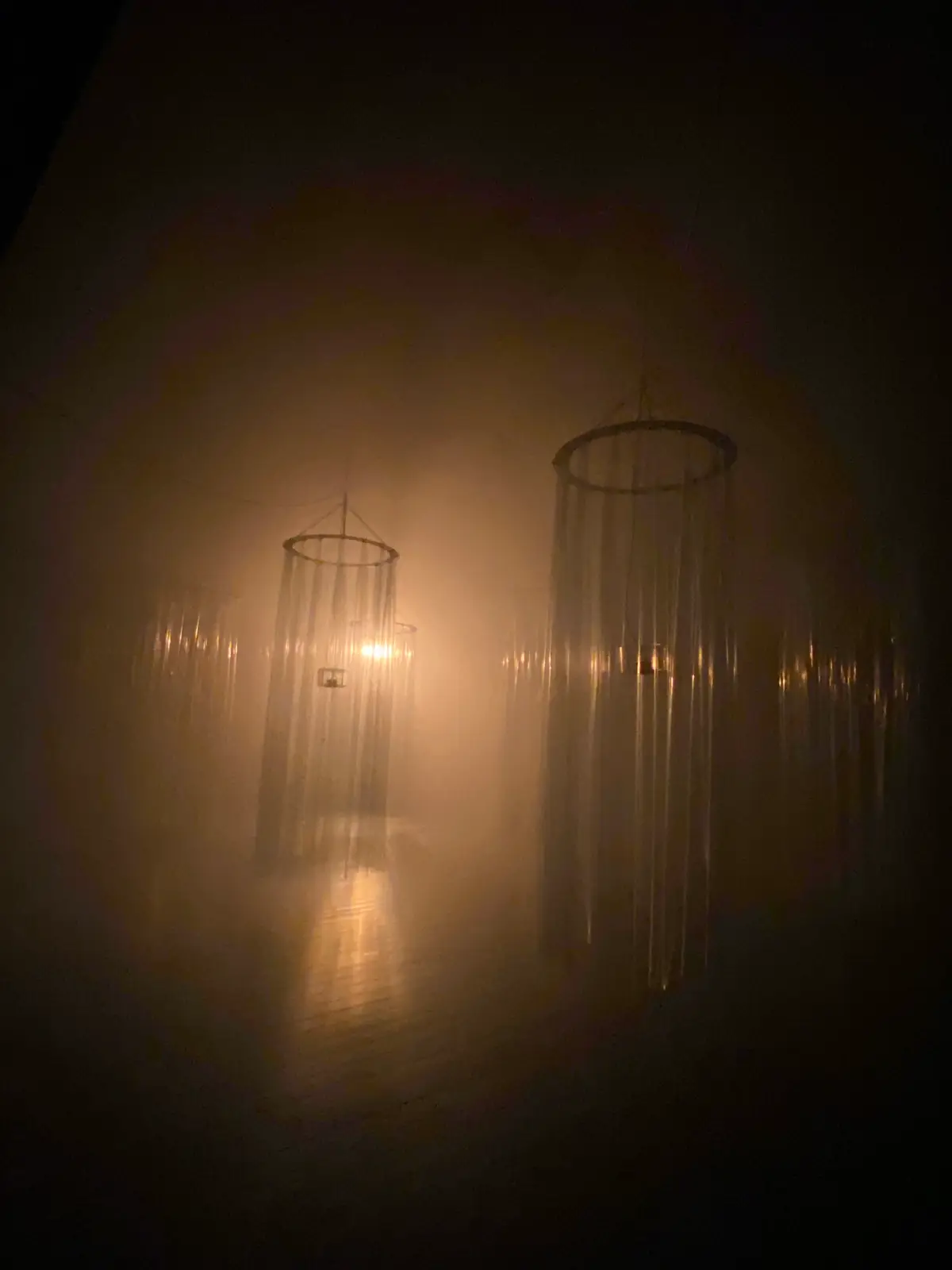
저의 빛을 통해 관객이 더욱 깊이 몰입하고, 스스로 질문을 던지며 공연 안에서 다양한 감정을 경험할 수 있기를 바랍니다. 조명은 관객이 인식하지 못하는 방식으로 감정을 조율하는 특별한 힘이 있다. 예를 들면 따뜻한 조명은 편안함과 희망을 전달할 수 있지만, 같은 장면에서도 차가운 색을 사용하면 전혀 다른 감정을 불러일으킬 수 있듯이, 이러한 미묘한 차이를 활용해 관객들이 무대 속 감정을 더욱 깊이 체험할 수 있도록 돕고 싶습니다. 또한, 조명 디자인이 단순한 기술적 요소를 넘어 공연의 메시지를 더욱 명확하게 전달하는 도구가 되었으면 합니다. 조명을 통해 특정한 분위기를 형성하는 것뿐만 아니라, 무대에서 던지는 질문이 관객들의 머릿속에 오래 남을 수 있도록 돕는 것이 저의 역할이라고 생각하기 때문입니다. 궁극적으로 저의 디자인이 단순한 시각적 효과가 아니라, 관객들에게 강한 인상을 남기고 공연을 더 깊이 이해하는 데 기여할 수 있었으면 하는 바램입니다.
Through my lighting, I hope the audience can immerse themselves more deeply, ask questions, and experience a range of emotions within the performance. Lighting has a unique power to influence emotions in ways the audience may not consciously recognize. For example, warm lighting can convey comfort and hope, but using cool colors in the same scene can evoke an entirely different feeling. I want to use these subtle differences to help the audience experience the emotions of the stage more profoundly. Additionally, I hope that lighting design becomes more than just a technical element; I want it to be a tool that clearly communicates the message of the performance. I believe my role is not only to create a specific atmosphere with lighting but also to ensure that the questions posed on stage linger in the minds of the audience. Ultimately, I hope my design is not just a visual effect, but something that leaves a strong impression on the audience and helps them understand the performance more deeply.
Support artists—share this
Get exclusive interviews, bold ideas, and behind-the-scenes insights from creatives around the world. Join our newsletter to fuel bold, independent theatre journalism.


We use cookies to personalize content, provide social media features, and analyze our traffic. You can manage your preferences or accept all.
Join us in setting the global stage—exclusive stories, insights, and trends delivered to you!