Sacred Hidden Symbols: The Most Ancient Religion.
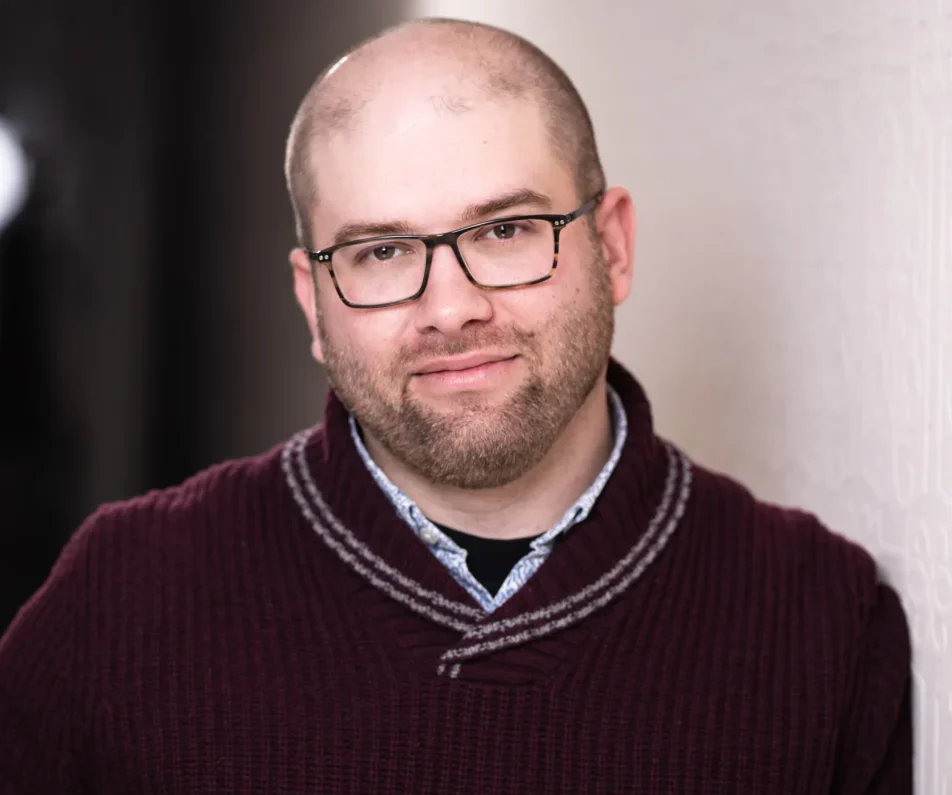
Jay Duckworth explores theater’s sacred origins, tracing how performance began as ritual and endures as humanity’s oldest art.
Jay Duckworth explores theater’s sacred origins, tracing how performance began as ritual and endures as humanity’s oldest art.

In-depth interview with director Rebecca Miller Kratzer on collaboration, intuitive process, and redefining leadership in theatre.

Composer Jaimie Pangan on discipline, indie storytelling, and creating music that connects emotionally across film and games.

Explore how meditation and mindfulness can support theatre artists with focus, presence, emotional regulation, and creative sustainability.

Mexican artistic director Rebeca Garro reflects on theatre as a tool for social change community engagement and ethical storytelling.
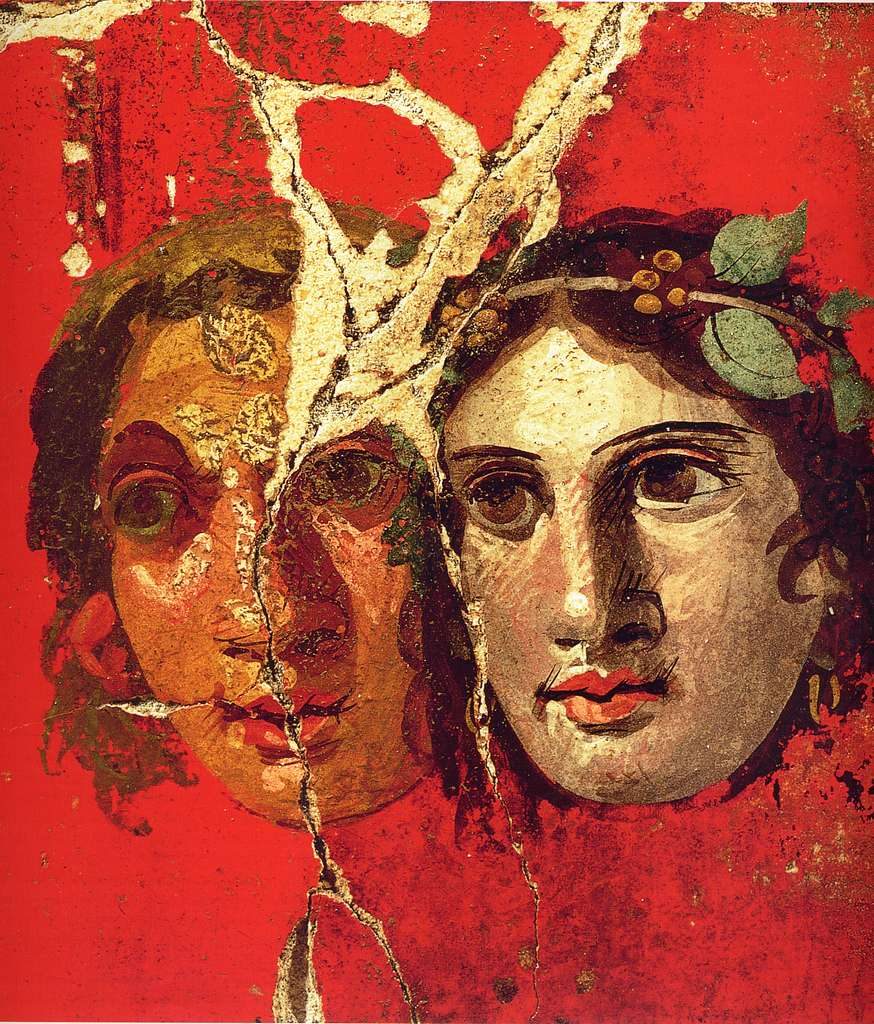
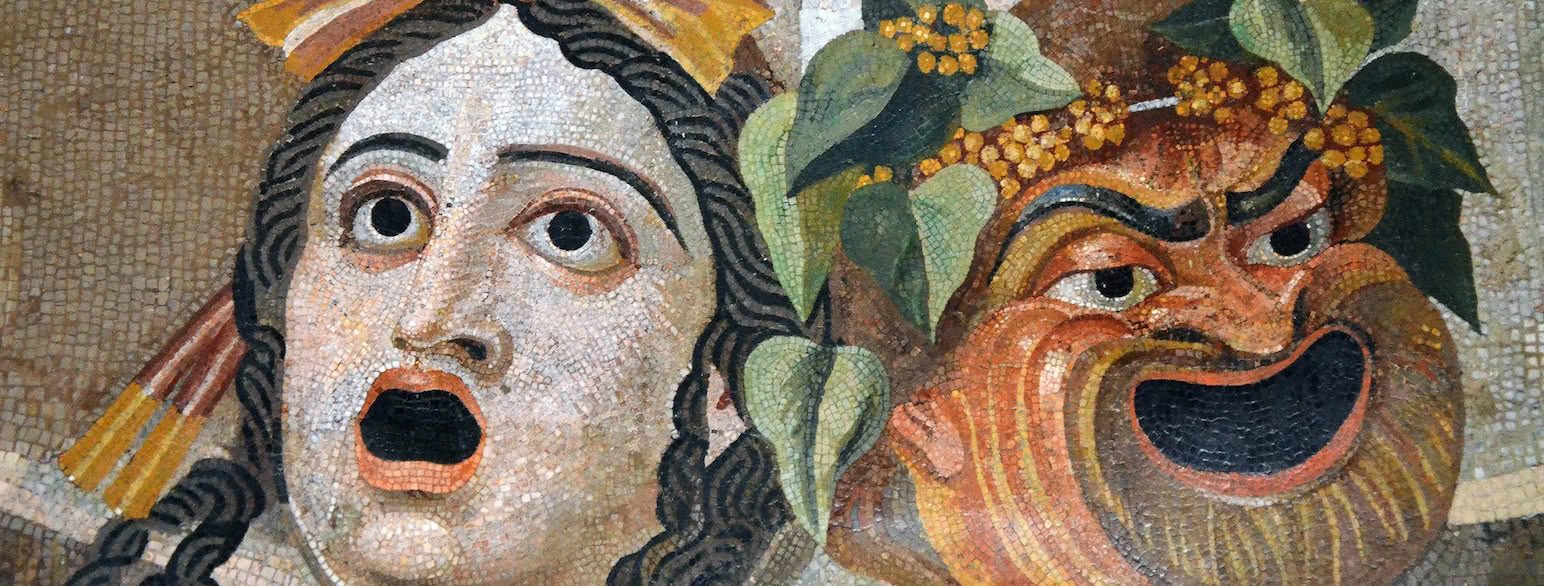
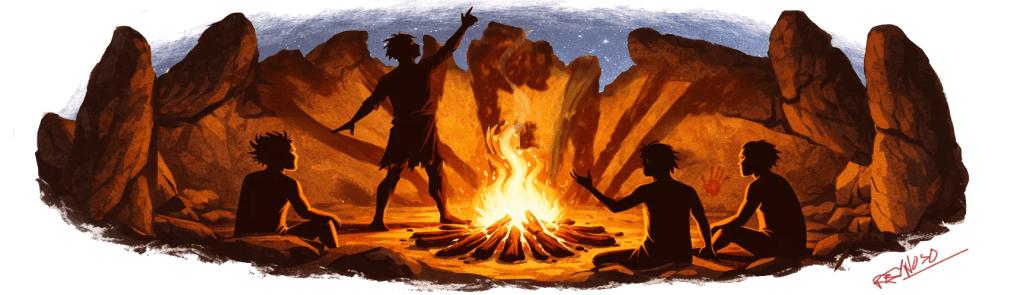
Theater is the oldest religion in the world. Now, I know this sounds silly, but trust me, I base this on fact. Our origins go back to the storytellers around the fire who pointed to the stars and showed us the women and men in our history that are commemorated in our stories and remembered by the shapes the stars make in the sky. These sages help us define who we are and help define our tribes. But the real giveaway is hidden in plain sight: we’re represented by two theater masks—tragedy and comedy. So one would think that it’s all about melodrama and schtick, and to the uninitiated and the pedestrian, that’s what those two masks represent—but it goes so much deeper.
When you go to a sporting event, there’s always cheers, and a lot of the time there is a call and response—like someone yells something and the crowd yells something back. That goes back to the earliest forms of theater, which were dithyrambs. Now, the masks themselves were used so that actors could play different parts, and more often, the masks were over-exaggerated, like we see with the comedy and tragedy masks, so that people furthest away would know what kind of person was being represented. That’s where we get the word persona from—it is the mask we wear to show people the kind of person we want to be. Comedy and tragedy, the smiling and sad masks, are the most complex. The word tragedy comes from “goat song,” and it was the song sung and dedicated to Dionysus when they sacrificed on the thymele (altar) before the play. So tragedy starts and means a sacred act.
Now, comedy and satyr plays were all about oversized phalluses, oversized boobs and butts, bawdy jokes, lewd and lascivious acts, and, as Shakespeare would say, “country matters.” So that encompasses everything that is profane. If you really look at the two items that represent our art, it’s not just comedy and tragedy—it represents the sacred and the profane.
It is the encompassing of human existence. My last point, I just want to say, is that what we do heals people. When you are down and out, you will run to your art—whether it’s music or painting or drawing or watching a TV show. Art is healing. When your body is sick, you go to the doctor, but when your spirit is unwell, you go to the arts. So remember: what you’re doing is a healing component—and the most ancient religion still practiced in the world today.
Support artists—share this
Get our free Survival Guide for Actors, Directors, and Designers.
We use cookies to personalize content, provide social media features, and analyze our traffic. You can manage your preferences or accept all.
One Response
Wow that guy is pretty good if I do say myself!