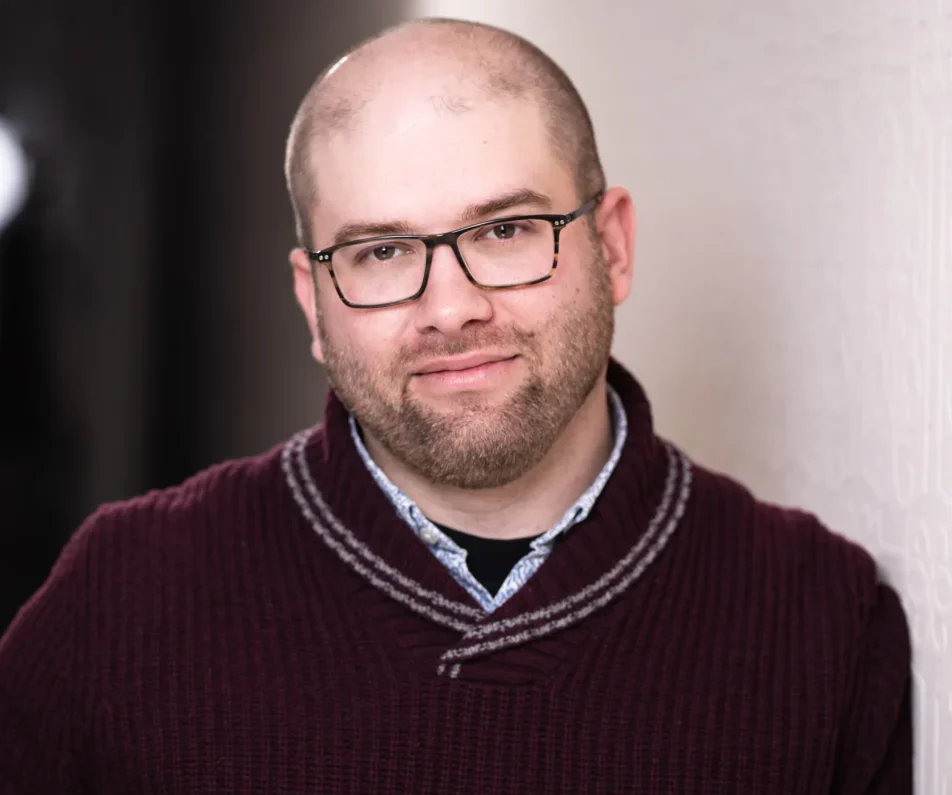
Jaimie Pangan: Discipline Over Inspiration.
Composer Jaimie Pangan on discipline, indie storytelling, and creating music that connects emotionally across film and games.


Composer Jaimie Pangan on discipline, indie storytelling, and creating music that connects emotionally across film and games.
Explore how meditation and mindfulness can support theatre artists with focus, presence, emotional regulation, and creative sustainability.

Mexican artistic director Rebeca Garro reflects on theatre as a tool for social change community engagement and ethical storytelling.

Heading to USITT 2026 in Long Beach? Here’s your first-timer’s guide to sessions, networking, career tools, and making the most of the conference.

Lighting designer Xuewei Hu blends curiosity, natural inspiration, and emotional storytelling as she develops her voice in theatrical design.
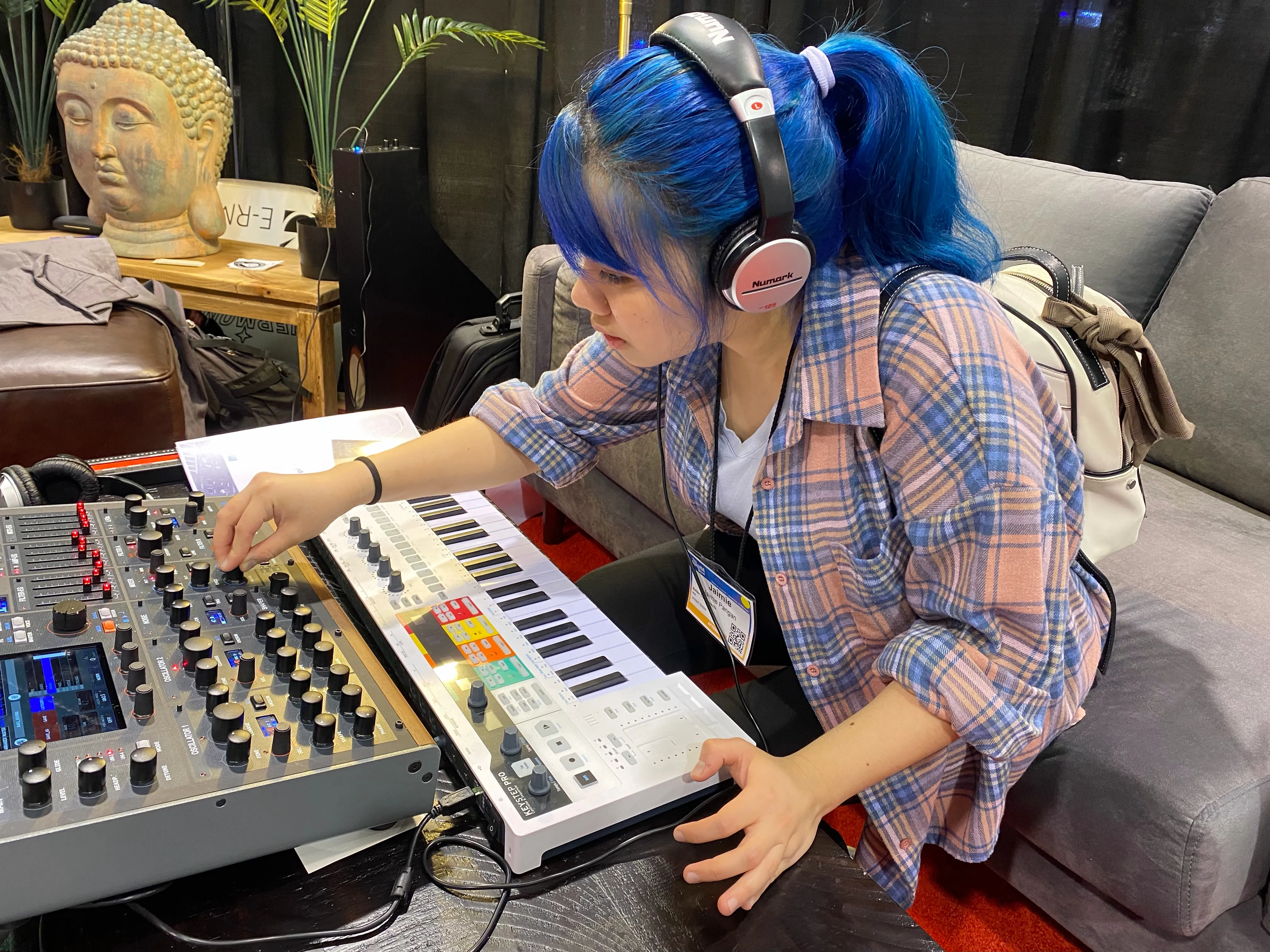
Music was present in Jaimie Pangan’s life long before she had the language to claim it as her own. Childhood violin lessons and solfège exercises laid a foundation, even if appreciation came later, shaped quietly by curiosity rather than ambition. It wasn’t performance that ultimately pulled her forward, but the discovery of contemporary classical music and the realization that sound itself could become a personal language; one shaped from within.
What followed was a gradual shift from interpreting music to constructing it. Learning instruments, studying structure, and stepping into composition opened a world where discipline mattered as much as emotion. Jaimie’s practice is grounded in routine: set hours, clear boundaries, and deadlines that replace the myth of inspiration with something more durable. Within that structure, however, lives a deep sensitivity to storytelling and emotional resonance; qualities that have drawn her toward film, video games, and especially indie projects where experimentation is encouraged and risk feels meaningful.
In this edition of PROFILES, we speak with Jaimie about first orchestras, creative discipline, and composing music that offers listeners a place to feel, reflect, and move forward.
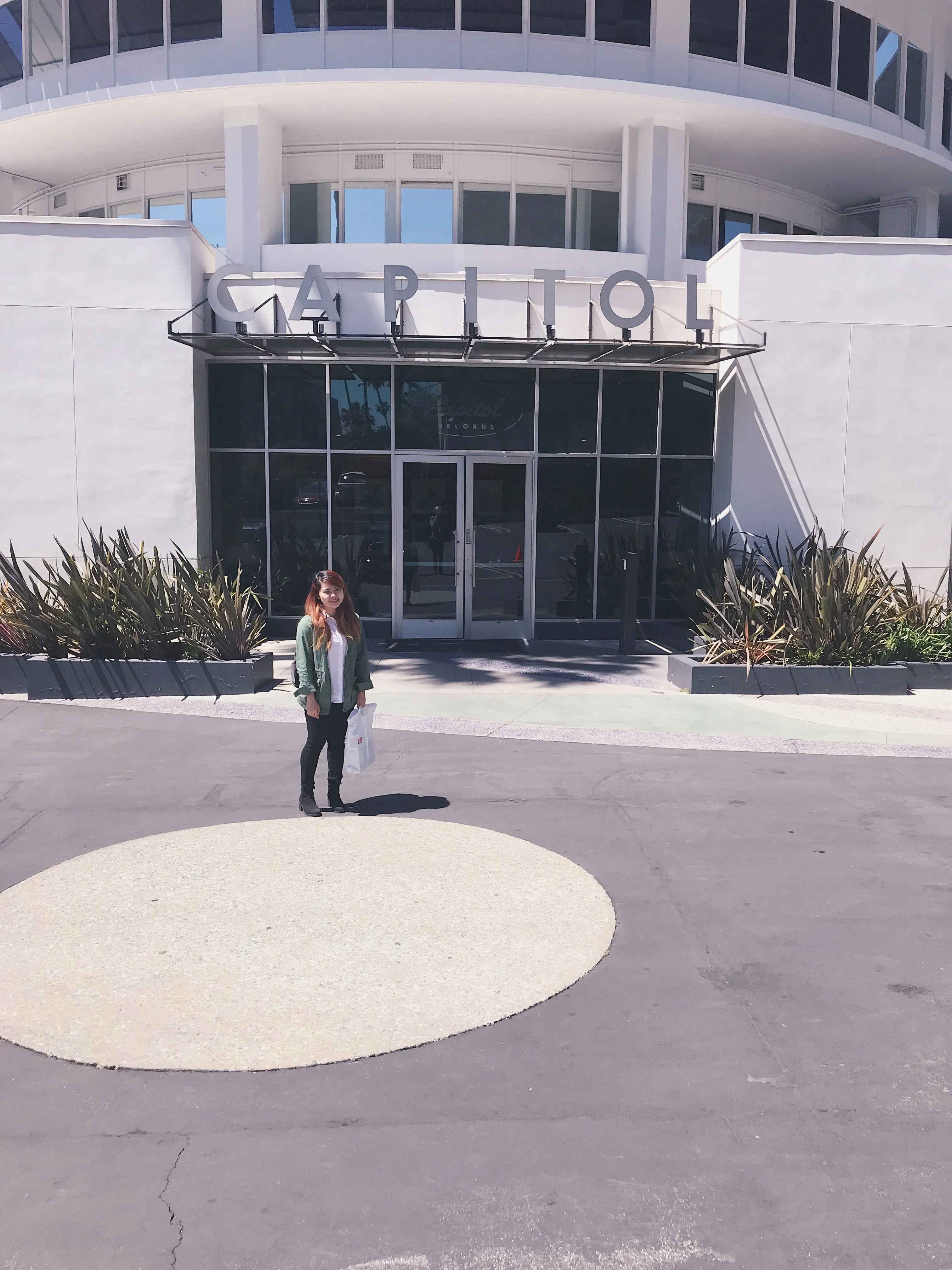
I grew up in a musical environment. As a child, my parents enrolled me in violin and solfège lessons. At the time, I didn’t have much appreciation for the violin, but over time that changed when I discovered contemporary classical music. A friend from university introduced me to an artist named Max Richter, and from that moment, a whole new world of instrumental music opened up to me. I immediately fell in love with it. Since performance wasn’t my main interest, I realized I wanted to become a composer. I’ve always been fascinated by learning different instruments and having the ability to write my own music. Taking a leap of faith, I applied to New York University’s film music workshop and loved the experience. From then on, I knew this was what I wanted to do.
I composed this orchestral piece during my time at university. It was my first experience working with a 60-piece orchestra, and I was nervous. Afterwards, I felt a strong sense of accomplishment, and it became one of my most memorable experiences as a composer. I think firsts are quite memorable and it’s something we would never forget.
I follow a routine.. I like working at set times and don’t really rely on inspiration. Deadlines and boundaries play a big part in my process. Haha!
I think one of the biggest challenges as a creative is learning how to separate your identity from your work. Over the years, I’ve learned that we shouldn’t rely on the success of our work to define ourselves as creatives. Both failure and success are natural parts of the process and should never deter us in any way.
What inspires me changes over time as I discover new music. When I started composition, I used to be inspired by a lot of film music, but these days, it has been a combination of film and video game music.
I like how there are increasingly more indie projects emerging these days. I enjoy working on them because they offer a sense of creative freedom that larger productions often don’t. Being part of an indie project allows me to experiment with different ideas, take risks, and explore new approaches to composition, making the process both exciting and deeply fulfilling. I’m also drawn to projects that tell deeply personal stories, as they give me the opportunity to create music that resonates emotionally and meaningfully with the narrative.
Solidify your identity as a creative and always hold on to the reason why you began pursuing creative work. Take care of yourself mentally, and make sure to give yourself reasonable breaks to recharge and maintain your passion.
I hope my work connects with people on an emotional level and helps them process whatever it is they are going through life.
Support artists—share this
Get our free Survival Guide for Actors, Directors, and Designers.
We use cookies to personalize content, provide social media features, and analyze our traffic. You can manage your preferences or accept all.