

Essential Ballet Gear for Beginners: A Practical Guide to Training Smart.
A practical guide to beginner ballet gear, from shoes and attire to training tools that support safe, confident technique.
A practical guide to beginner ballet gear, from shoes and attire to training tools that support safe, confident technique.

Edella Oroz Westerfield brings imagination, cultural reflection, and vibrant detail to her work as an emerging actress and singer in contemporary theatre.

Argentinian hair aerialist Martina Bakst shares her path through new circus, emotional storytelling, and the discipline of her airborne craft

How the Super Bowl halftime show became a political stage where power identity and performance collide in front of millions.
Ian Garrett explores the future of theatre design through ecology, technology, and care, redefining how art connects to the environment.

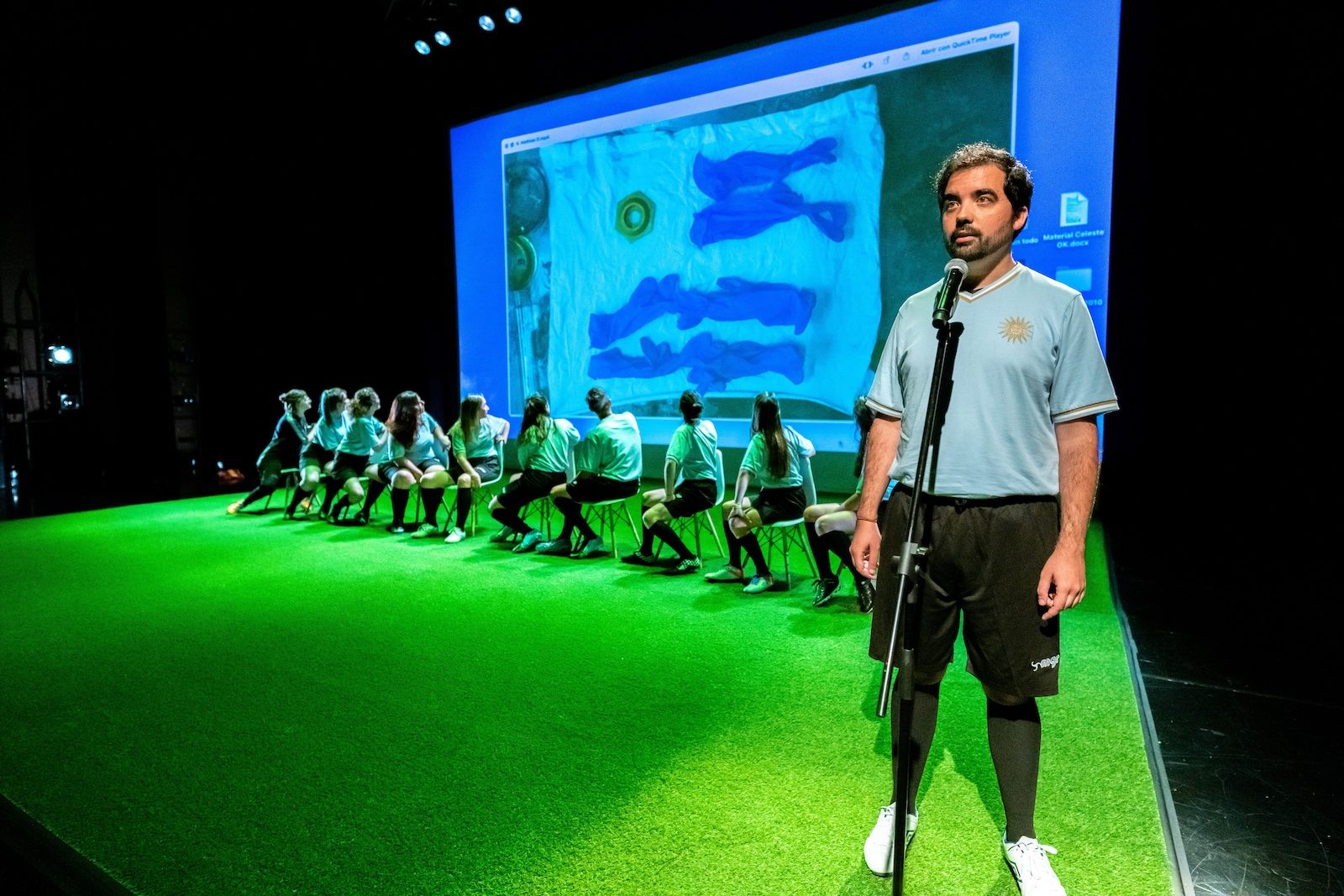
For Uruguayan lighting designer and producer Inés Iglesias, light has never been just a technical craft — it’s a language of empathy, intuition, and persistence. Her journey began almost by chance, when a curiosity for drawing and building led her to Escuela Multidisciplinaria de Arte Dramático de Montevideo, where she discovered the power of light to shape emotion and space. From those early days assisting her teachers to later designing in theatres, concerts, and even carnival performances, Inés found in lighting not just a career, but a way of seeing the world.
Her process balances precision and spontaneity — from mapping color and movement in detailed visual scripts to embracing the unpredictability of live performance. Having studied and worked abroad, including in Prague, she carries a global perspective infused with her distinctive voice: one defined by layered contrast, rhythm, and human connection.
Her work — grounded in collaboration and illuminated by imagination — continues to remind us that art’s true power lies in community, intuition, and the courage to keep creating, even when the world feels dim. In this edition of PROFILES, she reflects on her journey, her inspirations, and the enduring glow of collaboration and community that keeps the art alive.

Siendo honesta, no tengo un recuerdo específico de qué fue o cómo comenzó todo. Siempre me gustó dibujar, pintar y construir cosas, desde muy pequeña. Con mi hermana mayor solíamos dibujar nuestras propias muñecas, decorados y construir “casas” para jugar, así que eso podría haber sido un primer indicador.
Recuerdo que empecé la escuela (Escuela Multidisciplinaria de Arte Dramático de Montevideo) de casualidad, no encontraba una carrera que se ajustara a mis necesidades creativas así que di la prueba y lo intenté sin saber qué esperar, porque no había tenido contacto con las artes escénicas antes en mi vida.
Con el tiempo empecé a trabajar como asistente de vestuario, iluminación y escenografía para mis maestros y maestras en la escuela, ese fue mi primer paso y desde entonces nunca paré. Me involucré con la luz cuando empecé a trabajar como técnica en iluminación en salas, esto sucedió casi que de inmediato de salir de la escuela, y a partir de ahí la iluminación no me abandonó más.
Antes del diseño teatral había estudiado algo de arquitectura y diseño gráfico, que fueron claves para mi evolución como diseñadora teatral, así que considero que no hay un único camino lineal para dedicarte a lo que quieres y que todo lo que aprendes sirve para crecer en otras áreas de tu vida; toda búsqueda es parte del camino y no hay camino ni tiempo para aprender, siempre estamos a tiempo para hacer cosas nuevas.
To be honest, I don’t have a specific memory of what it was or how it all began. I’ve always loved drawing, painting, and building things since I was very young. My older sister and I used to draw our own dolls, sets, and build “houses” to play in, so that might have been the first sign.
I remember starting school (the Multidisciplinary School of Dramatic Art in Montevideo) by chance — I couldn’t find a degree that matched my creative needs, so I took the entrance exam and decided to give it a try without really knowing what to expect, since I had never been involved in the performing arts before.
Over time, I began working as an assistant in costume, lighting, and set design for my teachers at school. That was my first step, and I never stopped after that. I became involved with light when I started working as a lighting technician in theatres, almost immediately after graduating, and from that moment on, lighting never left me.
Before theatre design, I had studied some architecture and graphic design, which were key to my evolution as a scenic designer. So I believe there isn’t a single, linear path to doing what you love — everything you learn helps you grow in other areas of your life. Every search is part of the journey, and there’s no fixed path or deadline for learning. It’s never too late to start something new.
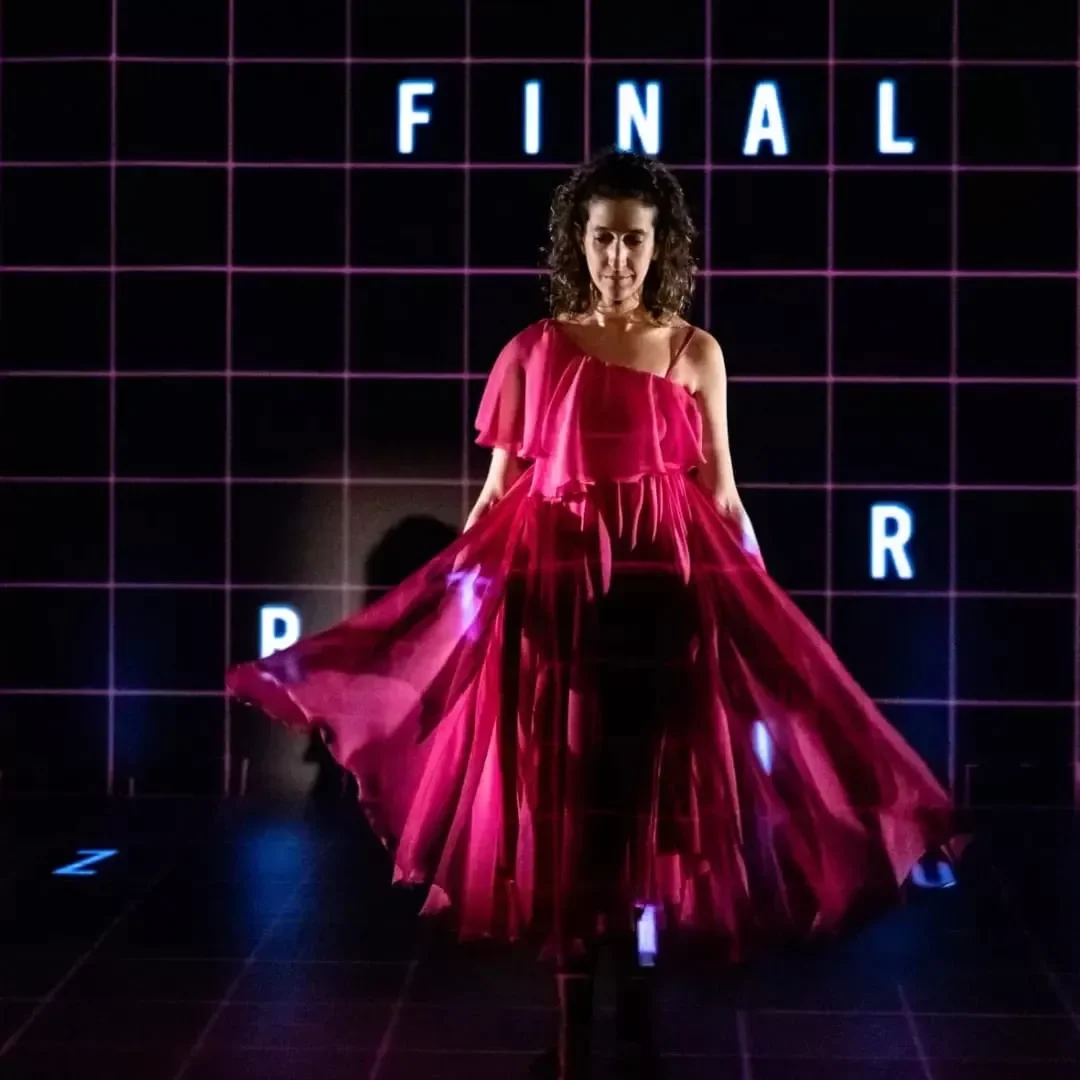
Más que una obra favorita es una memoria favorita de trabajo colectivo. Estaba estudiando parte de un máster en diseño teatral en Praga y allí mismo hice una obra que me pareció genial. Parte de mi programa educativo era participar en las iluminaciones de los proyectos de la escuela así que montaba y desmontaba obras todas las semanas con los técnicos de la sala de la Universidad.
En una oportunidad me pidieron que participara con la iluminación de un espectáculo en mi escuela, porque el técnico a cargo de la sala no podía asistir a esa función,- la obra era “Rey Ubu”,y era parte del festival estudiantil Zlomvaz. Así que estuvimos preparando el diseño, la programación y ensayando el libreto técnico que había que seguir por fonética en tres idiomas distintos por varios días.
Creativamente fue de las mejores experiencias de mi vida y me enseñó a trabajar en circunstancias inesperadas. Creo que el teatro tiene eso de mágico, de imprevisto, de colectivo, de sorprendente.
More than a favorite production, it’s a favorite memory of collective work. I was studying part of a master’s degree in theatre design in Prague, and there I worked on a project that I thought was incredible. As part of my program, I had to participate in the lighting of school productions, so every week I was setting up and striking shows with the university’s technical team.
One day, they asked me to handle the lighting for a performance at my school because the technician in charge couldn’t attend. The play was King Ubu, and it was part of the student festival Zlomvaz. We spent several days preparing the design, programming, and rehearsing the technical cues, which had to be followed phonetically in three different languages.
Creatively, it was one of the best experiences of my life, and it taught me how to work under unexpected circumstances. I think that’s what makes theatre magical — its unpredictability, its sense of community, its ability to surprise.

Considero que encontré una rutina que me funciona al diseñar, que no es exactamente lineal, pero que me es bastante práctica así que podría decir que mi proceso creativo ha encontrado una metodología de diseño propia. No siempre existe libreto textual en mi trabajo, (ilumino obras de teatro pero también conciertos y espectáculos de carnaval) así que suelo ir a ensayos desde el principio del proceso, esto me ayuda a crear mi propio guion visual de lo que va a suceder con la luz y también a memorizar las escenas. Cuanto más ensayos vea, mejor, esto me ayuda a ordenarme y anticipar.
Aunque muchas veces y sobre todo en carnaval hay mucho de improvisar y es algo que también disfruto, siempre que puedo, diseño un mapa escrito de movimientos escénicos de la obra, algo así como un libreto de movimientos de luz con anotaciones sobre color, recorte, tipo de luminaria y ubicación (contraluz, frente, especifico, movimiento y posición de actores, cantantes, bailarines, etc.). Hago esto para cada escena, para cada movimiento.
Estar presente en los ensayos me permite además intercambiar ideas directamente con la dirección artística y demás creativos del proyecto, y saber cuales son mis posibilidades de intervención, puedo así sugerir al instante algo que puede suceder con la luz, aunque la luz luego llegue sobre el final del proceso y además recibo sugerencias teniendo en cuenta los otros aspectos del diseño del espectáculo.
Después viene todo lo otro, atacar al espacio escénico físico con todas sus posibilidades y limitaciones. Cuando ese momento llega, si la obra está ordenada el proceso de montaje y el posterior estreno se hacen mucho más llevaderos.
I think I’ve found a routine that works for me when designing. It’s not exactly linear, but it’s quite practical, so I’d say my creative process has developed its own design methodology. There isn’t always a written script in my work — I design lighting not only for theatre productions but also for concerts and carnival performances — so I usually attend rehearsals from the very beginning. This helps me create my own visual script of what will happen with the lighting and also allows me to memorize the scenes. The more rehearsals I can see, the better — it helps me stay organized and anticipate.
Although there’s often a lot of improvisation, especially in carnival shows — and that’s something I truly enjoy — whenever possible, I create a written map of the scenic movements in the production. It’s like a lighting score, with notes on color, framing, type of fixture, and placement (backlight, front light, specials, as well as the movement and positioning of actors, singers, dancers, etc.). I do this for each scene, for every movement.
Being present during rehearsals also allows me to exchange ideas directly with the artistic direction and other members of the creative team, and to understand what my possibilities for intervention are. This way, I can suggest lighting ideas on the spot, even if light usually comes into the process near the end — and I also receive suggestions that take into account other design aspects of the production.
After that comes everything else: tackling the physical stage space with all its possibilities and limitations. When that moment arrives — if the production is well-organized — the installation process and the premiere become much smoother and more enjoyable.
Resistir al tiempo y a las dificultades. Permanecer en un mundo que no para a mirar para atrás ni un segundo. Creo que siempre me asusta un poco la idea de quedarme sin ideas, y sin momentos, entonces intento mantenerme a flote constantemente; capacitándome, estudiando o trabajando en equipos donde pueda seguir aprendiendo.
Me fascina aprender, pero también siento que es agotador estar pretendiendo crear continuamente. Llevo mucho tiempo creando continuamente con la falsa idea de que así no voy a desaparecer. El espíritu creativo también necesita descanso para seguir creando, creo que mi mayor desafío profesional y personal ha sido entender esto.
To endure time and difficulties. To remain in a world that never stops to look back, not even for a second. I think I’m always a little afraid of running out of ideas — of running out of moments — so I try to keep myself afloat constantly: training, studying, or working in teams where I can keep learning.
I’m fascinated by learning, but I also feel that it’s exhausting to be trying to create all the time. I’ve spent a long time creating continuously under the false belief that doing so would keep me from disappearing. The creative spirit also needs rest in order to keep creating — and I think understanding that has been my greatest professional and personal challenge.

No me ha inspirado lo mismo siempre. Cuando comencé en esto solía admirar el trabajo de los colegas locales, iba al teatro y me distraía mucho tiempo en ver cómo la luz afectaba las escenas, intentaba averiguar cómo la luz resolvía los momentos, aportaba emoción o simplemente quería saber de donde provenía, con que estaba lograda.
Con el tiempo y las oportunidades de viajes y estudios en el exterior mi visión del mundo se amplificó, y comencé a encontrar otros puntos de inspiración, lugares, exposiciones, teatros, museos, artistas . Tuve además oportunidad de ver varios trabajos de Robert Wilson en vivo, siempre me fascinó su trayectoria y él fue un gran inspirador que en su momento sin saberlo me “ayudó” a definir un estilo de iluminación propio que tiene que ver con el uso del color, el contraste y la mezcla en capas.
Siempre digo que si cuando vemos un trabajo y podemos identificar de quién es sin necesidad de leer el programa es porque hemos encontrado un artista con marca propia. Considero que tengo una marca propia. Si alguien se detiene a ver algún trabajo que he hecho alguna vez sabiendo esto, entendería a qué me refiero y seguramente adivinará que lo he diseñado yo.
I haven’t always been inspired by the same things. When I first started, I used to admire the work of local colleagues — I would go to the theatre and spend long moments watching how light affected each scene. I tried to figure out how lighting resolved specific moments, how it added emotion, or simply where it came from and how it was achieved.
With time, and through the opportunities I’ve had to travel and study abroad, my vision of the world expanded. I began to find new sources of inspiration — places, exhibitions, theatres, museums, artists. I also had the chance to see several of Robert Wilson’s works live; his career has always fascinated me. He became a major source of inspiration who, without knowing it, “helped” me define my own lighting style — one rooted in the use of color, contrast, and layered composition.
I always say that when we can look at a piece and identify who created it without reading the program, it’s because we’ve encountered an artist with a true signature. I believe I have a signature of my own. If someone takes the time to look at a piece I’ve designed with that in mind, they would understand exactly what I mean — and they’d probably guess it was mine.
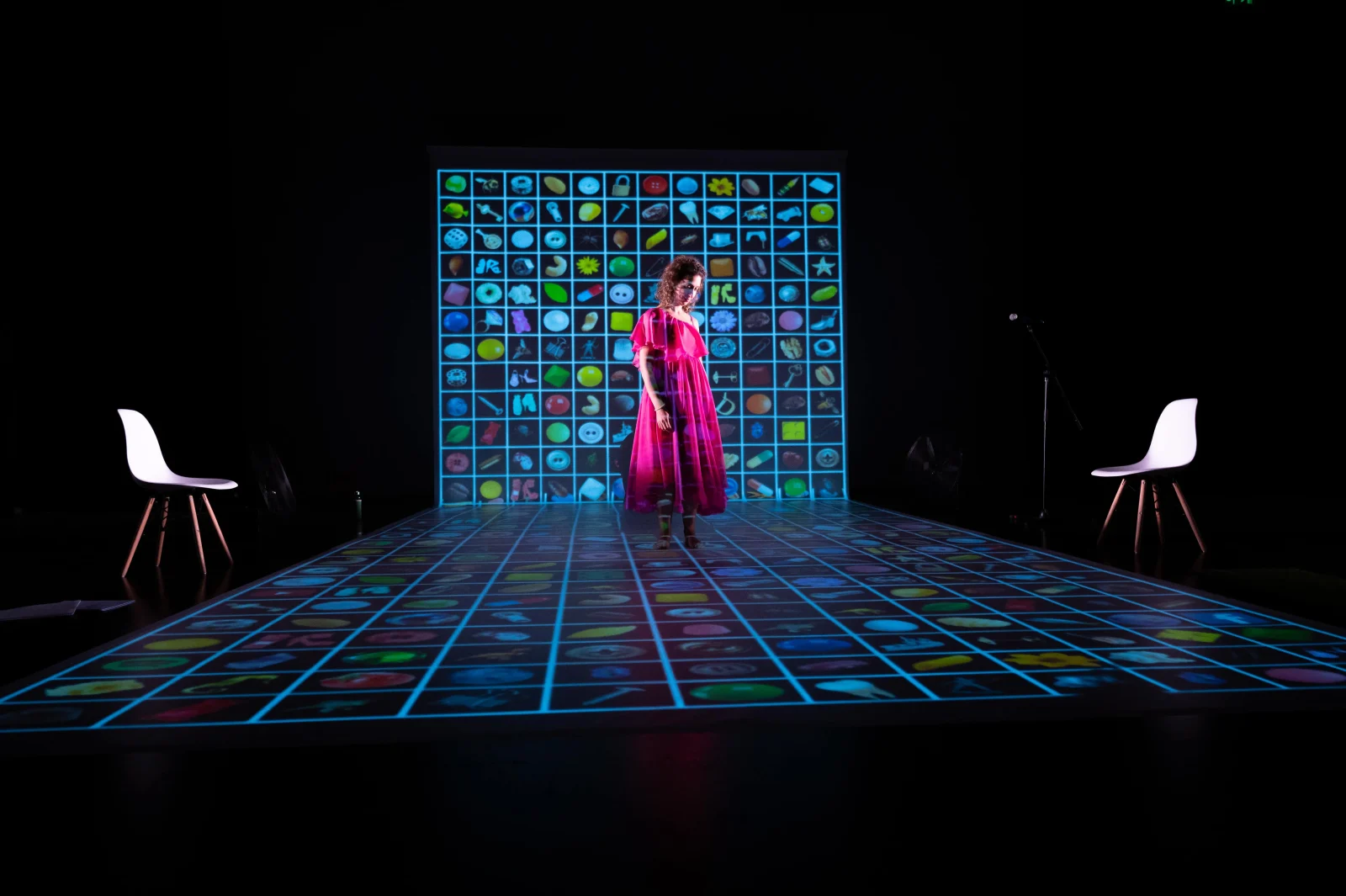
Me emociona ver mas y mas mujeres trabajando en mi campo. En la iluminación, por lo menos en Uruguay, las mujeres empezamos a aparecer hasta no hace tanto tiempo atrás. A fuerza y tesón dejamos de ser invisibles.
Supimos aprender el lenguaje y desarrollarnos en un medio dominado por las masculinidades y logramos habitar ese espacio creativo que tanto nos costó conquistar.
Hoy por hoy hay equipos de diseño integrados únicamente por mujeres, mixtos y de los de antes pero estamos más presentes y eso es para celebrar.
It excites me to see more and more women working in my field. In lighting — at least in Uruguay — women only began to appear not so long ago. Through strength and perseverance, we stopped being invisible.
We learned the language and found ways to grow within an environment long dominated by masculinity, and we succeeded in inhabiting that creative space that was so hard to claim.
Today, there are design teams made up entirely of women, mixed teams, and those of the old guard — but we are more present than ever, and that’s something to celebrate.
Que no existe manual, ni de cómo ni de que, ni cuando y que hay posibilidades mientras haya imaginación. Que para nuestra profesión es importante rodearse de un equipo que confía en nosotros, y en el que nosotros confiamos a pleno, estos equipos pueden llevarnos muy lejos o ahogarnos en la orilla.
Que es bueno descubrir nuestro propio camino, encontrar nuestra propia fórmula y confiar en la intuición, para crear y para creer, esa nunca falla.
There’s no manual — not for how, what, or when — and as long as there’s imagination, there will always be possibilities. In our profession, it’s essential to surround ourselves with a team that trusts us, and in whom we fully trust. Those teams can either take us far or leave us stranded at the shore.
It’s good to discover our own path, to find our own formula, and to trust our intuition — both to create and to believe — because that never fails.

Cuando elegí trabajar en teatro sabía que este era un espacio de conexión e interacción con otras personas y sus universos, lo que no me esperaba era encontrar, crear y cultivar una comunidad teatral alrededor del mundo con la que poder intercambiar y crecer. Eso enriquece mi trabajo, me inspira y me mantiene motivada a seguir creando incluso cuando me invaden tiempos de incertidumbre y austeridad creativa.
When I chose to work in theatre, I knew it would be a space of connection and interaction with other people and their worlds. What I didn’t expect was to find, create, and nurture a theatrical community around the world — one I could exchange with and grow alongside. That enriches my work, inspires me, and keeps me motivated to keep creating, even during times of uncertainty or creative austerity.
Support artists—share this
Get our free Survival Guide for Actors, Directors, and Designers.


We use cookies to personalize content, provide social media features, and analyze our traffic. You can manage your preferences or accept all.
Get our free Survival Guide for Actors, Directors, and Designers.