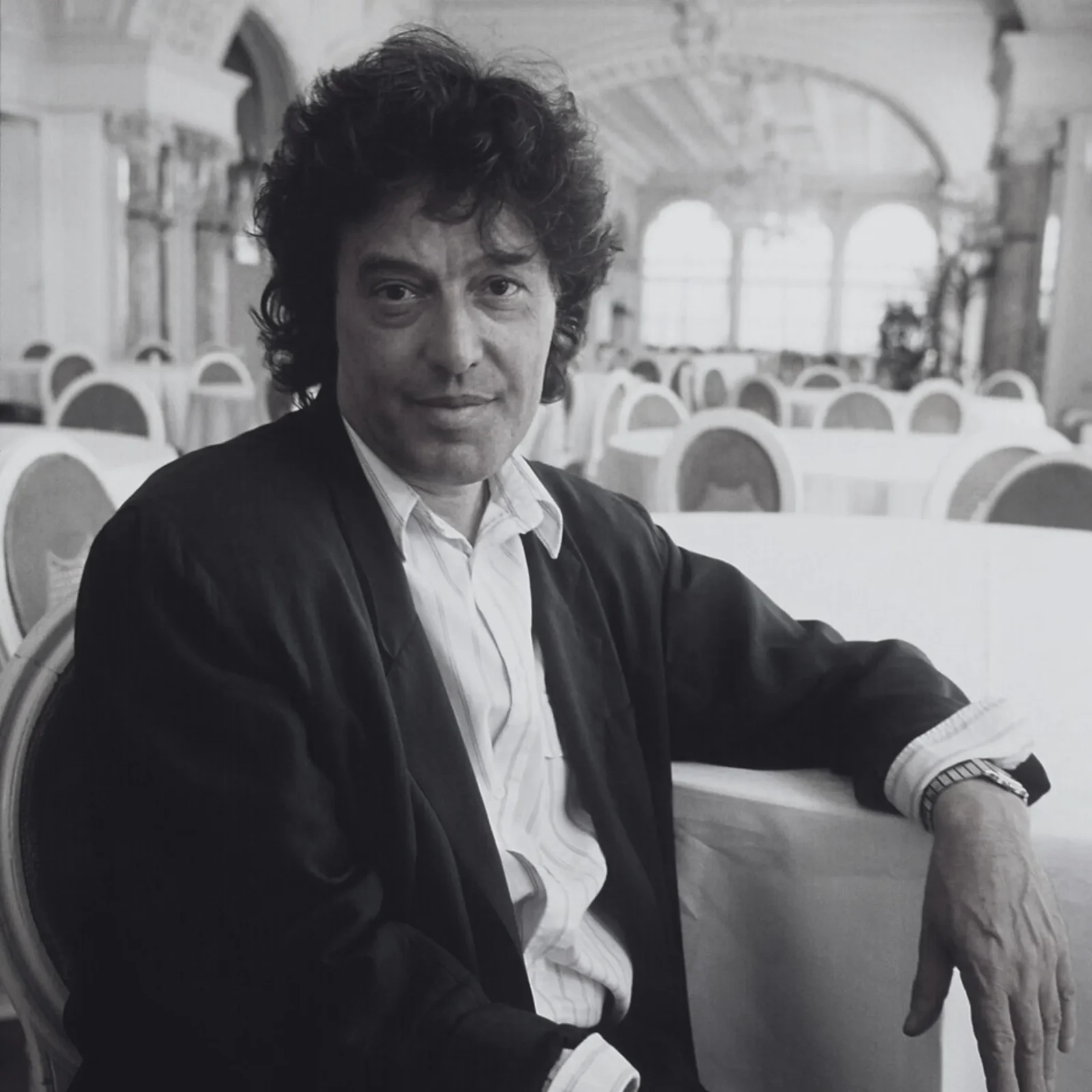

Ian Garrett: Reimagining How We Live.
Ian Garrett explores the future of theatre design through ecology, technology, and care, redefining how art connects to the environment.
Ian Garrett explores the future of theatre design through ecology, technology, and care, redefining how art connects to the environment.

Find the right graduate theatre program by evaluating faculty, resources, location, and career outcomes beyond university rankings.

Discover how CITT/ICTS champions Canada’s theatre and live event technicians through training, community, and EXPO-SCÈNE 2026.

Scenic designer, Kejia Yu brings empathy, imagination, and emotional storytelling to every space she creates. Discover her journey and vision.

A powerful profile of Mexican actress and author Kelly Key, exploring creativity, motherhood, resilience, and the act of creating from truth.

Choosing the right monologue for an audition can feel like a daunting task. With thousands of scripts out there, how do you find the one that best showcases your skills in front of directors and producers? The truth is, your monologue isn’t just about memorizing lines—it’s your chance to show casting directors your range, authenticity, and ability to connect to the character.
I’ve sat on both sides of the audition table, and let me tell you: the right monologue can make all the difference. In this guide, I’ll walk you through the essential steps to picking the perfect piece, so you can step into your audition with confidence.

Before picking a monologue, ask yourself: What is the purpose of this audition?
Casting directors aren’t just looking at your acting skills. They want to see your ability to connect with material, make strong choices, and bring a character to life. Make sure your monologue helps you do that.
Check out the experts advice on audition techniques for more insights!
Your monologue should feel natural—like it was written just for you. Here’s how to find the perfect fit:
If you’re unsure what suits you best, ask a trusted coach or teacher. You can also record yourself performing different pieces to see what feels most authentic.
Theater, film, and TV all have different styles. The wrong monologue can feel out of place.
Classical vs. Contemporary:
Comedy vs. Drama:
Consider what suits the project. A gritty, naturalistic play needs a different monologue than a stylized musical.
Most auditions require a 1-2 minute monologue. Shorter is better.
Avoid the same old pieces everyone else is performing. No matter how good you think your delivery of it is.
Overdone monologues to skip:
Instead, dig deeper. Look for monologues in lesser-known plays or original works. Check out our New Indigenous playwrights guide for inspiration.

Your performance will be stronger if you feel a personal connection to the material.
If the piece doesn’t excite you, the audience won’t feel it either.
Once you’ve chosen your monologue, it’s time to polish it.
Here’s how to walk into the audition room with confidence:
“Hi, my name is [Name], and I’ll be performing [Monologue Name] from [Play Title] by [Playwright].”
In closing, choosing the right monologue is all about finding what fits YOU. Pick something that plays to your strengths, fits the audition, and excites you to perform. And remember: confidence, preparation, and authenticity will always make you stand out.
Now, go find your monologue and nail that audition! Need help picking a piece? Drop a comment below, and I’d be happy to suggest one.
Support artists—share this
Get exclusive interviews, bold ideas, and behind-the-scenes insights from creatives around the world. Join our newsletter to fuel bold, independent theatre journalism.


We use cookies to personalize content, provide social media features, and analyze our traffic. You can manage your preferences or accept all.
Join us in setting the global stage—exclusive stories, insights, and trends delivered to you!