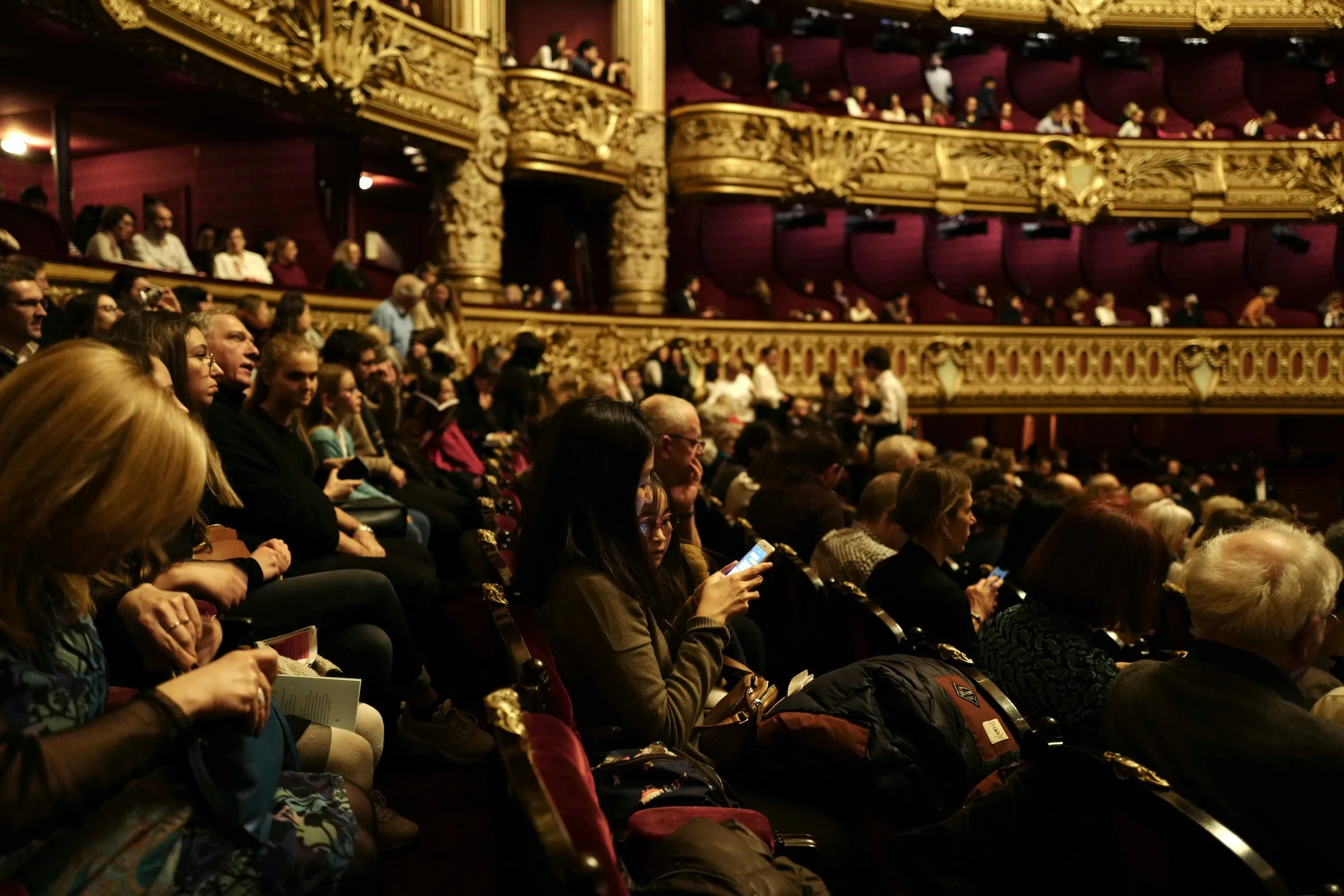
Patricia Gutiérrez Arriaga: Lux Aeterna.
Lighting and scenic designer Patricia Gutiérrez Arriaga on theatre, spirituality, minimalism, and finding meaning through light.
Lighting and scenic designer Patricia Gutiérrez Arriaga on theatre, spirituality, minimalism, and finding meaning through light.

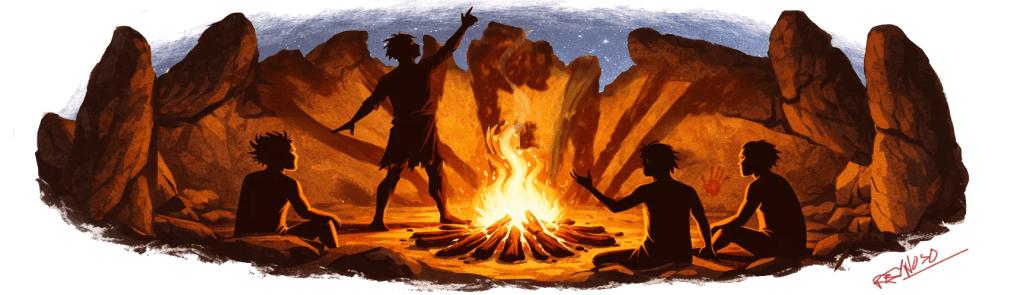
Jay Duckworth explores theater’s sacred origins, tracing how performance began as ritual and endures as humanity’s oldest art.

In-depth interview with director Rebecca Miller Kratzer on collaboration, intuitive process, and redefining leadership in theatre.

Composer Jaimie Pangan on discipline, indie storytelling, and creating music that connects emotionally across film and games.
Explore how meditation and mindfulness can support theatre artists with focus, presence, emotional regulation, and creative sustainability.
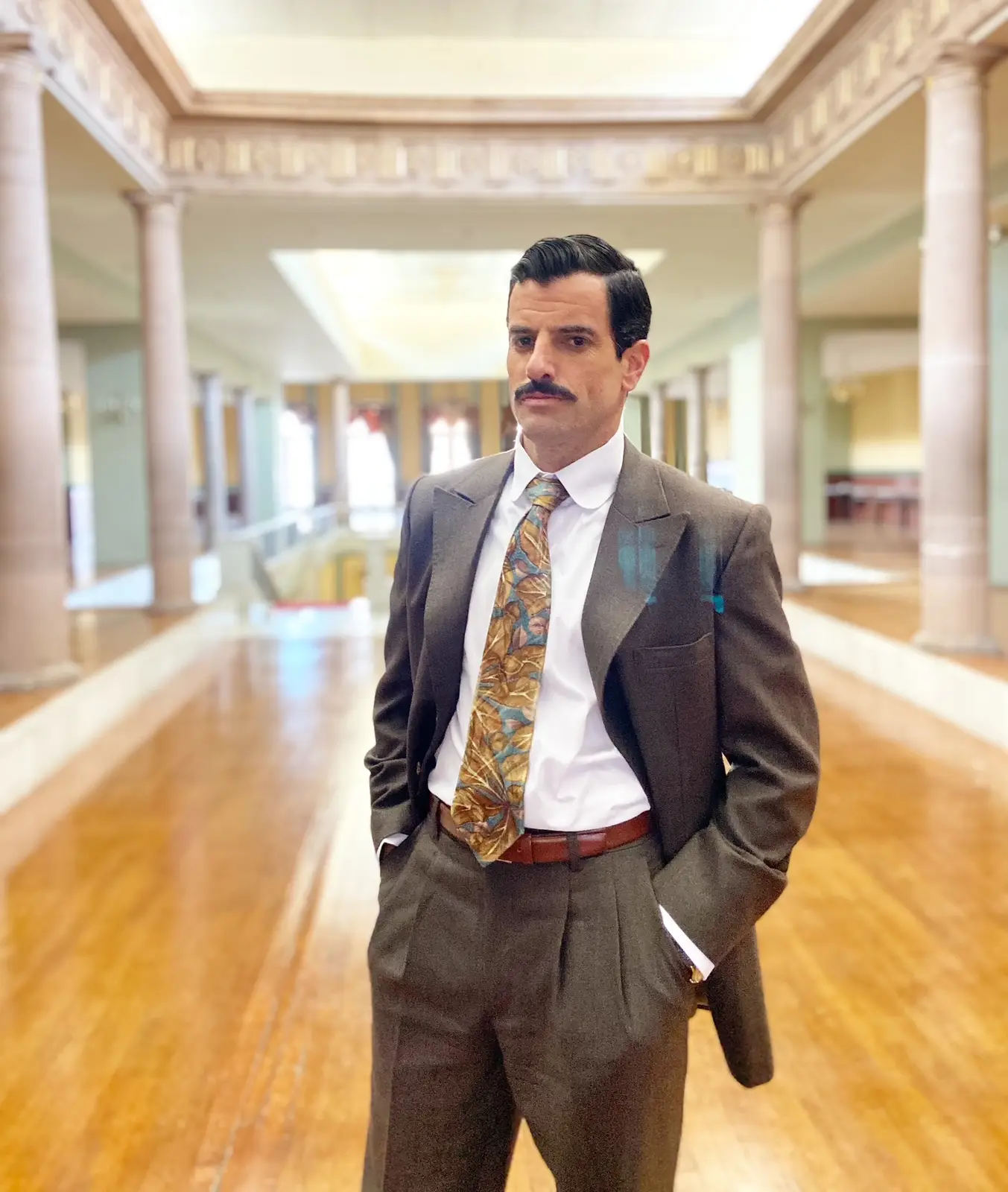
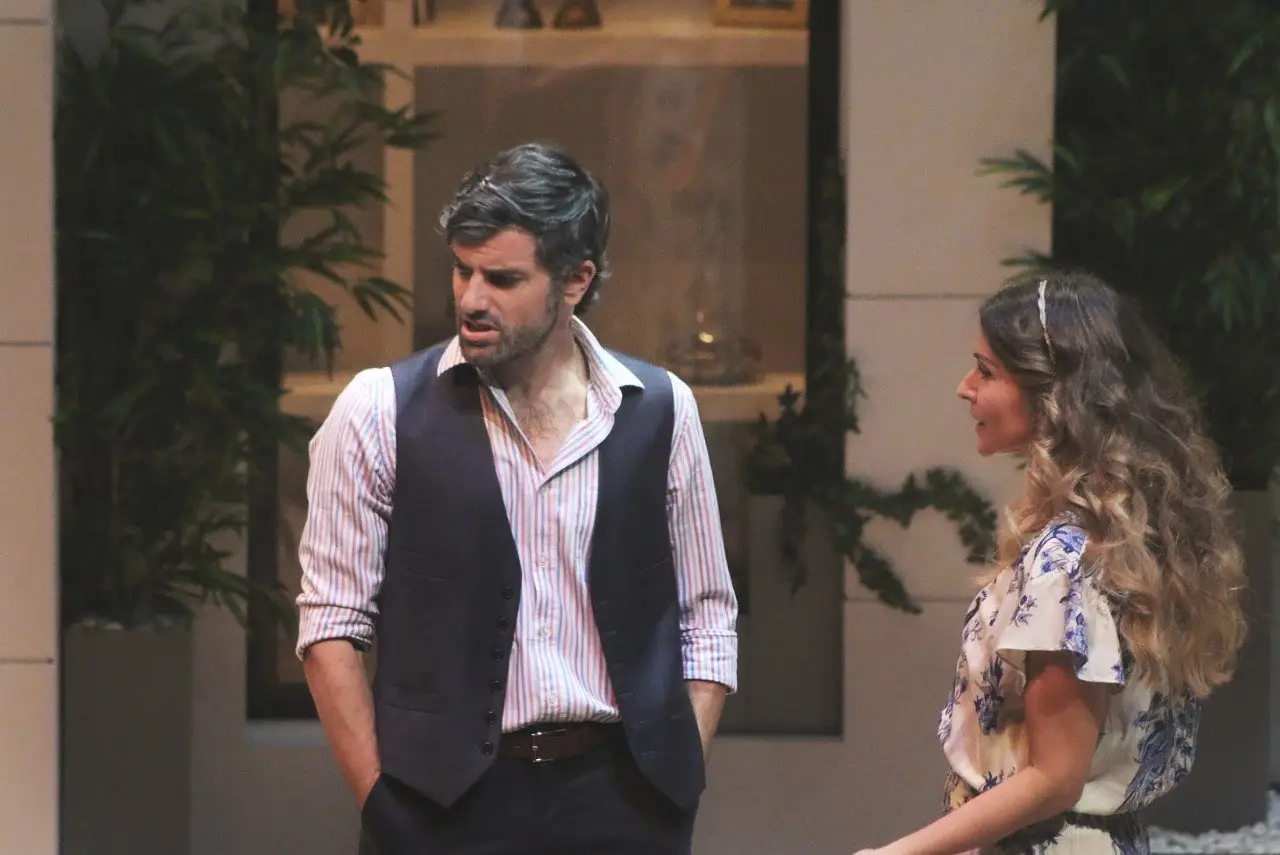
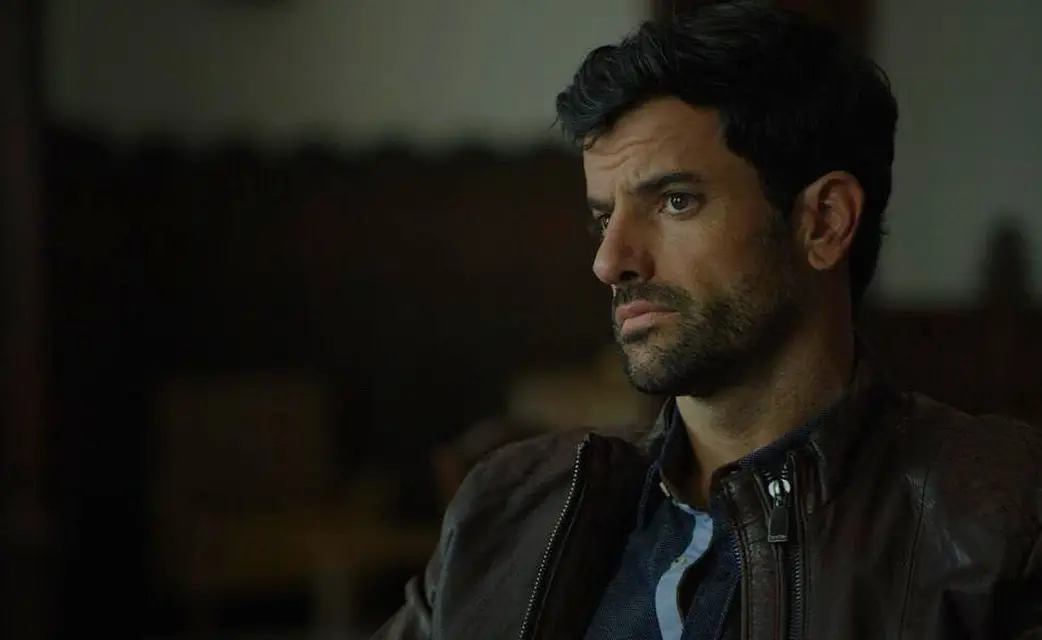
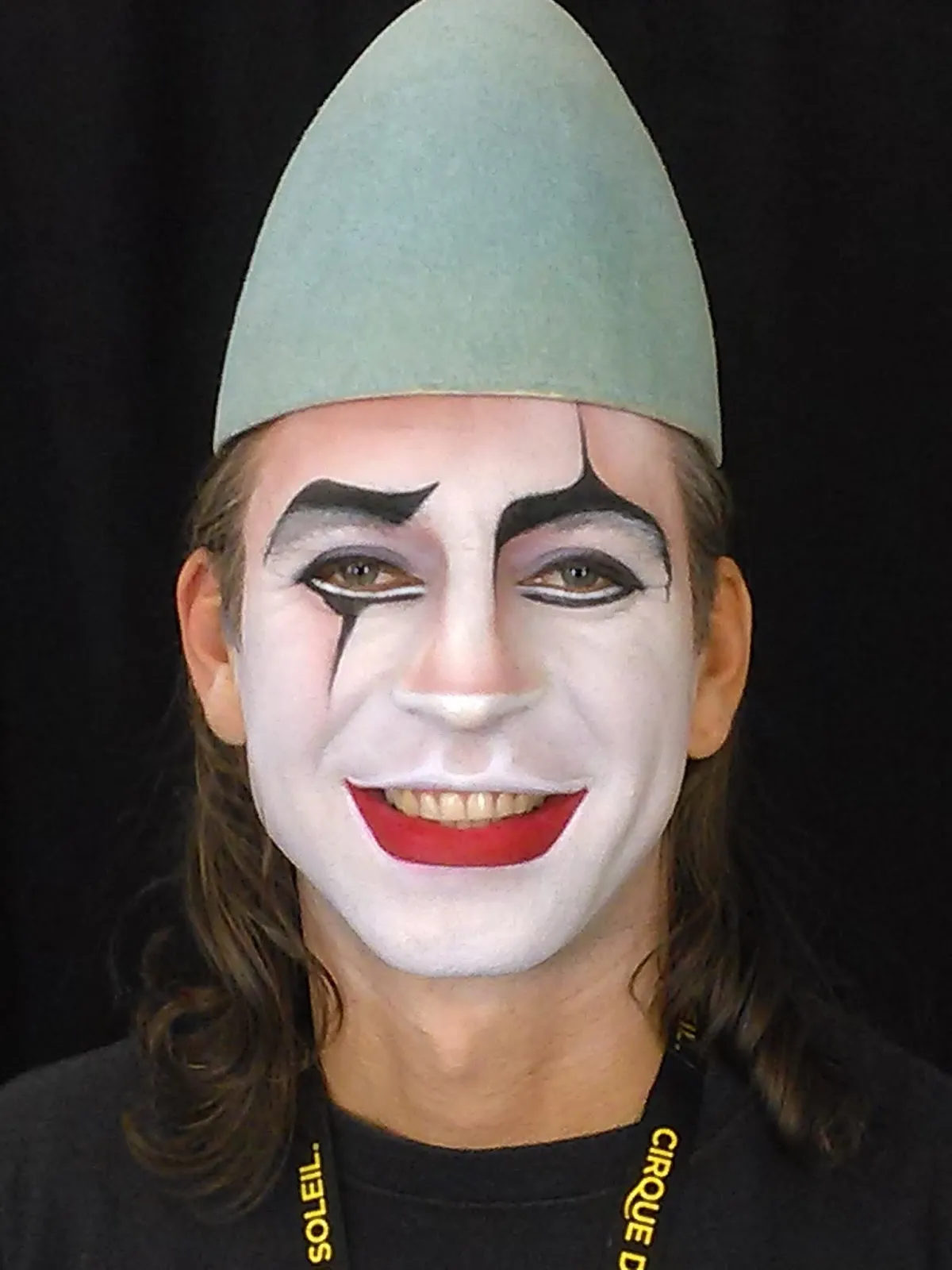
There’s a certain kind of actor who doesn’t just perform but dares to reveal—and Claudio Lafarga is one of them. From the moment he first stepped on stage in high school, acting became more than expression; it became liberation. Since then, his career has been defined by a fearless commitment to authenticity, whether that means embracing emotional vulnerability or bringing urgent social narratives to life on screen.
In an era when representation still battles for nuance, Claudio doesn’t shy away from the hard roles—the kind that challenge stereotypes and reach into the hearts of viewers. With a quiet intensity and deep research process, he transforms characters from the inside out, reminding us that truth in performance can shift how we see ourselves.
Whether he’s portraying a troubled father, a conflicted man, or a character navigating power and transformation, Claudio brings a grounded strength to his work—one built on resilience, purpose, and radical honesty. If you believe in the power of storytelling to provoke, affirm, and heal, this conversation is for you. Step behind the camera with Claudio Lafarga in this edition of PROFILES.
In my high school theatre workshop, I started acting and discovered that on stage I was able to do things I didn’t dare to in real life. I felt my creative possibilities expand, and I loved that.
What still motivates me today is the possibility of creating characters and experiencing what it’s like to live alternate lives.
My approach to acting is very playful. Over time, my ability to delve into the different layers that make up a character has deepened, and for that, it always helps me to think of acting as a multi-level game.
The first television series I worked on was called XY, la revista. It told the story of five men responsible for publishing a men’s magazine called XY. The series, produced by Canal 11 (a government-run channel), deeply questioned masculinity and was very original at the time, as that topic had rarely been explored on broadcast television. It was my first lead role on TV, and I felt like I had been thrown into open waters.
My character was named Adrián Campos, a writer from a very traditional family with a wife and child, who, over the course of three seasons, falls in love with a male coworker and embraces his homosexuality.
Playing that role was incredibly important to me, as homosexuality was rarely portrayed on broadcast television in the early 2000s with the respect that our writers, cast, and directing team brought to it. That’s why the series developed a strong fan base—many people saw themselves in Adrián’s journey. Even 17 years later, some still tell me that the series helped them come out and embrace their identity. Adrián fought to be the best father he could be, regardless of his sexual orientation, and that’s something I still relate to: trying to be the best version of ourselves.
Hearing people share how the character and the project impacted their lives has been one of the most meaningful experiences I’ve had as an actor.
My creative process is largely based on research. I like to identify the themes the project explores and, from there, discover how my character contributes to their development. It also helps me to look for references in books, series, or films that explore similar topics. In addition, I like to learn from the testimonies of people who do the same work or have gone through a situation similar to that of the character.
Sports help me a lot in keeping my body agile—I play soccer, tennis, and go to the gym. And if the character I’m working on requires special training, I dive into it. I’m currently playing a police officer, so in the weeks leading up to filming, we received weapons and stage combat training.
Self-managing projects has been one of the most complex experiences I’ve had as an artist, as securing funding can take a long time—and that’s where the real challenge lies: staying persistent and finding the paths to bring projects to life.
Another challenge I face is maintaining a positive mindset when dealing with the constant auditions where I don’t get the role. It’s something very common that actors deal with, and it has definitely helped me become more creative in how I approach auditions and has shaped my soul with resilience.
As artists in Mexico, creativity and tenacity are essential qualities to stay relevant.
I find inspiration in many places—series, films, plays, novels, or songs. When I encounter the beauty of honest, innovative, or bold work, it motivates me to try to reproduce that spirit in my own projects. Inspiration is a constant source of momentum. A couple of years ago, I saw Transverse Orientation by Dimitris Papaioannou, and it completely blew my mind.
Lately, I’ve been really immersed in the work of director John Carney. He’s a genius at making films where music is the thematic core that helps the characters work through their conflicts. A director friend and I are currently developing a script, and we’re studying his work closely because we want to make a film with that same sensibility.
The COVID pandemic drastically changed the way we conceive of theatre. It was interesting to see how theatre had to adapt and appropriate typically audiovisual mediums in order to survive. New platforms emerged to showcase productions, including live-streaming directly from theatres and extending the stage into the homes of actors and creators.
The arrival of artificial intelligence and its many uses in the industry is undoubtedly another topic generating controversy. I’ve found it fascinating to observe the boundaries being set to prevent the loss of creative jobs, even as more and more applications are being developed to perform tasks that were once the exclusive domain of human creators. We’ll continue to witness debates around the appropriateness and limits of its use, but one thing is certain: it’s here to stay.
Study in a place that inspires you. I was fortunate to have teachers I admired, and that motivated me to keep working hard to land important roles because I wanted to follow in their footsteps.
Another recommendation is to be self-driven—that way, you won’t have to depend on someone else to do what you love. If your work is creative, honest, and daring, over time your experience will grow, and you’ll catch the attention of those you want to collaborate with. Scholarships are a great incentive to help make that happen.
My final piece of advice is not to be left wondering whether it’s worth pursuing what you’re passionate about. It is worth finding out for yourself and being satisfied that you gave yourself the chance. If you don’t take the leap into the unknown, your wings won’t spread to help you fly.
I hope it does so through the honesty, boldness, and relevance of the work.
Support artists—share this
Get our free Survival Guide for Actors, Directors, and Designers.
We use cookies to personalize content, provide social media features, and analyze our traffic. You can manage your preferences or accept all.