Ian Garrett: Reimagining How We Live.
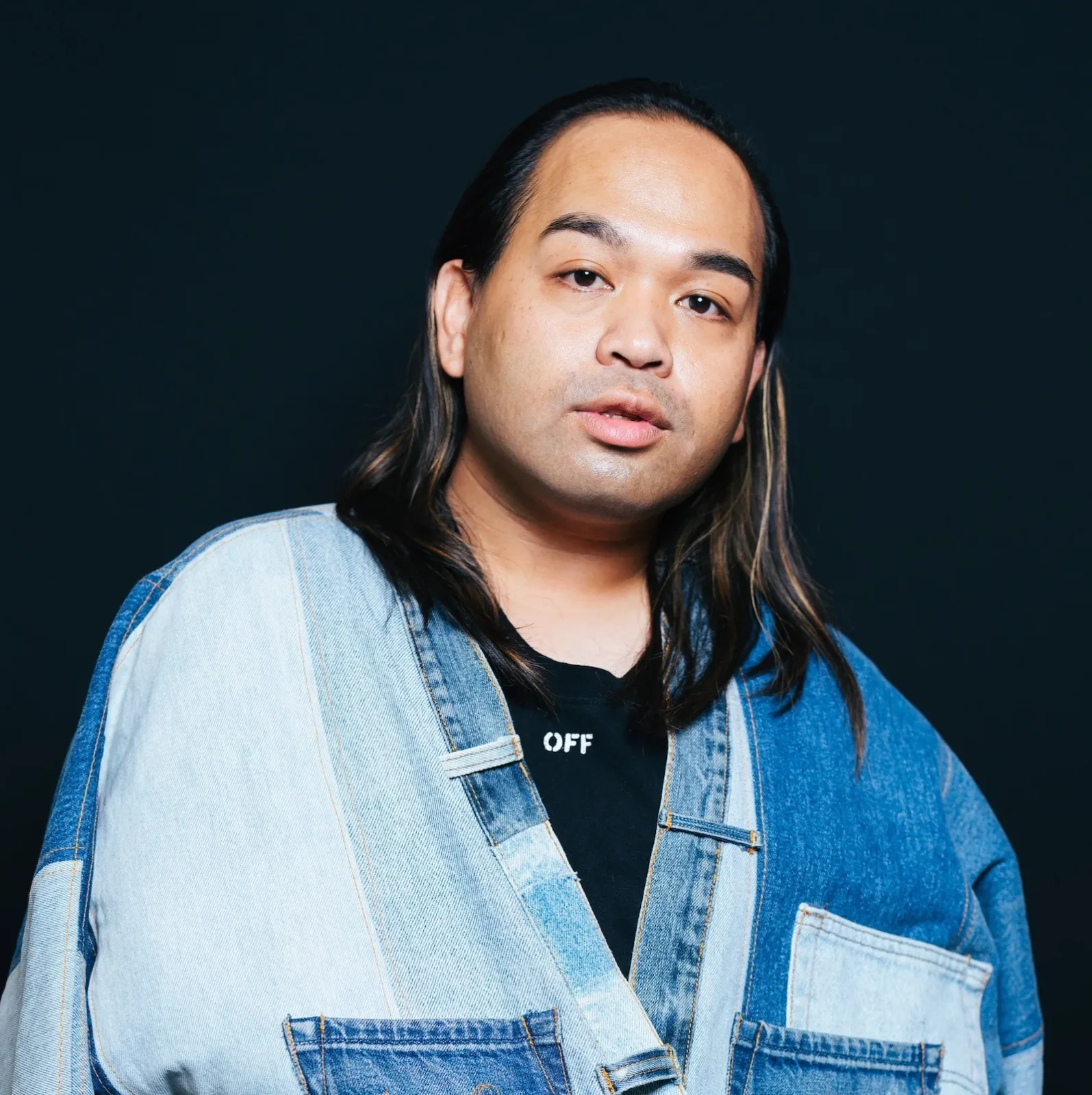
Ian Garrett explores the future of theatre design through ecology, technology, and care, redefining how art connects to the environment.
Ian Garrett explores the future of theatre design through ecology, technology, and care, redefining how art connects to the environment.

Find the right graduate theatre program by evaluating faculty, resources, location, and career outcomes beyond university rankings.

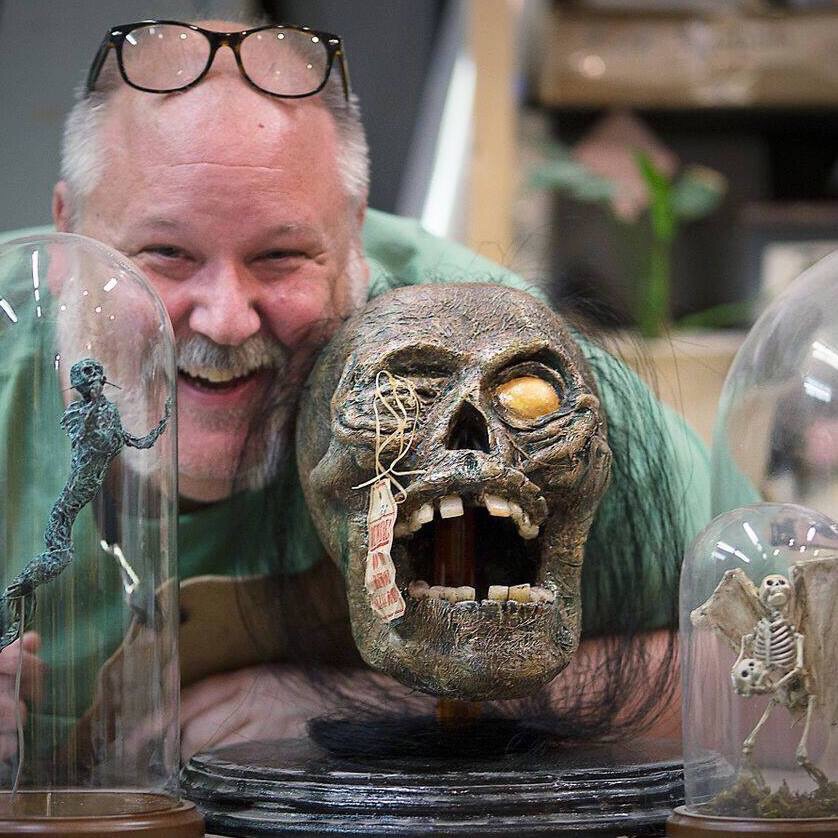
Discover how CITT/ICTS champions Canada’s theatre and live event technicians through training, community, and EXPO-SCÈNE 2026.
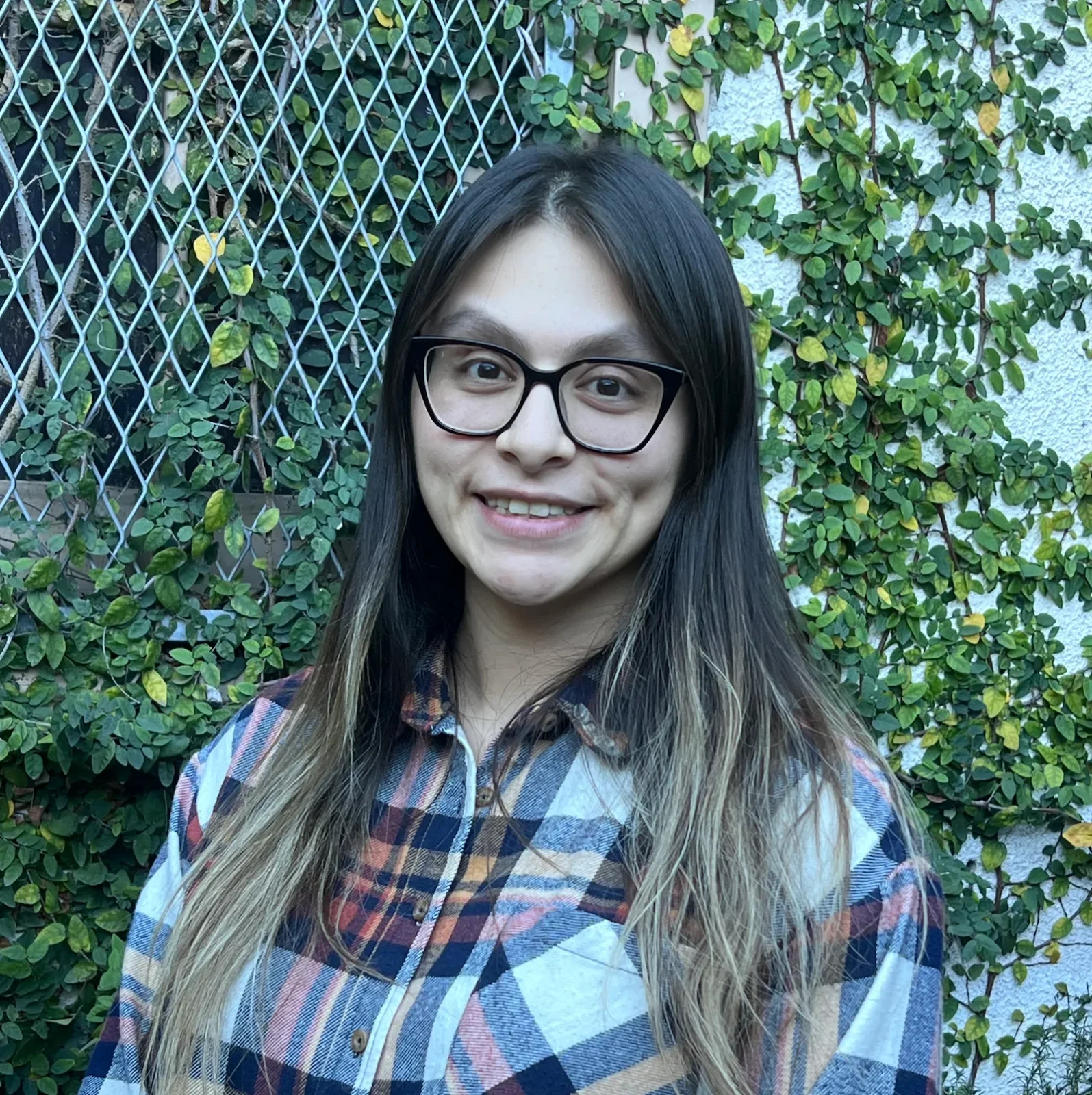
Scenic designer, Kejia Yu brings empathy, imagination, and emotional storytelling to every space she creates. Discover her journey and vision.
A powerful profile of Mexican actress and author Kelly Key, exploring creativity, motherhood, resilience, and the act of creating from truth.

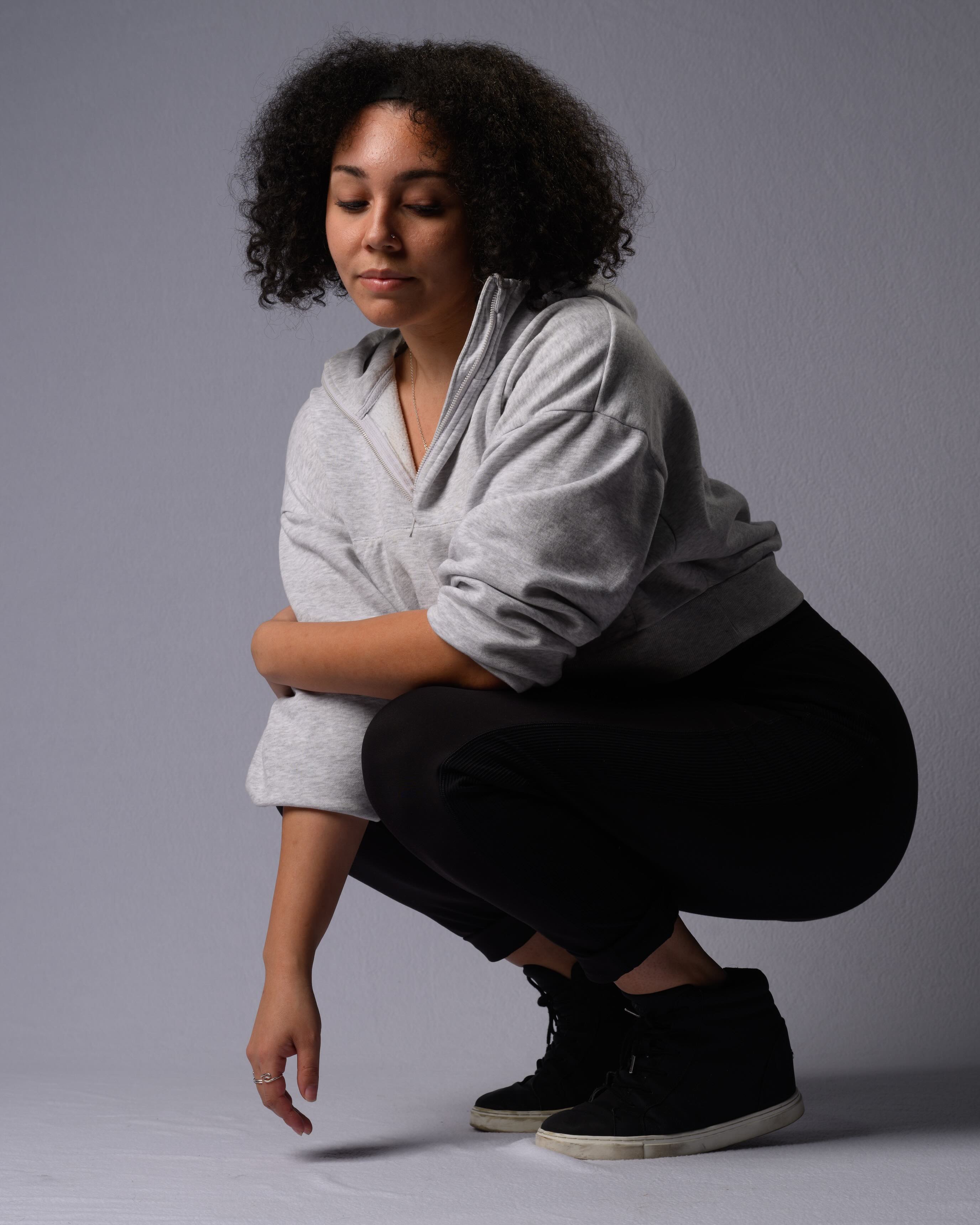
Brenné Forst moves through the world like a current—fluid, fearless, and deeply attuned to the stories the body can tell. As both a dancer and model, she transforms lived experience into art, translating emotion into gesture and resilience into rhythm. Her journey has never followed a straight line; it has been a dance between self-discovery and survival, light and shadow. From community showcases that first nurtured her talent to her academic work at Winthrop University, Brenné has always seen movement as both refuge and revelation—a language for what words can’t hold.
What makes Brenné’s artistry striking isn’t only her technical skill, but her radical honesty. Her choreography invites vulnerability and reflection, born from a life shaped by resilience and healing. Whether exploring mental health through her acclaimed work Splitting of the Minds or stepping in front of the camera with quiet confidence, she moves grounded in the belief that art can be both mirror and medicine.
In this edition of PROFILES, we meet an artist whose every step challenges the boundaries between performance and personhood, reminding us that movement, in its purest form, is a way of coming home to oneself.


My journey truly began with passion—an unadulterated, pure passion for movement and self-expression. I was raised in a community that believed in me long before I fully believed in myself. Whether it was at local showcases, school performances, or neighborhood events, there was always someone in the crowd cheering me on, reminding me that art and expression matter. Dance became my refuge; modeling became my mirror, allowing me to explore my identity and discover who I was and who I could become. Over time, that initial spark has grown from simply performing to creating, using my platform to inspire others in the same way my community once inspired me. Today, it’s no longer just about my personal journey; it’s about giving back to the circle that helped me shine and supporting others in their paths.
Entering one of the most turbulent seasons of my life, I had just been diagnosed with Bipolar Disorder, Schizoaffective Disorder, and PTSD. I was trying to navigate the aftermath of an abusive relationship while redefining what healing could look like for me. I had recently started pursuing my dance degree at Winthrop University after barely graduating from East Carolina University, not because of ability, but because my mental health made survival feel like an achievement. At that point, I just needed a win—something to remind me I still had purpose.
When my professor, Kelly Ozust, announced a summer co-lab that paired dancers, choreographers, and musicians from around the world to create original works with live music, something inside me whispered, just try. I applied, not expecting much. When I was accepted, it felt like the universe finally said, I see you. It was the first time someone outside of my immediate circle took me seriously as a choreographer. That moment changed everything.
Creating Splitting of the Minds forced me to confront myself—my fears, my trauma, my truth. I had to learn how to translate my internal chaos into movement and guide a classically trained musician through the emotional language of mental illness and recovery. I wanted the audience to feel what it’s like to live in both darkness and light—to advocate for anyone who’s ever felt fractured but still whole in their own way.
There were countless sleepless nights and moments of doubt, but also small miracles: the first rehearsal that felt right, the musician understanding the emotion behind a note, the audience’s quiet tears after the final performance. In that process, I realized dance wasn’t just a passion or a degree; it was my way of surviving, connecting, and transforming pain into art. Splitting of the Minds became a love letter to resilience and a reminder that no matter how fractured I feel, movement will always guide me home.

My creative process always begins with dance, it’s the heartbeat of everything I do. Whether I’m choreographing, modeling, or even curating the tone of a shoot, I always start by listening. I study the music, the idea, the emotion. I’ll sit with a song for hours, dissecting its rhythm, its silence, its story, until I can feel it in my body. Once I understand that pulse, movement starts to form naturally – sometimes through choreography, sometimes through a single pose that says everything words can’t.
When I first began creating, my inspiration came from a very raw place. I used dance to process pain: mental illness, loss, heartbreak, survival. My work was heavy, abstract, and deeply personal. But after a while, I realized that living inside those emotions constantly was taking a toll on me. I had to reinvent my relationship with art. I learned that dance doesn’t always have to come from suffering, it can come from joy, from curiosity, from the simple act of being present.
Now, my process feels freer. I still create from truth, but I allow space for lightness and play. I let myself experiment, laugh, and move without overanalyzing. Modeling has also become an extension of that – the lines, the shapes, the energy, all rooted in dance. Every look, every pose, every frame is another way to tell a story without speaking. Dance is my language – it’s how I process the world, how I communicate when words fall short.
At the end of the day, everything I create, whether it’s a performance, a photoshoot, or even a quiet moment in rehearsal, comes back to that same truth: movement is my way of connecting with the world, and with myself.
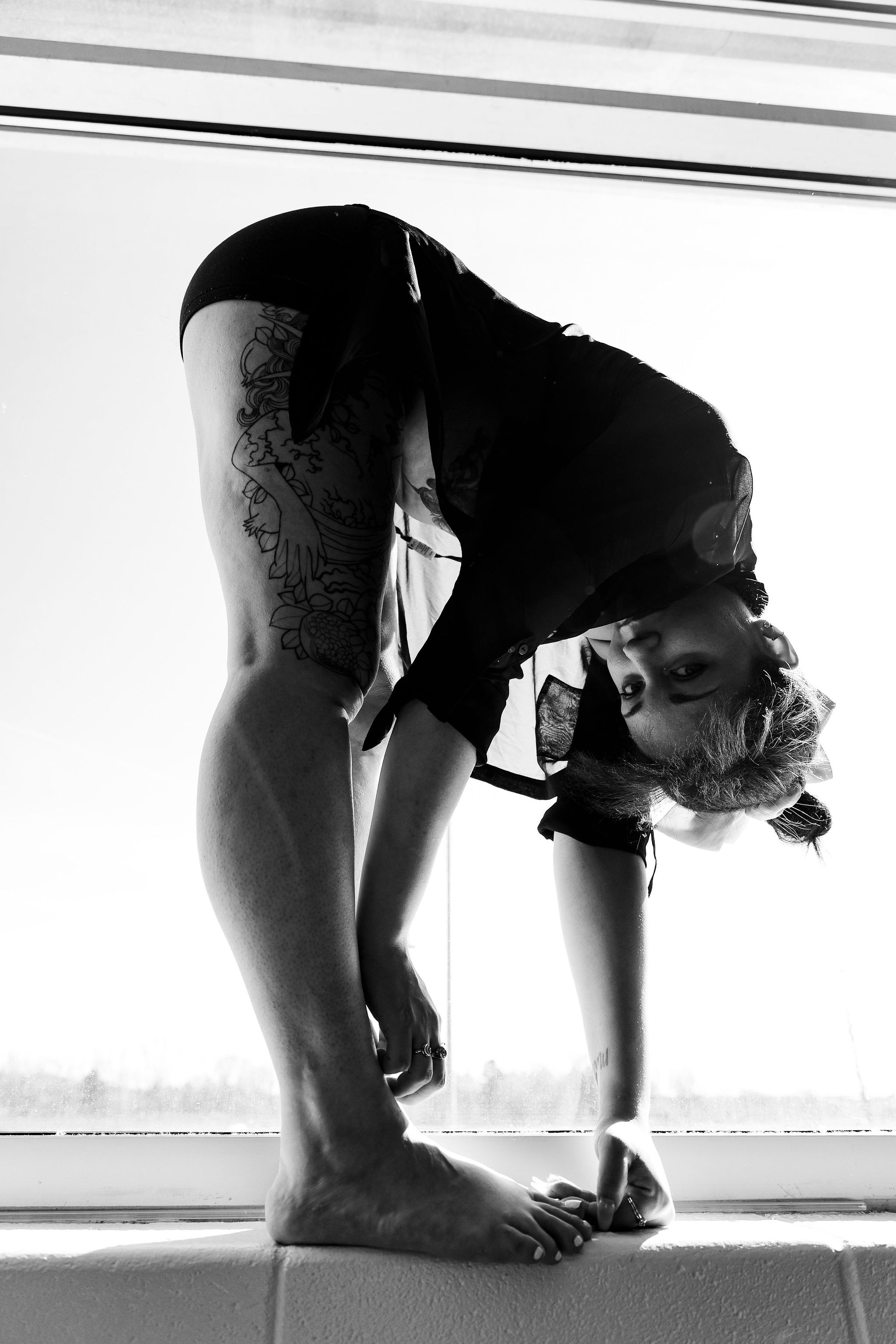
My biggest challenge as an artist has been navigating the commodity of capitalism and how it dictates the value of creativity itself. As a dancer, educator, and board member for a dance nonprofit, I’ve seen firsthand how underfunded and underappreciated the arts can be. As a model, I’ve experienced how appearance and marketability can often be prioritized over authenticity. It’s heartbreaking. We live in a world where the arts are treated as an afterthought, yet they are the heartbeat of culture. Providing spaces for creative expression costs money. Resources cost money. Even the ‘free’ moments of artistry – the rehearsals, the test shoots, the unpaid performances – are all labor. And still, we have to fight to justify their worth. When funding for the arts is cut, when beauty and performance are commodified, it doesn’t just impact artists – it impacts entire communities. It strips away opportunities for healing, self-expression, and connection.
Then there’s the culture of hustling: this constant grind that forces you to turn your passion into a paycheck or risk being left behind. As both a dancer and a model, you’re expected to always be ‘on’ chasing the next gig, posting the right content, staying visible. It’s a cycle that can blur the line between fulfillment and fatigue. There have been times I’ve questioned whether I was creating from passion or from pressure. Modeling, much like dance, can become transactional. Whether it’s exposure, aesthetics, or validation, that can take a toll if you don’t have a strong sense of self. You start to realize that the world often romanticizes the art, but not the labor that sustains it.
But through that struggle, I’ve found perseverance. My parents and grandmother always told me to ‘get comfortable with being uncomfortable,’ and that has become my mantra. The rejection, the long hours, the uncertainty, they’ve all shaped my resilience. I’ve learned to move through capitalism and hustle culture with intention, to reclaim my art as my own. Whether I’m choreographing a piece or stepping in front of the camera, I ground myself in purpose, not profit. Dance and modeling both taught me that my power lies in storytelling, not selling. And that realization completely changed how I see myself as an artist. The system may undervalue the arts, but artists will always find a way to create, because creation, for us, is survival.

My biggest inspiration comes from my intersectional communities: my family, my friends, my dance community, my students and educators, my modeling peers, and the incredible people I’ve met both locally and internationally. As much as people tell me that I inspire them, the truth is, they inspire me more. Every interaction, every collaboration, every shared moment fuels my creativity in ways I never expected.
As I’ve grown older, I’ve learned not to be afraid of starting over or trying something new. I see art everywhere: it’s not confined to the stage or the studio. My background in sociology really shaped that lens for me. I see art in the way strangers move around each other, in the rhythm of conversation, in how nature and humans coexist without even realizing they’re dancing together. I hear it in the stories passed down through generations, I smell it when I step into a new city, I taste it in the cultural fusions at community gatherings, and I even feel it in the energy that transcends the physical world. All of that flows through my work, shaping movement, presence, and expression in ways that are uniquely mine.
Personally, the most exciting thing in my life right now is that I recently donated a kidney to my cousin, an experience that completely shifted my perspective. We call ourselves ‘kidney bean twins’ because we were a perfect match, and the whole process has opened a new chapter for me. Beyond the personal joy of giving, it’s inspiring me to advocate for kidney disease awareness and the living donor process, while also exploring life with a brand-new lens.
This experience has started to influence my dance and modeling work, too. Dance has always been my way of expressing what words cannot, and now I feel this renewed vitality and sense of purpose in every movement. In modeling, too, there’s a new energy and confidence in the way I carry myself in front of the camera – a quiet strength rooted in gratitude and transformation. I’m beyond excited to see how this new perspective will flow into choreography, shoots, and every creative endeavor I pursue. And, of course, I can’t wait to travel the world with my cousin, finding inspiration in new cultures, landscapes, and eat lots of great food together.

Get comfortable with being uncomfortable. Art isn’t just about talent or inspiration, it’s about resilience, curiosity, and the courage to take risks. You’ll face rejection, doubt, and pressure to commodify your creativity, but those challenges are what shape your voice. Stay curious, trust your process, and let your passion guide you, even when the world tries to put a price on it. The moment you stop fearing discomfort is the moment your work starts to truly come alive.
I hope my work connects with people by creating a space for authenticity, vulnerability, and human connection. Whether through dance, modeling, or any form of artistic expression, I want to inspire audiences to feel, to reflect, and to recognize the depth and beauty in their own stories. My intention is never just to perform or to pose, it’s to spark moments of empathy, wonder, and recognition that transcend words. I hope that through my work, people remember that creativity is not just a practice, but a lifeline, a way to process, heal, and celebrate the human experience. If my work can make even one person feel seen, understood, or brave enough to move with their own heart, then every step, every pose, and every choice has been worth it.
If you would like to donate to Dance Artist Alliance CLT click here.

Support artists—share this
Get exclusive interviews, bold ideas, and behind-the-scenes insights from creatives around the world. Join our newsletter to fuel bold, independent theatre journalism.


We use cookies to personalize content, provide social media features, and analyze our traffic. You can manage your preferences or accept all.
Join us in setting the global stage—exclusive stories, insights, and trends delivered to you!