
Latest posts.

Get Featured or Publish with Skene!

Adriana Ruiz “Clarisse Monde”: Design for a Living Planet.

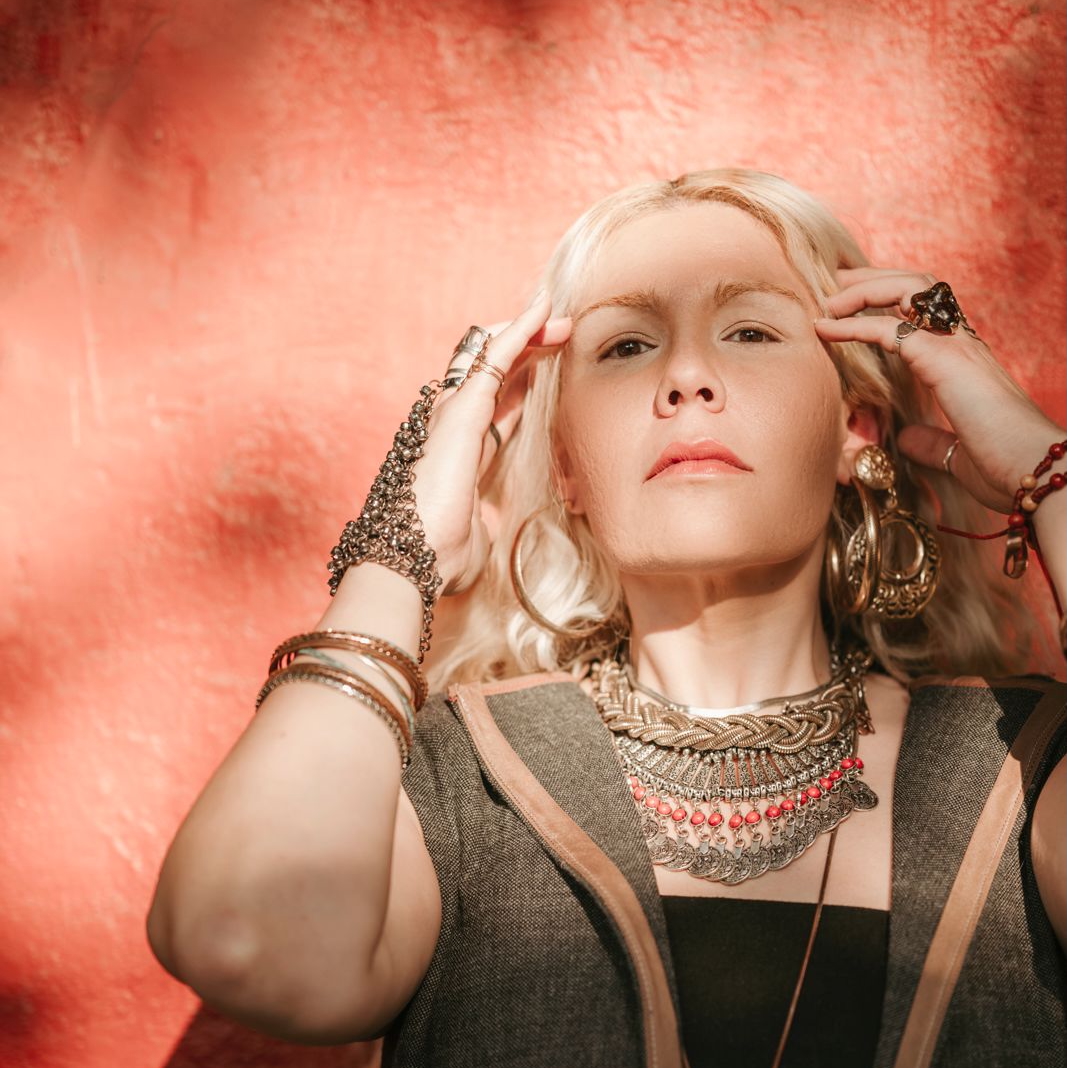
source: @Dashadash_photo

Adriana Ruiz—professionally known as Clarisse Monde—is a designer whose practice is as bold as it is grounded. Based in Mexico, Clarisse has spent the last two decades creating across stage and screen, weaving scenography, costume, and lighting into visual worlds fueled by intention, collaboration, and care for the planet.

Trained in a multidisciplinary model of stage design, Clarisse never confined herself to a single specialty. Her work spans disciplines and formats, with a process that evolves with each project. From large-scale dance collaborations in Montreal to agile audiovisual productions in Mexico, she designs with a sensitivity to materials—often reusing textiles, objects, and discarded elements to craft environments that are both impactful and sustainable.

As she celebrates 20 years in the field, Clarisse is turning toward education, preparing a series of workshops and offerings that reflect her passion for sharing knowledge and cultivating new creative paths.

In this edition of PROFILES, Clarisse reflects on the monsters of the creative process, the emotional weight of criticism, and the quiet power of staying true to your own artistic vision.

partner content

Adriana Ruiz "Clarisse Monde"

she/her
Scenic & Costume Designer
Mexico
Buenrostro Tierra, source: Julieta Mateos

1. What sparked your interest as an artist and how has that spark evolved over time?

I was very fortunate to find myself in the country where the program I wanted to study was offered, and to be accepted on my first try. I pursued a degree in scenography back when all areas of stage design were still being taught, initially thinking I would only become a set designer; but today, I continue to work equally across all areas of stage design.

I’m driven to create from a sustainable perspective—since my first project in 2006, I’ve worked that way whenever the project has called for it. It’s vital to me that my artistic work aligns with my identity and ideology, and seeing that reflected in my practice keeps me motivated even 22 years after beginning this journey.

Sabor de Mi Corazón, source: Pierre Tran

2. Can you share the story behind one of your favorite works and what it means to you?

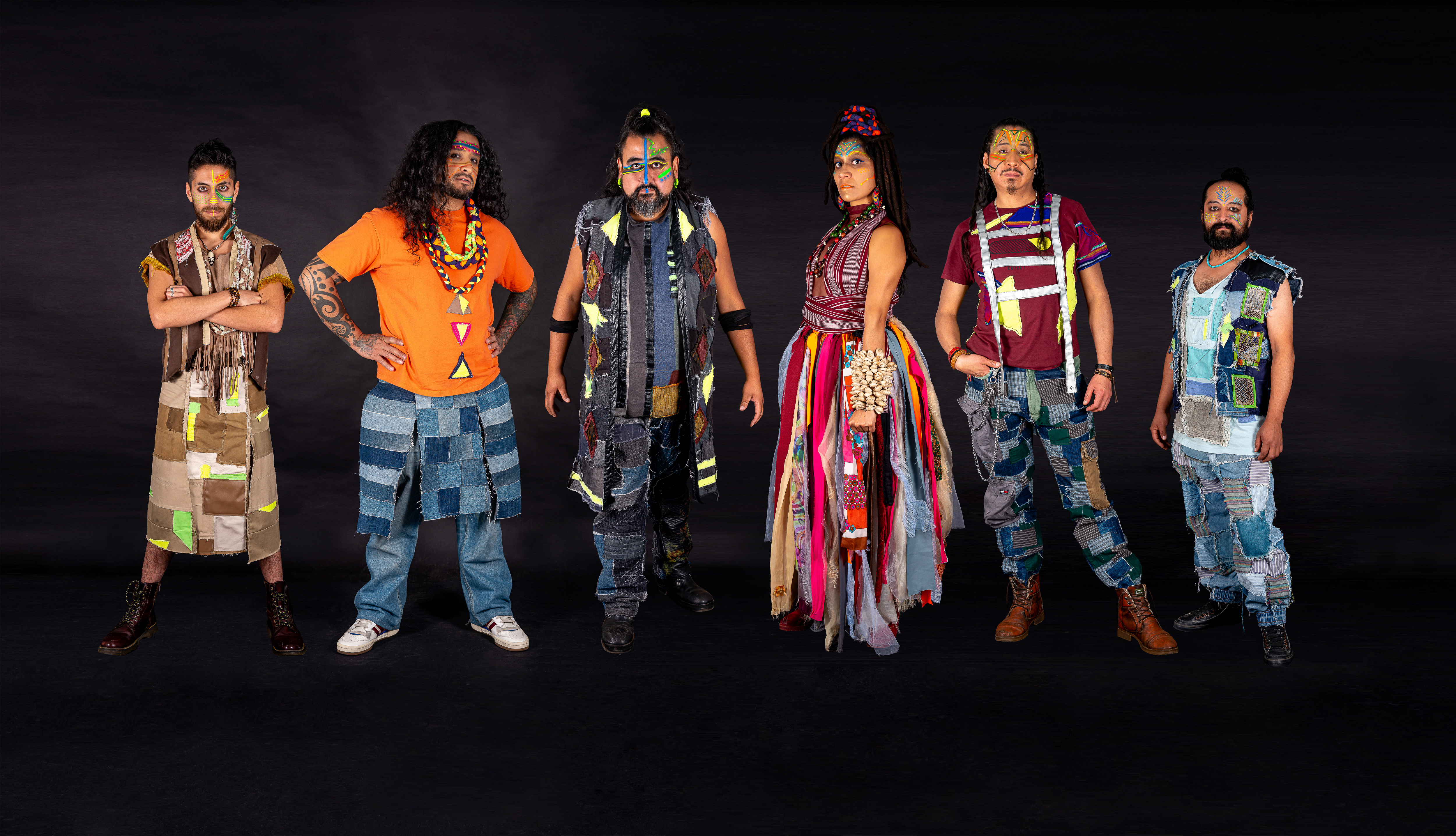
Sabor de Mi Corazón, created for Vías Danza in Montreal, is one of the most important projects for me. I designed the set, costumes, and lighting, so the visual concept of the entire production stemmed from my proposals in collaboration with Diana and Paco (the choreographers). They live and work in Montreal, but they are Mexican, and this choreographic piece is a project about cumbia.

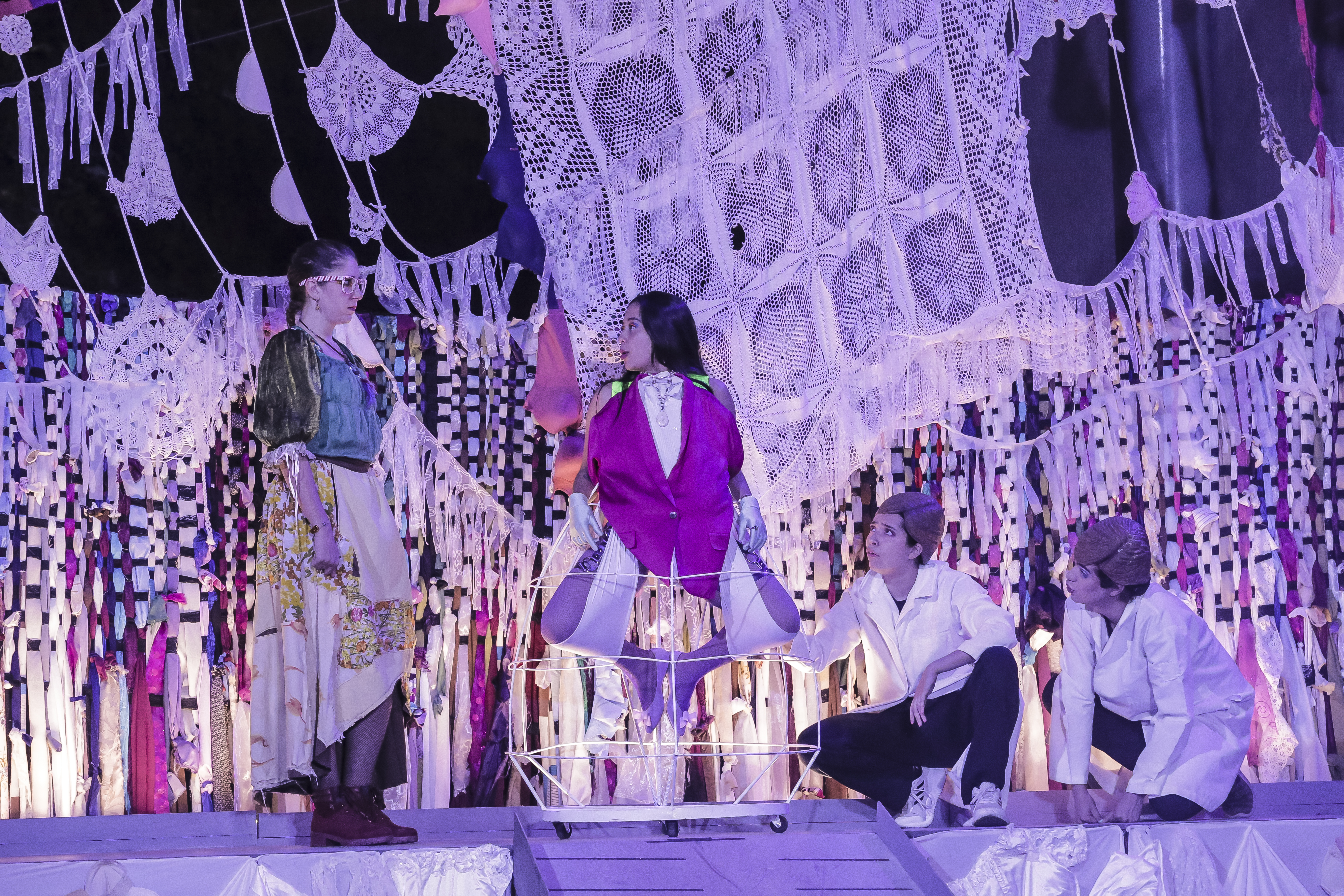
Collaborating with Mexican artists to showcase our identity outside of Mexico was a true delight. This project brought together all my passions—dance, cumbia, and sustainable design. The set design reuses discarded electrical cables, the costumes are made entirely from repurposed garments, and the result is, in my view, a beautiful achievement that has now been performed for five years, lovingly sharing the flavor and dualities of Latin culture.

Sabor de Mi Corazón, source: Pierre Tran

3. What is your creative process—do you follow a routine or does inspiration come spontaneously?

The creative process is never the same. I say that each project is a new monster—it eats, walks, talks, and has different needs.

In general, I start by connecting with the essence: what are we trying to say by bringing this production to the stage? I incorporate the vision of the director and the creative team as a whole. Then I begin searching for my points of departure, which always come from different kinds of stimuli. Sometimes it’s images, films, food, places, people—anything can be a trigger.

Next, I gather the whole world of possibilities into a visual file that I present for feedback, and from that first meeting, I begin defining the visual universe I’ll design.

When I work with reused materials, the process is the same but requires a certain margin of flexibility. I propose a concept and a visual idea, but depending on what materials become available, that idea will evolve. Once a concept is approved, the next phase begins: translating it into production terms, building it, and bringing it to the stage.

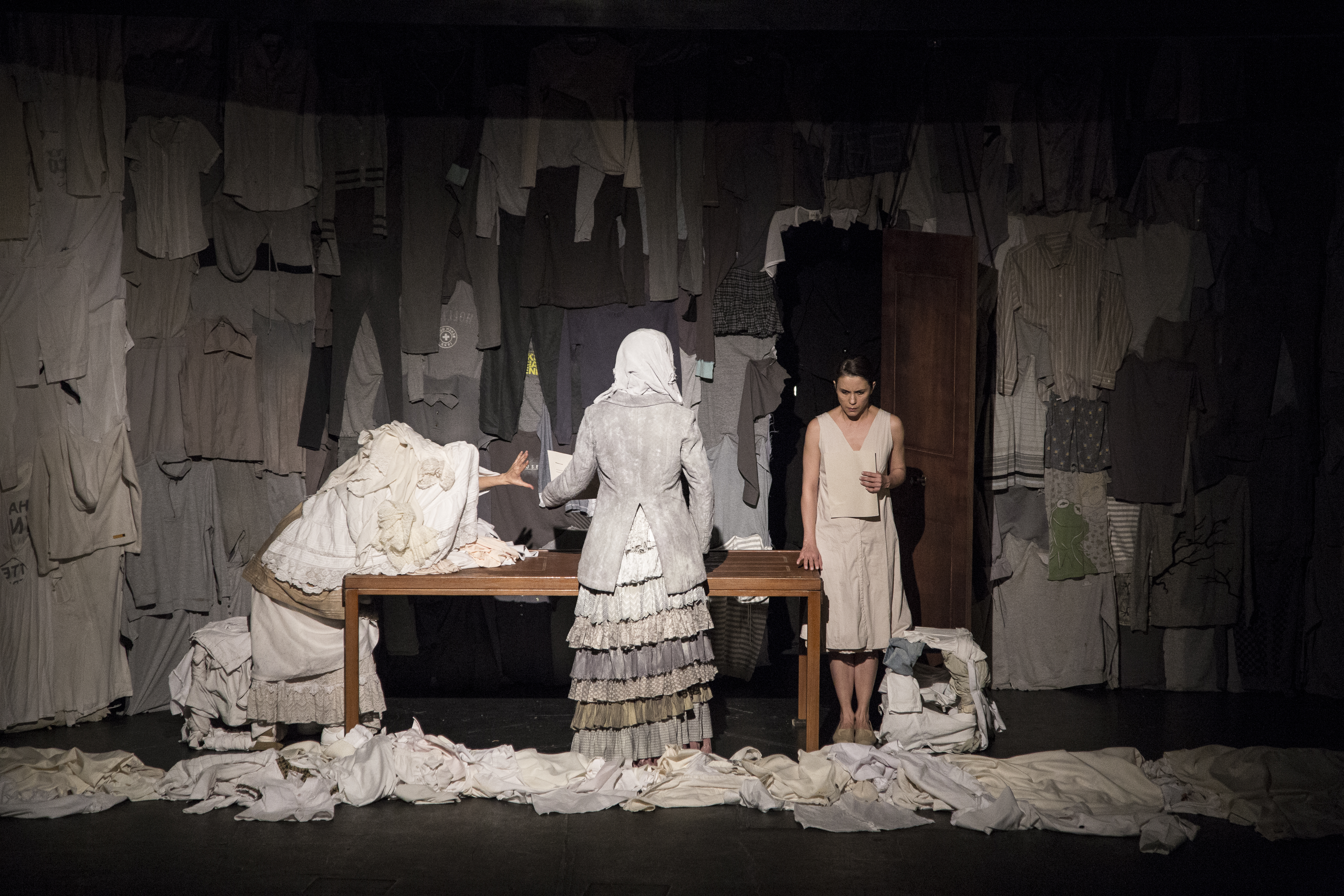
Requiem para las Debutantes, source: David Flores Rubio

4. What has been your biggest challenge as an artist and how did it influence your growth?

There are many challenges. The first one that comes to mind is my geographical location. In Mexico, although there is an impressive amount of artistic production, the models for arts funding have been changing, and that has diversified my artistic career.

Initially, I worked solely in the performing arts: opera, dance, theatre, circus, performance. But around 2014, I also began taking on audiovisual projects, and since then, I’ve worked more in audiovisual media than in live performance—more due to financial reality than a desire to step away from the stage.

Surprisingly, this has enriched my career as a scenographer, because now the projects that come my way are those I connect with deeply—projects for which I have something important (at least to me, maybe not to everyone) to say.

Since graduating in 2007, there hasn’t been a single year where I haven’t done something for the stage, and I feel fortunate to express myself in my safe space—the theatre.

Additionally, working at the pace of audiovisual production has made me far more capable of facing the challenges of a stage project; I now approach them with greater efficiency and optimize production timelines.

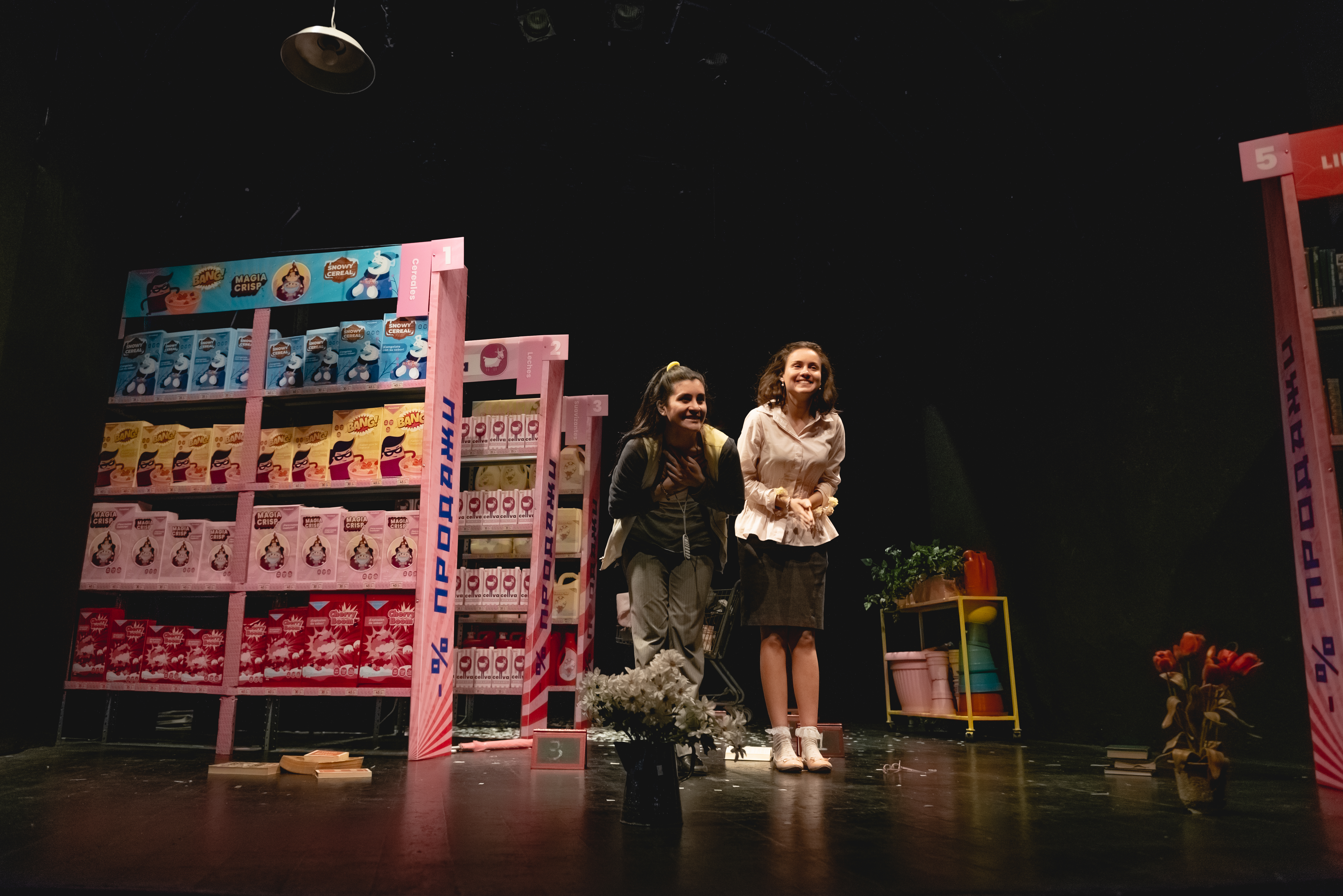
Cinco Minutos Sin Respirar, source: Julieta Mateos

5. Who or what inspires you the most, and how is that reflected in your work?

I’m inspired by a love for the planet. Without a doubt, each design is an opportunity for me to touch the minds and hearts of the people attending the performance, encouraging them to reflect on their consumption habits and the impact these have on the Earth.

More than any individual or artist, this is my greatest source of inspiration—dreaming of the possibility of change for the good of everyone on the planet.

6. What do you think is the most exciting thing happening in your field right now?

I’m very excited because in 2026 I will celebrate 20 years of artistic work as a scenographer, and I plan to mark the occasion with an academic offering like never before. I’ve been teaching workshops, seminars, and classes in universities and various academic settings—mostly self-managed or independent—for over 15 years.

I’m passionate about teaching, and I feel that with 20 years of artistic experience, it’s time to give back and share all the knowledge I’ve gained as a professional in the performing arts. This is what excites me the most right now, as I plan all these upcoming activities.

Las Pepenadoras, source: Carlos Alvar

7. What advice would you give to artists or creatives who are just starting out?

You’ll always feel like you’re swimming against the current. The world loves to consume art, but it doesn’t like to deal with everything art stirs within us. There are always challenges and resistance, and sometimes those can be discouraging—because what you want most is to bring your full self into your artistic work.

When criticism comes, it hits deep in the soul, because your work is a big part of who you are, and I don’t believe you can separate the art from the artist.

That’s why my advice to you is: be true to yourself. Learn to listen to the noise around you—filter it only so you can grow, but never let it stop you. And once you return to yourself, stay true to your essence. That’s the only path to success I know.

8. How do you hope your work will connect with people or leave an impact?

I truly hope with all my heart that my work continues to inspire change in harmful consumption habits. To date, I’ve already managed to reuse 2 tons of textile material in my work from the past few years (2020–2025). From the moment donations are requested, the generous and enthusiastic participation of those who contribute is incredibly inspiring. And in every project, there are always people who walk away with a deep reflection upon seeing how much clothing or how many objects were used in the design.

I also hope to connect with the emotions that my work can convey.

Requiem para las Debutantes, source: David Flores Rubio

Support artists—share this

Master Your 2026 Career.

Get our free Survival Guide for Actors, Directors, and Designers.

About the Author

Leave a Reply

Your email address will not be published. Required fields are marked *

partner content

Related Posts

BACKSTAGE PASS

Master Your 2026 Career.

Get our free Survival Guide for Actors, Directors, and Designers.